Certified IB Psychology HL Tutors in Global to Help You Achieve 7/7 Across All Components
IB Psychology HL is one of the most assessment-diverse IB subjects, featuring distinct assessment components that each require a specialized analytical approach.

GULIA
43/45
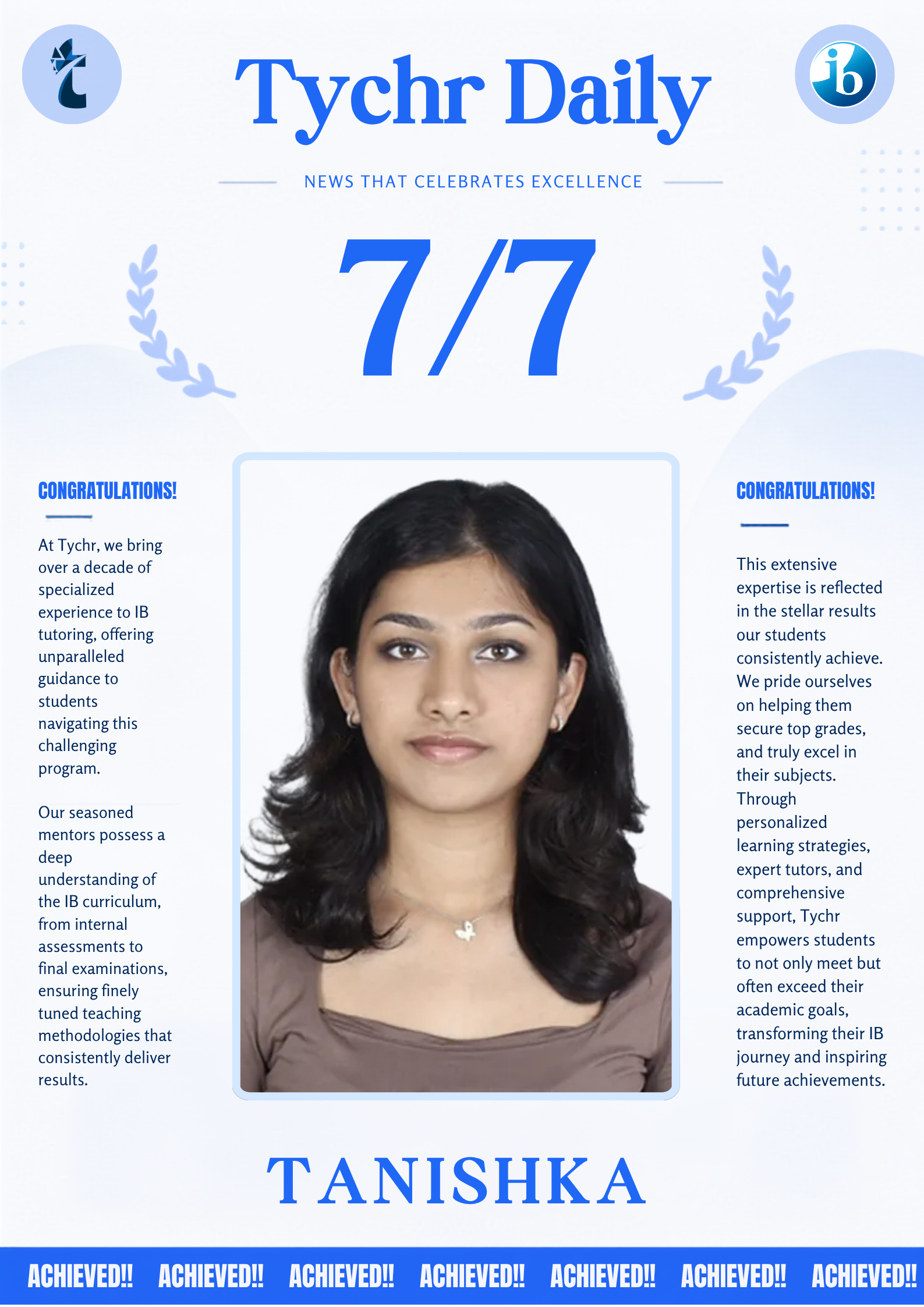
TANISHA
43/45
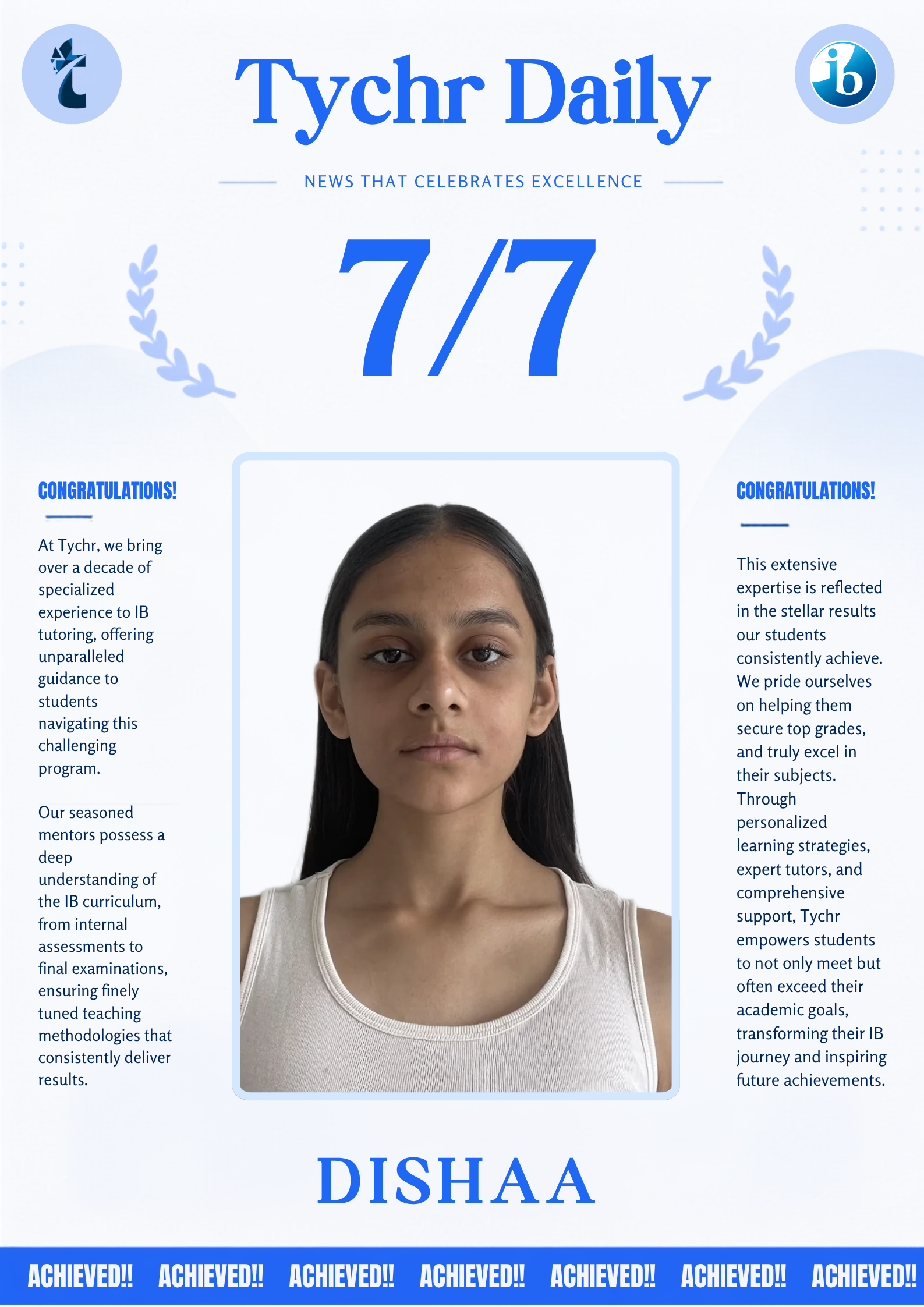
ADAA
43/45
RUSHIL
45/45
ESHAAN
42/45
VISHAAL
43/45Start your journey with the right guidance.
Your information is kept private and never shared with third parties.
+1.8
Average grade improvement
91%
Students score 6 or 7
600+
Psychology HL students tutored
4.9/5
Average tutor rating
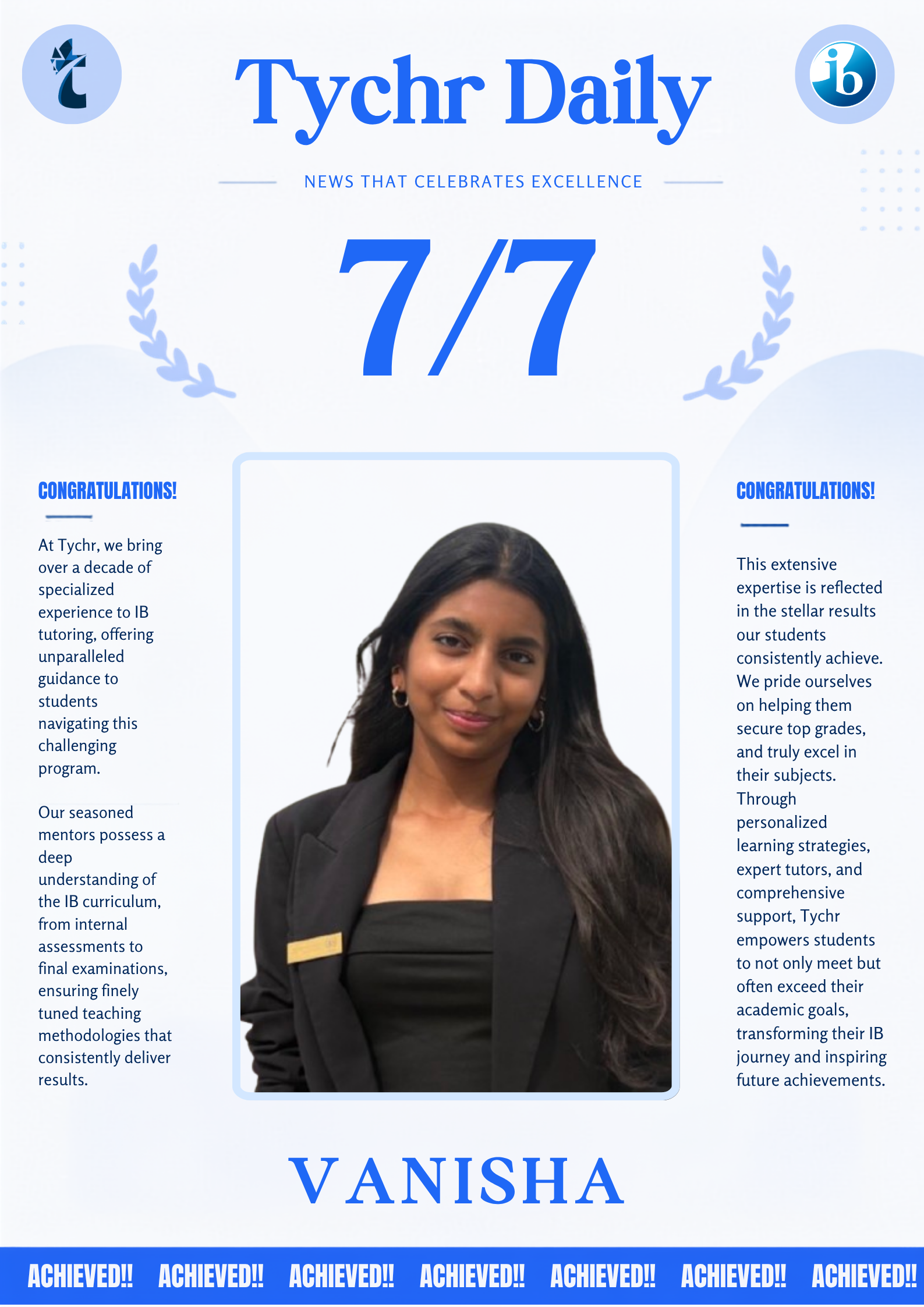
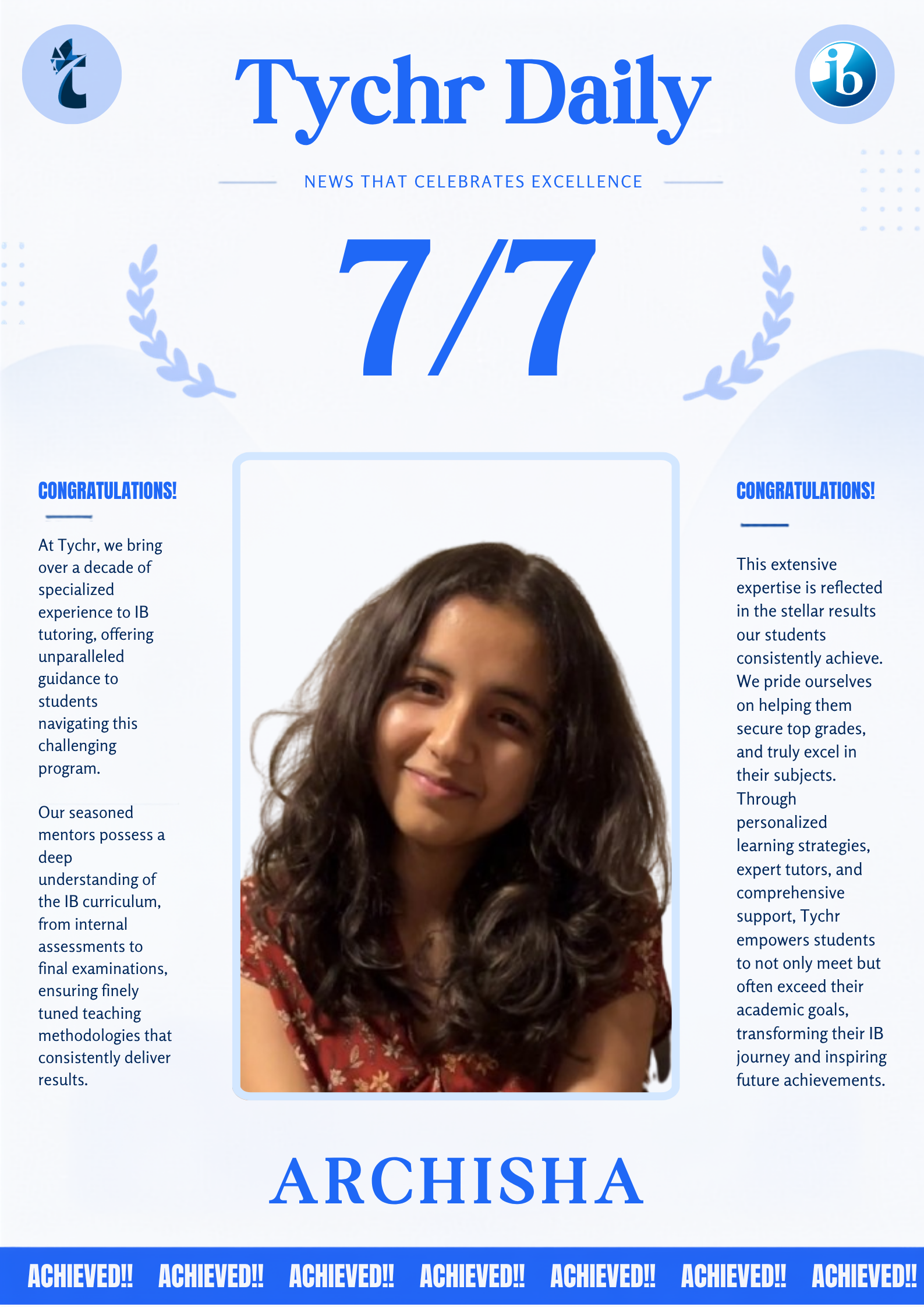
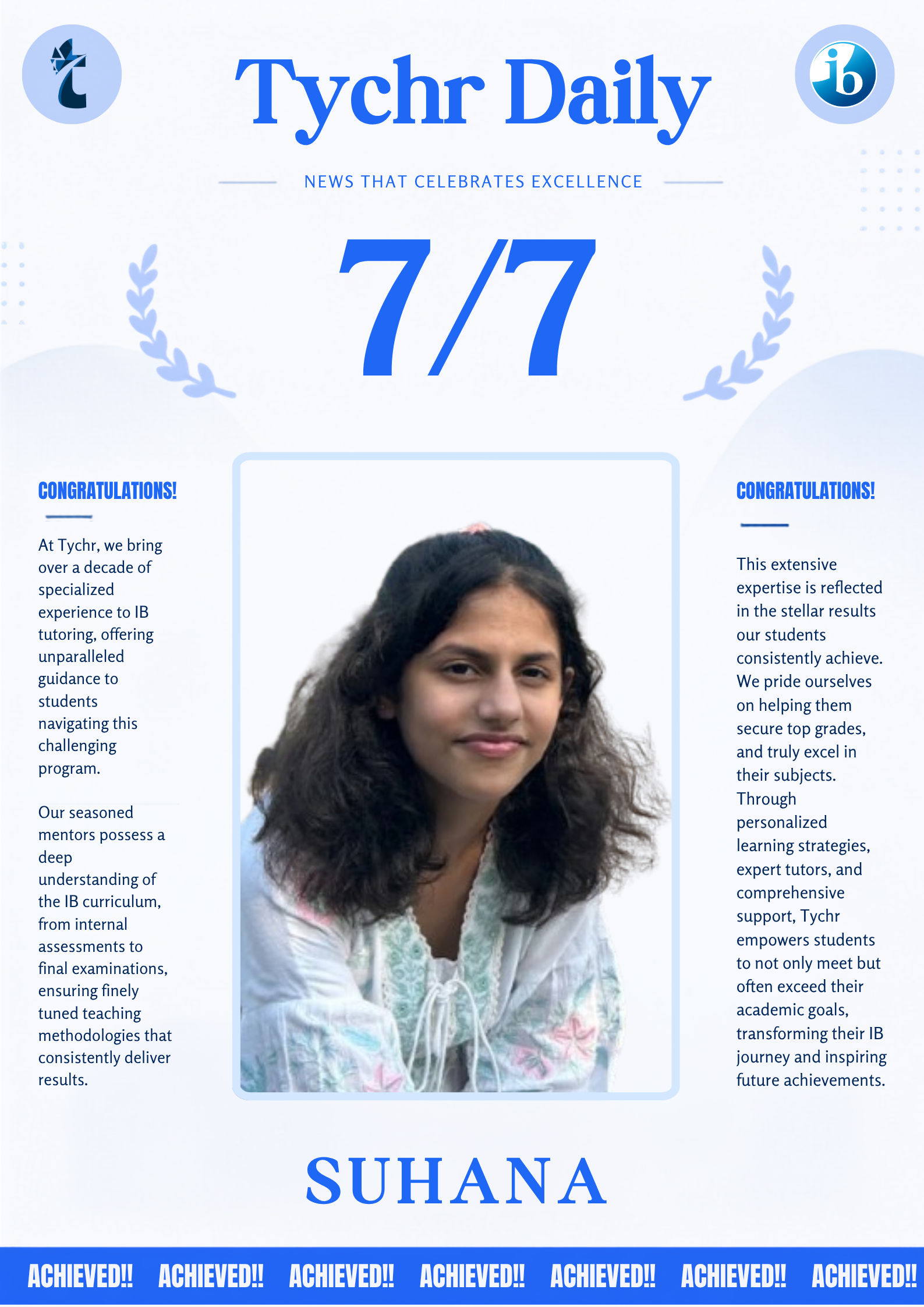
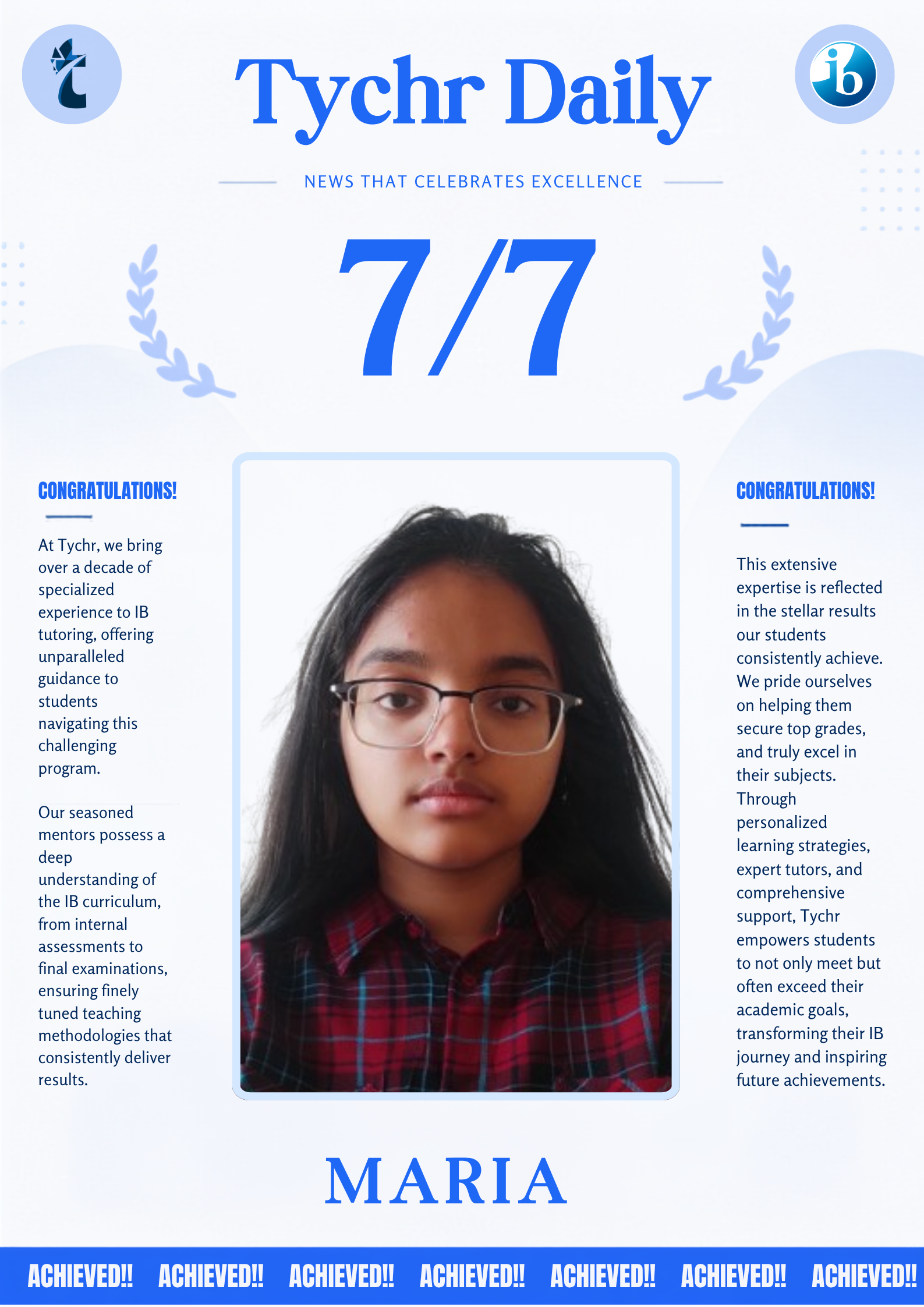
Psychology HL Results That Speak For Themselves
Start your journey with the right guidance.
Our Placements


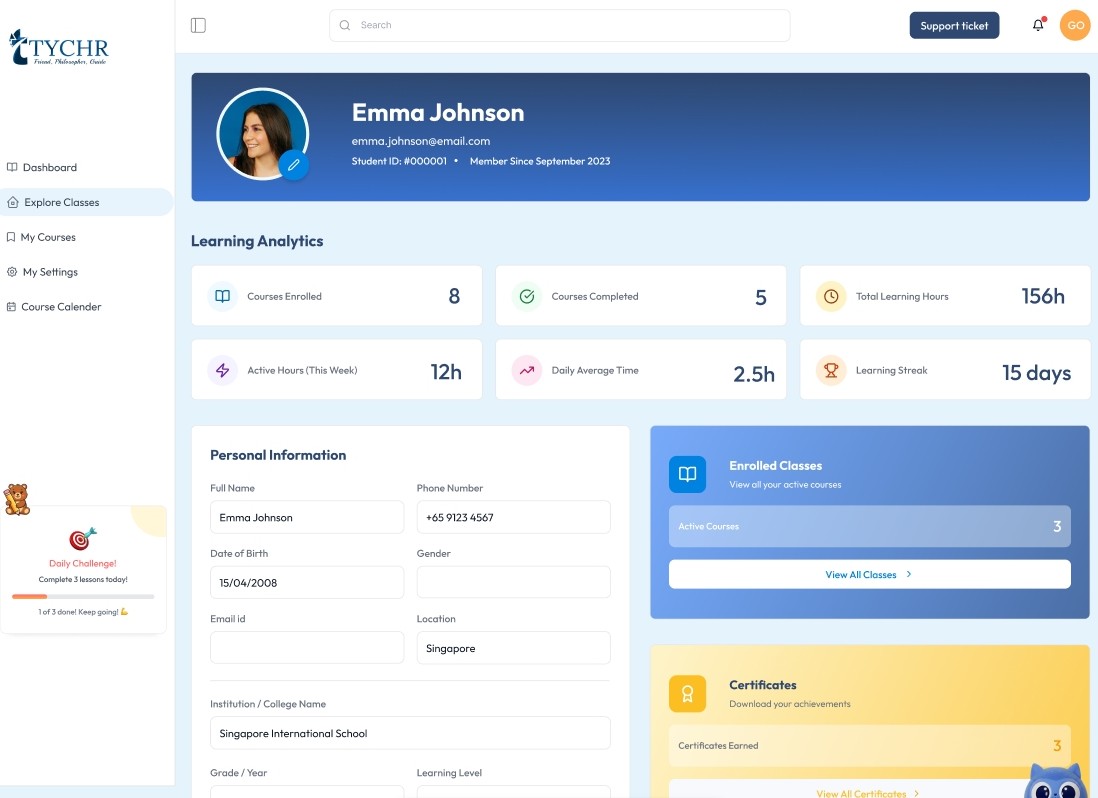
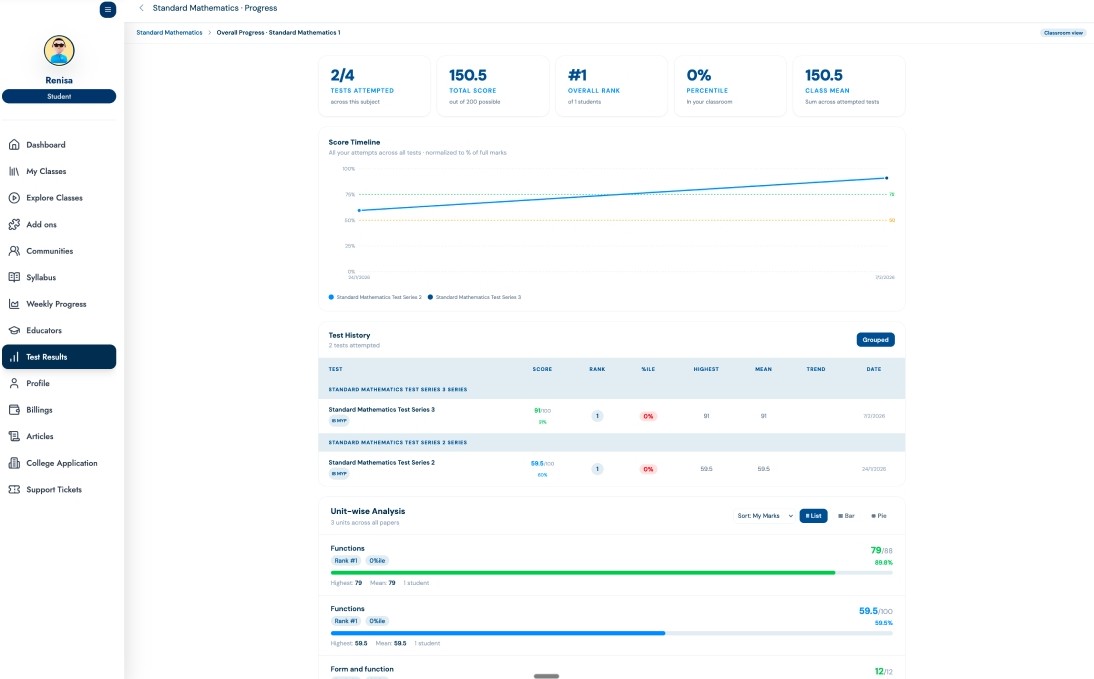
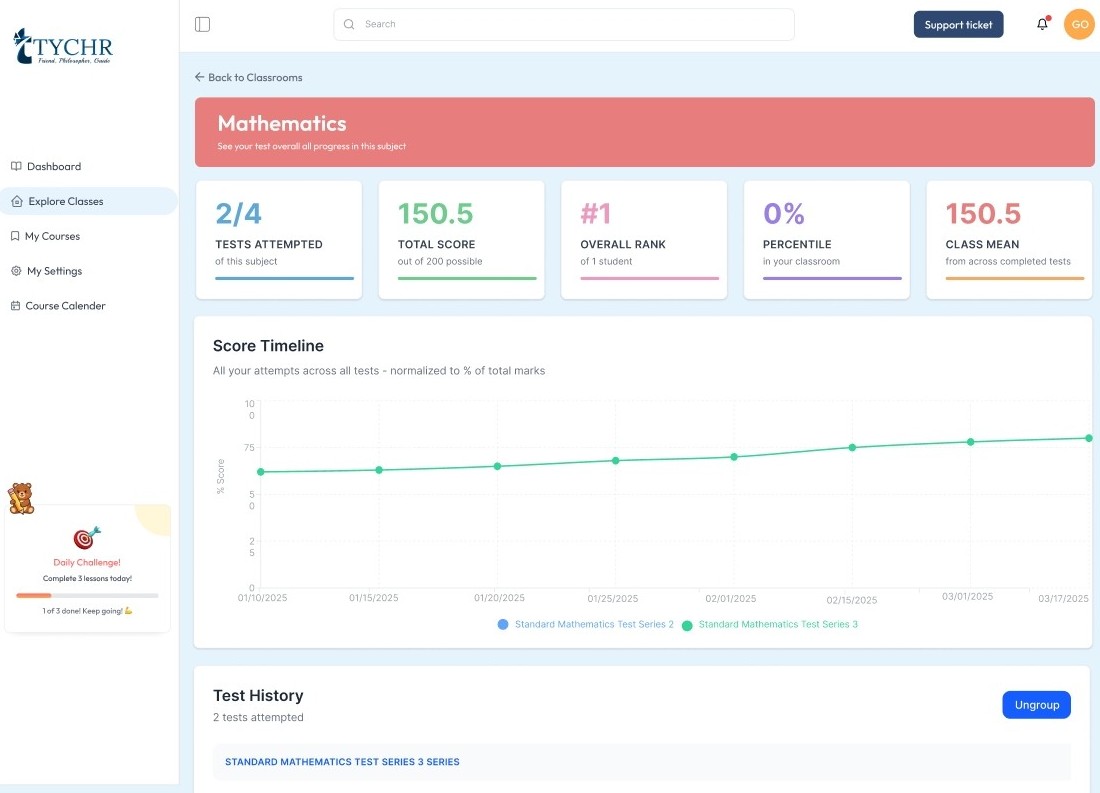
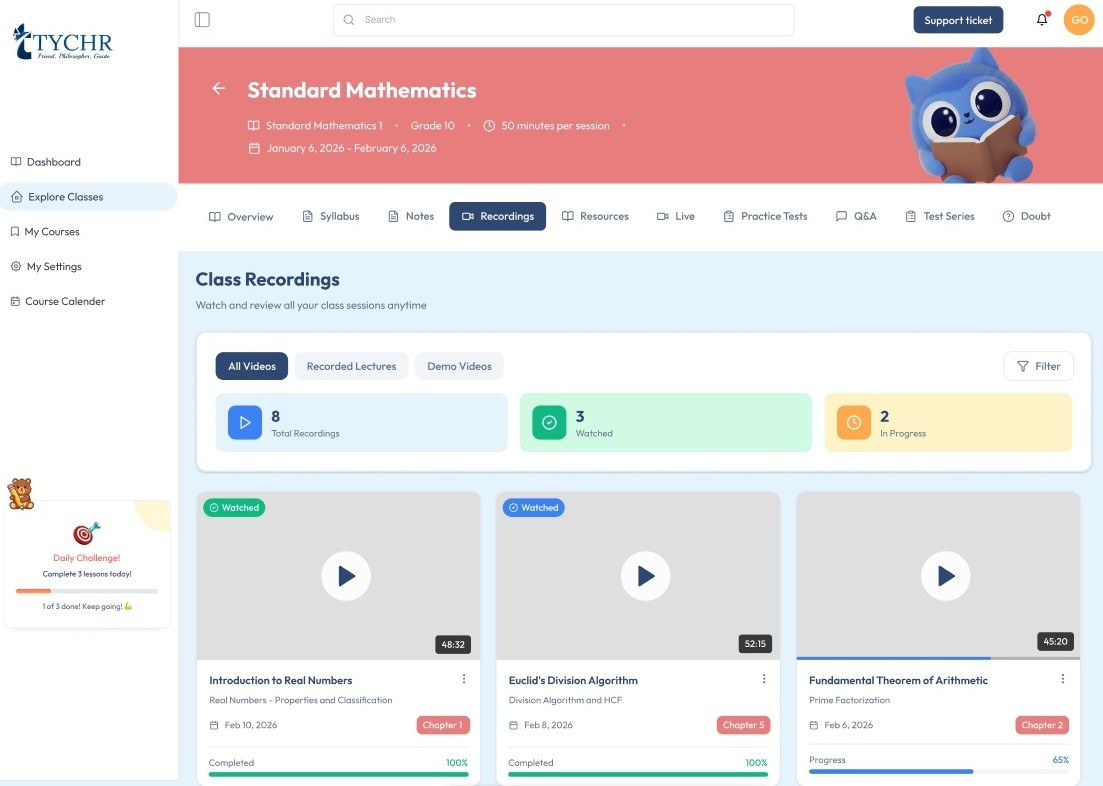
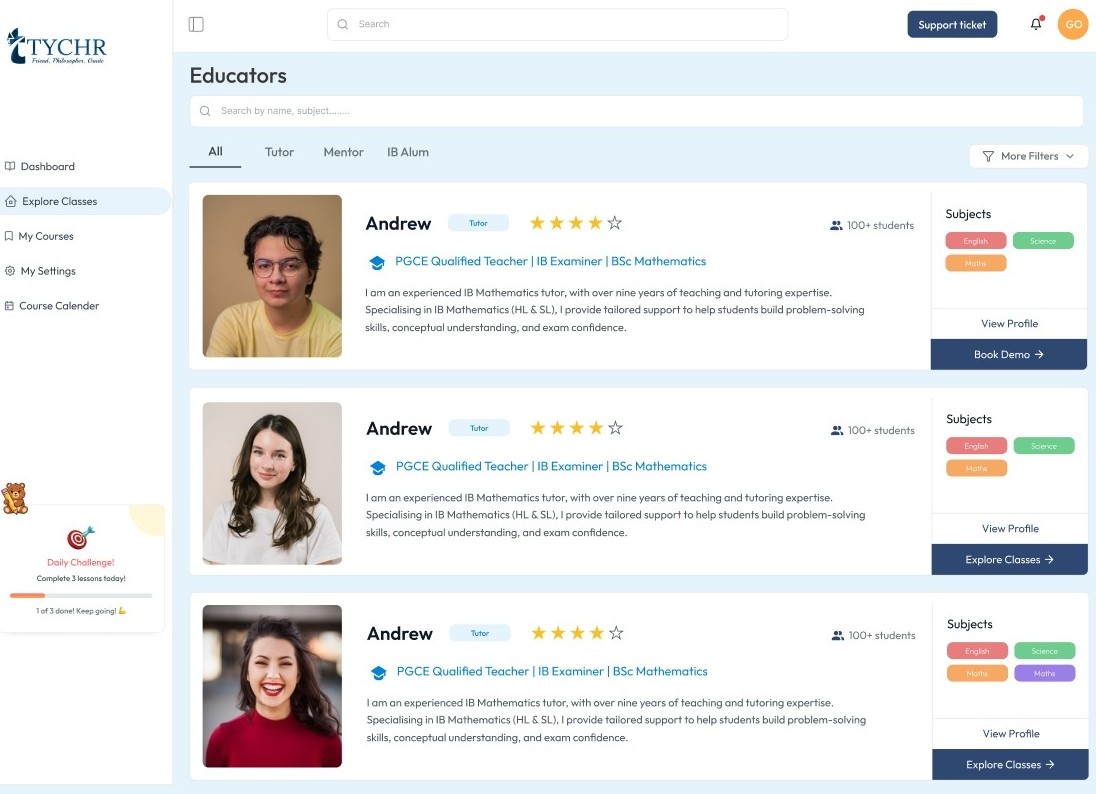
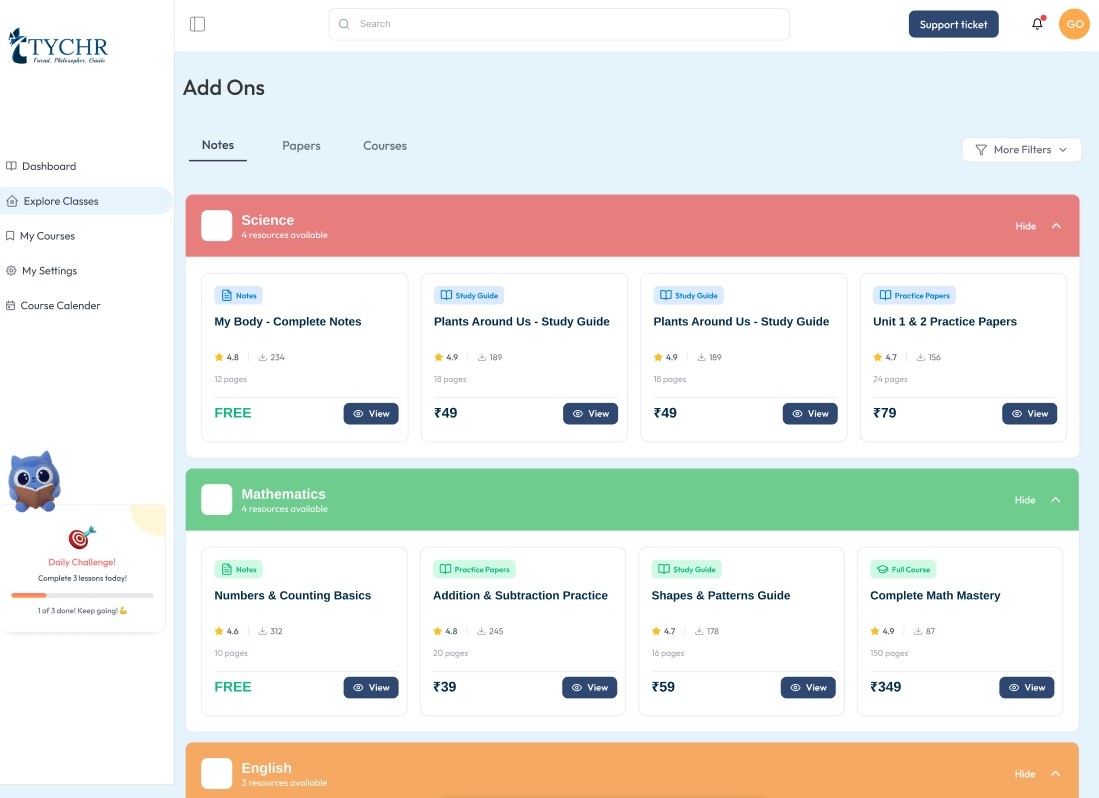
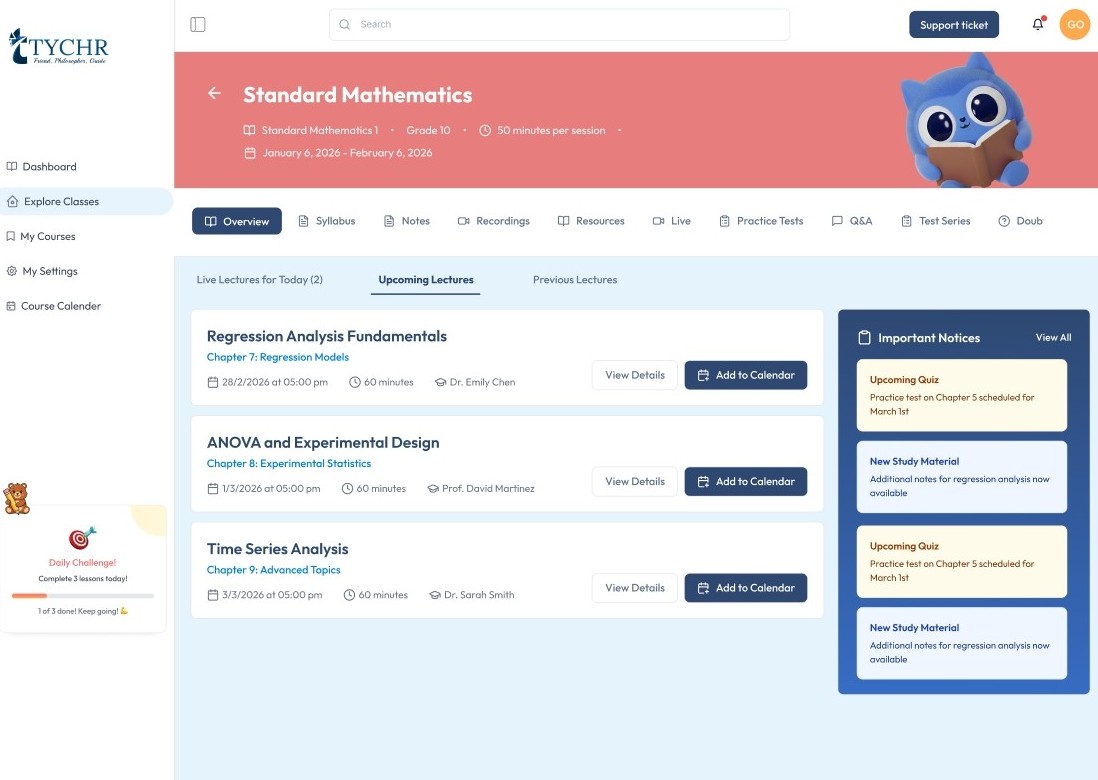
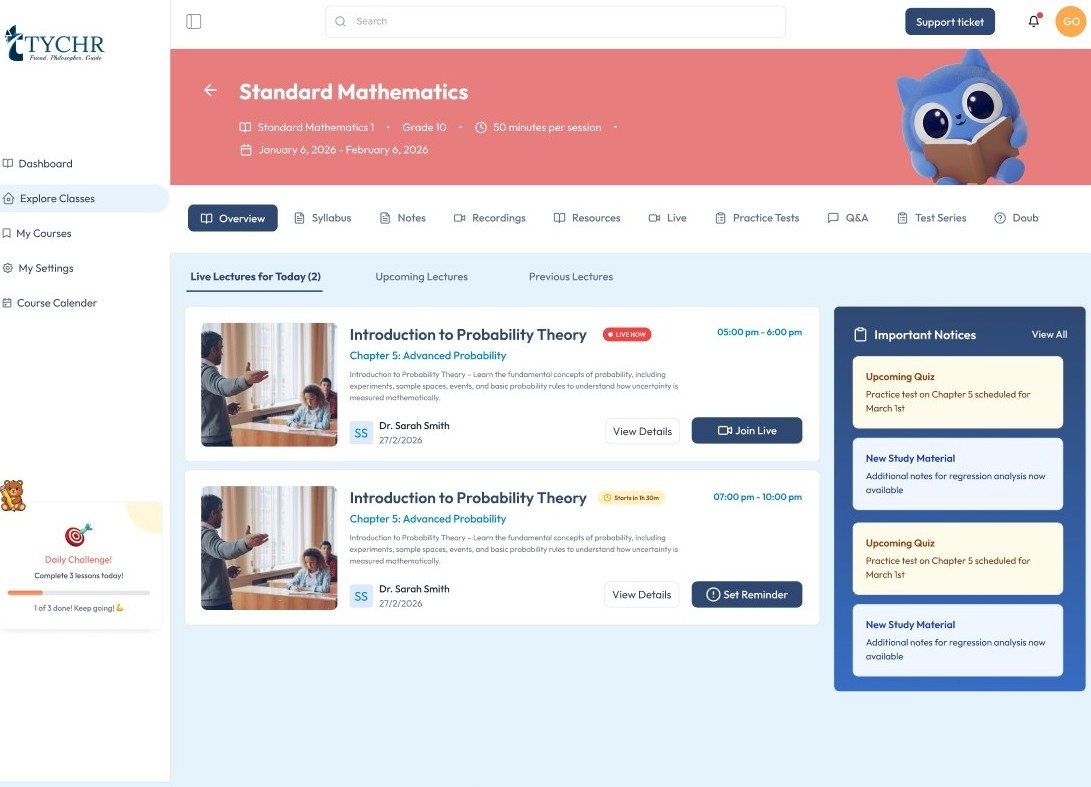
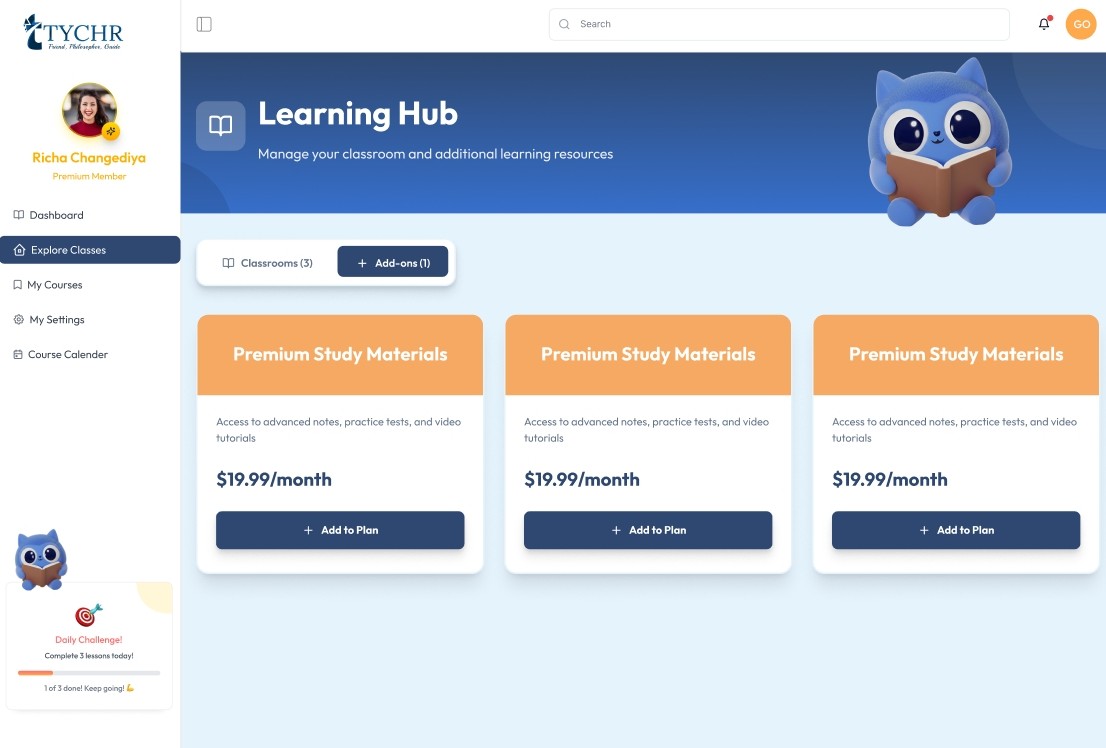
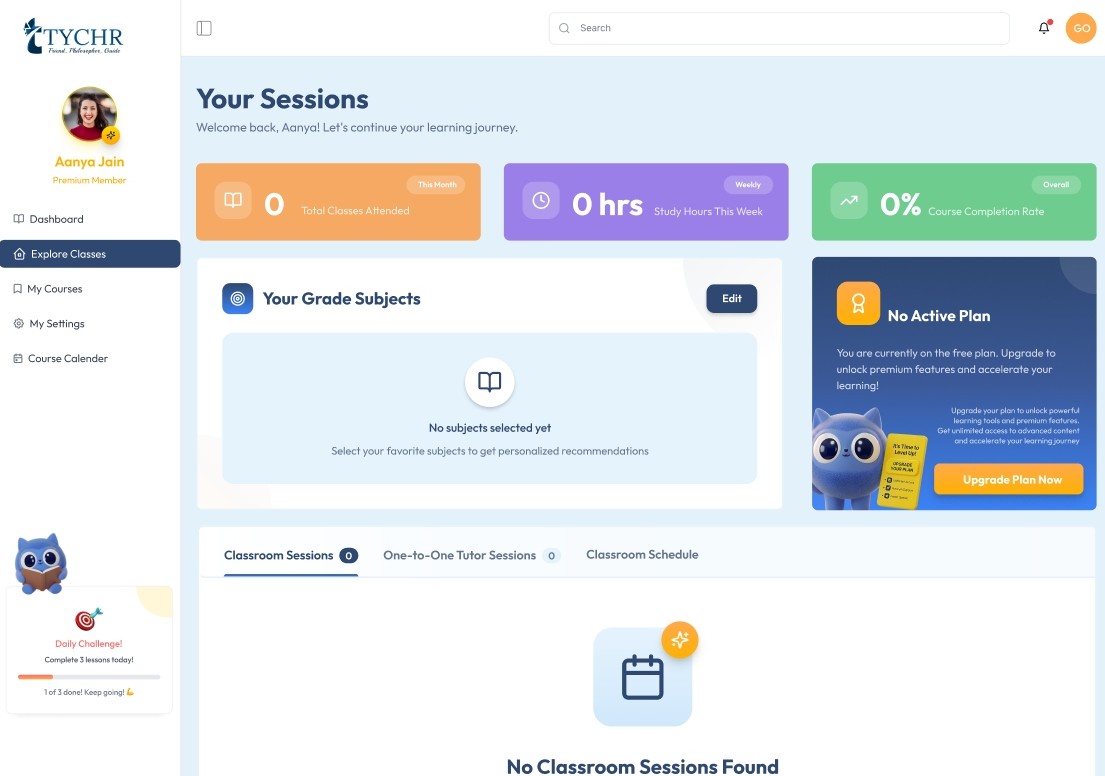
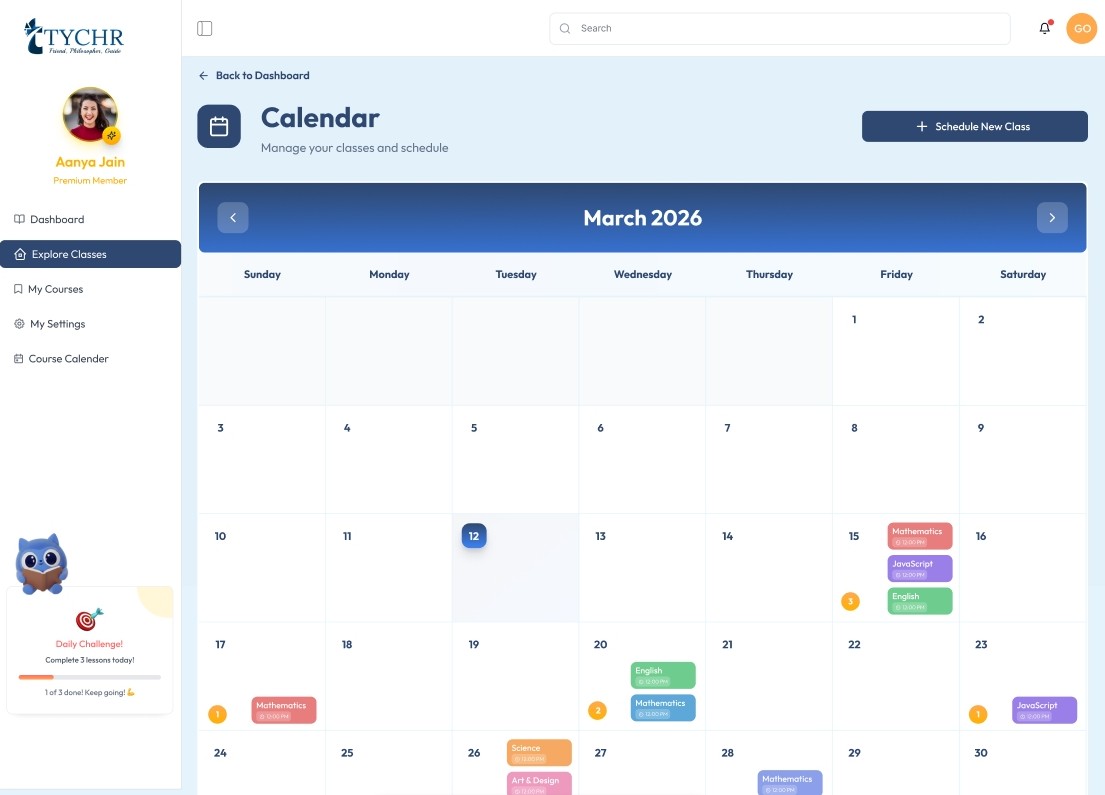
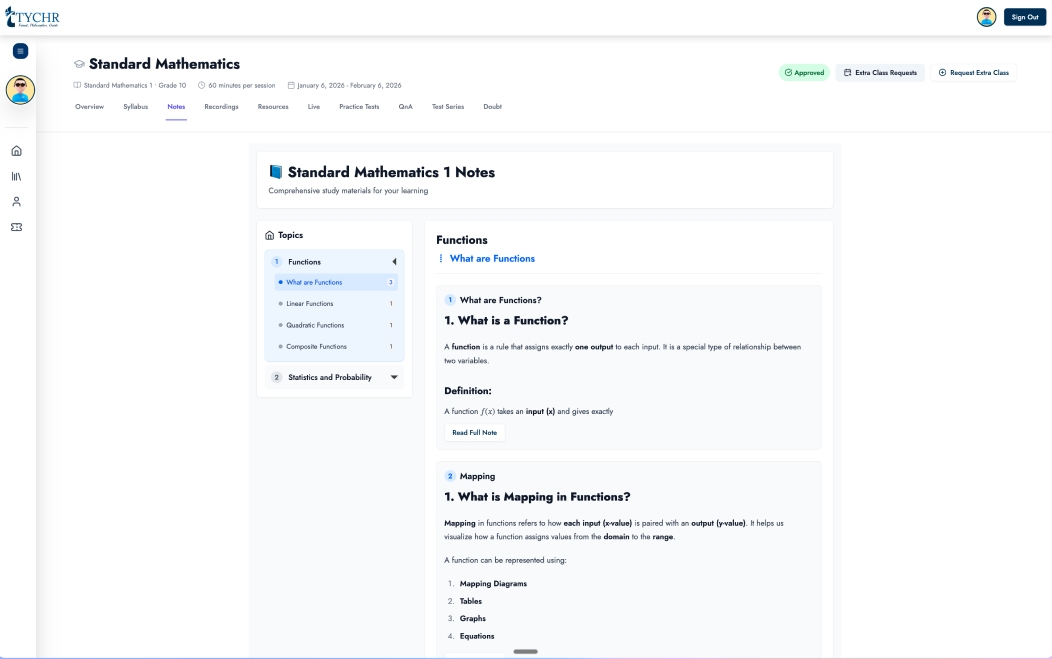
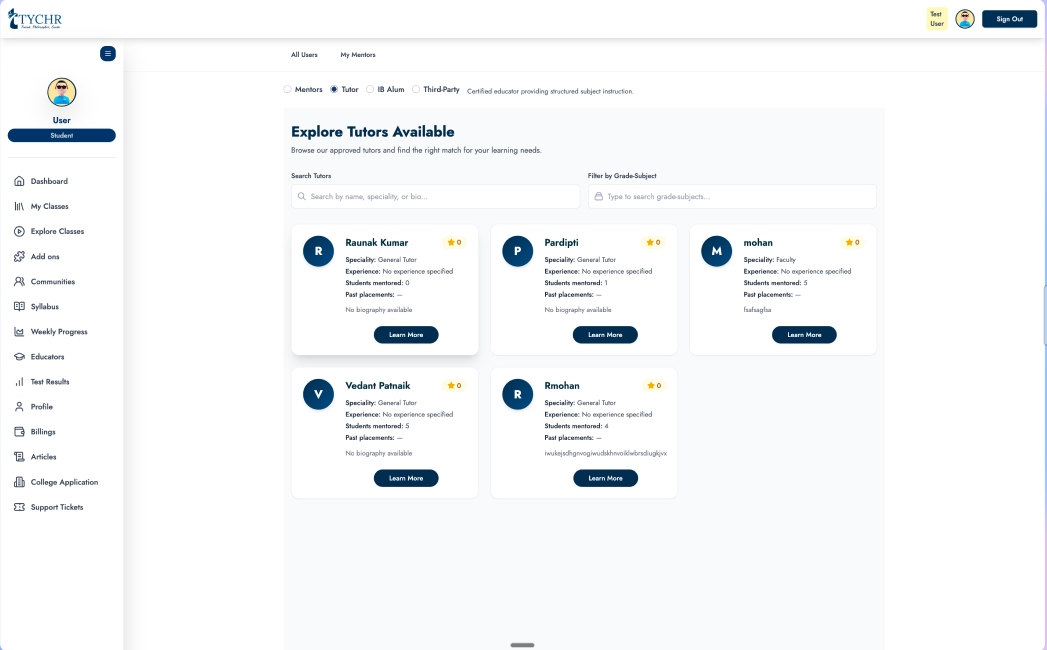
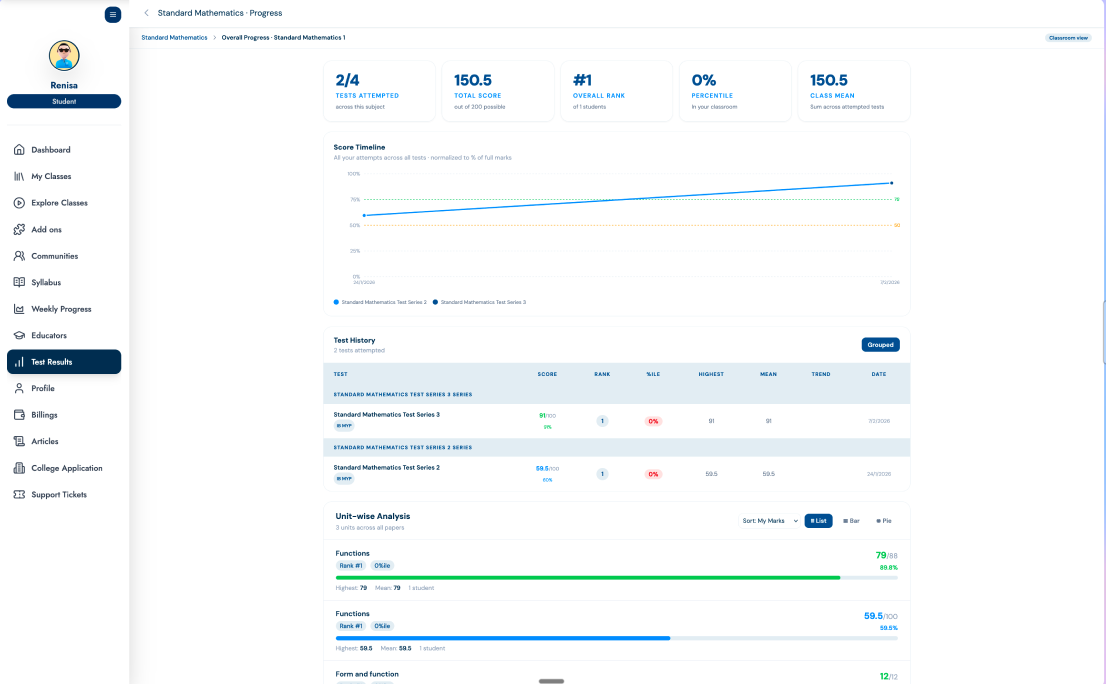
Explore our learning system
A platform designed around how students actually learn — adaptive, intuitive, and always one step ahead.
5000+
Students enrolled
100+
Expert tutors
95%
Satisfaction rate
70+
Countries reached
What Is IB Psychology HL?
Course Structure & Assessment Overview
Course Framework
IB Psychology HL is the systematic study of behavior and mental processes. The course examines human behavior through biological, cognitive, and sociocultural levels of analysis, alongside a specialized option and research methodology. Students develop scientific inquiry, critical evaluation, research design, and evidence-based analytical skills.
240 Hours
Total teaching hours for HL
3 Levels
Biological, Cognitive, & Sociocultural
1 Options
Abnormal, Developmental, Health, or Psychology of Human Relationships
3 Components
Assessment tasks (Papers 1, 2 & IA)
HL Assessment Breakdown
Paper 1 (40%)
Core (Biological, Cognitive, & Sociocultural) SAQs and one ERQ
Paper 2 (20%)
One ERQ on one chosen option
Internal Assessment (20%)
Psychological investigation report based on research and evaluation
HL vs SL — Key Differences
Understanding What Makes Higher Level More Challenging
| Aspect | Higher Level (HL) | Standard Level (SL) | Impact |
|---|---|---|---|
| Teaching Hours | 240 hours | 150 hours | 90 additional hours allow greater depth across core content and the HL curriculum |
| Content Depth | Core levels + HL depth + one option | Core levels + one option | HL requires deeper understanding and more sophisticated application of psychological concepts |
| Assessment Weighting | Paper 1 (40%), Paper 2 (20%), IA (20%) | Paper 1 (50%), Paper 2 (25%), IA (25%) | HL places greater emphasis on examination-based assessment while maintaining a substantial IA component |
| Complexity Expected | Advanced critical evaluation | Core critical thinking | HL demands deeper synthesis, evaluation of research, and application of psychological perspectives |
| Research Skills | Greater research and analytical depth | Foundational research and analysis | HL students develop more advanced skills in evaluating methodology, evidence, ethics, and psychological research |
Why Choose HL?
- Planning to study psychology, neuroscience, or social sciences at university
- Strong interest in the biological and scientific foundations of behavior
- Want to develop advanced critical evaluation and research skills
- Interested in interpreting psychological research and evidence
- Enjoy analyzing human behavior through multiple theoretical lenses
- Want greater depth across biological, cognitive, and sociocultural perspectives
HL Challenges We Address
- Managing the additional curriculum depth and specialized option
- Developing sophisticated critical evaluation of psychological research
- Planning and reporting a rigorous Internal Assessment
- Applying research methods and ethical considerations accurately
- Synthesizing biological, cognitive, and sociocultural perspectives
- Balancing intensive content learning with analytical application
IB Psychology HL Paper 1
Core Level of Analysis — Strategies & Techniques
Time Management & Structural Strategy
01. Question Prioritization (10 mins)
- 1.Spend the first 10 minutes planning your ERQ and mapping out key studies for the SAQs.
- 2.Identify the command term such as 'Discuss', 'Evaluate', or 'Contrast' to determine the required scope of your response.
- 3.Select the strongest studies that provide robust evidence for your theoretical arguments.
02. The ERQ Framework (60 mins)
- 1.Structure the ERQ with a clear thesis that directly addresses the complexity of the prompt.
- 2.Use the GRAVE framework (Generalizability, Reliability, Application, Validity, Ethics) to support rigorous critical evaluation.
- 3.Avoid passive reporting; focus on how research findings support, challenge, or qualify psychological theories.
03. SAQ Execution (50 mins)
- 1.Allocate approximately 15–17 minutes per SAQ to maintain balanced coverage.
- 2.Maintain a direct focus: introduce the relevant theory or concept, describe the study's aim, procedure, and findings, and explicitly connect the evidence to the question.
- 3.Use the final few minutes to proofread for clarity and ensure psychological terminology is used precisely.
What Examiners Reward
Assessors prioritize critical evaluation of psychological research over descriptive summaries. They reward clear understanding of core concepts, precise psychological terminology, and the ability to link research evidence directly to the prompt.
Our tutors evaluate student responses against IB assessment criteria, providing focused feedback on theory application, research evidence, and critical thinking.
The Core Higher Level Challenge
The primary challenge for HL candidates is balancing the breadth of the three core levels of analysis while maintaining depth in critical evaluation, all within the time constraints of Short Answer Questions (SAQs) and one Extended Response Question (ERQ).
Simulated Exam Drills Applied From Session 1IB Psychology HL Paper 2
Extended Response Essay Techniques & Strategies
Essay Structure & Timing
Introduction (10 mins)
- Define the key terms in the prompt clearly
- Introduce the psychological theory or concept
- State a clear thesis that directly answers the prompt
- Briefly identify the research studies you will use
Body Paragraphs (90 mins)
- Begin each paragraph with a clear argument linked to the prompt
- Describe relevant research evidence accurately
- Explicitly connect study findings to the theory or concept
- Critically evaluate methodological strengths, limitations, and implications
- Synthesize the evidence to strengthen the overall argument
Conclusion (20 mins)
- Synthesize the key evidence and evaluation
- Restate your thesis in light of the arguments presented
- Provide a final evaluative judgment on the theory or explanation
- Do not introduce new evidence or arguments
Comparative Approaches
Thematic Integration
Structure the essay around key psychological themes, integrating relevant research and evaluation throughout.
Best for:
Questions linking multiple theories or concepts within an option
Study-Centered Comparison
Examine each explanation with supporting research, then synthesize the similarities, differences, strengths, and limitations.
Best for:
Questions asking you to compare or contrast explanations
Evaluation-Led Strategy
Organize the response around evidence, methodological strengths and limitations, applications, and the overall validity of the explanation.
Best for:
Questions asking you to evaluate or discuss a theory
Top Tips from Our HL Tutors
Select the Right ERQ Prompt
Evaluate the available options carefully. Choose the prompt where you can apply your strongest studies and demonstrate clear, sustained critical evaluation.
Focus on Evaluative Language
Examiners reward critical thinking. Use precise evaluative language to show how evidence supports, challenges, or limits a psychological explanation.
Use Research Studies as Evidence
Avoid generalizations. Support each major argument with relevant research, including the aim, procedure, findings, and conclusion where appropriate.
Link Back to the Question
Keep your analysis focused on the prompt. Do not simply describe a study; explain exactly how its findings support or challenge the psychological concept or theory.
Apply Critical Evaluation
Evaluate research through factors such as generalizability, reliability, application, validity, and ethics to develop balanced and sophisticated arguments.
Avoid 'Dump' Essays
Do not memorize generic essays. Adapt your argument, research evidence, and evaluation to the specific command term and wording of the prompt.
Internal Assessment (IA)
Internal Assessment Coaching, Research Planning & Evaluation Strategies for IB Psychology HL
Preparation Timeline
Weeks 1–2
Research Planning
- ✓Select a focused psychological topic that is feasible, ethical, and suitable for investigation.
- ✓Define a clear research question, aim, and hypothesis where appropriate.
- ✓Review relevant psychological theory and supporting research.
- ✓Plan participants, materials, procedures, and data collection requirements.
Weeks 3–4
Research Design
- ✓Select an appropriate research design and sampling approach.
- ✓Prepare standardized instructions, materials, and procedures.
- ✓Identify relevant variables and controls where applicable.
- ✓Address ethical considerations, informed consent, and participant protection.
Weeks 5–6
Data Collection & Analysis
- ✓Conduct the investigation using a consistent and ethical procedure.
- ✓Record and organize findings accurately.
- ✓Apply appropriate methods of data analysis.
- ✓Present findings clearly using suitable tables, graphs, and supporting explanations.
Weeks 7–8
Report Writing & Refinement
- ✓Develop a clear report structure that communicates the investigation and findings.
- ✓Interpret results in relation to the research question and relevant psychological theory.
- ✓Evaluate methodological strengths, limitations, ethical considerations, and implications.
- ✓Review academic writing, referencing, formatting, and IB assessment requirements.
Presentation Structure
Research Context
~20%Introduce the psychological context, relevant theory and research, research question, and aim or hypothesis.
Research Design
~20%Explain the research design, participants, materials, procedure, variables, controls, and ethical considerations.
Results & Analysis
~25%Present and analyze the collected data using appropriate methods, tables, graphs, and interpretation.
Evaluation & Conclusion
~35%Evaluate the investigation, interpret findings, discuss limitations and implications, and suggest relevant improvements.
How It Works
Research Topic Guidance
Receive support in selecting a focused, feasible, and ethically appropriate psychology investigation.
Research Design Support
Develop a reliable methodology with appropriate variables, sampling methods, controls, and standardized procedures.
Data Analysis Coaching
Learn how to organize, analyze, and interpret your findings using appropriate analytical methods.
Criterion-Based IA Feedback
Receive detailed feedback aligned with the official IB Psychology Internal Assessment criteria.
Ethics & Research Guidance
Ensure your investigation addresses ethical standards, informed consent, participant protection, and responsible research practices.
Scientific Report Review
Improve report structure, academic writing, evidence integration, referencing, and overall presentation before submission.
Theory & Study Application Strategies
Master Both Conceptual & Research Approaches for IB Psychology HL
Theoretical Knowledge Strategies
For Paper 1 and Paper 2 — building deep mastery of core theories and research
Level of Analysis Map
Develop a structured map to categorize theories and studies by their level of analysis
- Bio: Brain structure, hormones, genetics
- Cog: Memory models, schemas, thinking & decision making
- Soc: Social identity, cultural norms, social cognition
Study Synthesis Bank
Build a database of high-utility studies for each core level of analysis
- Organize by aim, procedure, results, and conclusion
- Memorize 3-5 versatile studies per core topic
- Practice linking studies to multiple exam prompts
- Prepare evaluation points for each key study
Critical Evaluation Framework
Develop a structured framework for evaluating psychological research critically
- Generalizability: Sample characteristics and ecological validity
- Reliability: Methodology and replicability
- Application: Real-world relevance
- Validity: Internal, external, and construct validity
- Ethics: Protection from harm and informed consent
Research Method Strategies
For Internal Assessment — designing, conducting, and evaluating psychological research
Research Design Analysis
- 1.Identify the research method most appropriate for your investigation
- 2.Determine the independent, dependent, and controlled variables where applicable
- 3.Select an appropriate sampling approach
- 4.Consider ethical requirements and participant protection
Methodological Quality
- 1.Use standardized procedures to improve consistency
- 2.Control relevant variables where possible
- 3.Identify potential sources of bias
- 4.Record observations and data accurately
Research Evaluation
- 1.Evaluate strengths and limitations of the investigation
- 2.Connect methodological choices to the reliability of findings
- 3.Consider ethical and practical implications
- 4.Suggest realistic improvements to the research design
Bridging Theory & Research
The evaluative skills you develop for core theories transfer directly to your Internal Assessment. Our tutoring helps you build a flexible framework that integrates conceptual mastery, research skills, and scientific rigor.
Weekly Practice Routine
One-to-One vs Group Tutoring
Choose Your Ideal Learning Format for the IB Diploma Programme
One-to-One Tutoring
Tailored, High-Impact Learning
- ✓Personalized curriculum pacing: Focus directly on your specific SL/HL syllabus needs.
- ✓Targeted weak-area remediation: Deep-dive into challenging topics and command terms.
- ✓1-on-1 Internal Assessment (IA) guidance: Tailored mentoring through rubric criteria.
- ✓Customized past paper practice: Detailed, line-by-line mark scheme breakdown.
- ✓Flexible scheduling: Adapt session timings around your school calendar and deadlines.
- ✓Direct mark-scheme feedback: Actionable critiques to push your boundaries toward a Grade 7.
Group Tutoring
Interactive & Collaborative Learning
- ✓Small cohort learning: Learn alongside 3–5 peers studying the same subject and level.
- ✓Collaborative problem-solving: Benefit from diverse perspectives and peer discussions.
- ✓Structured weekly syllabus roadmap: Consistent, steady coverage of core IB topics.
- ✓Shared past paper walkthroughs: Master IB exam techniques and mark schemes together.
- ✓Cost-effective mastery: Premium IB tutoring at a lower per-session rate.
- ✓Peer motivation & accountability: Stay on track alongside fellow IB diploma candidates.
Not sure which format works best? Book a free consultation to discuss your IB tutoring needs
Book Free ConsultationGrade Improvements — Psychology HL Score Results
From Students

Mishti
IBDP Psychology HL

Sarah
IBDP Psychology HL

Adaa
IBDP Psychology HL

Sana
IBDP Psychology HL
Free IB Psychology HL Resources
Notes, Essay Guides & Past Papers
Complete HL Resource Library Access
All enrolled IB Psychology HL students receive free access to our comprehensive digital library, updated with new exemplars, research guides, and study notes.
600+
Study Resources
10
Years of Papers
100+
Core Studies
24/7
Access
Topic Study Guides
Comprehensive guides for mastering biological, cognitive, and sociocultural levels of analysis
- ✓Core theory summaries
- ✓Key study flashcards
- ✓Level of analysis frameworks
Essay Writing Templates
Structured templates for Paper 1 and Paper 2 with model ERQ and SAQ responses
- ✓Critical evaluation frameworks
- ✓Command term strategies
- ✓Study synthesis frameworks
Past Paper Collection
Official IB past papers with mark schemes and detailed examiner reports
- ✓Paper 1 & 2 sets
- ✓Specimen papers
- ✓Grade 7 exemplars
IA Examples Database
High-scoring Internal Assessment exemplars with research and evaluation breakdowns
- ✓Annotated high-scoring reports
- ✓Research topic selection guides
- ✓Data analysis walkthroughs
Research Methods Resources
Complete resource bank for psychological research methods and ethical considerations
- ✓Research design guides
- ✓Experimental study resources
- ✓Ethical guideline checklists
Psychology Term Glossary
Comprehensive glossary of psychological theories, researchers, and scientific terms
- ✓300+ key terms & theories
- ✓Study-theory links
- ✓Methodology terminology
Recommended Core Studies List
Psychological Analysis Support Across All Topics
Popular HL Study Choices by Level of Analysis
Biological Level
Neurotransmitters & Behavior
by Various Researchers
Key themes: Synaptic transmission, Behavior, Brain function
Hormones & Pheromones
by Various Researchers
Key themes: Endocrine system, Behavior, Physiology
Genetics & Behavior
by Various Researchers
Key themes: Inheritance, Evolution, Behavior
Localization of Function
by Various Researchers
Key themes: Brain structure, Mapping, Behavior
Brain Imaging Techniques
by Various Researchers
Key themes: Technology, Ethics, Research methods
Cognitive Level
Models of Memory
by Various Researchers
Key themes: Encoding, Storage, Retrieval
Schema Theory
by Various Researchers
Key themes: Cognitive framework, Memory distortion, Encoding
Thinking & Decision Making
by Various Researchers
Key themes: Heuristics, Biases, Logic
Reliability of Memory
by Various Researchers
Key themes: Reconstructive memory, Eyewitness testimony, Distortion
Emotion & Cognition
by Various Researchers
Key themes: Flashbulb memory, Cognitive appraisal, Interaction
Sociocultural Level
Social Identity Theory
by Various Researchers
Key themes: Social categorization, In-groups, Out-groups
Social Cognitive Theory
by Various Researchers
Key themes: Observational learning, Self-efficacy, Behavior
Stereotypes
by Various Researchers
Key themes: Formation, Impact, Prejudice
Culture & Behavior
by Various Researchers
Key themes: Cultural norms, Enculturation, Acculturation
Internal Assessment & Research
Experimental Design
by Various Researchers
Sampling & Participants
by Various Researchers
Ethical Considerations
by Various Researchers
Data Analysis
by Various Researchers
Our Psychology Analysis Support
Comprehensive frameworks tailored directly to the IB Psychology HL curriculum
Study Selection Guidance
Help identifying studies that provide strong evidence and support effective critical evaluation.
Study Analysis Sessions
In-depth analysis of Aim, Procedure, Results, and Conclusion for core psychological studies.
Critical Evaluation
Explore ethical guidelines, methodological limitations, and cultural influences to strengthen psychological evaluation.
Theoretical Synthesis
Identify connections between theories and studies for Paper 2, building sophisticated and integrated arguments.
Core Psychological Debates
Explore scientific inquiry, reductionism vs. holism, and nature vs. nurture debates across the core levels of analysis.
Essay & Terminology Mastery
Build study banks, master terminology, and learn how to integrate study evidence effectively into ERQs.
Mock Exam Sessions & Written Feedback
Practice Makes Perfect for All HL Assessments
Mock Exam/IA Process
Pre-Mock Preparation
- Submit your IA research question and methodology plan
- Receive preliminary feedback on study feasibility
- Refine your experimental design and materials
- Review ethical guidelines and participant procedures
Mock Exam Session
- Complete a timed Paper 1 or Paper 2 under exam conditions
- Simulate full ERQ and SAQ responses
- Review your application of psychological theories and studies
- Receive immediate initial impressions from your tutor
Detailed Feedback
- Written report with IB criterion-by-criterion analysis
- Predicted score with justification
- Specific areas for improvement in critical evaluation
- Recommended changes to study analysis or essay structure
Refinement Session
- Review feedback together
- Practice improved critical evaluation points
- Clarify theoretical or methodological misunderstandings
- Final confidence-building tips
Written Assignment Feedback
Paper 1 & 2 Practice
✓ Criterion-based marking
✓ Strengths and weaknesses
✓ Model ERQ/SAQ examples
✓ Time management notes
IA Drafts
✓ IA design and feasibility
✓ Methodology and evaluation
✓ Ethical alignment check
✓ Data analysis feedback
Exam Prep Essays
✓ Theory synthesis clarity
✓ Study evidence integration
✓ Logical flow and structure
✓ Critical evaluation refinement
Why Mock Practice Matters
Reduce Exam Anxiety
Familiarity with exam conditions significantly reduces stress and improves performance on the actual day.
Identify Weak Spots Early
Discover areas needing improvement weeks before finals, giving you time to address them systematically.
Perfect Your Timing
Learn to allocate time effectively across ERQs and SAQs, avoiding incomplete responses.
Build Confidence
Multiple practice sessions create muscle memory for exam performance, boosting your self-assurance.
Expert Feedback
Receive detailed, criterion-based feedback from experienced IB Psychology tutors who understand marking.
What students say
“I have never learned Psychology this effortlessly. The concepts were explained in a way that connected everything together, making every session clear, engaging, and worthwhile.”

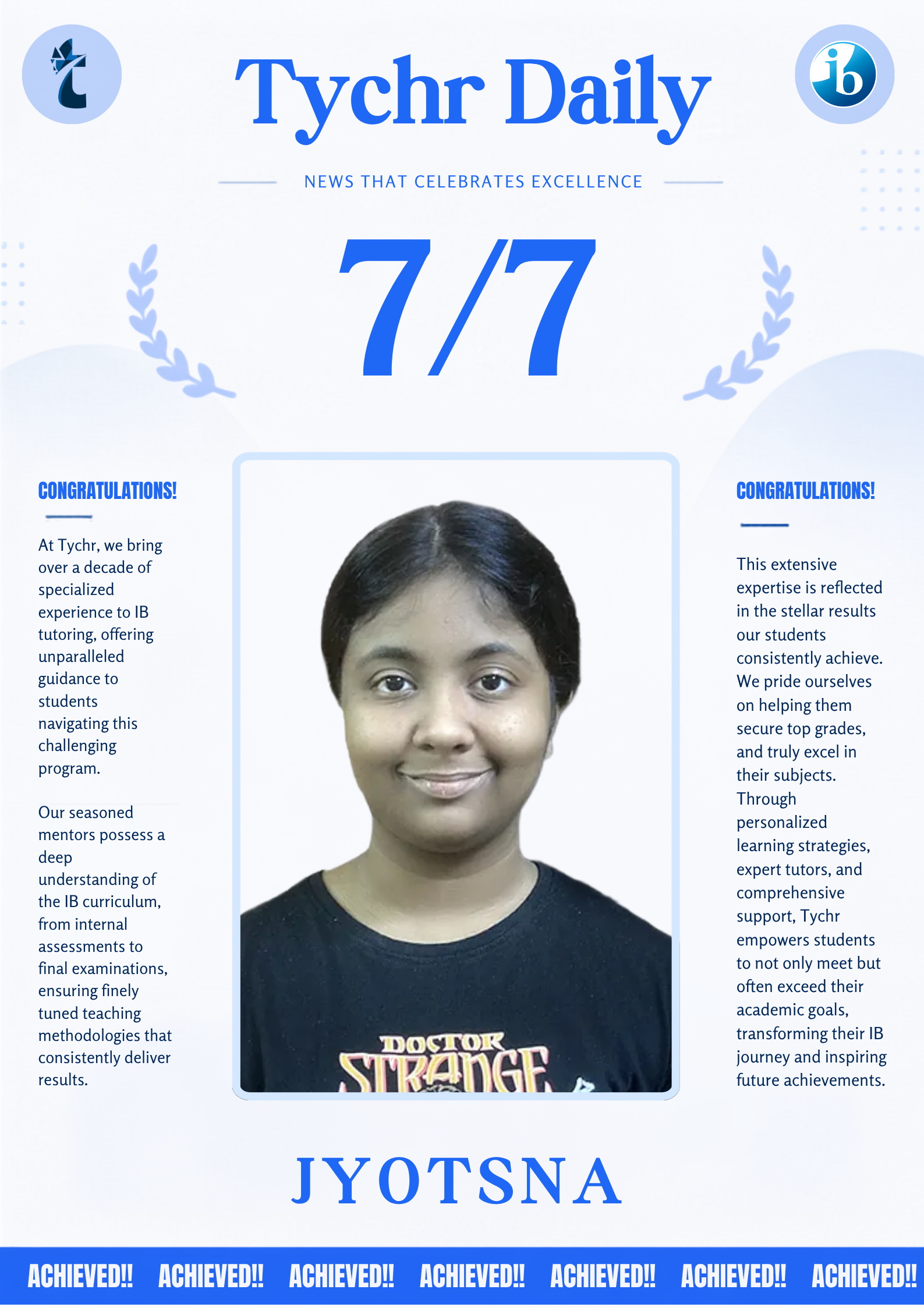
Jyotsna
IBDP Psychology HL
“The sessions helped me understand psychological studies and evaluation much better. I became more confident with Paper 1 and Paper 2 essays and started approaching questions more strategically.”

Adietya
IBDP Psychology HL
“My tutor made research methods and the IA much easier to understand. The feedback on my answers was detailed and practical, and I felt much more prepared for my Psychology HL exams.”

Aanchal
IBDP Psychology HL
Frequently Asked Questions
Everything About IB Psychology HL Tutoring
Our tutors break down core psychological theories, localization of brain function, and cultural influences using structured evaluation frameworks.
Yes, we provide targeted drills on quantitative/qualitative research methods, sampling techniques, ethical considerations, and statistical analysis.
We train students on structuring critical evaluations of studies, integrating biological/cognitive/sociocultural arguments, and applying command terms accurately.
Absolutely. All sessions cover core approaches, chosen options, qualitative research methods, and advanced HL research ethics comprehensively.
Yes, we help students replicate a published experiment, write up standardized lab reports, and analyze data using descriptive and inferential statistics.
We teach the CRACK (Credibility, Generalizability, Researcher bias, Applicability, Construct validity) framework to ensure deep, critical essay evaluation.
Is IB Psychology HL Worth It?
University Goals & Subject Value
Why Universities Value IB Psychology HL
Advanced Scientific Literacy
HL demonstrates the ability to critically evaluate psychological research, apply theories to real-world scenarios, and think analytically about human behavior.
Independent Research Skills
The Internal Assessment (IA) demonstrates independent research design, data collection, analysis, and scientific reporting skills.
Holistic Behavioral Insight
Exposure to biological, cognitive, and sociocultural perspectives provides a holistic understanding of human behavior valued across diverse academic and professional fields.
University Pathways Where Psychology HL Matters
Psychology (BSc/BA)
Direct preparation for understanding human behavior, psychological theories, and research
Medicine & Neuroscience
Foundational knowledge of biological, cognitive, and social factors affecting human behavior and health
Sociology & Social Work
Understanding individual and group behavior is central to social research and intervention
Human Resources & Business
Understanding motivation, group dynamics, decision-making, and leadership supports modern management
Criminology
Understanding psychological development, social cognition, and behavior is valuable in legal and criminological contexts
Education & Teaching
Learning theories, memory, cognition, and social behavior provide valuable foundations for education
The HL Advantage in Admissions
Psychology HL strengthens your university application by showcasing your ability to evaluate research, connect psychological theories to real-world behavior, and develop logical, evidence-based arguments.
- Shows commitment to challenging academic coursework
- Demonstrates critical evaluation of empirical research
- Provides a strong foundation for research-focused university degrees
- Develops structured, evidence-based essay writing skills
- Builds research, data analysis, and scientific reporting skills
96%
First Choice University
82%
Russell Group / Ivy+
$3.1M
Scholarships Won
100%
University Acceptance
Book Your Psychology HL Tutor Today
Start Your Journey to Psychology HL HL Excellence in 3 Simple Steps
Choose Your HL Tutor
Browse our expert Psychology HL tutor profiles and select one who matches your literary interests and learning goals.
Schedule Free Trial
Book your complimentary 60-minute session to discuss your texts, goals, and current challenges—no commitment.
Start Literary Analysis
Begin your personalized HL journey with close reading, essay coaching, and comprehensive exam preparation.