Certified IB History HL Tutors in Global to Help You Achieve 7/7 Across All Components
IB History HL is one of the most assessment-diverse IB subjects, featuring distinct assessment components that each require a specialized analytical approach.

GULIA
43/45
TANISHA
43/45
ADAA
43/45
RUSHIL
45/45
ESHAAN
42/45
VISHAAL
43/45Start your journey with the right guidance.
Your information is kept private and never shared with third parties.
+1.8
Average grade improvement
91%
Students score 6 or 7
600+
History HL students tutored
4.9/5
Average tutor rating
History HL Results That Speak For Themselves
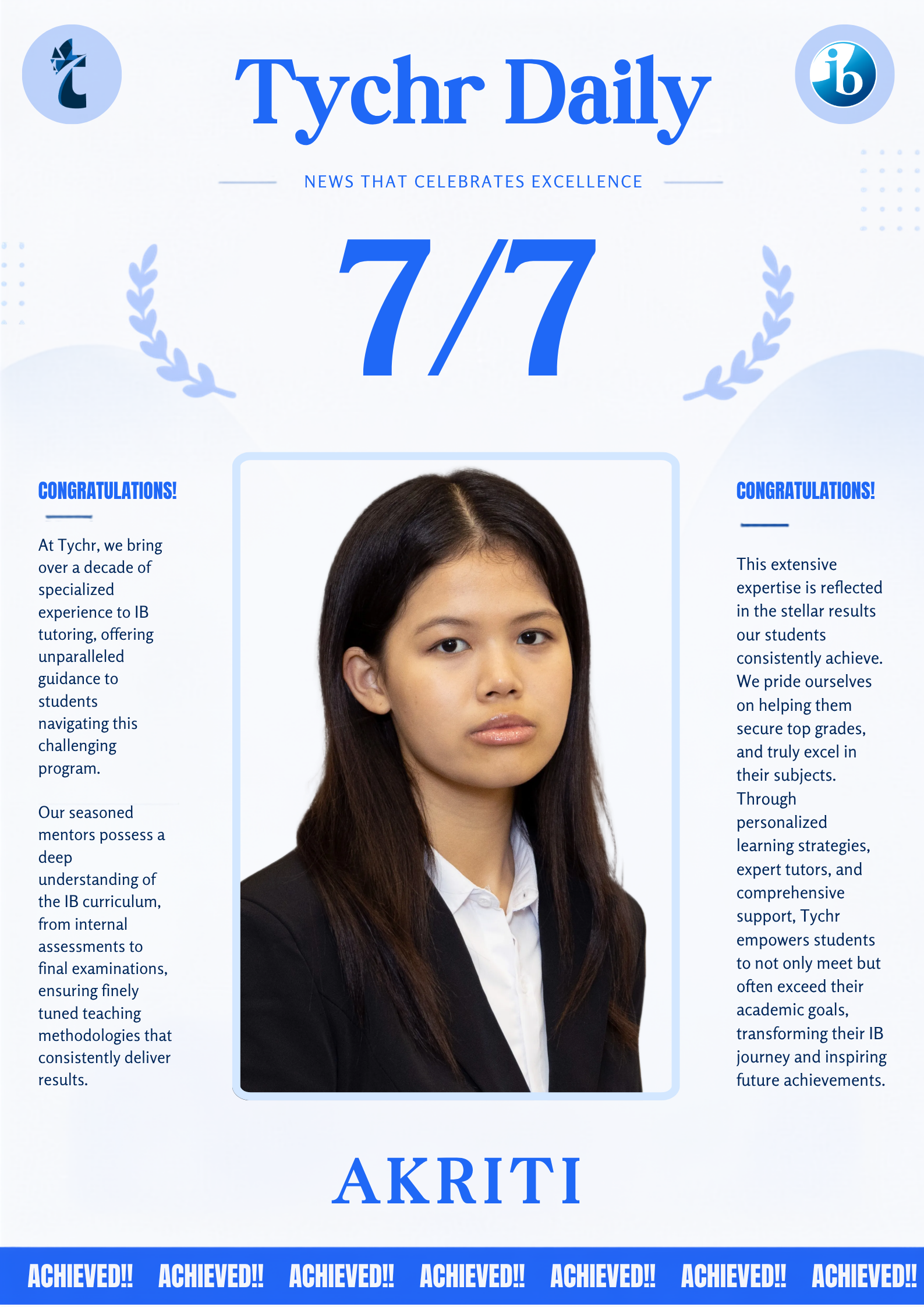




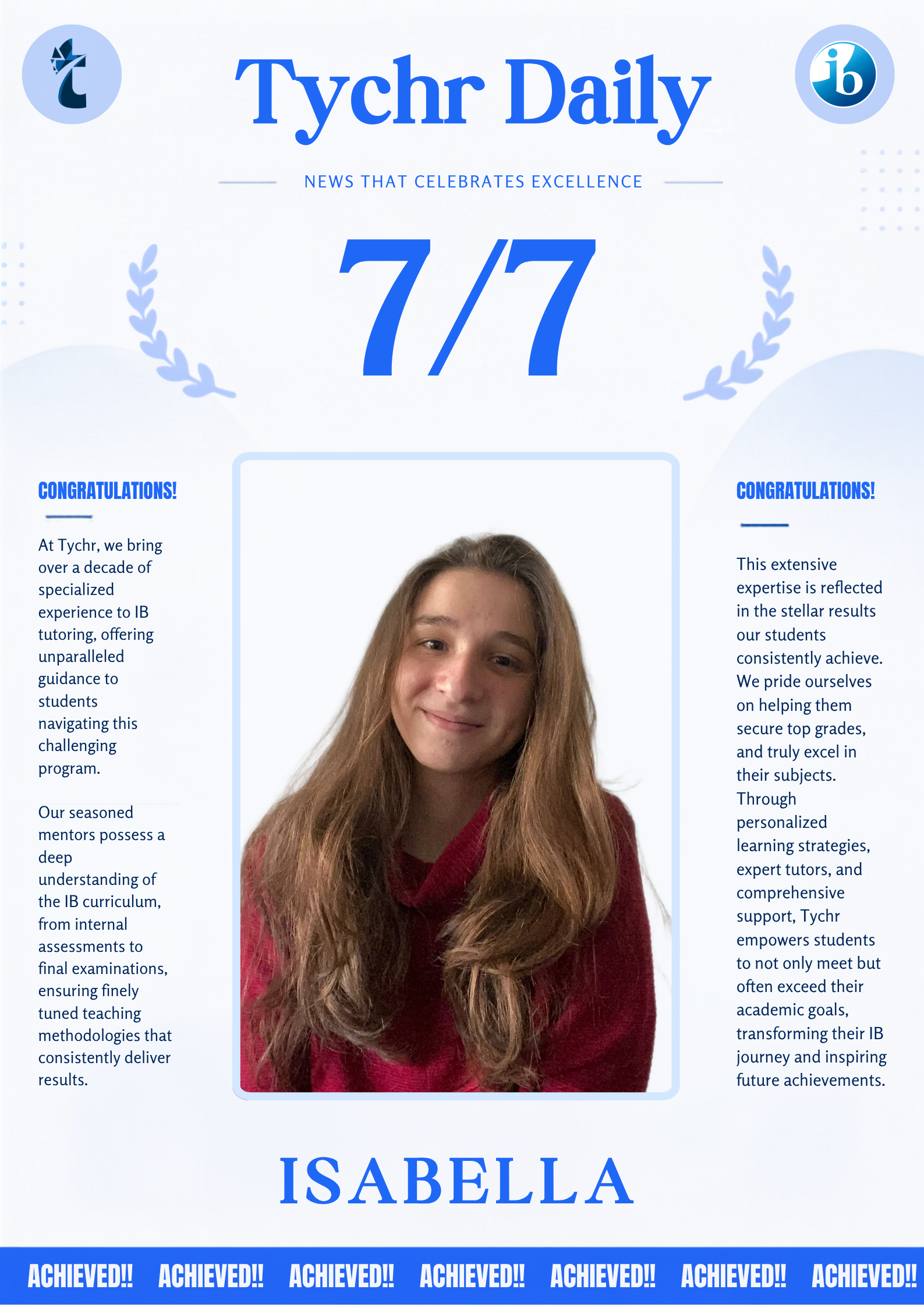

Start your journey with the right guidance.
Our Placements


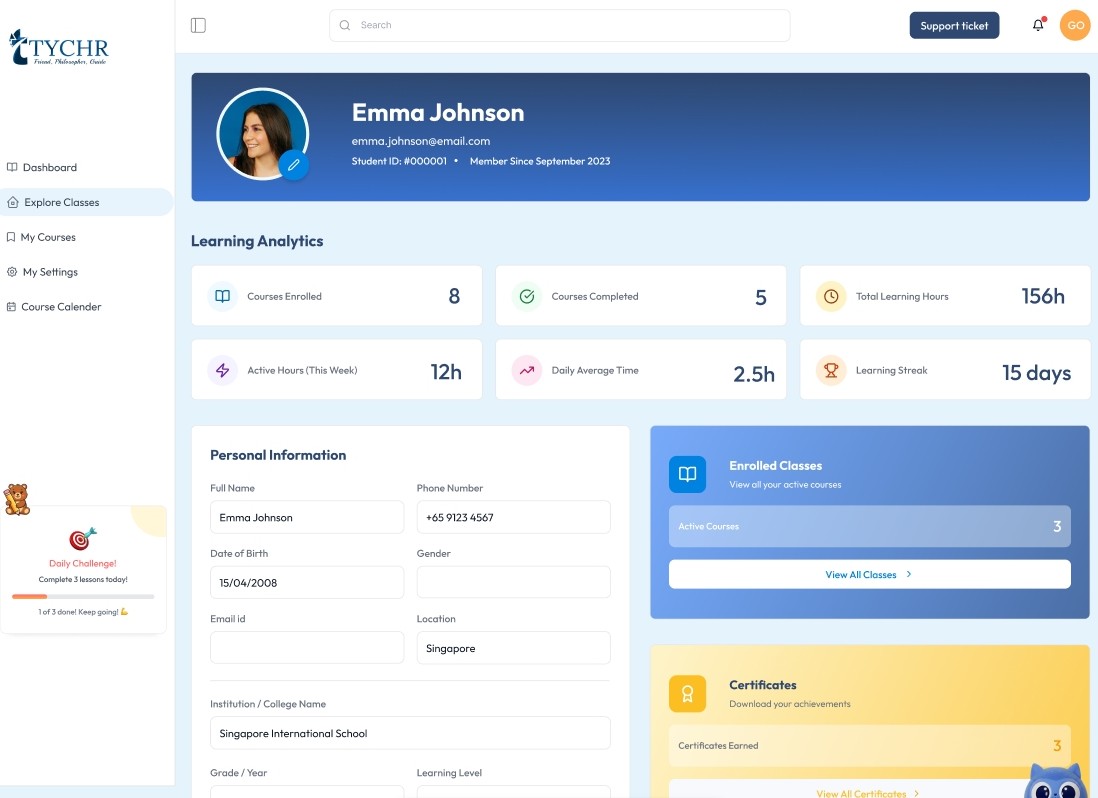
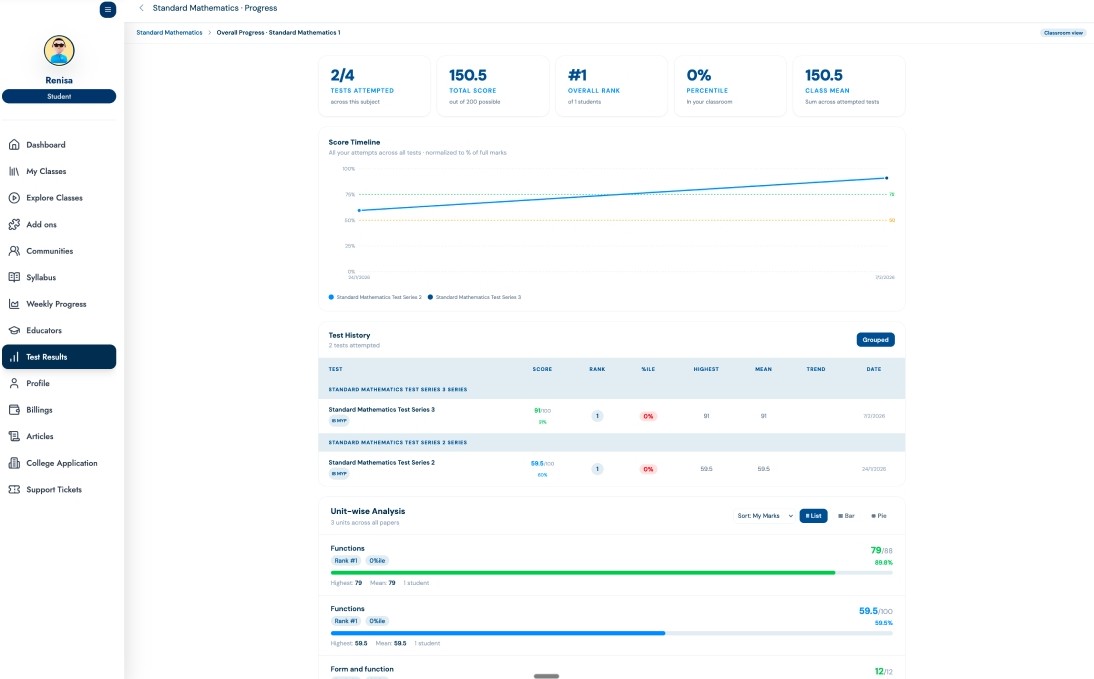
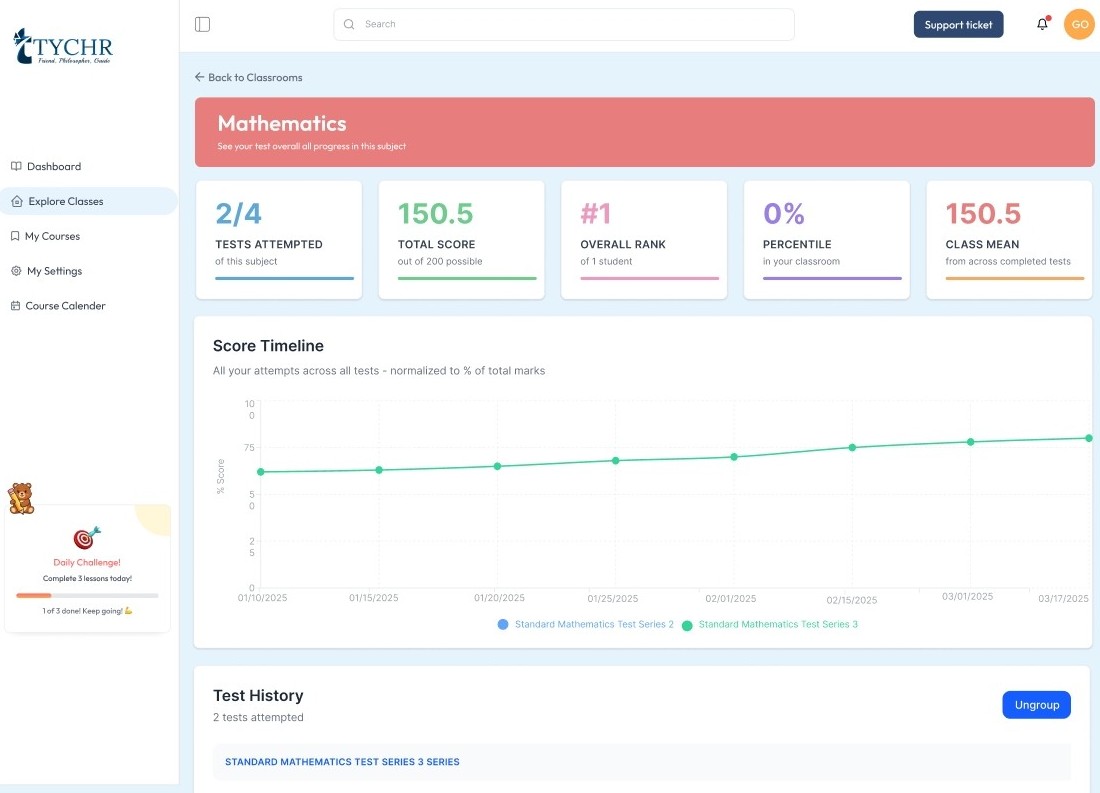
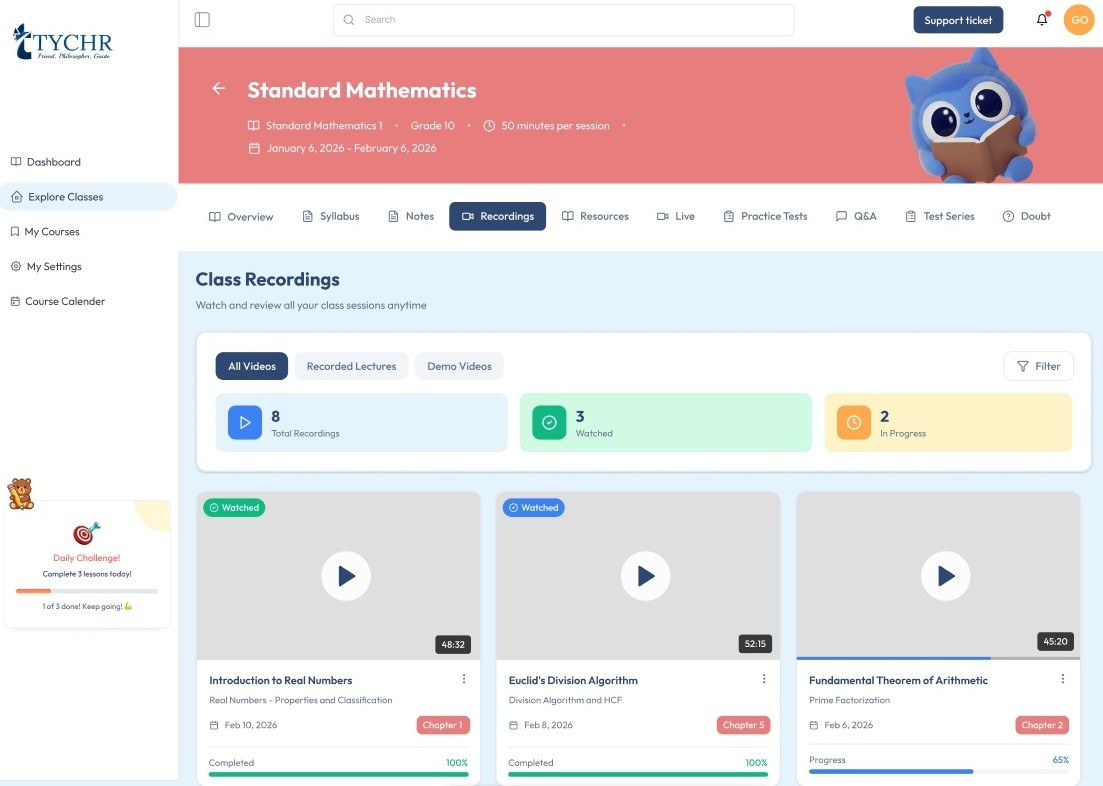
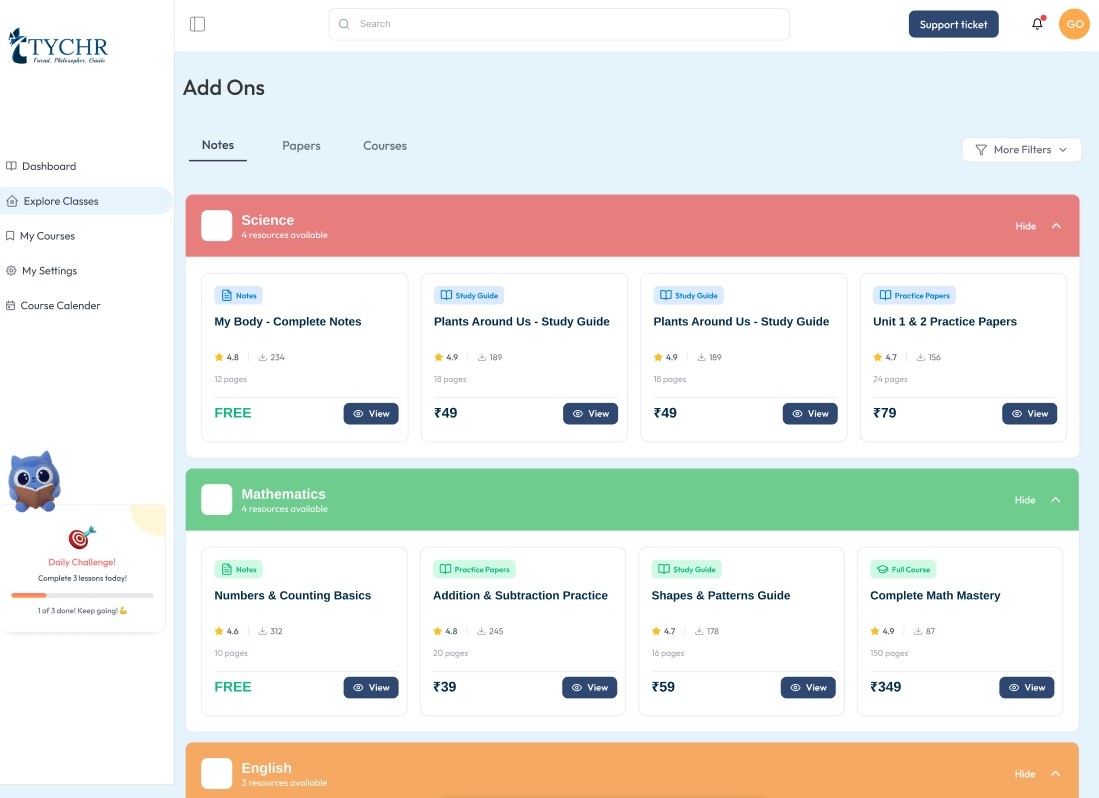
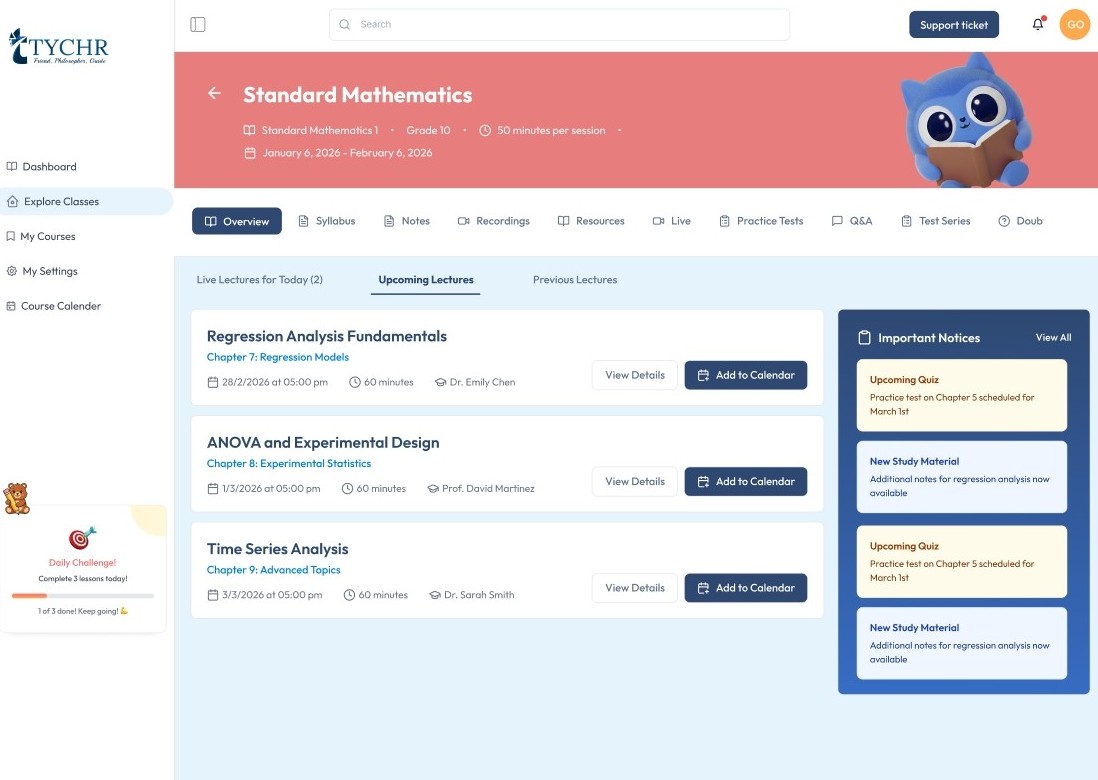
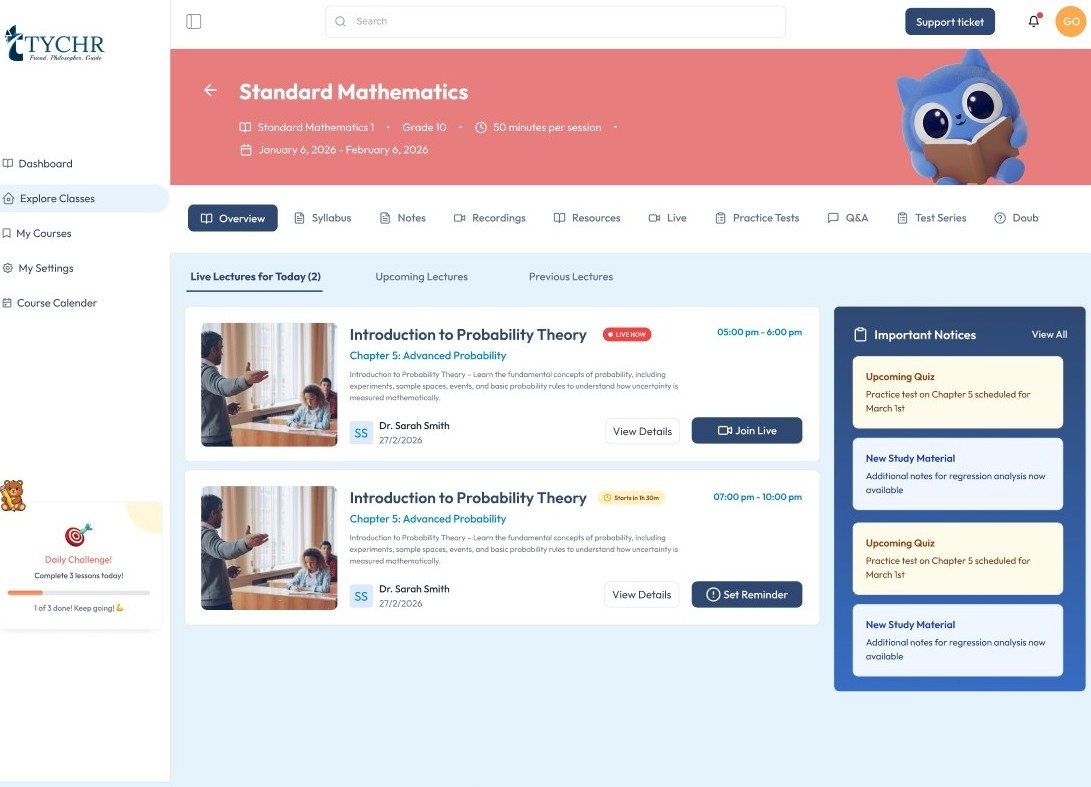
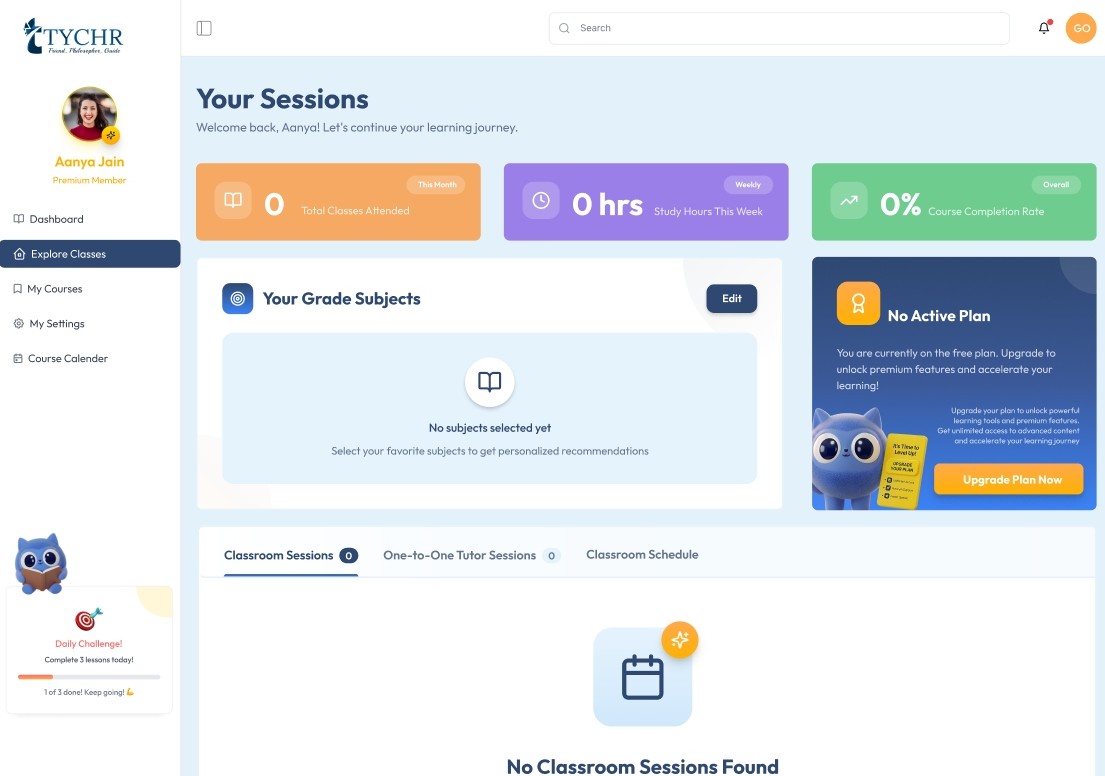
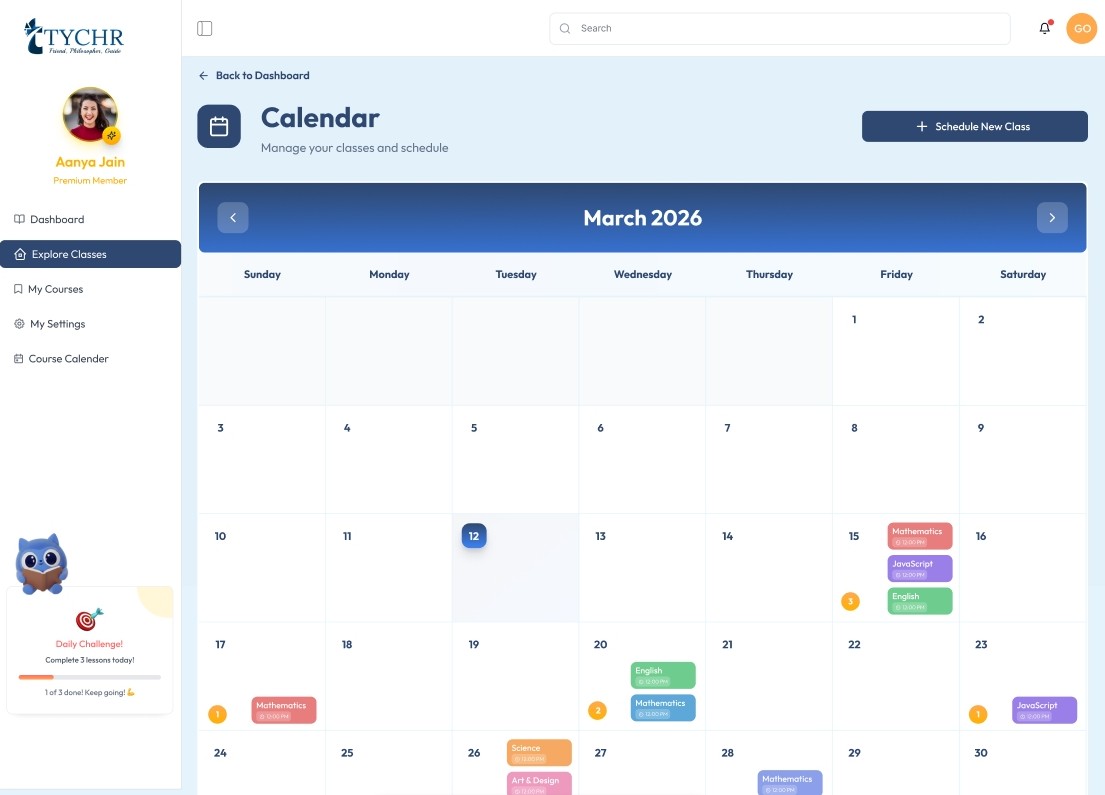
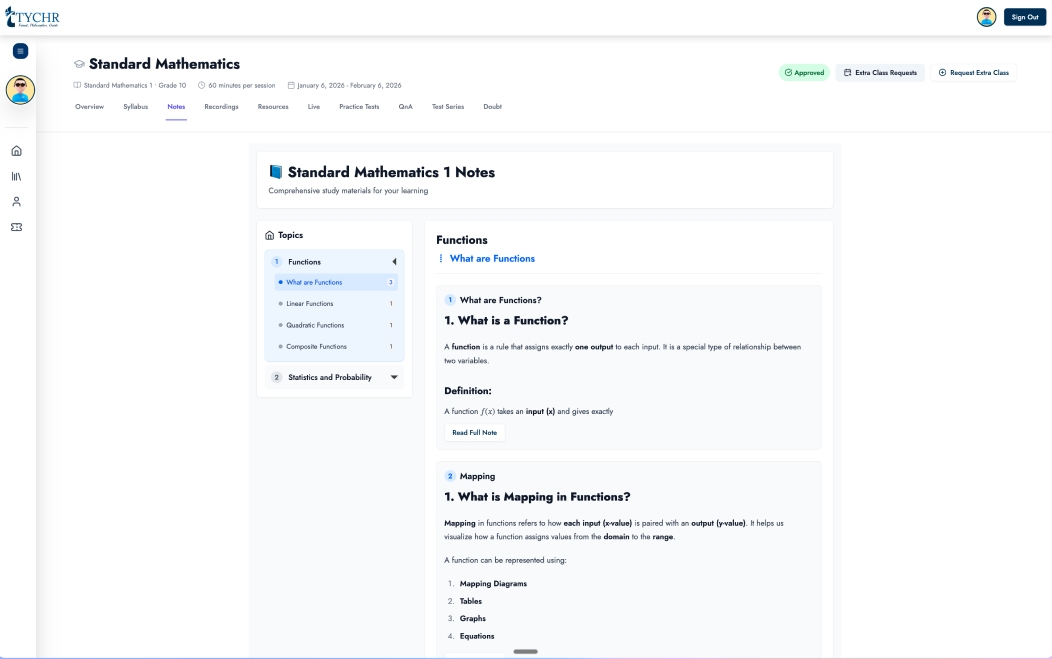
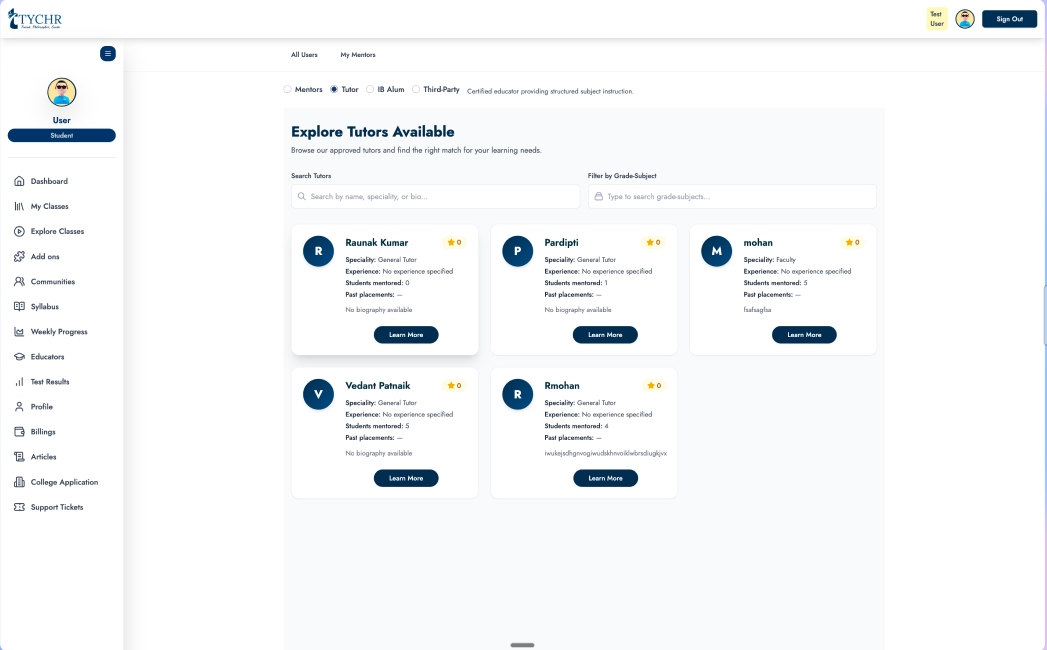
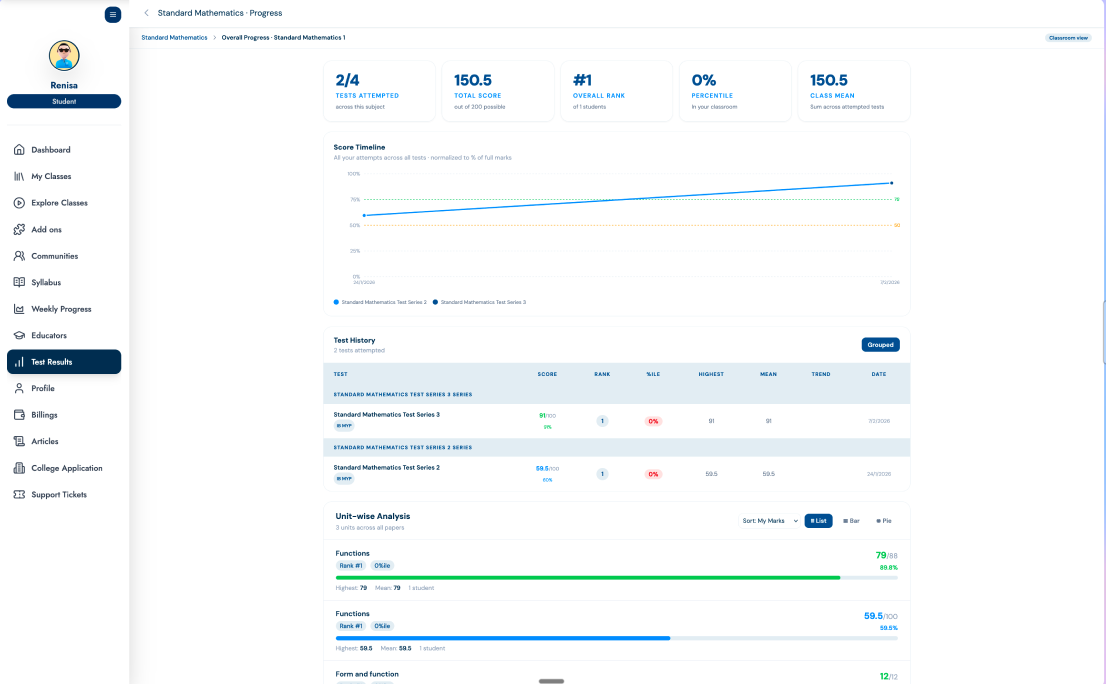
Explore our learning system
A platform designed around how students actually learn — adaptive, intuitive, and always one step ahead.


5000+
Students enrolled
100+
Expert tutors
95%
Satisfaction rate
70+
Countries reached
Paper 1 (20%)
Source-based questions requiring analysis and evaluation of historical evidence
Paper 2 (25%)
Essay-based questions requiring comparative and evidence-based historical analysis
Internal Assessment (20%)
Historical investigation based on a focused research question
HL Historical Study (35%)
Extended essay-based assessment focused on in-depth regional historical study
HL vs SL — Key Differences
Understanding What Makes Higher Level More Challenging
| Aspect | Higher Level (HL) | Standard Level (SL) | Impact |
|---|---|---|---|
| Teaching Hours | 240 hours | 150 hours | 90 additional hours allow for greater depth, broader content coverage, and more advanced historical analysis |
| Content Scope | Broader & deeper content | Core content focus | HL students engage with a greater range and depth of historical developments and perspectives |
| Historical Analysis | More extensive analysis | Foundation-level analysis | HL requires stronger synthesis, evaluation of evidence, and development of complex historical arguments |
| Complexity Expected | Higher analytical demand | Standard analytical demand | HL requires deeper evaluation of causation, consequence, continuity, change, significance, and perspective |
| Internal Assessment | 2200-word investigation | 2200-word investigation | Both levels require an independent Historical Investigation with rigorous evidence-based analysis |
Why Choose HL?
- Planning to study history, law, politics, or international relations at university
- Strong passion for historiography and analyzing historical debates
- University programs value rigorous historical research and analytical skills
- Want to develop advanced skills in source analysis and essay construction
- Confident in articulating complex historical arguments
- Enjoy exploring historical topics and perspectives in greater depth
HL Challenges We Address
- Managing the broader and deeper HL history curriculum
- Developing sophisticated arguments based on diverse historical perspectives
- Conducting an extensive, independent Historical Investigation (IA)
- Analyzing primary and secondary sources under timed exam conditions
- Synthesizing large amounts of historical evidence and historiographical debate
- Balancing breadth of world history with the depth required for HL study
IB History HL Paper 1
Source Analysis & Historical Interpretation — Strategies & Techniques
Time Management & Structural Strategy
01. Rapid Source Analysis
- 1.Read each source carefully and identify its origin, purpose, audience, and historical context.
- 2.Identify the central argument or perspective presented by each source.
- 3.Highlight specific evidence that can be used to answer the questions.
02. OPVL & Contextual Analysis
- 1.Evaluate the origin and purpose of sources in relation to their value and limitations.
- 2.Use your own historical knowledge to contextualize the source evidence.
- 3.Compare different source perspectives and identify agreements, contradictions, or biases.
03. Focused Written Responses
- 1.Answer each question directly and avoid unnecessary historical narration.
- 2.Support analysis with precise evidence from the sources and relevant contextual knowledge.
- 3.Reserve time to check that every response addresses the specific command term and question.
What Examiners Reward
Assessors reward students who analyze and evaluate historical sources rather than simply describing their content. Strong responses identify origin, purpose, value, limitations, and historical context.
Our tutors evaluate responses against IB assessment criteria, helping students strengthen source analysis, contextual knowledge, and evidence-based historical reasoning.
The Core Higher Level Challenge
The biggest challenge for HL candidates is extracting useful evidence from unfamiliar historical sources while connecting source perspectives to relevant historical knowledge under strict time pressure.
Simulated Source Analysis Drills Applied From Session 1IB History HL Paper 2
Historical Essay Techniques & Strategies
Essay Structure & Timing
Introduction (5-7 mins)
- Define the key terms and establish the historical scope
- Identify the main factors or themes relevant to the question
- Present a clear thesis that directly answers the prompt
- Briefly indicate the basis for your historical judgment
Body Paragraphs (80-90 mins)
- Begin with a clear argument linked to the question
- Use precise historical evidence to support the argument
- Explain causation, consequence, change, continuity, or significance
- Evaluate the relative importance of different factors
- Link the analysis back to the overall thesis
Conclusion (8-10 mins)
- Synthesize the strongest arguments presented
- Reinforce the thesis through a clear historical judgment
- Explain which factor or interpretation is most significant and why
- Do not introduce new evidence
- Directly answer the question one final time
Comparative Approaches
Thematic Analysis
Organize the essay around major themes or factors and use specific historical evidence to evaluate each one.
Best for:
Questions asking you to assess multiple factors or developments
Comparative Analysis
Identify meaningful similarities and differences while explaining why those similarities or differences matter historically.
Best for:
Questions requiring comparison between historical developments
Causation & Consequence
Rank and evaluate different causes or consequences instead of simply listing them chronologically.
Best for:
Questions focused on why an event occurred or what resulted from it
Top Tips from Our HL Tutors
Select Questions Strategically
Read all available questions carefully and choose the ones where you have the strongest factual knowledge, relevant examples, and a clear argument.
Analyze, Don't Just Describe
Move beyond narrative accounts. Explain why events happened, evaluate their consequences, and show how developments changed over time.
Use Historical Perspectives
Where relevant, acknowledge differing historical interpretations and explain how different perspectives shape understanding of the issue.
Focus on Historical Concepts
Connect your evidence to key concepts such as Change, Continuity, Causation, Consequence, Significance, and Perspective.
Embed Precise Evidence
Use specific dates, events, individuals, policies, and statistics where appropriate. Precise evidence makes your argument more convincing.
Tailor Every Argument to the Prompt
Avoid memorized essays. Make sure every paragraph directly addresses the command term and the specific historical issue in the question.
Internal Assessment (IA)
Internal Assessment Coaching, Historical Investigation & Assessment Strategies for IB History HL
Preparation Timeline
Weeks 1–2
Research Question & Planning
- ✓Choose a focused historical topic suitable for detailed investigation.
- ✓Develop a clear and researchable historical question.
- ✓Identify relevant primary and secondary sources.
- ✓Create a realistic research plan and timeline.
Weeks 3–4
Source Evaluation
- ✓Select relevant primary and secondary sources for the investigation.
- ✓Evaluate sources by considering their origin, purpose, value, and limitations.
- ✓Compare different historical perspectives and interpretations.
- ✓Organize evidence according to the research question.
Weeks 5–7
Historical Investigation
- ✓Develop a clear and balanced historical argument.
- ✓Integrate primary and secondary evidence effectively.
- ✓Analyze different historical viewpoints and interpretations.
- ✓Maintain accurate citations and academic historical writing.
Weeks 8–10
Reflection & Final Review
- ✓Reflect on the challenges and methods involved in historical investigation.
- ✓Strengthen analysis, evaluation, and historical argumentation.
- ✓Review structure, citations, and word count.
- ✓Ensure the investigation aligns with IB History assessment requirements.
Presentation Structure
Section 1: Identification & Evaluation of Sources
~20%Evaluate selected sources by discussing their origin, purpose, value, and limitations in relation to the investigation.
Section 2: Investigation
~60%Present a focused historical argument supported by relevant evidence while analyzing different perspectives and interpretations.
Section 3: Reflection
~20%Reflect on the challenges of historical research, source interpretation, and the methods used by historians.
How It Works
Research Question Development
Develop a focused and researchable historical question that supports meaningful investigation.
Source Evaluation Support
Receive guidance on selecting and evaluating relevant primary and secondary sources.
Historical Analysis & Argumentation
Learn how to construct balanced historical arguments using evidence and multiple perspectives.
Criterion-Based IA Feedback
Receive detailed feedback aligned with the official IB History Internal Assessment criteria.
Reflection & Writing Support
Improve historical reflection, academic writing, referencing, and overall investigation structure.
Final Review & Submission
Strengthen your investigation through comprehensive editing, citation checks, and final quality review.
Internal Assessment (IA)
Research, Analysis & Reflection — Your 20% Advantage in IB History HL
8-Week Writing Process
Topic & Research Question
- Choose a focused historical topic suitable for investigation
- Formulate a precise, manageable research question
- Ensure access to relevant primary and secondary sources
- Confirm the topic and scope with your teacher early
Source Research & Evaluation
- Select relevant primary and secondary sources
- Evaluate key sources using origin, purpose, value, and limitations
- Compare different historical perspectives and interpretations
- Organize evidence around your research question
Investigation & Drafting
- Write Section 1: Identification and evaluation of sources
- Write Section 2: Historical investigation and argument
- Write Section 3: Reflection on the methods used by historians
- Submit a complete draft for feedback
Revision & Finalization
- Strengthen the historical argument and use of evidence
- Improve evaluation of different historical perspectives
- Refine the reflection on historical methodology
- Check citations, structure, word count, and academic clarity
How Our IA Support Works
Research Question Refinement
Guided support to develop a focused, researchable historical question that allows for strong analysis and evaluation
Source Evaluation & Research Support
Help selecting relevant sources and evaluating their origin, purpose, value, and limitations
Criterion-Based Draft Feedback
Detailed feedback on your source evaluation, historical investigation, and reflection against IB History IA assessment criteria
Source & Historiography Strategies
Master Both Analytical Approaches for IB History HL
Studied Topic Strategies
For Paper 2 and IA — building deep knowledge of your historical units
Active Source Evaluation (OPCVL)
Develop a systematic method for evaluating primary and secondary sources
- Origin: Context, author bias, and publication time
- Purpose: Who was it written for and why?
- Content: Identify the main arguments and evidence
- Value & Limitations: What does the source reveal or leave out?
Historiographical Bank
Build a database of diverse historical perspectives and debates
- Organize by topic, debate, and school of thought
- Memorize key arguments from essential historians
- Practice integrating historiography into essay prompts
- Link different historical interpretations to your essay arguments
Thematic Comparative Framework
Identify connecting threads across your studied historical units
- Create charts comparing events across different regions
- Note similar and contrasting causative factors
- Identify political, social, and economic connections
- Practice switching between different historical contexts
Paper 1 (Document-Based) Strategies
For Paper 1 — analyzing unseen documents under pressure
Rapid Document Analysis
- 1.Determine the document's type (speech, map, political cartoon, memo)
- 2.Identify the historical context (who, where, when)
- 3.Recognize the intent behind the creation of the document
- 4.Note limitations imposed by the author's background
Evidence-Linking Technique
- 1.Scan for explicit evidence and implied historical meaning
- 2.Identify patterns of change and continuity
- 3.Note tone shifts in political or personal documents
- 4.Connect evidence to the broader historical issue
Analytical Synthesis
- 1.Don't just summarize documents — analyze their significance
- 2.Connect sources to one another and to existing historical knowledge
- 3.Consider the author's perspective and historical context
- 4.Link analysis to causes, consequences, and historical significance
Bridging Evidence & Historiography
The source evaluation skills you develop for Paper 1 transfer directly to the research rigor required for your IA and the analytical writing required for Paper 2. Our tutoring helps you build a flexible historical framework that works across your assessments.
Weekly Practice Routine
One-to-One vs Group Tutoring
Choose Your Ideal Learning Format for the IB Diploma Programme
One-to-One Tutoring
Tailored, High-Impact Learning
- ✓Personalized curriculum pacing: Focus directly on your specific SL/HL syllabus needs.
- ✓Targeted weak-area remediation: Deep-dive into challenging topics and command terms.
- ✓1-on-1 Internal Assessment (IA) guidance: Tailored mentoring through rubric criteria.
- ✓Customized past paper practice: Detailed, line-by-line mark scheme breakdown.
- ✓Flexible scheduling: Adapt session timings around your school calendar and deadlines.
- ✓Direct mark-scheme feedback: Actionable critiques to push your boundaries toward a Grade 7.
Group Tutoring
Interactive & Collaborative Learning
- ✓Small cohort learning: Learn alongside 3–5 peers studying the same subject and level.
- ✓Collaborative problem-solving: Benefit from diverse perspectives and peer discussions.
- ✓Structured weekly syllabus roadmap: Consistent, steady coverage of core IB topics.
- ✓Shared past paper walkthroughs: Master IB exam techniques and mark schemes together.
- ✓Cost-effective mastery: Premium IB tutoring at a lower per-session rate.
- ✓Peer motivation & accountability: Stay on track alongside fellow IB diploma candidates.
Not sure which format works best? Book a free consultation to discuss your IB tutoring needs
Book Free ConsultationGrade Improvements — History HL Score Results
From Students

Ridhi
IBDP History

Riya
IBDP History

Mizi
IBDP History

Ishaan
IBDP History
Free IB History HL Resources
Notes, Essay Guides & Past Papers
Complete HL Resource Library Access
All enrolled IB History HL students receive free access to our comprehensive digital library, updated with new exemplars, source analysis materials, and historical revision guides.
800+
Study Resources
10
Years of Papers
40+
Historical Topics
24/7
Access
Historical Analysis Guides
Comprehensive guides for analyzing historical sources and structuring complex historical arguments
- ✓Source evaluation techniques
- ✓Historical interpretation frameworks
- ✓Historical command term glossary
Essay Writing Templates
Structured templates for Paper 1, Paper 2, and the Historical Investigation with model essay paragraphs
- ✓Historical essay outlines
- ✓Thesis statement formulas
- ✓Argument transition phrase banks
Past Paper Collection
Official IB past papers with mark schemes and examiner reports
- ✓Paper 1 and Paper 2 sets
- ✓Specimen papers
- ✓Grade 7 student exemplars
IA Examples Database
Grade 7 Historical Investigation exemplars across a range of historical topics
- ✓25+ annotated IA examples
- ✓Topic selection and feasibility guides
- ✓Source bibliography frameworks
History Revision Resources
Complete revision resources for historical concepts, events, perspectives, and evidence-based analysis
- ✓Historical topic summaries
- ✓Key event and figure analysis
- ✓Historical interpretation frameworks
History Concepts Glossary
Comprehensive database of historical concepts, key events, and historical perspectives
- ✓150+ key historical concepts
- ✓Causation and significance models
- ✓Practice application drills
Recommended History Curriculum Topics
Historical Argumentation Support Across All Units
Popular HL Topic Choices by Category
World History Topics
Authoritarian States
by Example: Mao Zedong, Hitler, Castro
Key themes: Rise to power, ideology, consolidation
Causes & Effects of War
by Example: WWI, WWII, Cold War conflicts
Key themes: Alliances, technology, societal impact
Cold War
by Example: Superpower tensions, proxy wars
Key themes: Ideological conflict, diplomacy, nuclear age
Independence Movements
by Example: India, Algeria, Vietnam
Key themes: Decolonization, nationalism, leadership
Rights & Protest
by Example: Civil Rights, Apartheid
Key themes: Social justice, legislation, resistance
Prescribed Subjects
Military Leaders
by Selected Case Studies
Key themes: Strategy, command, political influence
Conquest & Empire
by Selected Case Studies
Key themes: Expansion, administration, cultural change
The Move to Global War
by Selected Case Studies
Key themes: Expansionism, diplomacy, treaties
Independence Movements
by Selected Case Studies
Key themes: Nationalism, resistance, state-building
HL Regional Options
History of Europe
by Renaissance to Modern Era
Key themes: State-building, conflict, industrialization
History of the Americas
by Colonialism to Contemporary
Key themes: Democracy, slavery, economic shifts
History of Asia & Oceania
by Imperialism to Modernization
Key themes: Western impact, nationalism, reform
History of Africa & Middle East
by Pre-colonial to Modern State
Key themes: Islam, colonialism, resource conflicts
Our Historical Analysis Support
Comprehensive frameworks tailored directly to the IB History HL curriculum
Curriculum Navigation
Help selecting regional options and topics that align with your interests and academic strengths.
Historiography Sessions
Detailed analysis of historical debates, exploring conflicting historiography and evidence.
Contextual Understanding
Explore political, social, and economic context to deepen your historical argumentation.
Comparative Frameworks
Identify thematic connections for Paper 2, building sophisticated comparative essays.
Source Evaluation Mastery
Develop primary source analysis skills and learn to evaluate evidence, context, origin, purpose, value, and limitations.
Argumentation Support
Build evidence banks, practice historiographical integration, and learn effective historical essay structuring.
Mock Exam Sessions & Written Feedback
Practice Makes Perfect for All HL Assessments
Mock Exam Process
Pre-Mock Preparation
- Submit your IA proposal or essay draft
- Receive preliminary feedback on your historical argument
- Finalize primary and secondary source selection
- Practice thesis statement clarity
Mock Paper Session
- Complete a full timed Paper 1 or Paper 2 under exam conditions
- Focus on pacing and structured historical argumentation
- Practice source analysis or essay writing depending on the paper
- Receive immediate initial impressions from your tutor
Detailed Feedback
- Written report with criterion-by-criterion analysis
- Predicted score with clear justification
- Specific areas for historical analysis and evaluation improvement
- Recommended structural changes and evidence refinements
Refinement Session
- Review feedback together
- Practice improved argumentation and source analysis
- Prepare stronger responses for different command terms
- Final confidence-building strategy tips
Written Assignment Feedback
Paper 1 Practice
✓ Criterion-based marking
✓ Source analysis evaluation
✓ Model paragraph examples
✓ Time management notes
Paper 2 Essays
✓ Comparative argument assessment
✓ Historical perspective evaluation
✓ Evidence integration feedback
✓ Command term adherence notes
IA Drafts
✓ Argument coherence review
✓ Critical analysis depth
✓ Academic tone and style
✓ Bibliography and citation check
Timed Drills
✓ Argumentative clarity
✓ Thematic balance evaluation
✓ Historical evidence integration
✓ Exam strategy preparation
Why Mock Practice Matters
Reduce Exam Anxiety
Familiarity with exam conditions helps reduce stress and improves performance on the actual day.
Identify Knowledge Gaps Early
Discover gaps in historical knowledge and analytical skills before finals, giving you time to address them systematically.
Perfect Your Timing
Learn to allocate time effectively across source-based and essay questions, avoiding incomplete responses.
Build Confidence
Repeated practice builds confidence in historical analysis, argument construction, and exam technique.
Expert Feedback
Receive detailed, criterion-based feedback from experienced History HL tutors who understand IB marking.
What students say
“My tutor made History much easier to understand and genuinely interesting. The lessons were engaging, well-structured, and helped me build much more confidence in my exams.”

Nived
IBDP History
“I really enjoyed my History lessons. My tutor explained complex topics clearly, gave valuable feedback, and helped me improve my essay writing significantly.”

Saketh
IBDP History
“The History lessons were exactly what I needed. I developed a stronger understanding of the subject, improved my exam technique, and became much more confident overall.”

Vibhuthi
IBDP History
Frequently Asked Questions
Everything About IB History HL Tutoring
Our tutors break down complex historical movements, authoritarian states, and cause-and-effect timelines using structured thematic frameworks.
Yes, we teach students the OPVL (Origin, Purpose, Value, Limitation) method to quickly evaluate historical sources under timed conditions.
We train students on building multi-perspective arguments, integrating historiography, and structuring balanced analytical essays.
Absolutely. All sessions cover chosen regional study topics, twentieth-century authoritarian states, and global cold war dynamics.
Yes, we guide students through formulating research questions, evaluating primary/secondary evidence, and structuring historical investigations.
We introduce key historian perspectives and interpretations to help students challenge orthodox and revisionist historical viewpoints effectively.
Is IB History HL Worth It?
University Goals & Subject Value
Why Universities Value IB History HL
Advanced Analytical Depth
HL develops the ability to evaluate competing perspectives, analyze causation and consequence, and construct sophisticated evidence-based arguments.
Independent Research
The Historical Investigation (IA) demonstrates independent research, source evaluation, and evidence-based academic writing.
Historical Literacy
Studying diverse historical contexts develops the cultural awareness and historical literacy required for advanced academic inquiry.
University Pathways Where History HL Matters
History
Direct preparation for archival research, source criticism, historical analysis, and academic writing
Law
Critical evidence evaluation, complex argumentation, and structured analysis are valuable foundations for legal studies
International Relations
Understanding historical causation, diplomacy, conflict, and political systems supports IR study
Political Science
Historical context helps students understand policy, governance, institutions, and political change
Economics
Understanding historical economic developments and the effects of policy decisions strengthens broader analytical thinking
Humanities / Liberal Arts
Evidence-based argumentation, source evaluation, and historical perspectives are valuable transferable skills
The HL Advantage in Admissions
History HL strengthens your application by demonstrating your ability to evaluate evidence, compare perspectives, analyze historical developments, and construct logically supported arguments.
- Shows rigorous commitment to humanities-based study
- Develops strong primary and secondary source analysis skills
- Builds evidence-based essay writing and argumentation
- Provides a strong foundation for university-level research and academic writing
- Develops discipline through long-term IA research and multiple examination components
96%
First Choice University
82%
Russell Group / Ivy+
$3.1M
Scholarships Won
100%
University Acceptance
Book Your History HL Tutor Today
Start Your Journey to History HL HL Excellence in 3 Simple Steps
Choose Your HL Tutor
Browse our expert History HL tutor profiles and select one who matches your literary interests and learning goals.
Schedule Free Trial
Book your complimentary 60-minute session to discuss your texts, goals, and current challenges—no commitment.
Start Literary Analysis
Begin your personalized HL journey with close reading, essay coaching, and comprehensive exam preparation.