Certified IB ESS HL Tutors in Global to Help You Achieve 7/7 Across All Components
IB ESS HL is one of the most assessment-diverse IB subjects, featuring distinct assessment components that each require a specialized analytical approach.

GULIA
43/45
TANISHA
43/45
ADAA
43/45
RUSHIL
45/45
ESHAAN
42/45
VISHAAL
43/45Start your journey with the right guidance.
Your information is kept private and never shared with third parties.
+1.8
Average grade improvement
91%
Students score 6 or 7
600+
ESS HL students tutored
4.9/5
Average tutor rating
ESS HL Results That Speak For Themselves


Start your journey with the right guidance.
Our Placements
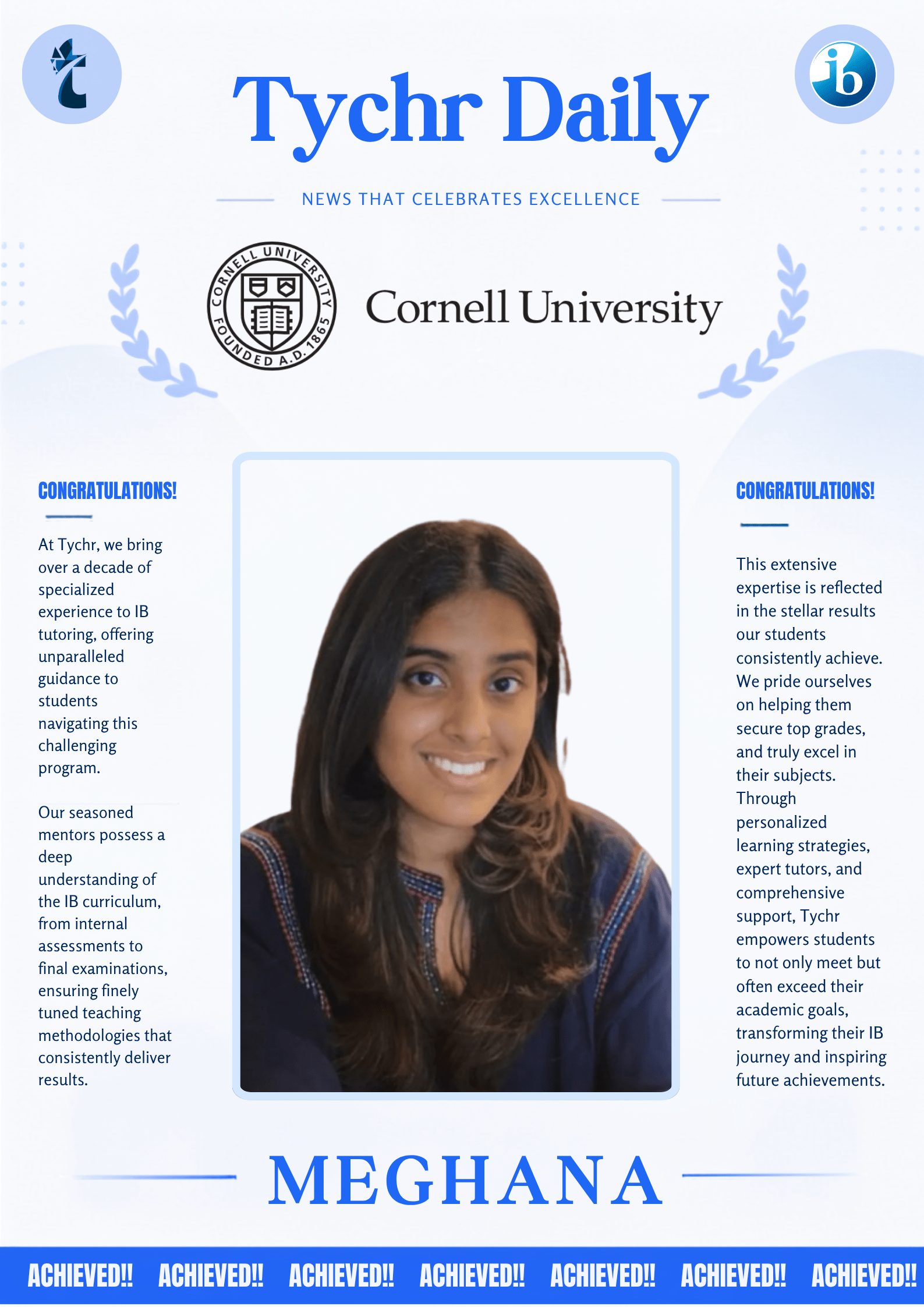
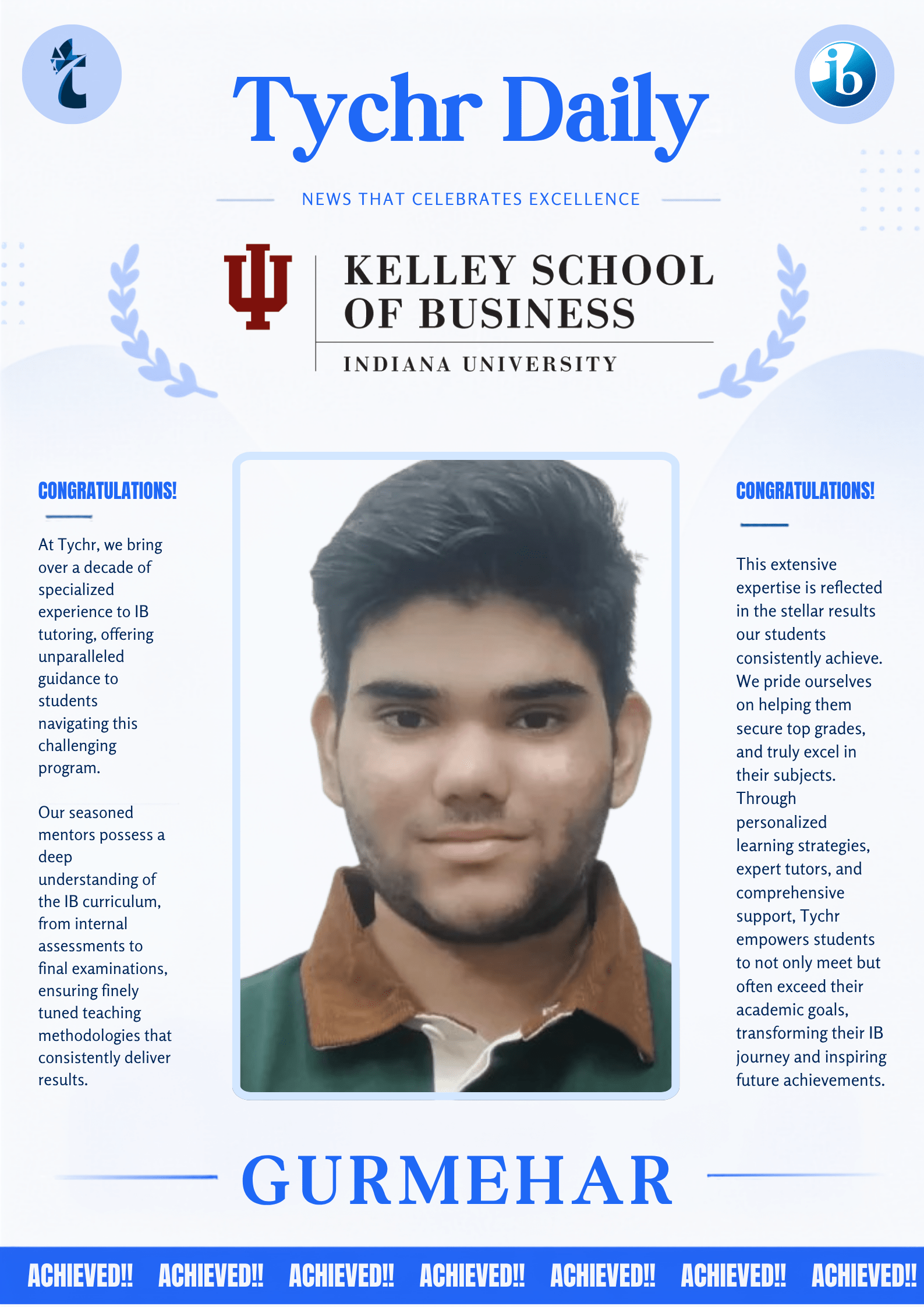
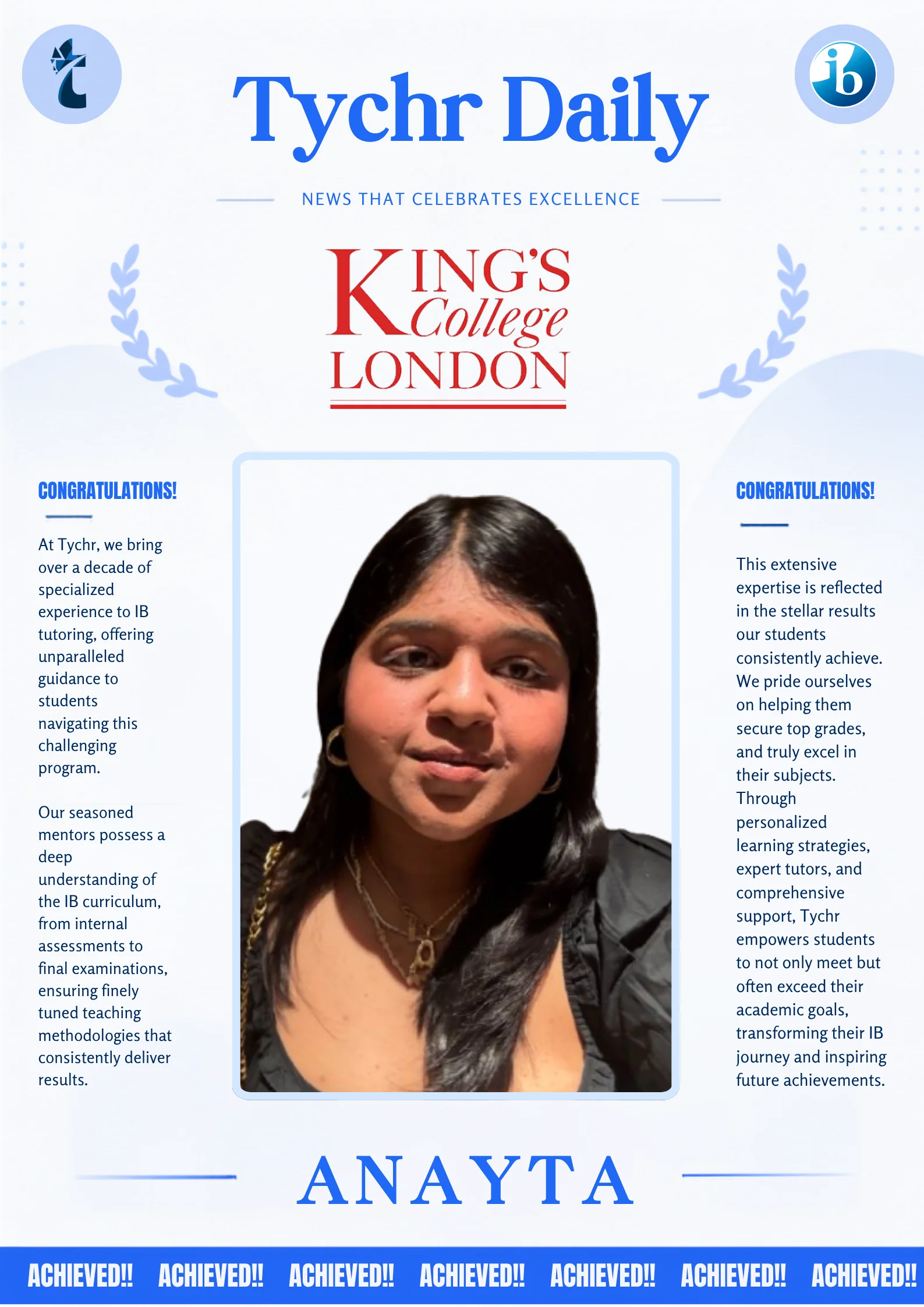
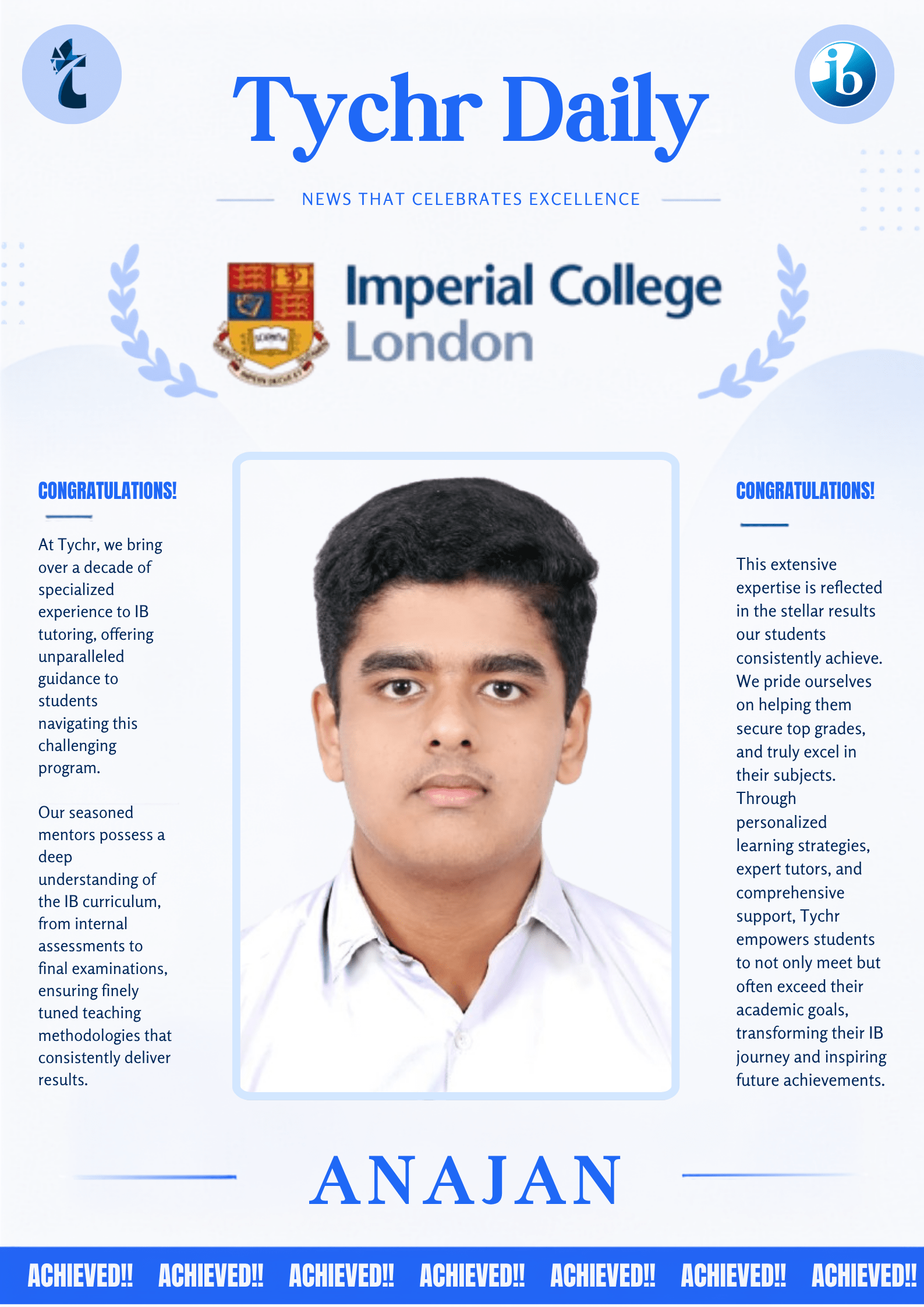
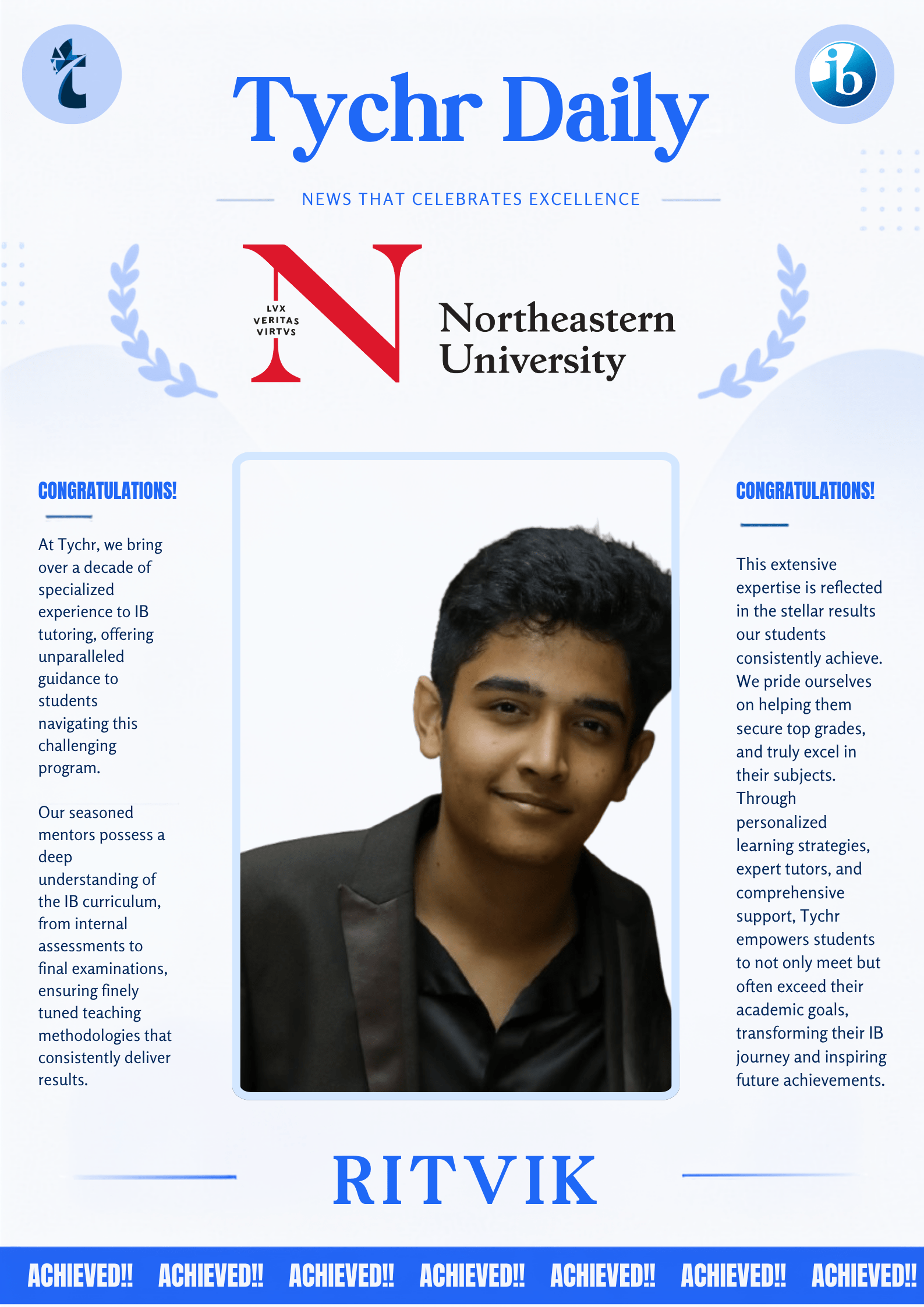
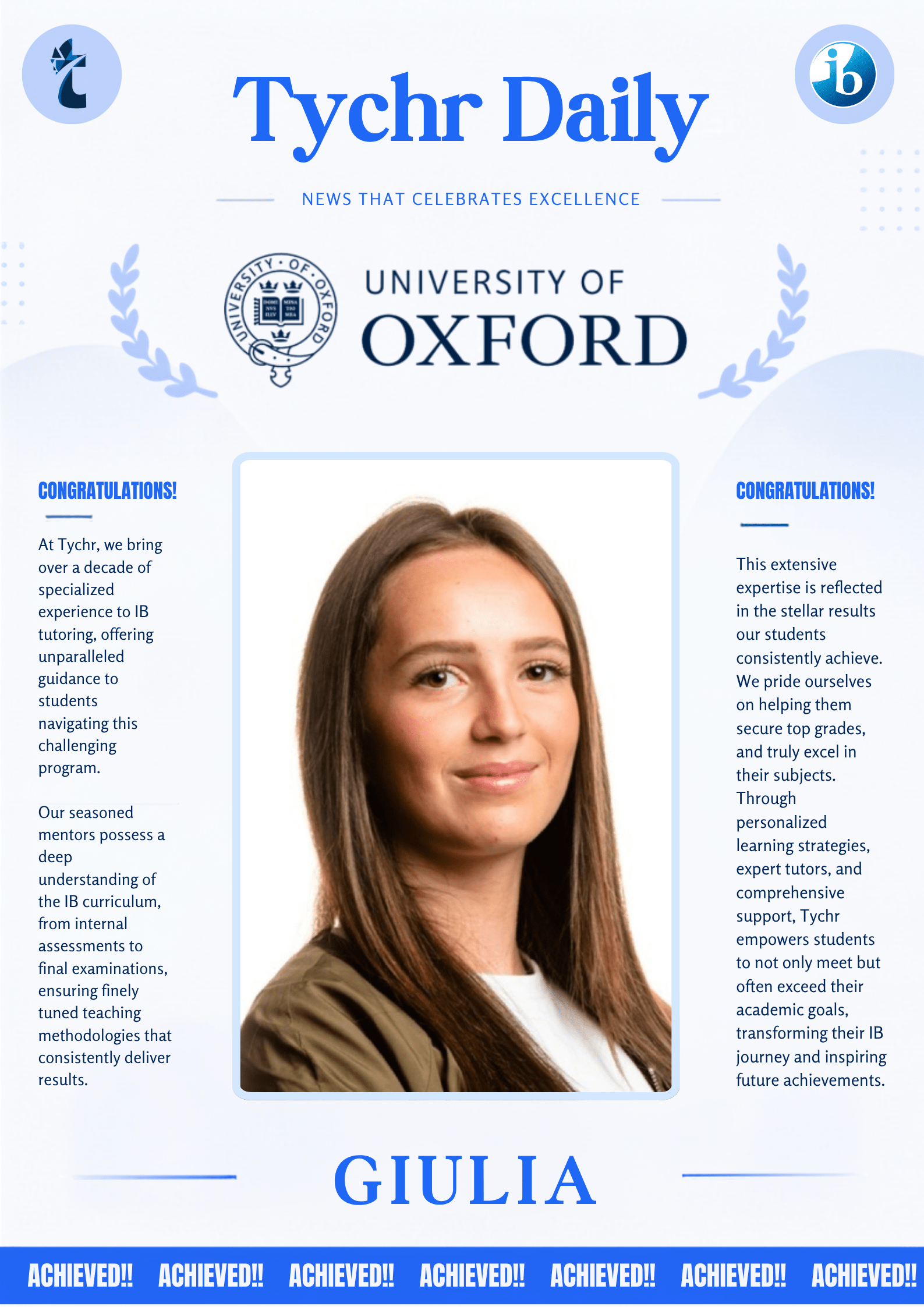
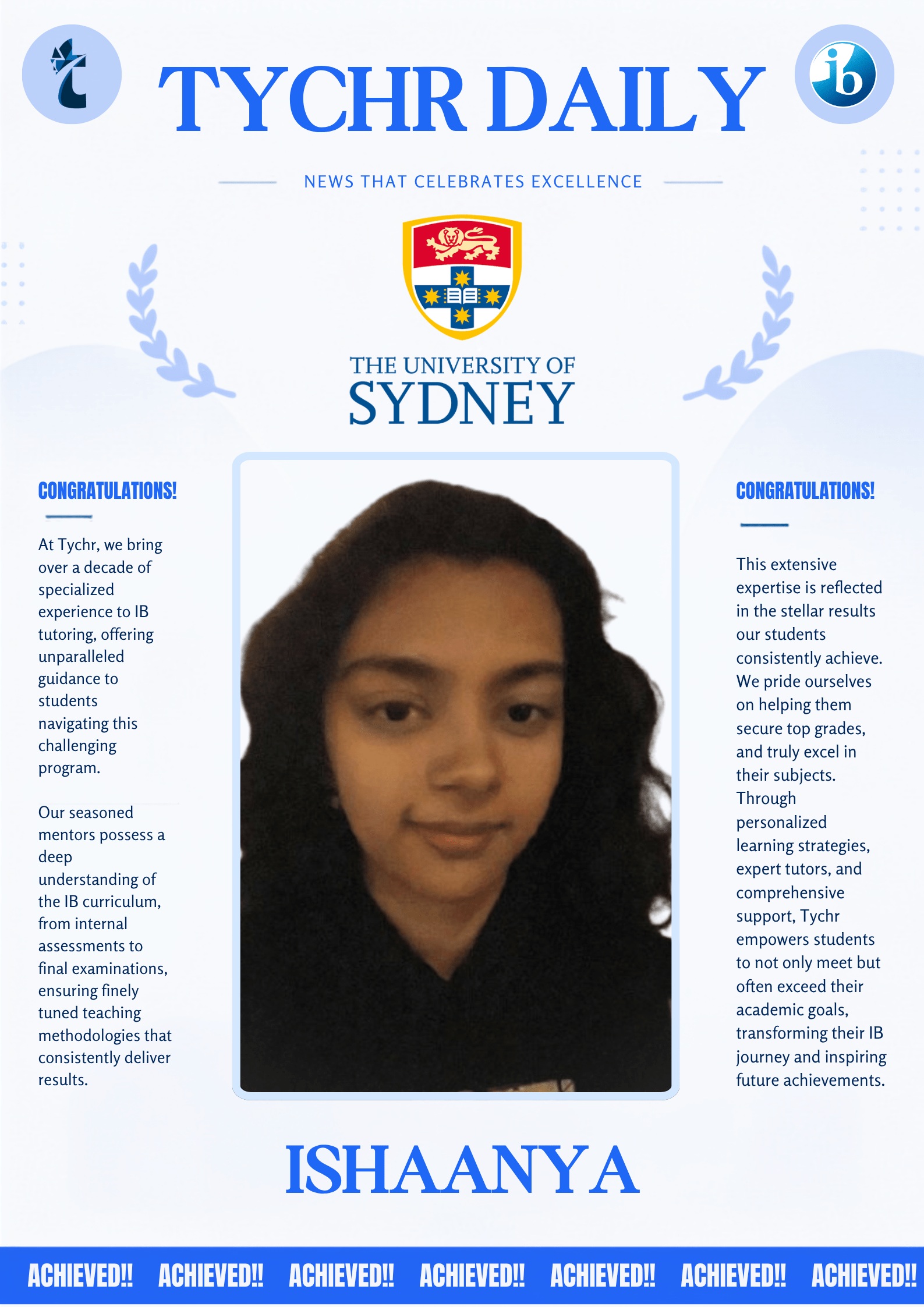
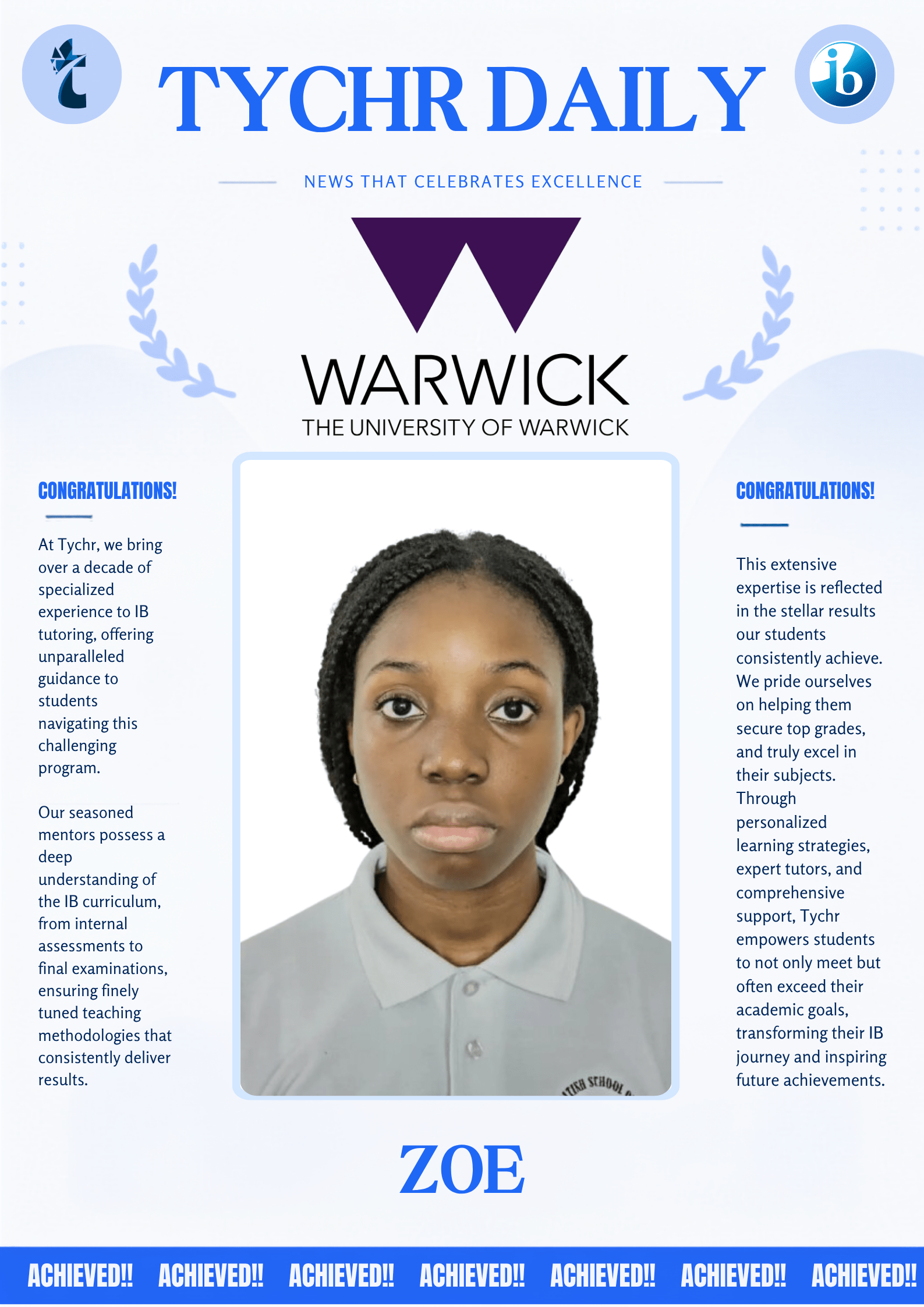


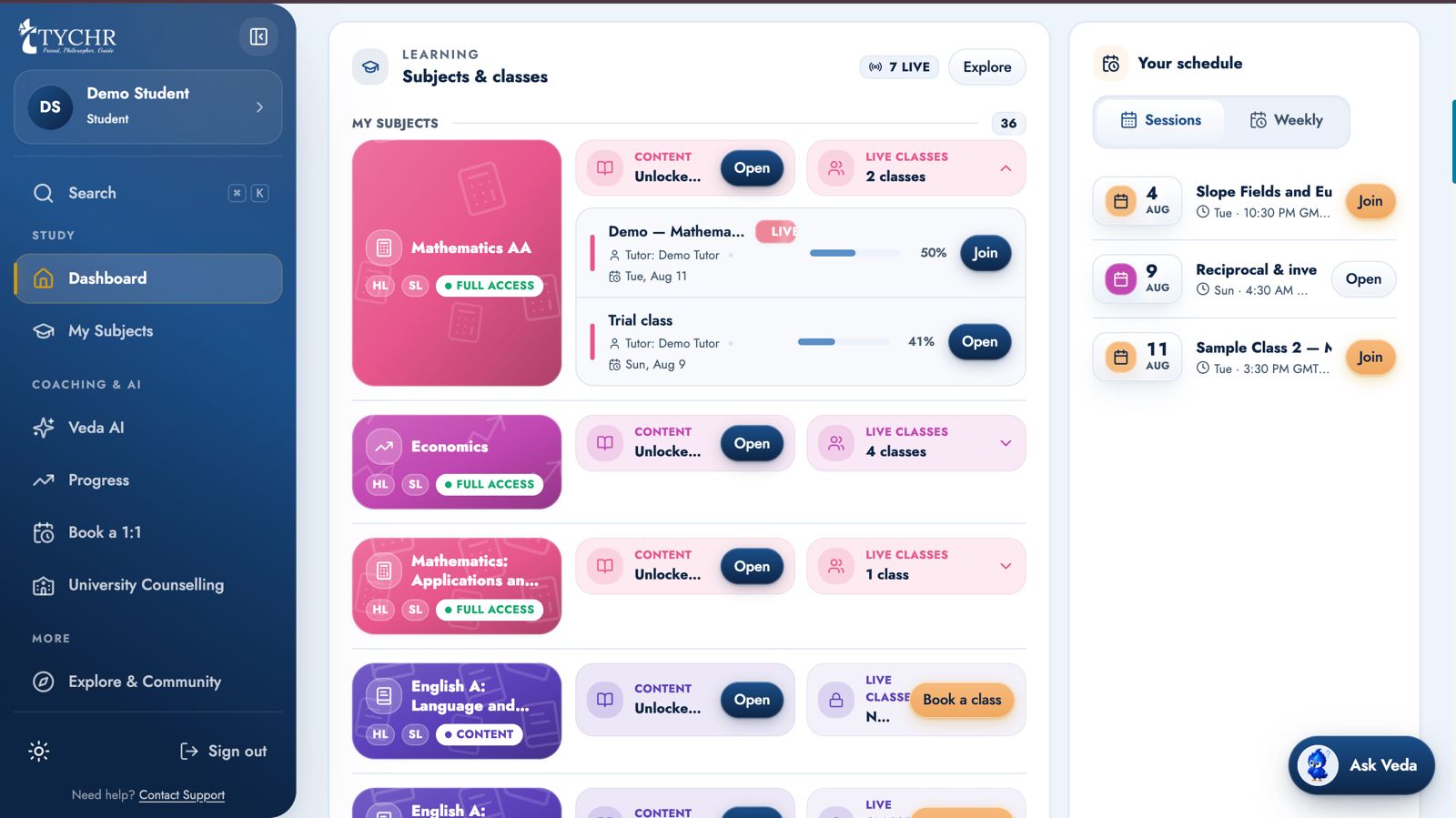
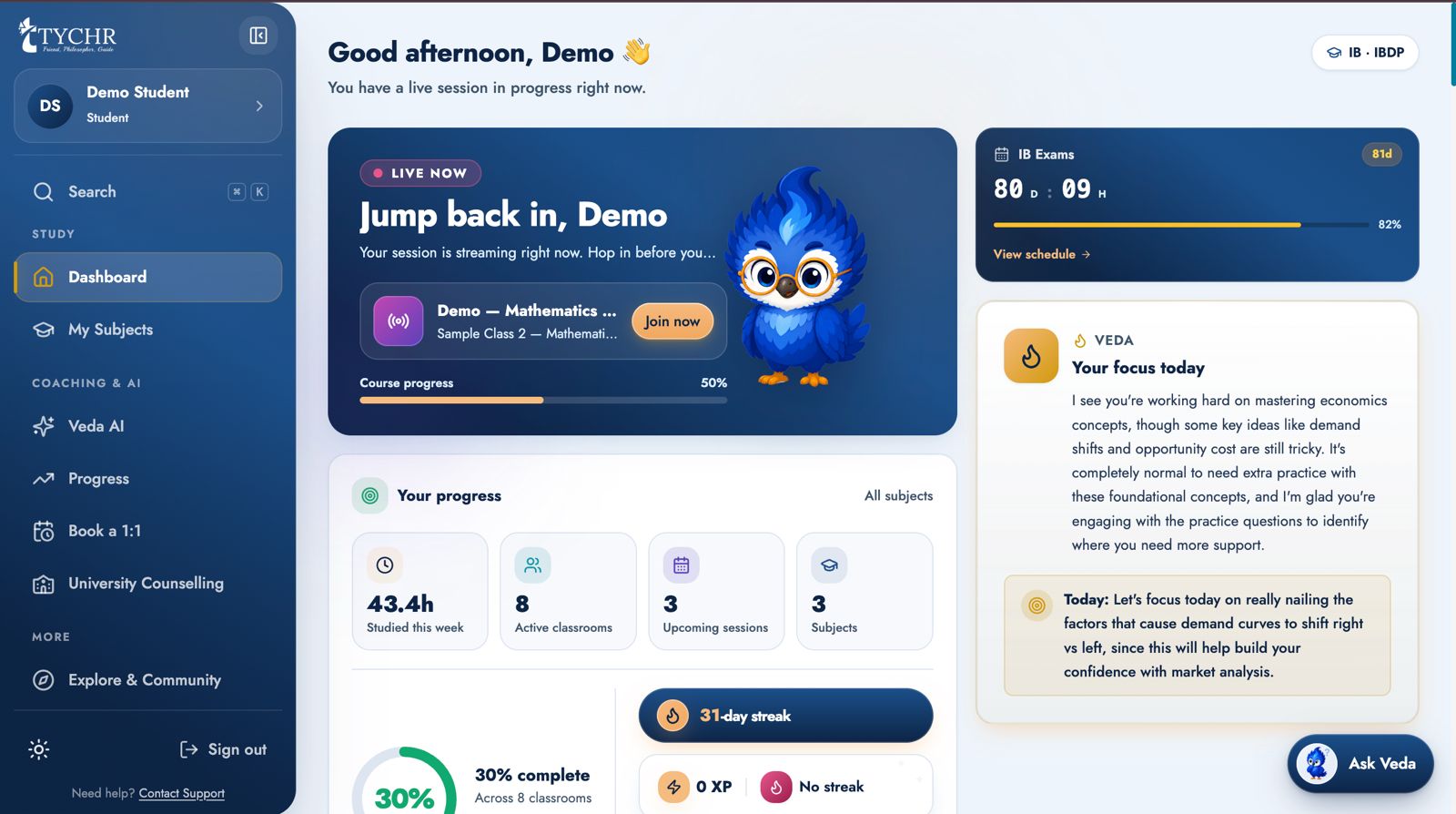
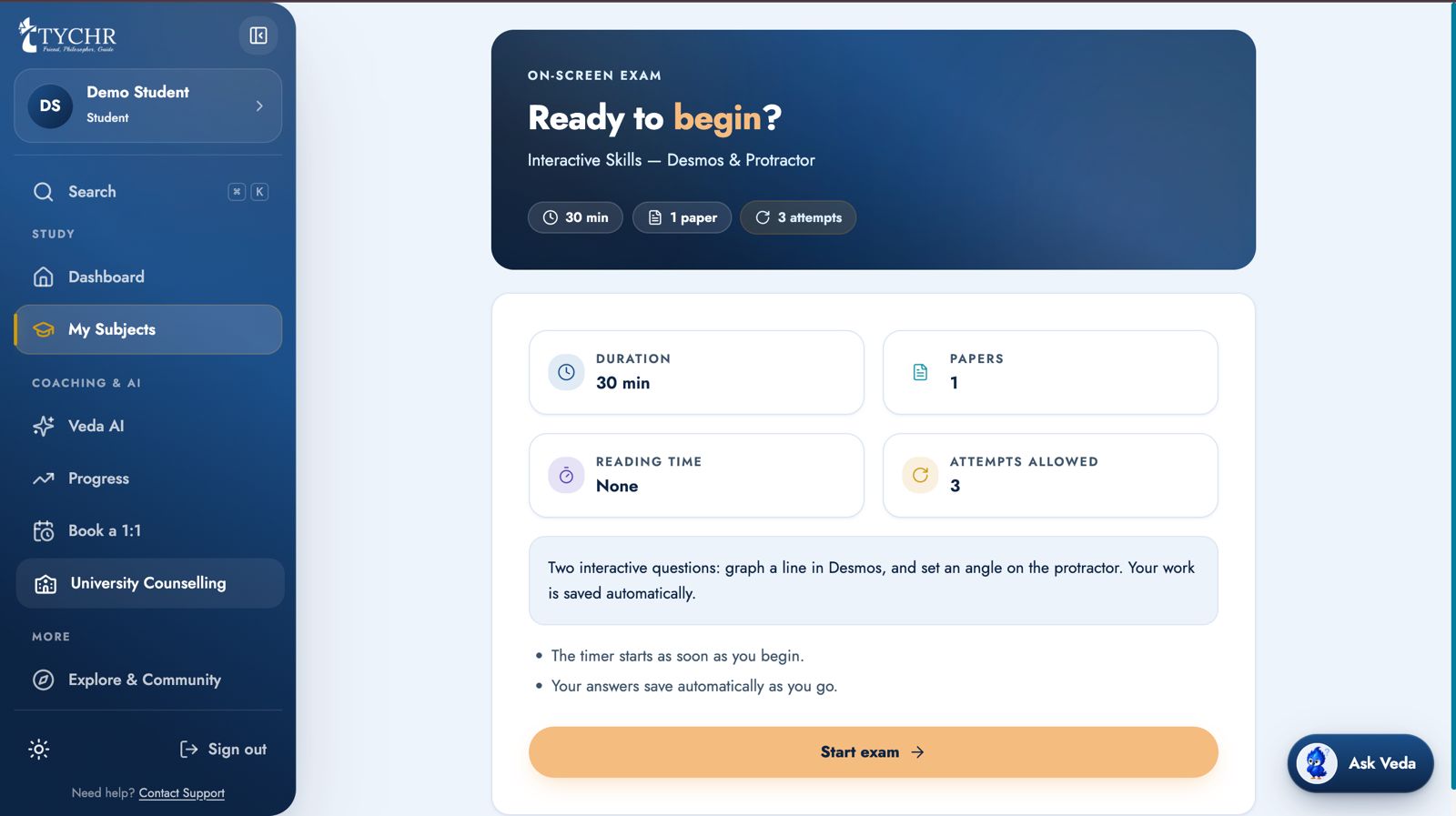
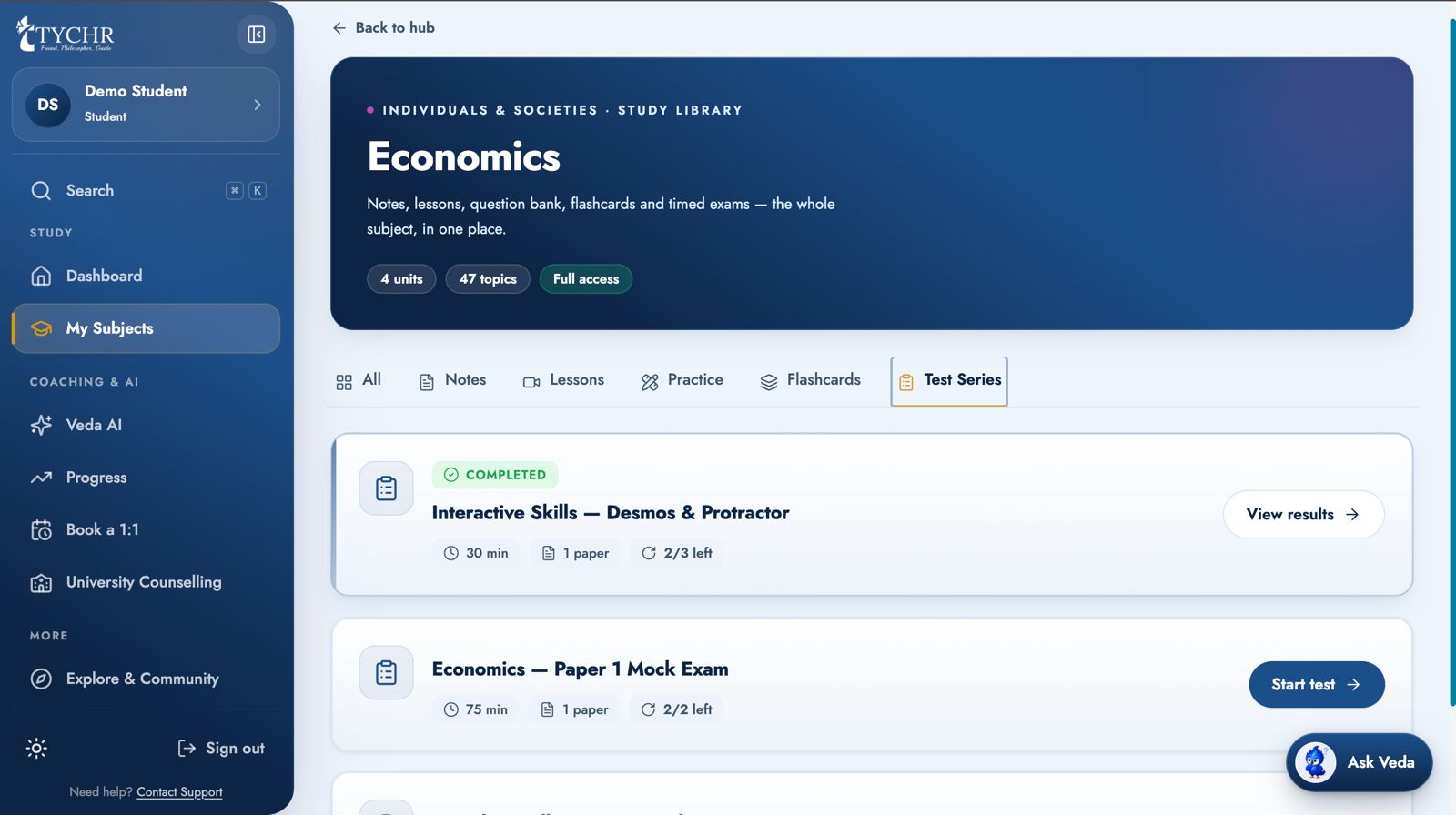
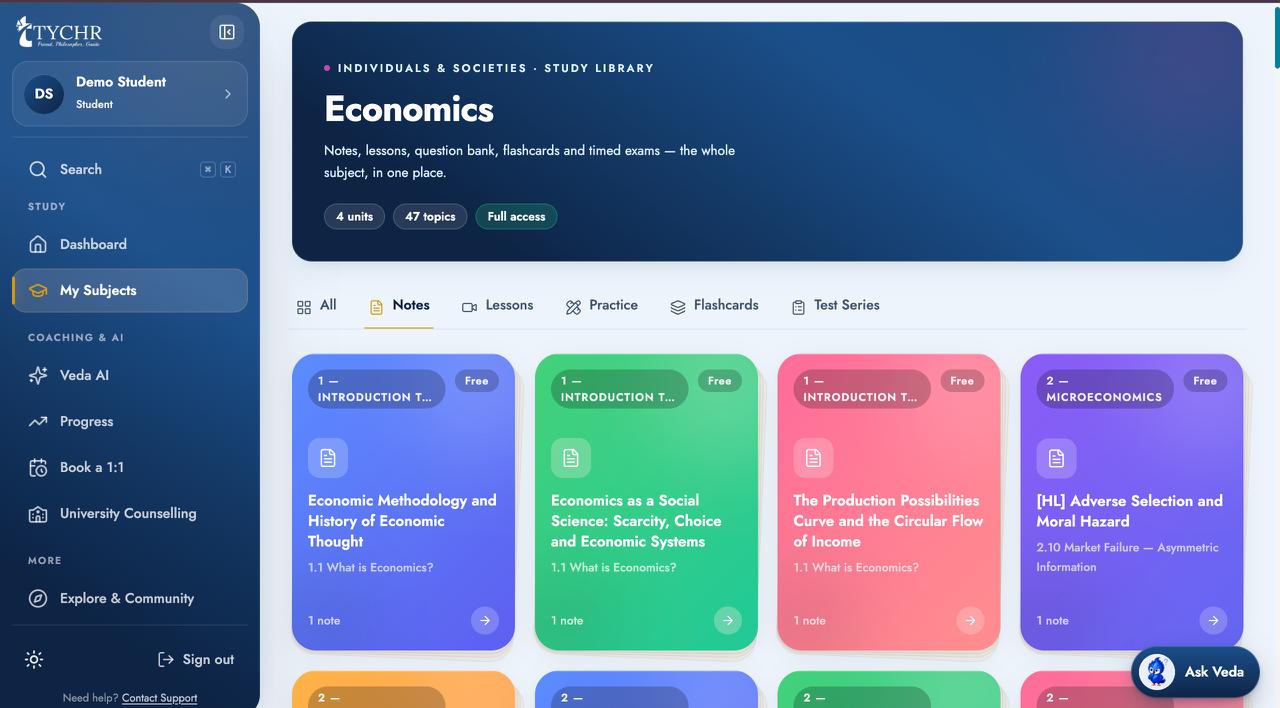
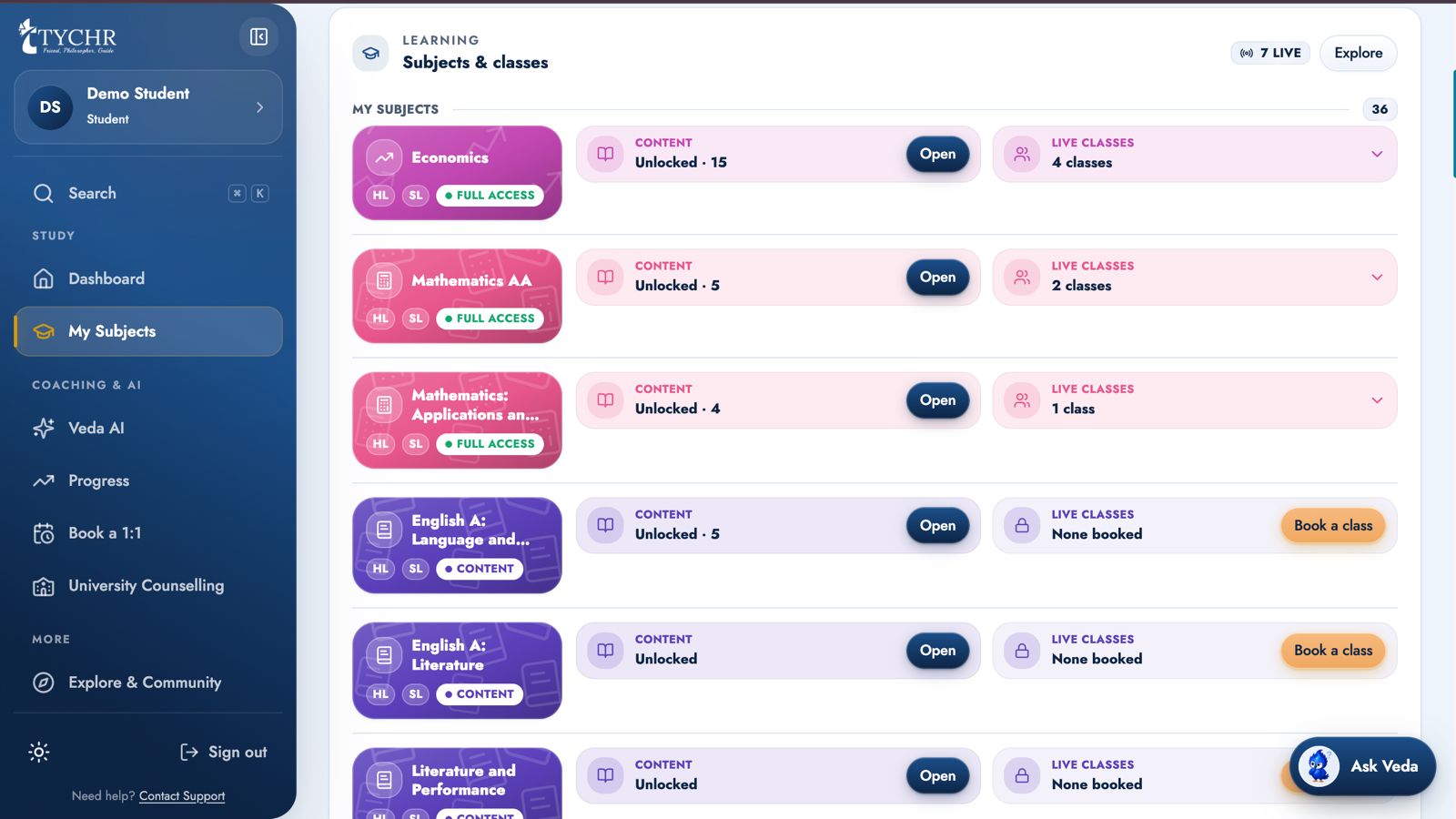
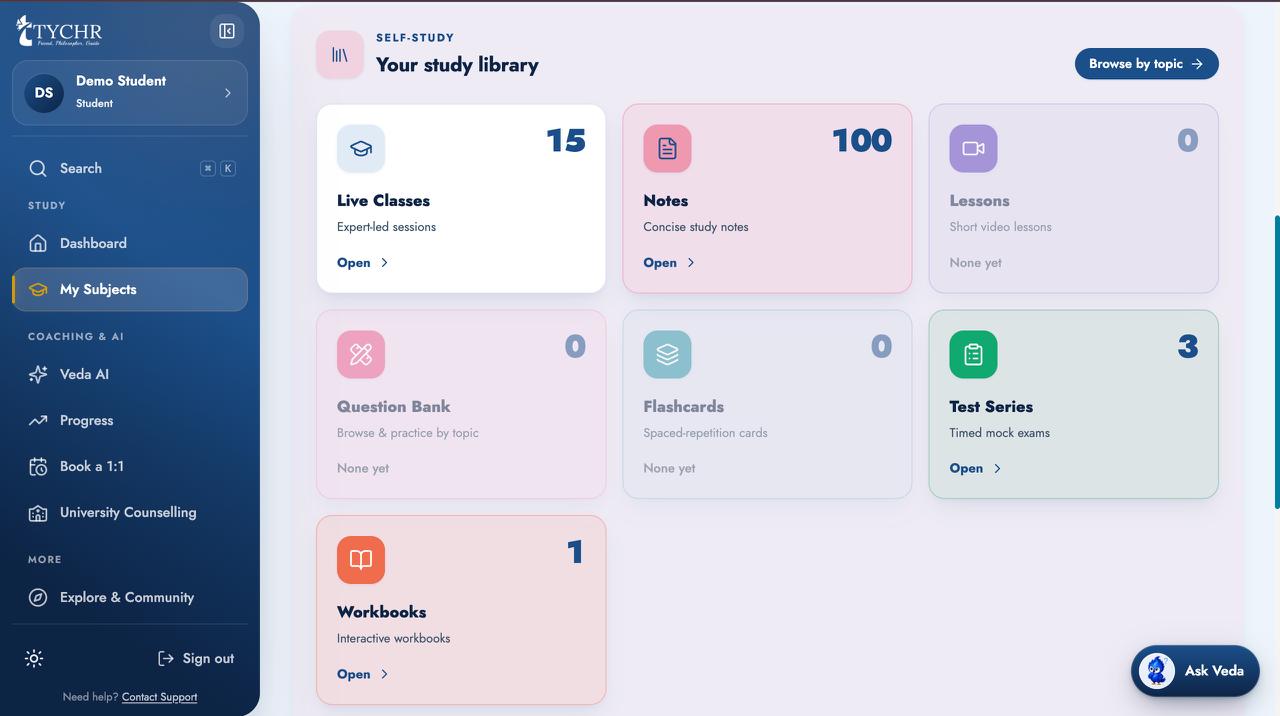
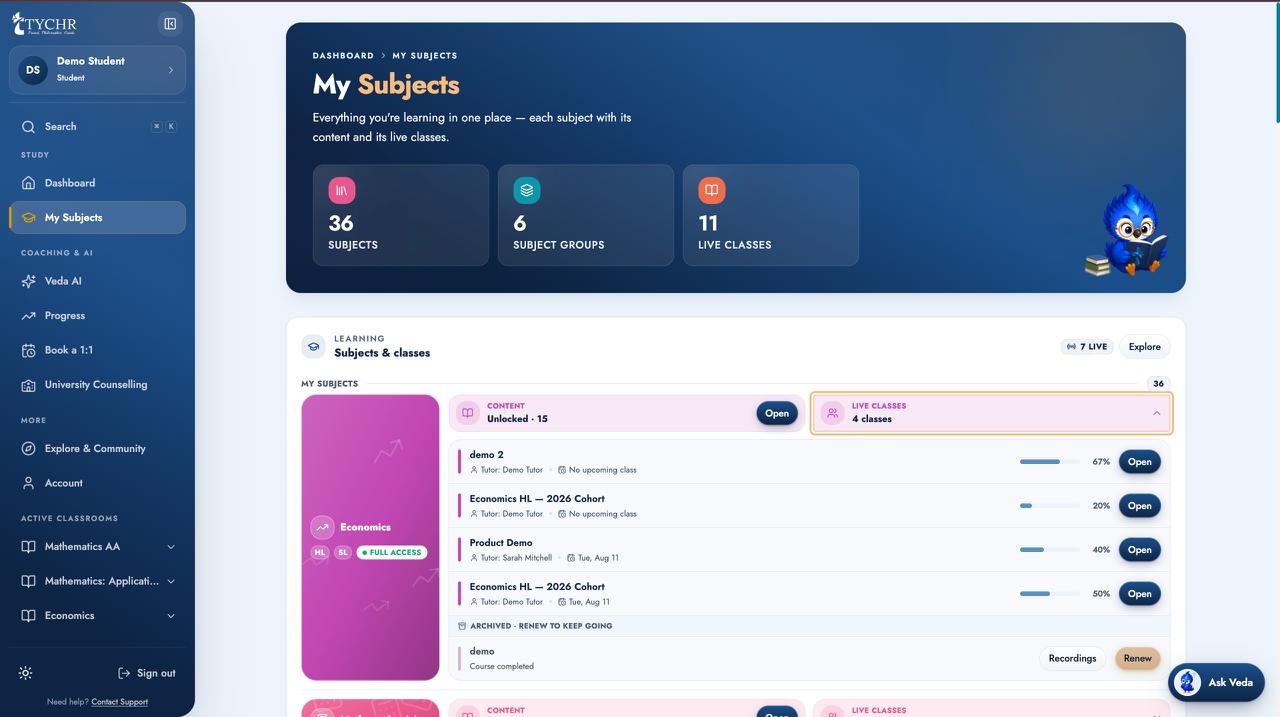
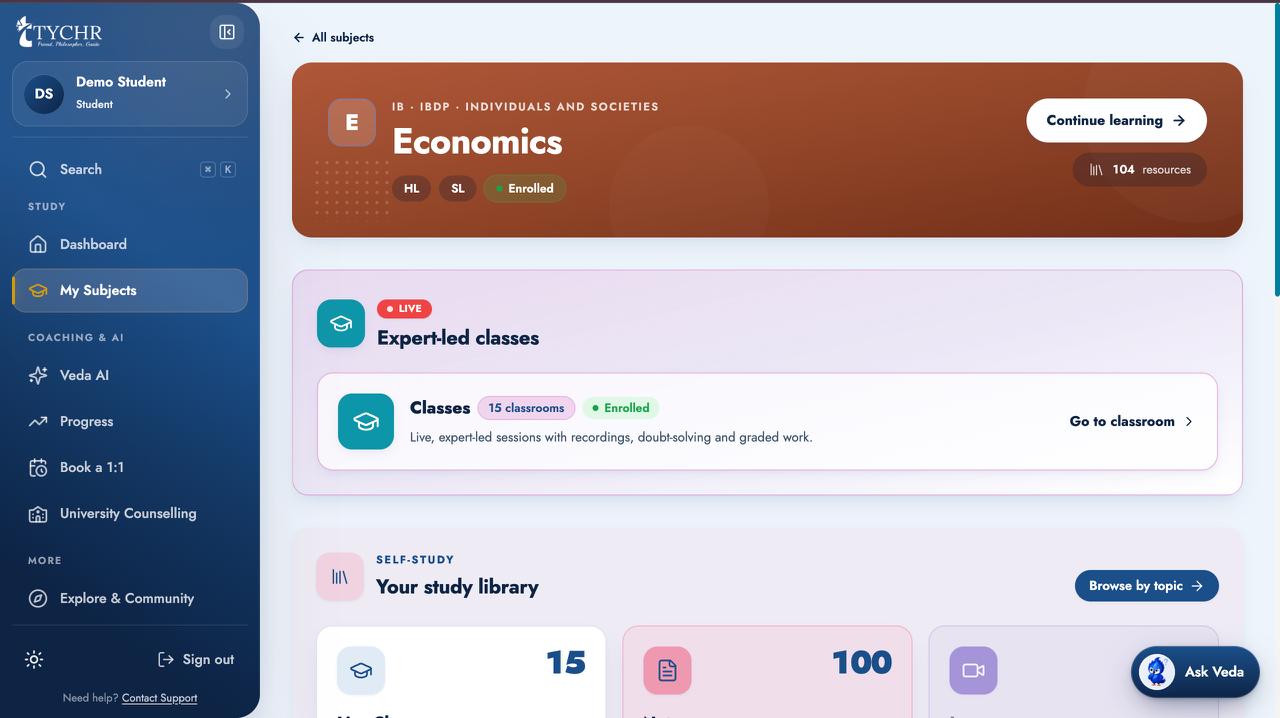
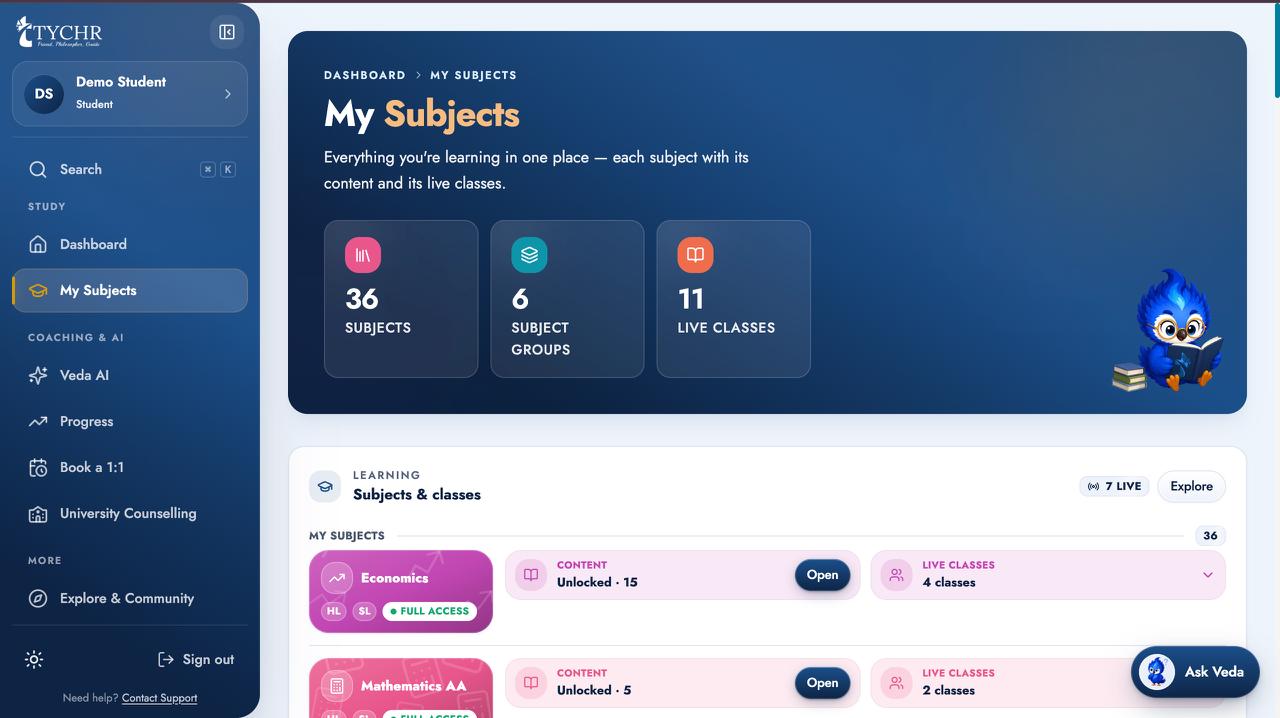
Explore our learning system
A platform designed around how students actually learn — adaptive, intuitive, and always one step ahead.
5000+
Students enrolled
100+
Expert tutors
95%
Satisfaction rate
70+
Countries reached
What Is IB Environmental Systems & Societies HL?
Course Structure & Assessment Overview
Course Framework
IB Environmental Systems and Societies (ESS) HL is an interdisciplinary transdisciplinary group 3 and 4 course that combines scientific exploration of environmental systems with a comprehensive look at the cultural, economic, ethical, and political contexts of environmental issues.
240 Hours
Total teaching hours for HL
7 Options
Core environmental systems options
3 Components
Assessment tasks (Papers 1, 2, Internal Assessment)
8 Princi.
Guiding environmental concepts and perspectives
HL Assessment Breakdown
Paper 1 (25%)
Case study analysis of unseen environmental data and issues
Paper 2 (50%)
Structured short-answer questions and structured essay questions
Internal Assessment (25%)
Individual environmental research investigation
HL vs SL — Key Differences
Understanding What Makes Higher Level More Challenging
| Aspect | Higher Level (HL) | Standard Level (SL) | Impact |
|---|---|---|---|
| Teaching Hours | 240 hours | 150 hours | 90 additional hours for deeper systems analysis and HL extension topics |
| Syllabus Depth | Additional HL extensions | Core topics only | Broader exposure to complex ecological principles, modeling, and environmental value systems |
| Paper 1 Duration | 1 hour 0 minutes | 1 hour 0 minutes | Case study analysis requires deeper synthesis of unseen environmental data for HL |
| Paper 2 Duration | 2 hours 0 minutes | 1 hour 30 minutes | Longer duration with more rigorous structured and essay questions requiring greater depth |
| Internal Assessment | 10 hours lab/field work | 10 hours lab/field work | Same time allocation but higher expectations for methodological rigor and complexity |
| Complexity Expected | Advanced systems modeling | Fundamental system dynamics | HL requires deep understanding of feedback loops, environmental laws, and quantitative evaluations |
Why Choose HL?
- Planning to study environmental science, ecology, or sustainability at university
- Strong passion for scientific inquiry and systems thinking
- University programs require rigorous scientific preparation
- Want to develop advanced analytical and experimental design skills
- Confident in scientific data analysis and geography/biology concepts
- Enjoy in-depth case studies and environmental modeling
HL Challenges We Address
- Mastering additional higher-level core extension topics
- Developing sophisticated quantitative and qualitative analytical frameworks
- Designing and executing an independent internal assessment investigation
- Analyzing complex unseen environmental data and case studies in Paper 1
- Integrating diverse perspectives into structured essay responses
- Balancing breadth of ecological systems with depth of scientific analysis
IB ESS HL Paper 1
Environmental Systems Case Study Analysis — Strategies & Techniques
Time Management & Structural Strategy
01. Active Data Mining (15 mins)
- 1.Spend the first 15 minutes thoroughly analyzing the resource booklet, maps, and statistical charts.
- 2.Identify key environmental indicators, feedback loops, and human-environment interactions.
- 3.Highlight trends, anomalies, and underlying spatial or temporal patterns in the data.
02. Structured Scientific Arguments (Anchor)
- 1.Treat command terms (e.g., evaluate, discuss, justify) as structural anchors for your answers.
- 2.Ensure every multi-mark question weighs different perspectives, including ecological, economic, and social factors.
- 3.Balance technical terminology with logical cause-and-effect reasoning.
03. Pacing & Synthesis (45 mins)
- 1.Enforce a strict time allocation per question relative to its mark weight.
- 2.Write with clear scientific precision; avoid colloquialisms and unsupported environmental claims.
- 3.Reserve a hard 5-minute review window to verify units, calculations, and completeness of extended responses.
What Examiners Reward
Assessors prioritize quantitative data interpretation and systems-thinking over vague descriptive summaries. They reward selective, precise use of qualitative and quantitative evidence alongside rigorous analysis of environmental models and value systems.
Our tutors evaluate student responses against exact IB criterion descriptors, delivering transparent roadmaps for high-mark gains.
The Core Higher Level Challenge
The biggest challenge for ESS HL candidates is rapidly synthesizing unfamiliar numerical, graphical, and qualitative data from unseen case studies to evaluate complex environmental management strategies under strict time constraints.
Simulated Exam Drills Applied From Session 1IB ESS HL Paper 2
Structured Essay & Case Study Techniques
Essay Structure & Timing
Introduction (10-12 mins)
- Define key environmental terms and system boundaries
- Introduce the specific case studies or models to be used
- Clear thesis statement addressing the command term
- Brief outline of the evaluative approach
Body Paragraphs (90-100 mins)
- Topic sentence establishing the core scientific or systematic argument
- Detailed evidence from named case studies with quantitative data where possible
- Evaluation of environmental value systems (EVS) involved
- Critical analysis of limitations, counter-arguments, or long-term impacts
- Link back to the prompt's command term
Conclusion (10-15 mins)
- Synthesize main scientific and evaluative insights
- Weigh conflicting perspectives to reach a justified, balanced judgment
- Final evaluative statement on sustainability or management efficacy
- NO new case studies or data points
Comparative Approaches
Systems Dynamics Framework
Analyze inputs, outputs, transfers, and transformations within systems
Best for:
Questions involving feedback loops, energy flows, and environmental models
EVS Perspective Comparison
Weigh technocentric solutions against ecocentric and anthropocentric values
Best for:
Evaluation essays requiring diverse viewpoints on management strategies
Multifactorial Impact Evaluation
Organize by ecological, social, economic, and political factors
Best for:
Complex essay prompts assessing sustainability or conservation issues
Top Tips from Our HL Tutors
Choose Your Questions Wisely
Spend 10 minutes reviewing options across different sub-topics. Pick the essays where you can integrate quantitative models and diverse case studies, not just the ones that look easiest.
Balance Breadth and Depth
Examiners look for rigorous evaluation of environmental value systems (EVS). Don't just list scientific facts—discuss the human, economic, and ethical dimensions throughout.
Use Scientific Terminology
Entropy, sustainability, feedback loops, carrying capacity, zonation, biodiversity—these signal sophisticated systems thinking to examiners.
Incorporate Real-World Case Studies
Support your arguments with specific, named examples (e.g., specific national reserves, pollution management treaties, or energy transitions) rather than generalizations.
Address Divergent Perspectives
Explicitly evaluate different viewpoints (e.g., ecocentric vs. technocentric) regarding environmental management decisions.
Avoid Memorized Essays
Prepare flexible frameworks and case study data, but adapt your response to the exact wording of the prompt. Generic essays lose marks for lack of focus.
Internal Assessment (IA)
Preparation, Coaching & Assessment Strategies for IB ESS Internal Assessment
Preparation Timeline
Weeks 1-2
Environmental Issue Selection
- ✓Research authentic environmental systems issues (sustainability, pollution, biodiversity loss, etc.)
- ✓Ensure issue has local and global ecological, social, or ethical significance
- ✓Consider how human-environment interactions manifest across different value systems
- ✓Choose an environmental topic you're genuinely interested in investigating
Weeks 3-4
Source Selection & Extract
- ✓Choose one scientific/technical text and one media/policymaking source
- ✓Select a precise data extract or case study excerpt that highlights the environmental issue
- ✓Choose an engaging visual or non-scientific text (graph, policy document, infographic)
- ✓Ensure both sources offer rich analytical and systems-thinking potential
Weeks 5-6
Systems Analysis Development
- ✓Analyze scientific evidence and stakeholder perspectives in both sources
- ✓Identify environmental models, feedback loops, and management strategies
- ✓Draw connections between sources and the core environmental issue
- ✓Prepare a strong opening statement and clear environmental thesis
Weeks 7-8
Practice & Refinement
- ✓Record yourself and review your investigation
- ✓Practice incorporating quantitative data and environmental terminology
- ✓Review analysis and evaluation of your findings
- ✓Refine the report and ensure balanced coverage of all evidence
Presentation Structure
Opening
~15%Introduce the environmental issue, explain its systemic significance, and preview your investigation
Primary Evidence Analysis
~40%Detailed analysis of scientific data or case study showing environmental impacts
Supporting Evidence Analysis
~40%Analyze additional evidence, policy, media, or environmental data relevant to the investigation
Conclusion
~5%Synthesize findings and discuss broader sustainability implications
How It Works
Environmental Issue Brainstorming
We help you identify sophisticated, authentic ecological issues that span global systems
Source Pairing Strategy
Guidance on choosing scientific and media source combinations that offer rich analytical potential
Mock IA Reviews
Detailed feedback on your investigation, scientific terminology, analysis, and report structure
Evaluation Preparation
Strengthen your analysis, evaluation, and discussion of environmental value systems
Confidence Building
Build confidence through iterative feedback and refinement of your investigation
Visual Aid Guidance
Ensure maps, charts, and visuals strengthen your analysis and communicate findings effectively
Higher Level Essay (HLE)
Research, Execution & Scoring — Your 25% Advantage in IB ESS HL
8-Week Writing Process
Research Question Formulation
- Choose a focused environmental issue with local or global significance
- Formulate a clear, testable research question with measurable variables
- Ensure the topic allows for rigorous scientific and systematic analysis
- Check feasibility of data collection within the 10-hour timeframe
Data Collection & Methodology
- Design a robust lab experiment, field survey, or secondary data protocol
- Ensure proper control of variables and ethical considerations
- Gather sufficient quantitative and qualitative data points
- Record raw data meticulously in structured tables
Analysis & Draft 1
- Process data using appropriate statistical and graphical tools
- Interpret trends, anomalies, and environmental implications
- Write first complete draft addressing all assessment criteria
- Submit to supervisor for preliminary feedback
Evaluation & Final
- Critically evaluate methodology, limitations, and extensions
- Refine conclusion and link back to environmental value systems
- Polish scientific terminology and check word count (1500-2250)
- Proofread carefully and format references before submission
How Our HLE Support Works
Topic & RQ Brainstorming
Guided sessions to identify scientifically viable, focused environmental investigations
Methodology & Data Guidance
Expert advice on experimental design, data processing, and statistical analysis
Draft & Evaluation Coaching
Detailed feedback on structure, scientific reasoning, and meeting all IA criteria
Case Study & Systems Analysis Strategies
Master Both Analysis Approaches for IB ESS HL
Studied Case Study Strategies
For Paper 2, IO, and IA — building deep knowledge of your environmental systems
Active Annotation System
Develop a color-coded annotation method for different scientific and systematic features
- Yellow: Key data and quantitative metrics
- Green: Environmental models and feedback loops
- Blue: Systems interactions and transfers
- Pink: Stakeholder perspectives and EVS values
Case Study Bank Creation
Build a database of versatile real-world examples for each environmental topic
- Organize by environmental issue, location, and management strategy
- Memorize 3-5 key case studies with quantitative data
- Practice integrating case evidence into different essay prompts
- Link case studies to multiple environmental value systems
Systems Framework
Identify connecting points across your studied environmental systems
- Create charts mapping inputs, outputs, transfers, and transformations
- Note similar and contrasting management approaches
- Identify ecological and socioeconomic connections
- Practice switching between different system models
Unseen Data Strategies
For Paper 1 — analyzing environmental case studies and datasets you've never encountered before
Rapid Data & Source Identification
- 1.Identify source type (scientific report, data table, map, infographic)
- 2.Determine purpose (inform, evaluate, regulate)
- 3.Recognize target stakeholders and authority
- 4.Note context clues (geographic scale, date, environmental setting)
System-Spotting Technique
- 1.Scan for obvious scientific choices (trends, anomalies, feedback loops)
- 2.Identify quantitative patterns and statistical indicators
- 3.Note environmental value system shifts and policy measures
- 4.Mark ecological or socioeconomic impacts
Evaluation-Over-Description Analysis
- 1.Don't just describe data—evaluate its environmental implications
- 2.Connect scientific evidence to sustainability and management strategies
- 3.Consider stakeholder response and long-term efficacy
- 4.Link to broader environmental systems concepts
Bridging Studied Case Studies & Unseen Data Analysis
The systems-thinking skills you develop with studied case studies transfer directly to unseen data analysis. Our tutoring helps you build a flexible scientific framework that works across both.
Weekly Practice Routine
One-to-One vs Group Tutoring
Choose Your Ideal Learning Format for the IB Diploma Programme
One-to-One Tutoring
Tailored, High-Impact Learning
- ✓Personalized curriculum pacing: Focus directly on your specific SL/HL syllabus needs.
- ✓Targeted weak-area remediation: Deep-dive into challenging topics and command terms.
- ✓1-on-1 Internal Assessment (IA) guidance: Tailored mentoring through rubric criteria.
- ✓Customized past paper practice: Detailed, line-by-line mark scheme breakdown.
- ✓Flexible scheduling: Adapt session timings around your school calendar and deadlines.
- ✓Direct mark-scheme feedback: Actionable critiques to push your boundaries toward a Grade 7.
Group Tutoring
Interactive & Collaborative Learning
- ✓Small cohort learning: Learn alongside 3–5 peers studying the same subject and level.
- ✓Collaborative problem-solving: Benefit from diverse perspectives and peer discussions.
- ✓Structured weekly syllabus roadmap: Consistent, steady coverage of core IB topics.
- ✓Shared past paper walkthroughs: Master IB exam techniques and mark schemes together.
- ✓Cost-effective mastery: Premium IB tutoring at a lower per-session rate.
- ✓Peer motivation & accountability: Stay on track alongside fellow IB diploma candidates.
Not sure which format works best? Book a free consultation to discuss your IB tutoring needs
Book Free ConsultationGrade Improvements — ESS HL Score Results
From Students

Vishaal
ESS HL

Manasa
ESS HL

Adit
ESS HL

Meghana
ESS HL
Free IB ESS HL Resources
Notes, Essay Guides & Past Papers
Complete HL Resource Library Access
All enrolled IB ESS HL students receive free access to our comprehensive digital library, updated with new exemplars and analysis guides
800+
Study Resources
10
Years of Papers
50+
Case Studies
24/7
Access
Systems Analysis Guides
Comprehensive guides for analyzing environmental systems, models, and case studies
- ✓System diagram techniques
- ✓EVS evaluation frameworks
- ✓Environmental glossary
Essay Writing Templates
Structured templates for Paper 1, Paper 2, and Internal Assessment with model responses
- ✓Case study essay outlines
- ✓Command term strategies
- ✓Transition phrase banks
Past Paper Collection
Official IB past papers with mark schemes and examiner reports
- ✓Paper 1 & Paper 2
- ✓Specimen papers
- ✓Grade 7 exemplars
IA Examples Database
Grade 7 Internal Assessment exemplars across different environmental topics
- ✓25+ annotated examples
- ✓Methodology guides
- ✓Data collection frameworks
IO Preparation Resources
Complete Individual Oral resources including environmental issue databases
- ✓Environmental issue frameworks
- ✓Source pairing strategies
- ✓Presentation scripts
Environmental Term Glossary
Comprehensive database of ecological concepts, environmental laws, and systems terms
- ✓150+ scientific terms
- ✓Case study examples
- ✓Practice identification
Recommended Case Study & Reading List
Systems Analysis Support Across All Topics
Popular HL Topic Choices by Category
Biosphere & Ecosystems
Silent Spring
by Rachel Carson
Key themes: Pesticides, Ecology, Bioaccumulation
The Sixth Extinction
by Elizabeth Kolbert
Key themes: Biodiversity, Anthropocene, Conservation
Braiding Sweetgrass
by Robin Wall Kimmerer
Key themes: Indigenous Knowledge, Botany, Sustainability
The Hidden Life of Trees
by Peter Wohlleben
Key themes: Forest Ecosystems, Symbiosis, Networks
Sand County Almanac
by Aldo Leopold
Key themes: Land Ethic, Ecology, Conservation
Atmosphere & Climate
The Uninhabitable Earth
by David Wallace-Wells
Key themes: Climate Change, Warming, Survival
Drawdown
by Paul Hawken
Key themes: Solutions, Carbon Sequestration, Energy
This Changes Everything
by Naomi Klein
Key themes: Capitalism, Climate, Activism
Atmosphere of Hope
by Tim Flannery
Key themes: Carbon Emissions, Geoengineering, Technology
The Weather Makers
by Tim Flannery
Key themes: Climate History, Global Warming, Impact
Human Systems & Energy
The Limits to Growth
by Donella H. Meadows
Key themes: Systems Dynamics, Resources, Population
The Quest
by Daniel Yergin
Key themes: Energy, Security, Modernity
Prosperity Without Growth
by Tim Jackson
Key themes: Economics, Sustainability, Welfare
Environmental Policy & Case Studies
IPCC Assessment Reports
by IPCC
Millennium Ecosystem Assessment
by UNEP
The Paris Agreement
by UNFCCC
Global Environment Outlook
by UNEP
Our Systems Analysis Support
Comprehensive frameworks tailored directly to the IB ESS HL curriculum
Case Study Selection Guidance
Help choosing case studies and research questions that align with your interests, offer systematic potential, and meet IB requirements.
Systems Analysis Sessions
Detailed analysis of environmental datasets, models, and feedback loops, exploring scientific techniques and systems thinking.
Contextual Understanding
Explore ecological, socioeconomic, and political context to deepen your environmental interpretation.
Comparative Frameworks
Identify connections across case studies for Paper 2 and IO, building sophisticated comparative evaluations.
EVS Perspective Application
Introduction to ecocentric, anthropocentric, and technocentric perspectives for advanced HL evaluation.
Data & Case Mastery
Build case study banks, practice data memorization techniques, and learn seamless quantitative integration.
Mock Assessment Sessions & Written Feedback
Practice Makes Perfect for All HL Assessments
Mock Assessment Process
Pre-Mock Preparation
- Submit your IA outline and environmental research question selections
- Receive preliminary feedback on scientific methodology
- Finalize data collection protocols and variables
- Practice timing your presentation or experimental setup
Mock Presentation Session
- Deliver 10-minute presentation or defense under exam conditions
- Respond to 5 minutes of follow-up questions on EVS and systems
- Recording provided for self-review
- Immediate initial impressions from tutor
Detailed Feedback
- Written report with criterion-by-criterion analysis
- Predicted score with justification
- Specific areas for scientific improvement
- Recommended changes and practice points
Refinement Session
- Review feedback together
- Practice improved scientific explanations
- Prepare better Q&A responses
- Final confidence-building tips
Written Assignment Feedback
Paper 1 Practice
✓ Criterion-based marking (A-E)
✓ Data interpretation strengths and weaknesses
✓ Model case study examples
✓ Time management notes
Paper 2 Essays
✓ Systems balance assessment
✓ EVS evaluation strength
✓ Evidence and case study integration feedback
✓ Scientific terminology precision notes
IA Drafts
✓ Methodology review
✓ Critical environmental analysis depth
✓ Scientific tone and style
✓ Data processing and referencing
Presentations
✓ Environmental issue clarity
✓ Source and data balance evaluation
✓ Delivery and timing notes
✓ Q&A preparation
Why Mock Practice Matters
Reduce Exam Anxiety
Familiarity with exam conditions significantly reduces stress and improves performance on the actual day.
Identify Weak Spots Early
Discover areas needing improvement weeks before finals, giving you time to address them systematically.
Perfect Your Timing
Learn to allocate time effectively across questions, avoiding the common pitfall of incomplete responses.
Build Confidence
Multiple practice sessions create muscle memory for exam performance, boosting your self-assurance.
Expert Feedback
Receive detailed, criterion-based feedback from experienced IB ESS HL tutors who understand marking.
What students say
“I was struggling with ESS HL case studies and data analysis. My tutor explained everything clearly and helped me understand how to apply concepts instead of simply memorising them. My exam preparation improved significantly.”

Aadith
ESS HL
“The personalised approach made a big difference. My tutor helped me strengthen my understanding of environmental systems, improve my essay structure, and prepare more effectively for Paper 1 and Paper 2.”

Vedeeka
ESS HL
“My tutor made ESS HL much easier to understand, especially complex environmental systems and case studies. The lessons were well structured, and I became much more confident with exam-style questions.”

Aarav
ESS HL
Frequently Asked Questions
Everything About IB ESS HL Tutoring
Yes, Environmental Systems and Societies (ESS) now features an HL extension covering advanced systems thinking and environmental governance.
Our tutors break down complex systems diagrams, feedback loops, and transfers of matter and energy across biomes.
Yes, we teach students how to interpret ecological footprints, pollution indices, and demographic datasets quickly.
We train students on structuring balanced arguments that weigh ecocentric and technocentric viewpoints effectively.
Absolutely. All sessions fully cover core topics, new HL extensions, and interdisciplinary environmental ethics.
Yes, we guide students through planning ecological field methodologies, statistical testing, and evaluating environmental data.
Is IB ESS HL Worth It?
University Goals & Subject Value
Why Universities Value IB ESS HL
Advanced Systems Thinking
HL demonstrates the ability to analyze complex environmental systems, model dynamic feedback loops, and evaluate scientific data—skills essential for modern sciences.
Independent Research
The Internal Assessment demonstrates independent scientific investigation and data processing at university level, showing you're prepared for undergraduate research.
Ecological Literacy
Exposure to diverse global case studies, environmental value systems (EVS), and sustainability challenges shows broad ecological awareness valued by selective universities.
University Pathways Where ESS HL Matters
Environmental Science & Engineering
Direct preparation for university-level ecological modeling, sustainability science, and field research
Environmental Law & Policy
Systems analysis, stakeholder evaluation, and evidence-based argumentation essential for environmental law
Sustainability & Development
Case study analysis and EVS evaluation directly transferable to sustainable development studies
Geography & Earth Sciences
Data processing, geospatial understanding, and biophysical systems analysis crucial for earth sciences
Conservation Biology
Understanding of biodiversity, ecosystems, and human impact on biosphere dynamics
Global Challenges & Public Health
Pollution management, resource security, and analytical evaluation skills directly applicable
The HL Advantage in Admissions
Beyond meeting requirements, ESS HL significantly strengthens your university application by demonstrating interdisciplinary scientific rigor and environmental leadership.
- Shows commitment to challenging coursework bridging sciences and humanities
- Demonstrates sophisticated data analysis and systems evaluation skills
- Provides strong basis for personal statement writing and interview discussions
- Prepares you for rigorous laboratory and field-style university teaching
- Develops time management across long-term investigations (IA)
96%
First Choice University
82%
Russell Group / Ivy+
$3.1M
Scholarships Won
100%
University Acceptance
Book Your ESS HL Tutor Today
Start Your Journey to ESS HL HL Excellence in 3 Simple Steps
Choose Your HL Tutor
Browse our expert ESS HL tutor profiles and select one who matches your literary interests and learning goals.
Schedule Free Trial
Book your complimentary 60-minute session to discuss your texts, goals, and current challenges—no commitment.
Start Literary Analysis
Begin your personalized HL journey with close reading, essay coaching, and comprehensive exam preparation.