Certified IB Economics HL Tutors in Global to Help You Achieve 7/7 Across All Components
IB Economics HL is one of the most assessment-diverse IB subjects, featuring distinct assessment components that each require a specialized analytical approach.

GULIA
43/45
TANISHA
43/45
ADAA
43/45
RUSHIL
45/45
ESHAAN
42/45
VISHAAL
43/45Start your journey with the right guidance.
Your information is kept private and never shared with third parties.
+1.8
Average grade improvement
91%
Students score 6 or 7
600+
Economics HL students tutored
4.9/5
Average tutor rating
Economics HL Results That Speak For Themselves









Start your journey with the right guidance.
Our Placements


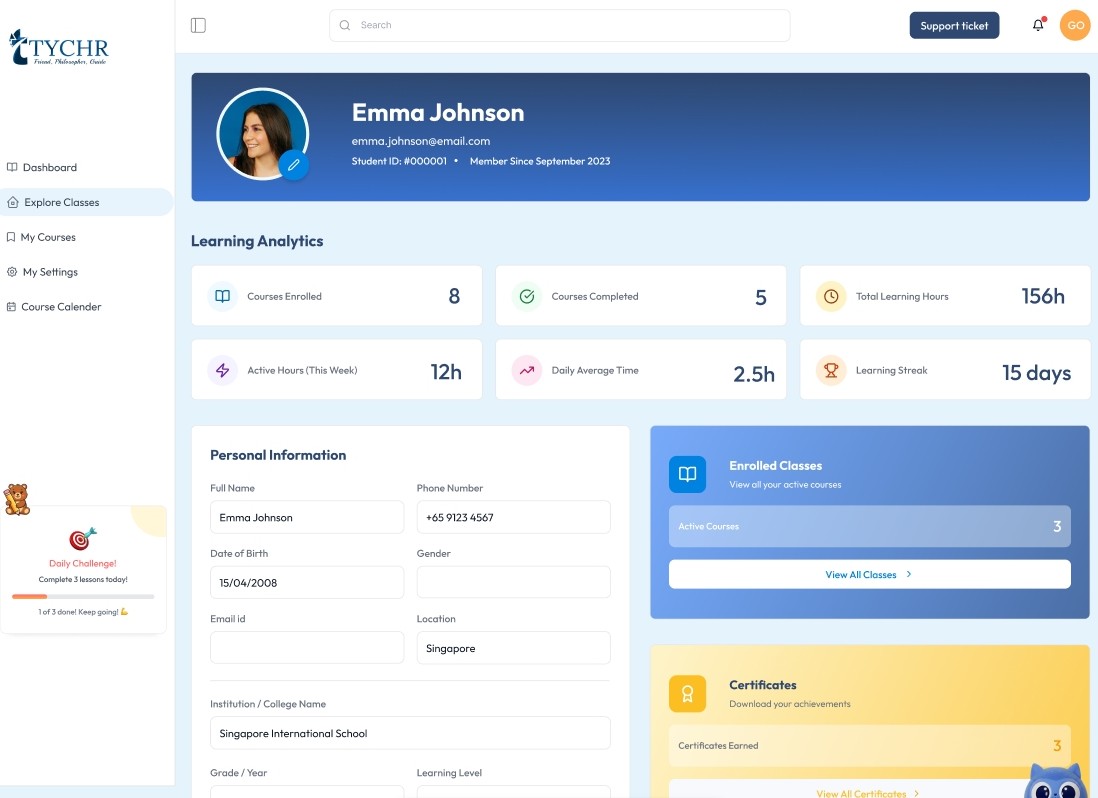
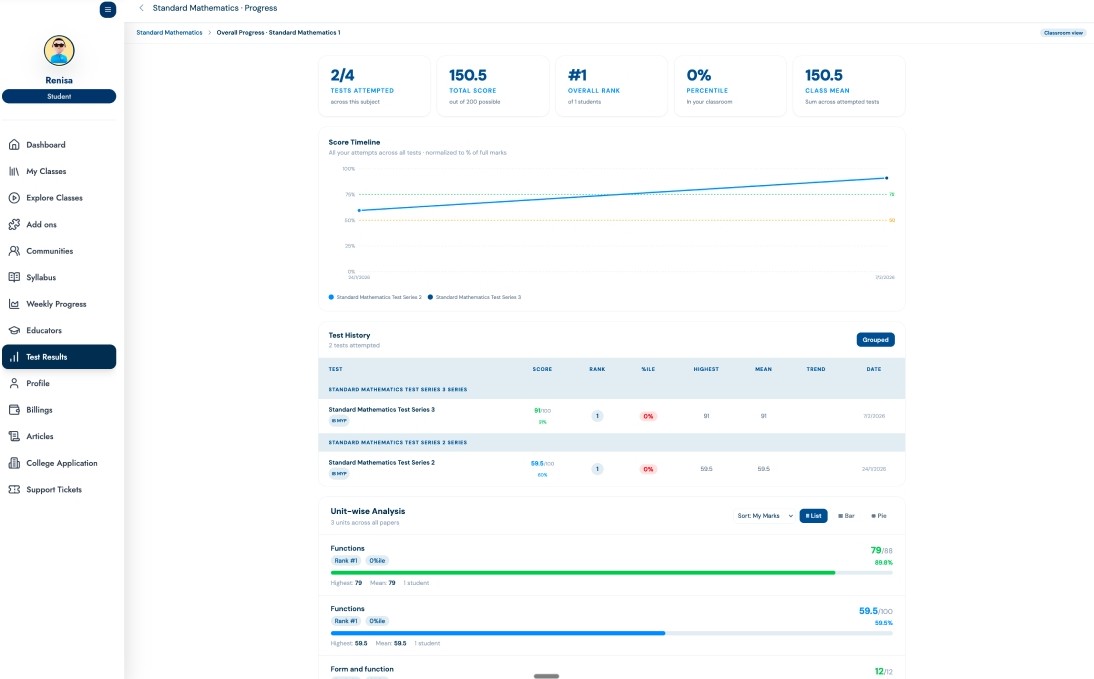
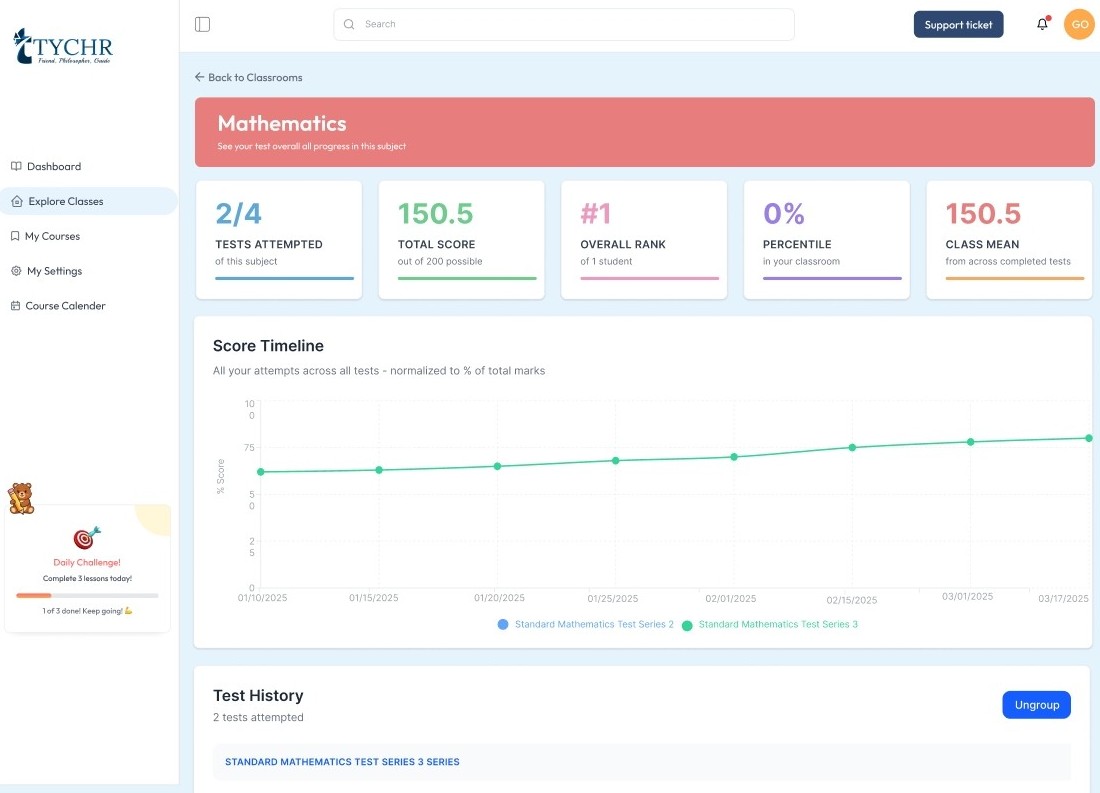
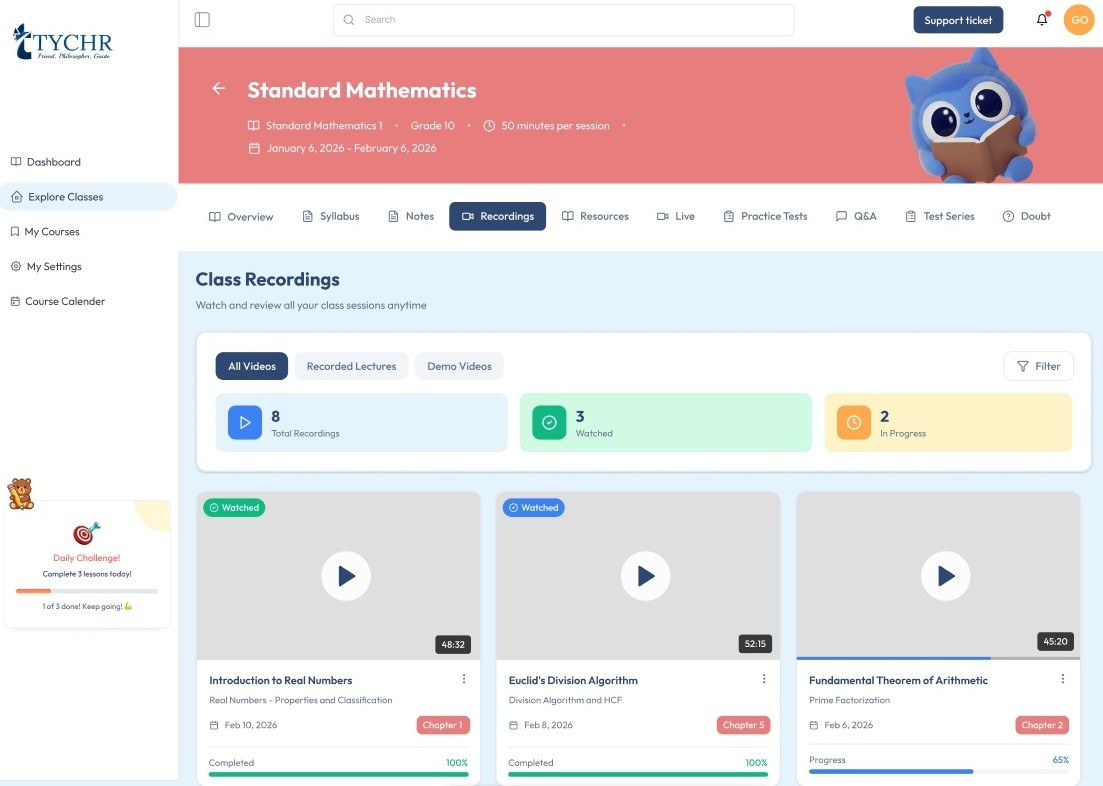
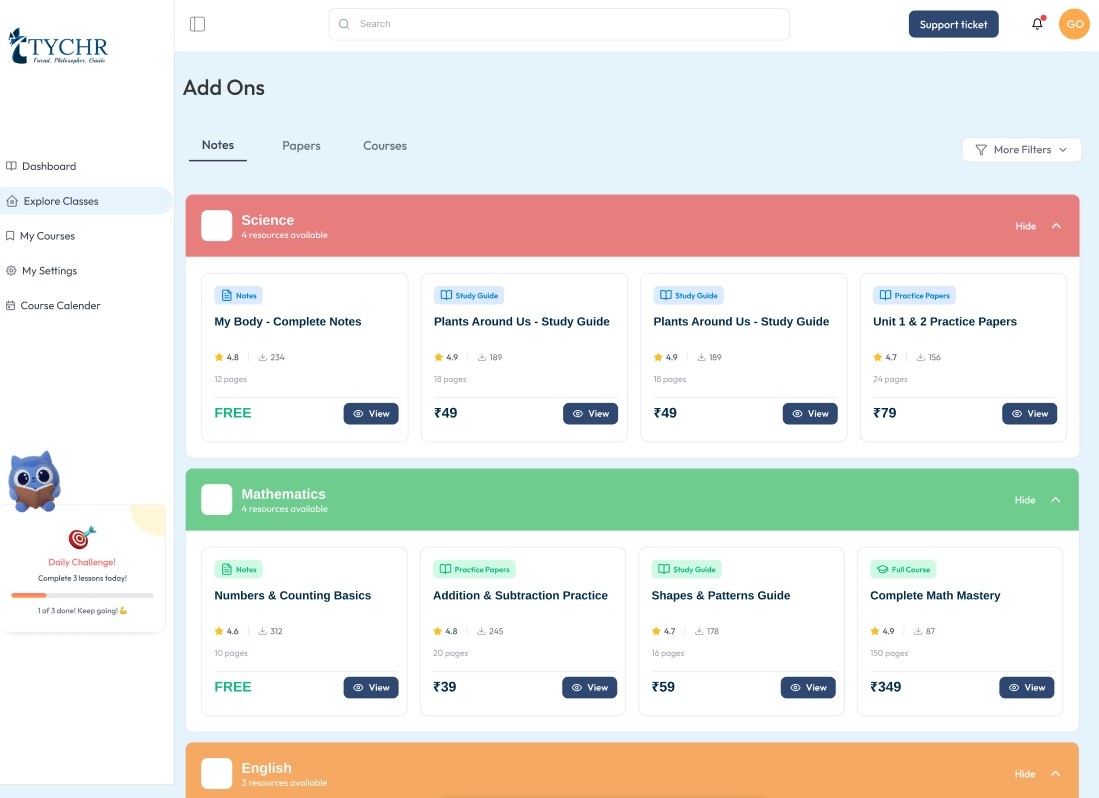
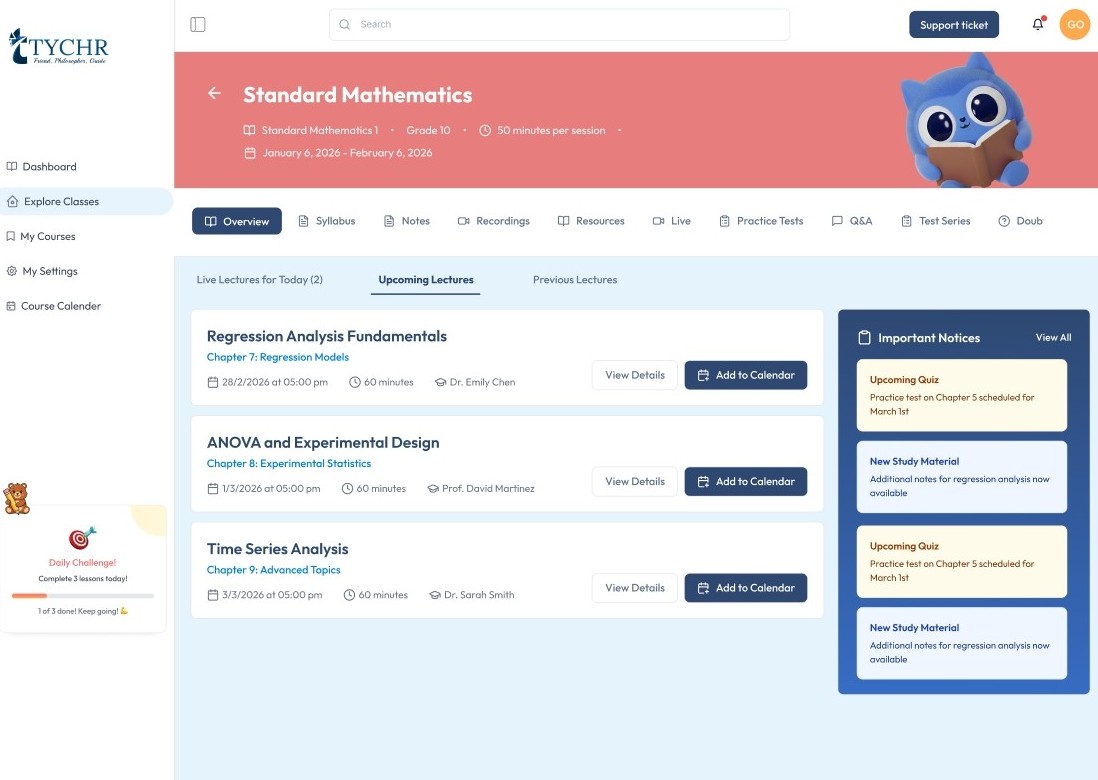
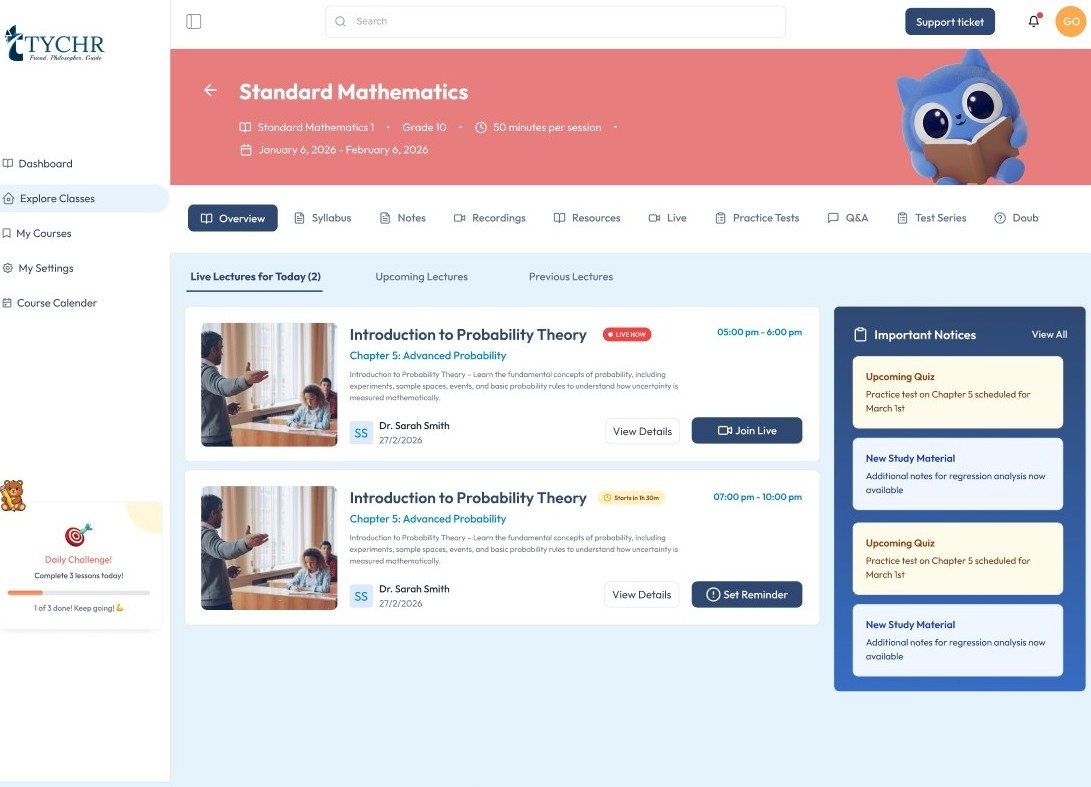
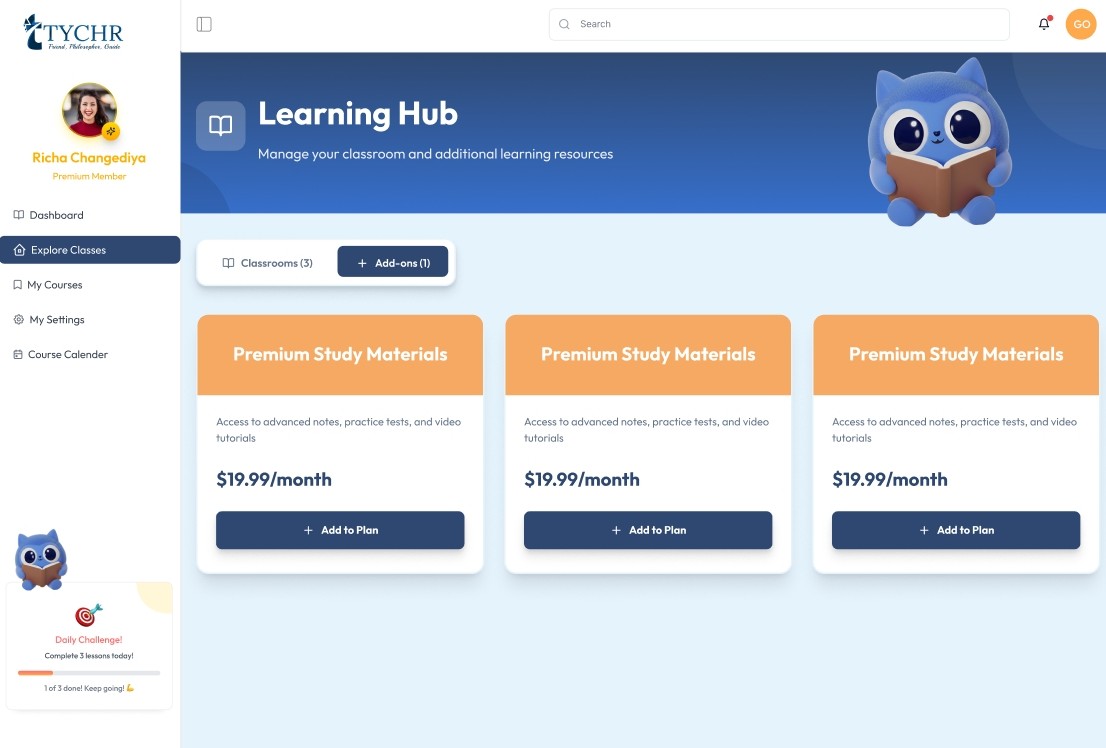
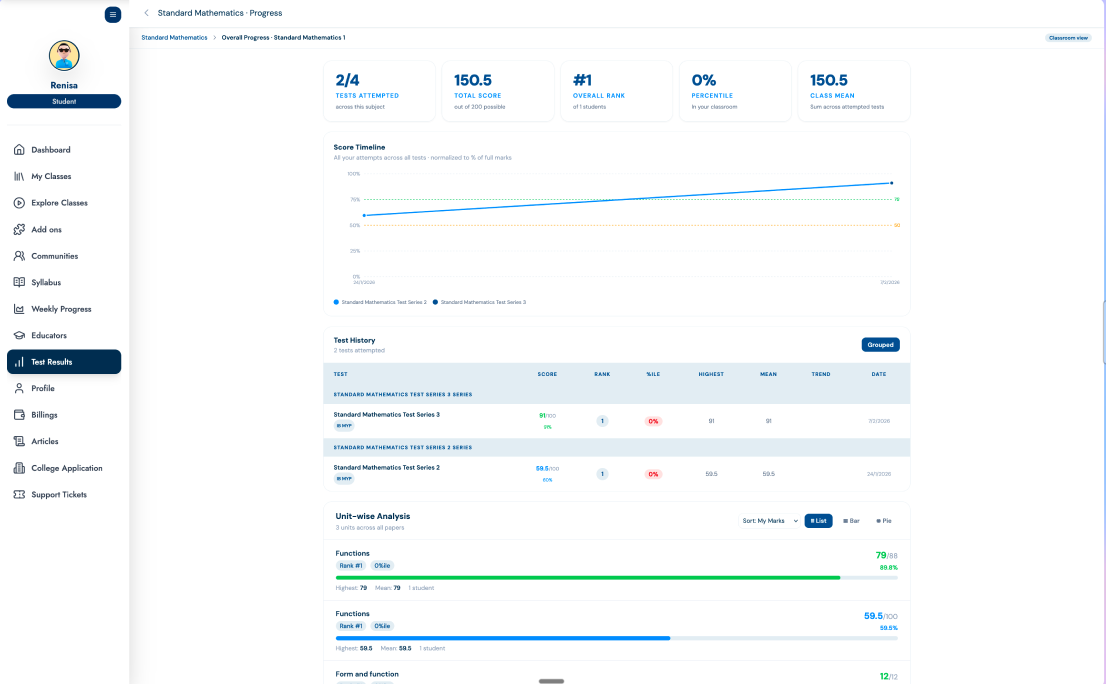
Explore our learning system
A platform designed around how students actually learn — adaptive, intuitive, and always one step ahead.

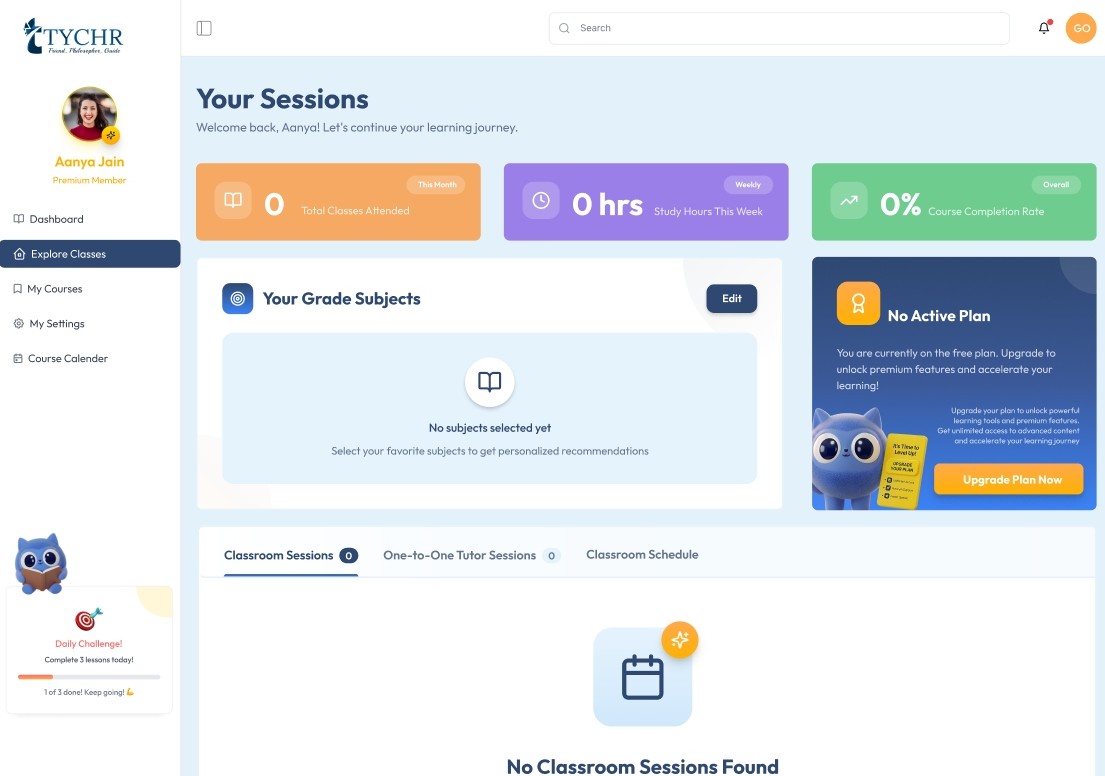
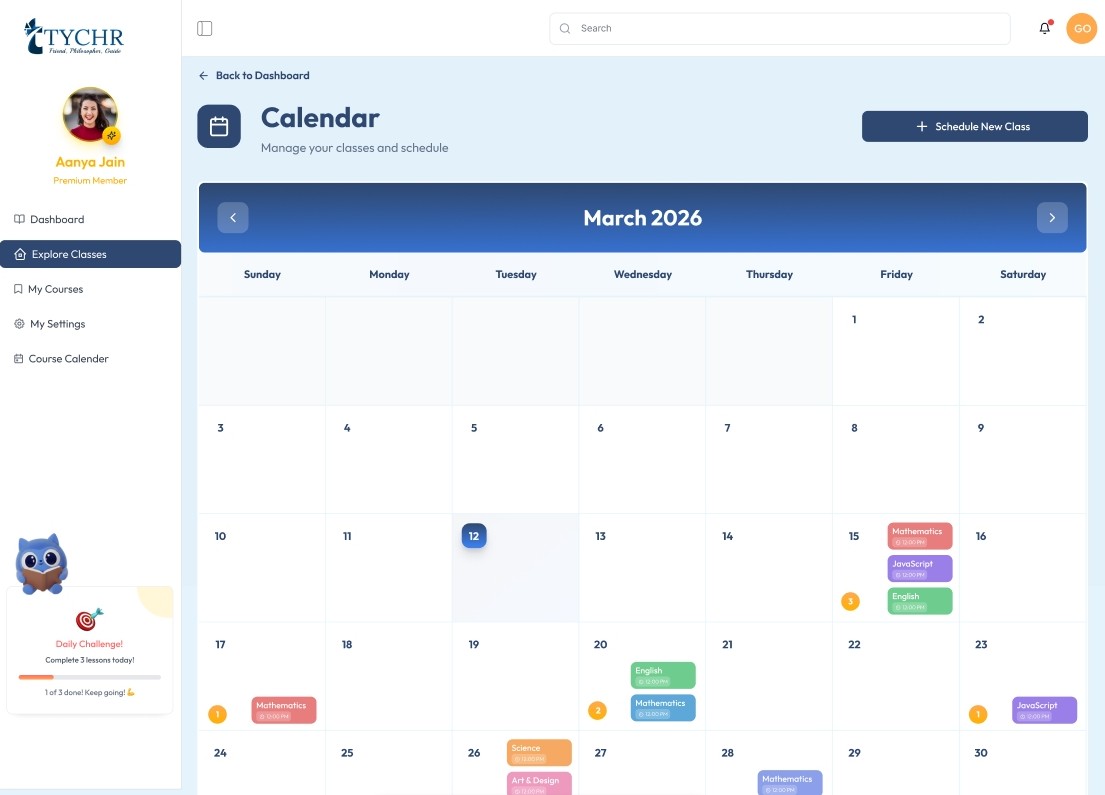
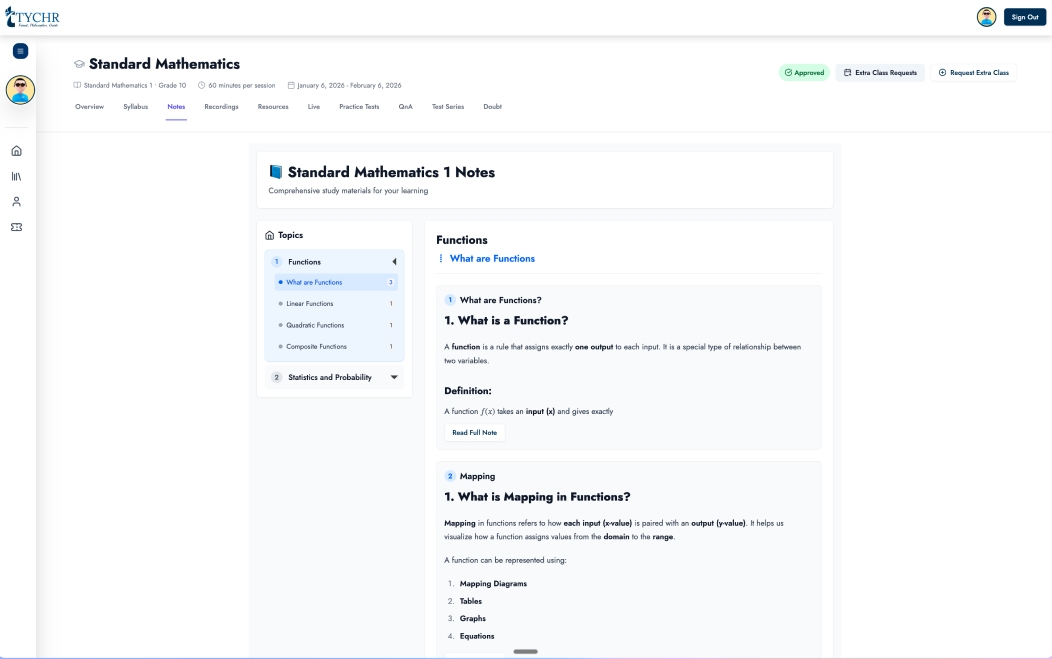
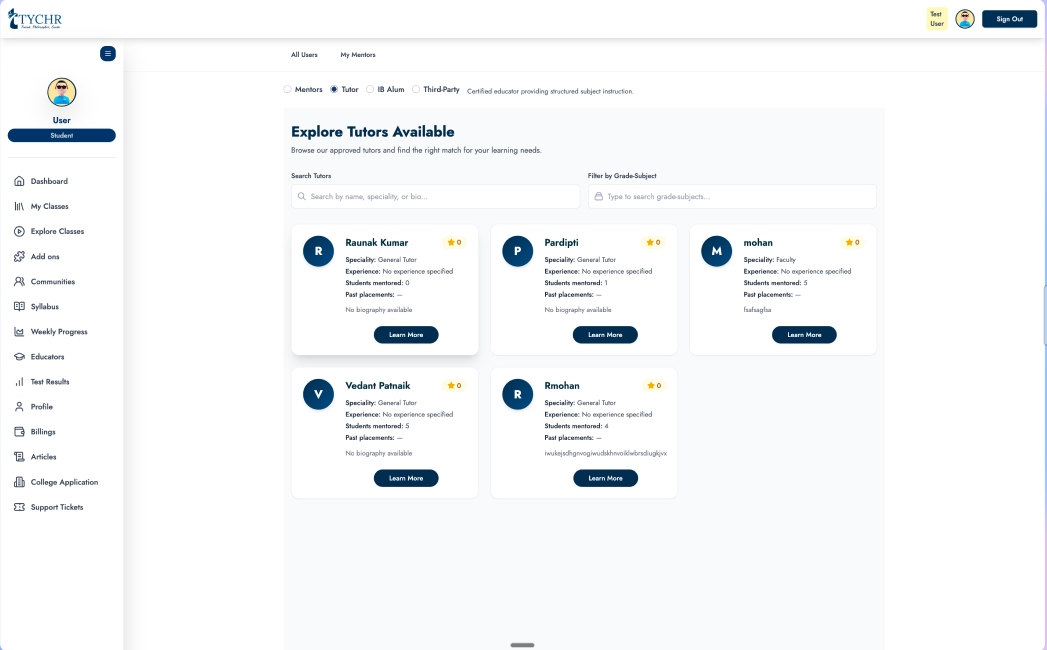
5000+
Students enrolled
100+
Expert tutors
95%
Satisfaction rate
70+
Countries reached
What Is IB Economics HL?
Course Structure & Assessment Overview
Course Framework
IB Economics HL is a rigorous course that explores how individuals, firms, governments, and economies make choices under conditions of scarcity. Students develop a deep understanding of economic theories and models, apply them to real-world issues, evaluate policy decisions, and use quantitative techniques to support economic analysis.
240 Hours
Total teaching hours for HL
4 Units
Microeconomics, Macroeconomics, Global Economy, and Development Economics
4 Components
Assessment tasks (Papers 1, 2, 3, and Internal Assessment)
9 Concepts
Key economic concepts and conceptual understandings
HL Assessment Breakdown
Paper 1 (20%)
Extended-response paper assessing economic theory, analysis, evaluation, and policy application
Paper 2 (30%)
Data response paper requiring quantitative analysis, interpretation, and application of economic concepts
Paper 3 (30%)
HL paper focused on quantitative techniques, economic analysis, and policy application
Internal Assessment (20%)
Portfolio of three economic commentaries based on real-world economic issues
HL vs SL — Key Differences
Understanding What Makes Higher Level More Challenging
| Aspect | Higher Level (HL) | Standard Level (SL) | Impact |
|---|---|---|---|
| Teaching Hours | 240 hours | 150 hours | HL provides additional teaching time for greater theoretical depth, quantitative techniques, and HL extension content |
| Syllabus Scope | Four units + HL extension content | Four core units | HL requires deeper understanding and application of economic theories, models, and quantitative techniques |
| External Assessment | 3 examination papers | 2 examination papers | HL includes an additional Paper 3 requiring analysis of text-based and quantitative data and policy recommendations |
| Quantitative Skills | Advanced quantitative techniques | Core quantitative application | HL students are expected to apply quantitative techniques more extensively when interpreting economic relationships and data |
| Policy Analysis | Paper 3: Policy-focused | No Paper 3 | HL students must use economic theory and supplied data to recommend an appropriate policy response |
| Complexity Expected | Greater depth of analysis and evaluation | Core conceptual application | HL places greater emphasis on synthesis, evaluation, quantitative reasoning, and applying economics to complex real-world issues |
Why Choose HL?
- Planning to study economics, finance, business, or related social sciences at university
- Strong analytical and quantitative mindset
- Interested in advanced economic theory, models, and policy analysis
- Want to develop stronger skills in interpreting and applying economic data
- Enjoy evaluating real-world economic and government policy issues
- Comfortable managing the additional depth and quantitative demands of HL Economics
HL Challenges We Address
- Mastering the additional HL extension content across the economics syllabus
- Developing confidence with quantitative techniques and economic calculations
- Applying economic models and diagrams accurately under exam conditions
- Analyzing text-based and quantitative data in Paper 3
- Developing evidence-based policy recommendations using economic theory
- Balancing theoretical understanding, real-world application, quantitative analysis, and evaluation
IB Economics HL Paper 3
Policy, Data & Quantitative Analysis — Strategies & Techniques
Time Management & Structural Strategy
01. Data & Question Analysis (10 mins)
- 1.Read the supplied text, tables, charts, and quantitative information carefully before beginning your response.
- 2.Identify the economic issue, key variables, relevant data, and command terms in each question.
- 3.Determine which economic concepts, diagrams, formulas, and quantitative techniques are most relevant.
- 4.Plan how the numerical evidence can support the economic analysis and final policy recommendation.
02. Quantitative & Analytical Execution
- 1.Show calculations clearly and include appropriate working so your reasoning can be followed.
- 2.Use correct units, labels, formulas, and economic terminology throughout quantitative responses.
- 3.Interpret numerical results rather than simply presenting the calculated answer.
- 4.Link quantitative findings to the underlying economic issue and explain their significance.
03. Policy Evaluation & Review
- 1.Evaluate policy options using relevant economic theory, supplied evidence, and stakeholder impacts.
- 2.Consider short-term and long-term consequences, effectiveness, equity, opportunity costs, and possible limitations.
- 3.Provide a clear and justified recommendation that directly responds to the economic problem.
- 4.Reserve the final minutes to check calculations, units, diagrams, labels, command terms, and the consistency of your final judgment.
What Examiners Reward
Assessors reward accurate interpretation of supplied text and quantitative data, appropriate application of economic theory, and clear reasoning when evaluating policy options.
Strong responses combine correct calculations and economic terminology with relevant diagrams, evidence-based analysis, and justified policy recommendations. Our tutors help students connect every calculation and theoretical point directly to the data and economic issue presented.
The Core Higher Level Challenge
The biggest challenge for HL candidates is combining quantitative accuracy with economic reasoning and policy evaluation under strict time pressure. Students must interpret unfamiliar data, apply appropriate economic concepts, and reach justified conclusions rather than relying on memorized theory.
Simulated Paper 3 Drills From Session 1IB Economics HL Paper 2
Data Response Techniques & Strategies
Essay Structure & Timing
Question Analysis (10-15 mins)
- Identify the command term and exactly what the question requires
- Define only the key economic terms necessary for the response
- Identify relevant data, theories, diagrams, and real-world examples
- Establish the main argument or line of reasoning before writing
Analysis & Evaluation (75-80 mins)
- Begin each section with a clear economic argument
- Integrate relevant evidence from the supplied data
- Use accurately labelled diagrams where appropriate
- Explain the economic mechanism behind each argument
- Evaluate impacts on different stakeholders and consider alternative outcomes
- Link analysis consistently back to the wording of the question
Conclusion & Review (10-15 mins)
- Synthesize the strongest economic arguments
- Give a clear and justified final judgment where evaluation is required
- Address short-term and long-term implications where relevant
- Check diagrams, terminology, calculations, data references, and command-term requirements
- Do not introduce completely new arguments in the conclusion
Comparative Approaches
Integrated Analysis
Introduce the relevant economic theory, apply it to the supplied data, use an appropriate diagram where useful, and explain the economic implications before evaluating the outcome.
Best for:
Questions requiring theory, data, and diagrams
Comparative Evaluation
Compare alternative approaches using criteria such as effectiveness, equity, efficiency, sustainability, implementation difficulties, and short-term versus long-term effects.
Best for:
Questions involving alternative policies or outcomes
Data-Driven Analysis
Use specific figures, trends, and relationships from the data to support economic arguments and explain what the evidence means in the wider economic context.
Best for:
Questions requiring interpretation of supplied data
Top Tips from Our HL Tutors
Choose Your Question Wisely
Use the reading time to assess the available questions and choose the one where you have the strongest understanding of the relevant economic theory, diagrams, and real-world examples.
Integrate Diagrams Effectively
Use clearly drawn, fully labelled diagrams where they strengthen your economic analysis. Explain the changes shown and explicitly connect each diagram to your argument.
Use Precise Economic Terminology
Use accurate economic terminology such as elasticity, externalities, market failure, opportunity cost, inflation, unemployment, and aggregate demand where relevant to demonstrate precise theoretical understanding.
Focus on Evaluation
Move beyond describing economic policies or theories. Consider effectiveness, stakeholder impacts, assumptions, trade-offs, time lags, short-term and long-term consequences, and possible limitations.
Embed Real-World Examples
Use specific and relevant real-world examples to demonstrate how economic theory operates in practice. Explain the connection between the example and the argument rather than simply naming a country or policy.
Build Flexible Essay Frameworks
Prepare adaptable structures, diagrams, evaluation frameworks, and examples rather than memorizing complete essays. Always tailor your response directly to the wording of the question.
Internal Assessment (IA) Portfolio
Preparation, Coaching & Assessment Strategies for IB Economics HL
Preparation Timeline
Phase 1
Article Selection
- ✓Select relevant and recent news articles focused on a specific real-world economic issue.
- ✓Ensure the article provides enough evidence to support economic theory, analysis, and evaluation.
- ✓Choose articles that allow coverage of different areas of the Economics syllabus across the portfolio.
- ✓Avoid articles that are too broad, heavily opinion-based, or lack sufficient economic evidence.
Phase 2
Diagram & Theory Application
- ✓Identify the economic theory or model that best explains the issue in the article.
- ✓Create accurate diagrams with clearly labelled axes, curves, equilibrium points, and shifts where relevant.
- ✓Annotate diagrams to show the specific economic changes described in the article.
- ✓Ensure the theory, diagram, and article evidence are directly connected.
Phase 3
Analysis & Evaluation
- ✓Define key economic concepts accurately and concisely.
- ✓Apply economic theory directly to the real-world issue described in the article.
- ✓Analyze the effects on relevant stakeholders and economic objectives.
- ✓Evaluate short-term and long-term consequences, trade-offs, and limitations where relevant.
Phase 4
Final Review
- ✓Check that the commentary stays within the 800-word limit.
- ✓Verify that diagrams are accurate, clearly labelled, and directly referenced in the analysis.
- ✓Ensure the commentary maintains a logical progression from article to theory, analysis, and evaluation.
- ✓Proofread for accurate economic terminology, clarity, and concise expression.
Presentation Structure
Introduction (~100 words)
~12%Briefly introduce the article and real-world economic issue, establish the relevant economic context, and identify the key theory or concept being applied.
Diagram & Economic Analysis (~400 words)
~50%Present accurate and fully labelled economic diagrams, then explain the economic mechanisms and directly apply the theory to evidence from the article.
Evaluation (~300 words)
~38%Evaluate the consequences of the economic issue or policy by considering stakeholders, effectiveness, trade-offs, assumptions, and short-term versus long-term impacts.
How It Works
Article Source Guidance
Get support selecting focused, relevant, and data-rich articles that provide strong opportunities for economic analysis and evaluation.
Diagram Precision Coaching
Learn to construct accurate economic diagrams with correct labels, shifts, equilibrium points, and annotations.
Analysis & Evaluation Feedback
Receive detailed feedback on economic reasoning, article application, analytical depth, evaluation, and overall logical structure.
Economic Terminology Mastery
Develop precise use of economic concepts and terminology to communicate theory and analysis clearly.
Word Count Optimization
Learn how to prioritize high-value analysis and evaluation while maintaining concise writing within the 800-word limit.
Stakeholder & Policy Analysis
Strengthen evaluation by examining stakeholder impacts, policy effectiveness, trade-offs, and potential short- and long-term consequences.
Internal Assessment (IA) Portfolio
Planning, Analysis & Scoring — Your 20% Advantage in IB Economics HL
8-Week Writing Process
Article Selection
- Select relevant and recent news articles focused on specific real-world economic issues.
- Identify articles with sufficient economic evidence and theoretical application opportunities.
- Choose distinct economic issues across the three commentaries.
- Ensure each article provides enough depth for meaningful analysis and evaluation.
Diagram & Theory Mapping
- Identify the economic concepts and models most relevant to the article.
- Create accurate diagrams with clear axes, labels, curves, and equilibrium points.
- Annotate diagrams to show the economic mechanisms described in the article.
- Develop a clear analytical argument linking the article, theory, and evidence.
Analysis & Draft 1
- Develop a concise and logically structured commentary.
- Apply economic theory directly to the real-world issue.
- Use specific evidence from the article to support analytical claims.
- Build evaluation around stakeholders, effectiveness, trade-offs, and short- and long-term consequences.
- Review the draft against the relevant IB assessment criteria.
Refinement & Finalization
- Strengthen the connection between theory, diagrams, evidence, and evaluation.
- Improve economic terminology, precision, and clarity.
- Ensure each commentary remains within the 800-word limit.
- Check diagrams, annotations, references, and overall logical flow before submission.
How Our IA Support Works
Article Selection Guidance
Get support selecting focused, relevant, and data-rich articles that provide strong opportunities for economic analysis and evaluation.
Draft Review
Receive detailed feedback on economic reasoning, article application, evaluation depth, diagram accuracy, and overall structure.
Refinement Coaching
Polish each commentary to strengthen analysis, evaluation, economic terminology, and alignment with IB assessment expectations.
Theory Application & Data Analysis Strategies
Master Both Analytical Approaches for IB Economics HL
Theory & Application Strategies
For Paper 1, Paper 2, Paper 3, and IA — building deep knowledge of economic models and policy application
Diagram Mastery System
Develop a consistent method for drawing accurate, fully labeled economic diagrams under exam conditions
- Red: Core curves, axes, and equilibrium labels
- Blue: Shifts and changes in equilibrium
- Green: Welfare effects, policy outcomes, and market impacts
- Black: Units, annotations, and supporting labels
Real-World Example Database
Build a versatile database of real-world examples that can strengthen analysis and evaluation across the syllabus
- Organize examples by Micro, Macro, International, and Development Economics
- Collect 10–15 specific and relevant real-world examples
- Practice linking each example to multiple economic theories
- Update examples with current policy developments and economic events
Comparative Theory Framework
Develop connections between economic theories so you can compare and evaluate alternative approaches effectively
- Create comparison charts for different economic policies
- Identify advantages, disadvantages, and limitations of each approach
- Compare stakeholder impacts across different policy options
- Practice evaluating policies from multiple economic perspectives
Data-Based Strategies
For Paper 2 & Paper 3 — interpreting economic data, applying models, and evaluating policy outcomes
Rapid Data-Model Matching
- 1.Identify key trends such as growth, inflation, unemployment, or trade
- 2.Determine the economic concepts and models required
- 3.Scan command terms to understand the required depth of response
- 4.Highlight specific data points needed for calculations or justification
Evidence-Linking Technique
- 1.Identify quantitative and qualitative evidence in the question
- 2.Match the evidence to the most relevant economic model
- 3.Identify conflicting economic objectives or policy perspectives
- 4.Consider which stakeholders are affected by the economic outcome
Evaluation-Over-Description
- 1.Do not simply describe an economic model—explain its application and limitations
- 2.Connect economic theory to the effectiveness of real-world policies
- 3.Consider stakeholders, time lags, trade-offs, and unintended consequences
- 4.End with a justified judgment that directly answers the question
Bridging Theory & Quantitative Analysis
The theoretical frameworks developed across the syllabus transfer directly into the data analysis, policy evaluation, and real-world application required across Papers 1, 2, 3, and the IA. Our tutoring helps you build a flexible analytical framework that works across all four units.
Weekly Practice Routine
One-to-One vs Group Tutoring
Choose Your Ideal Learning Format for the IB Diploma Programme
One-to-One Tutoring
Tailored, High-Impact Learning
- ✓Personalized curriculum pacing: Focus directly on your specific SL/HL syllabus needs.
- ✓Targeted weak-area remediation: Deep-dive into challenging topics and command terms.
- ✓1-on-1 Internal Assessment (IA) guidance: Tailored mentoring through rubric criteria.
- ✓Customized past paper practice: Detailed, line-by-line mark scheme breakdown.
- ✓Flexible scheduling: Adapt session timings around your school calendar and deadlines.
- ✓Direct mark-scheme feedback: Actionable critiques to push your boundaries toward a Grade 7.
Group Tutoring
Interactive & Collaborative Learning
- ✓Small cohort learning: Learn alongside 3–5 peers studying the same subject and level.
- ✓Collaborative problem-solving: Benefit from diverse perspectives and peer discussions.
- ✓Structured weekly syllabus roadmap: Consistent, steady coverage of core IB topics.
- ✓Shared past paper walkthroughs: Master IB exam techniques and mark schemes together.
- ✓Cost-effective mastery: Premium IB tutoring at a lower per-session rate.
- ✓Peer motivation & accountability: Stay on track alongside fellow IB diploma candidates.
Not sure which format works best? Book a free consultation to discuss your IB tutoring needs
Book Free ConsultationTutor Profiles Subject Experts
Meet our highly qualified tutors with proven track records of student success.

Dr. Roochi
PhD (Management), MBA (Gold Medalist), BBA, UGC-NET/JRF
12+ Years
Experience
345+
Students
5
Rating
Dr. Roochi Gupta is an experienced IB Economics tutor with over 12 years of teaching experience across IB, IGCSE, and A-Level.
Personalized IB tutoring with concept-focused learning approach.

Yashvardhan
IB Economics, Business & Accounting Specialist
5+ Years
Experience
0+
Students
5
Rating
Yashvardhan is an Economics, Business and Accounting educator with more than five years of teaching experience. He specialises in supporting students across international curricula with a particular focus on IB Economics.
Personalized IB tutoring with concept-focused learning approach.

Ankit
Master's in Mathematics, Master's in Psychology, Bachelor of Education, Postgraduate in School Leadership and Management
18+ Years
Experience
550+
Students
5
Rating
Ankit Agarwal is an experienced Mathematics educator with 19 years of teaching experience across CBSE, ICSE/ISC and international curricula.
Personalized IB tutoring with concept-focused learning approach.
Grade Improvements — Economics HL Score Results
From Students

Adaa
IBDP Economics

Akhand
IBDP Economics

Ritvik
IBDP Economics

Zoe
IBDP Economics
Free IB Economics HL Resources
Notes, Exam Guides & Past Papers
Complete HL Resource Library Access
All enrolled IB Economics HL students receive free access to our comprehensive digital library, updated with new exemplars, economic models, quantitative resources, and analytical guides.
750+
Study Resources
10
Years of Papers
60+
Economic Models
24/7
Access
Economics Theory Guides
Comprehensive guides covering microeconomics, macroeconomics, the global economy, and development economics
- ✓Concept-based theory explanations
- ✓Economic model walkthroughs
- ✓Policy analysis and evaluation frameworks
Exam Writing Templates
Structured templates and strategies for Paper 1, Paper 2, and Paper 3 with model response guidance
- ✓Extended-response structures
- ✓Data response frameworks
- ✓Quantitative analysis walkthroughs
Past Paper Collection
IB Economics past papers with mark schemes and examiner guidance for targeted exam practice
- ✓Paper 1, 2 & 3
- ✓Specimen papers
- ✓Annotated high-scoring responses
IA Exemplars Database
High-scoring Internal Assessment portfolio examples covering a range of real-world economic issues
- ✓20+ annotated examples
- ✓Article selection guidance
- ✓Analysis and evaluation frameworks
HL Extension Resources
Comprehensive resources for HL quantitative techniques, advanced economic analysis, and policy evaluation
- ✓Quantitative techniques
- ✓Advanced model applications
- ✓Policy analysis frameworks
Economic Glossary & Diagrams
Extensive database of economic terminology, definitions, concepts, and diagram conventions
- ✓300+ economic terms
- ✓Economic diagram conventions
- ✓Real-world policy application examples
Economics Curriculum Core
Economic Theory & Policy Analysis Support
Core Economics Syllabus Units
Microeconomics
Market Equilibrium & Elasticity
by Supply & Demand Theory
Key themes: Price signals, resource allocation, efficiency
Market Failure
by Externalities & Public Goods
Key themes: Social welfare, government intervention, sustainability
Theory of the Firm
by Market Structures
Key themes: Competition, market power, profit maximization
Macroeconomics
Economic Growth & Development
by National Income Accounts
Key themes: GDP, living standards, inequality
Business Cycle
by Inflation & Unemployment
Key themes: Price stability, full employment, economic fluctuations
Government Policy
by Fiscal & Monetary Policy
Key themes: Economic stability, redistribution, crowding out
International Economics
Globalization & Trade
by Comparative Advantage
Key themes: Free trade, protectionism, trade blocs
Exchange Rates
by Balance of Payments
Key themes: Currency markets, competitiveness, global stability
Development Economics
Economic Development Barriers
by Poverty & Institutions
Development Strategies
by Aid, Trade, FDI
Our Economics Analysis Support
Comprehensive frameworks tailored directly to the IB Economics HL curriculum
Application & Case Study Guidance
Guidance on selecting IA articles and Paper 2/3 case studies that provide strong opportunities for economic analysis and evaluation.
Diagram Mastery Sessions
Step-by-step practice with economic diagrams, including accurate axes, labels, shifts, equilibrium changes, and welfare effects.
Evaluative Analysis Coaching
Evaluate policy impacts across stakeholders while considering time lags, trade-offs, limitations, and unintended consequences.
Unit Synthesis Frameworks
Build connections between economic theories across Microeconomics, Macroeconomics, International Economics, and Development Economics.
Command Term Mastery
Master IB Economics command terms and structure responses that directly address the specific demands of each question.
HL Quantitative Practice
Develop confidence with the quantitative techniques, calculations, formulas, and mathematical reasoning required at HL.
Mock Exam & IA Feedback Sessions
Practice Makes Perfect for All HL Assessments
Mock Exam & IA Process
Pre-Mock Preparation
- Submit your IA article selection and commentary outline
- Receive preliminary feedback on theory and model selection
- Review diagram accuracy against IB Economics standards
- Practice explaining key economic mechanisms and relationships
Mock Exam Session
- Complete a timed Paper 1, Paper 2, or Paper 3 practice session
- Apply economic theory and models to the provided data or scenario
- Review your approach to diagrams, calculations, and evaluation
- Receive immediate initial feedback from your tutor
Detailed Feedback
- Written report assessing your response against IB assessment criteria
- Predicted performance with clear justification
- Specific areas for improving analysis, evaluation, and application
- Recommended diagram corrections, calculation improvements, and evaluation strategies
Refinement Session
- Review feedback and identify the highest-impact improvements
- Correct and refine diagram labeling and economic terminology
- Strengthen stakeholder analysis, evaluation, and policy reasoning
- Build final exam strategy and time-management confidence
Written Assessment Feedback
Paper 1/2/3 Practice
✓ Data response accuracy check
✓ Diagram labeling and application
✓ Theory-to-data linkage
✓ Time management notes
IA Commentaries
✓ Article selection and relevance
✓ Diagram and theory alignment
✓ Evaluation depth assessment
✓ 800-word optimization
Extended Response Drafts
✓ Economic model application
✓ Policy effectiveness evaluation
✓ Stakeholder impact analysis
✓ Command term alignment
HL Extension Preparation
✓ HL quantitative technique review
✓ Mathematical derivation accuracy
✓ Economic reasoning and argument coherence
✓ Policy evaluation focus
Why Mock Practice Matters
Reduce Exam Anxiety
Simulating exam conditions reduces pressure and helps you apply complex economic theories accurately under time constraints.
Identify Weak Spots Early
Identify weaknesses in diagram drawing, calculations, theory application, or evaluation well before your final IB exams.
Perfect Your Timing
Learn how to allocate time effectively across Paper 1, Paper 2, and Paper 3 while maintaining analytical depth.
Build Confidence
Repeated practice builds confidence in selecting appropriate models, interpreting data, and evaluating economic outcomes under pressure.
Expert Feedback
Receive detailed, criterion-based feedback from experienced IB Economics tutors who understand IB assessment expectations.
What students say
“Economics HL initially felt overwhelming, especially with the quantitative questions and Paper 3. My TYCHR tutor explained every concept with simple real-world examples and showed me how to structure my answers. The regular past-paper practice really improved my confidence and exam technique.”

Yugbir
IB Economics HL
“Initially, I found Economics HL quite challenging, but my tutor helped me break down complex concepts into simpler ideas. The past-paper practice was especially helpful and gave me more confidence for the exams.””

Shashwat
IB Economics
“The one-to-one sessions were really helpful. My tutor explained difficult theories in a simple way and gave me detailed feedback, which helped me improve.”

Pranet
Economics HL
Frequently Asked Questions
Everything About IB Economics HL Tutoring
Our tutors guide students through precise graph construction for market failure, international trade, and macroeconomic models.
Yes, we drill price elasticity, tax incidence, multipliers, and exchange rate math for Paper 3 proficiency.
We train students on effective real-world real-life examples, evaluation structures, and precise economic terminology.
Absolutely. All sessions cover microeconomics, macroeconomics, international trade, and development economics comprehensively.
Yes, we help students select current news articles and apply economic theory to analyze real-world events concisely.
We teach students how to evaluate monetary, fiscal, and supply-side policies using rigorous theoretical frameworks.
Is IB Economics HL Worth It?
University Goals & Subject Value
Why Universities Value IB Economics HL
Advanced Analytical Rigor
HL develops the ability to apply economic models, interpret quantitative data, and evaluate real-world policy outcomes—skills highly relevant to economics and other social science disciplines.
Independent Research & Application
The IA portfolio gives students experience applying economic theory to current real-world issues while developing research, analysis, and evaluation skills.
Global Economic Literacy
Microeconomics, macroeconomics, international economics, and development economics provide a broad understanding of economic systems and global economic issues.
University Pathways Where Economics HL Matters
Economics
Builds a strong foundation in economic modeling, policy analysis, quantitative reasoning, and real-world economic application
Finance & Accounting
Develops understanding of markets, financial systems, incentives, and quantitative economic analysis
International Relations
Develops understanding of international trade, economic development, globalization, and the economic drivers of policy decisions
Business & Management
Builds understanding of market structures, firm behavior, incentives, competition, and external economic factors
Development Studies
Develops analytical skills for evaluating poverty, inequality, economic growth, trade, and development policy
Public Policy
Develops frameworks for evaluating government intervention, market failure, incentives, and welfare outcomes
The HL Advantage in Admissions
Beyond specific entry requirements, Economics HL demonstrates that you can work with quantitative evidence, apply theoretical models, evaluate competing outcomes, and understand complex economic issues in a global context.
- Demonstrates quantitative aptitude and structured logical reasoning
- Shows the ability to connect economic theory with real-world policy issues
- Provides a strong foundation for economics and related university study
- Prepares students for model-based and data-driven undergraduate coursework
- Develops research, evaluation, and critical-thinking skills through Internal Assessment work
96%
First Choice University
82%
Russell Group / Ivy+
$3.1M
Scholarships Won
100%
University Acceptance
Book Your Economics HL Tutor Today
Start Your Journey to Economics HL HL Excellence in 3 Simple Steps
Choose Your HL Tutor
Browse our expert Economics HL tutor profiles and select one who matches your literary interests and learning goals.
Schedule Free Trial
Book your complimentary 60-minute session to discuss your texts, goals, and current challenges—no commitment.
Start Literary Analysis
Begin your personalized HL journey with close reading, essay coaching, and comprehensive exam preparation.