Expert Chemistry SL Tutors Online
Chemistry SL requires a specific analytical execution strategy across internal assessments. Our certified instructors coach students directly on unseen text mapping, complex comparative mechanics.

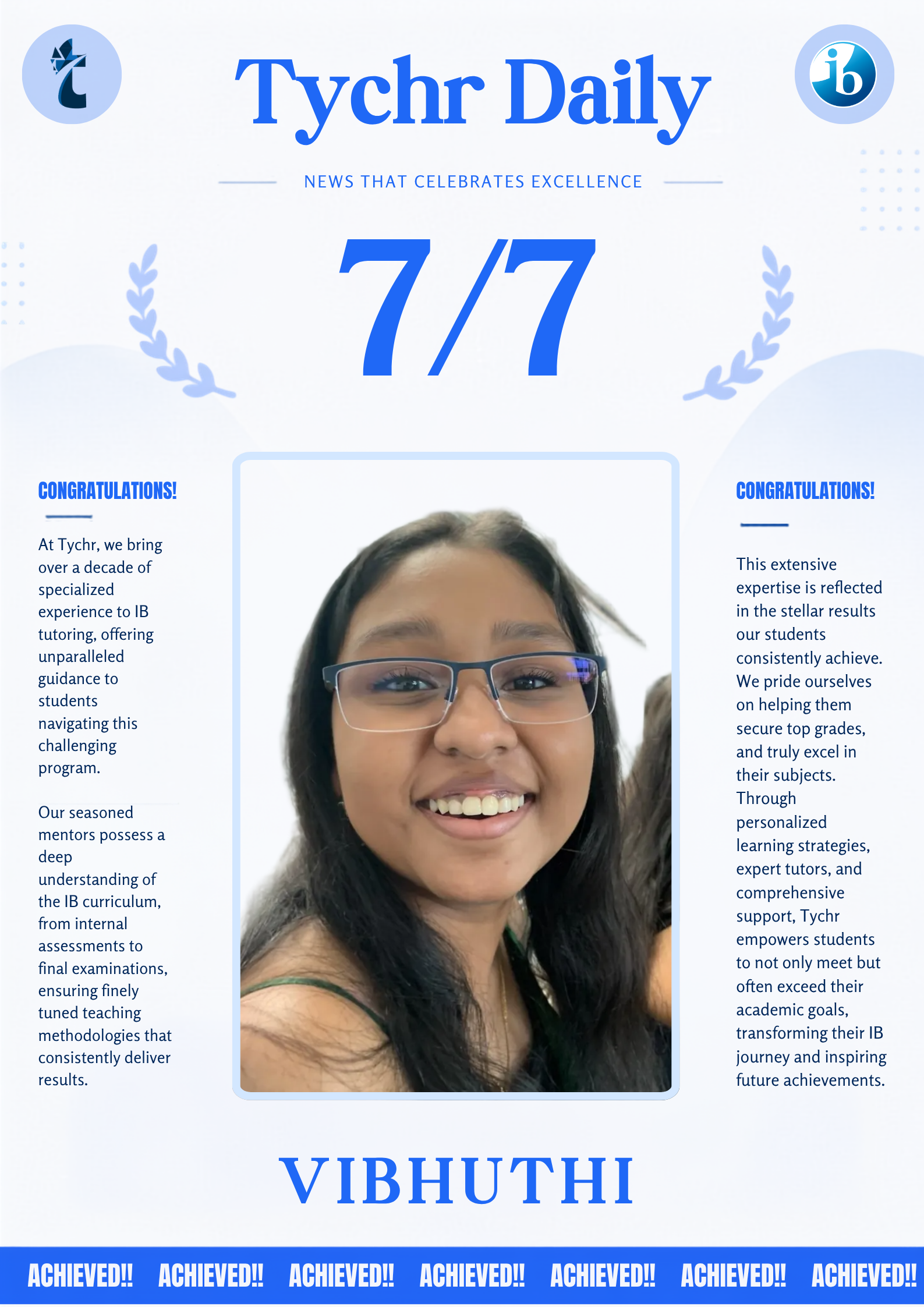
TANISHA
7/7
RUSHIL
7/7
ESHAAN
7/7
GULIA
7/7
VISHAAL
6/7
ADAA
6/7IB-Only Specialists
Every Tychr instructor holds a top-band 6 or 7 in their subject fields.
Examiner Insights
More than 70% of our teaching roster comprises current or former IB examiners.
Start your journey with the right guidance.
Your information is kept private and never shared with third parties.
+1.7
Average grade improvement
93%
Students score 6 or 7
550+
IB students tutored
4.9/5
Average tutor rating
Chemistry SL Results That Speak For Themselves
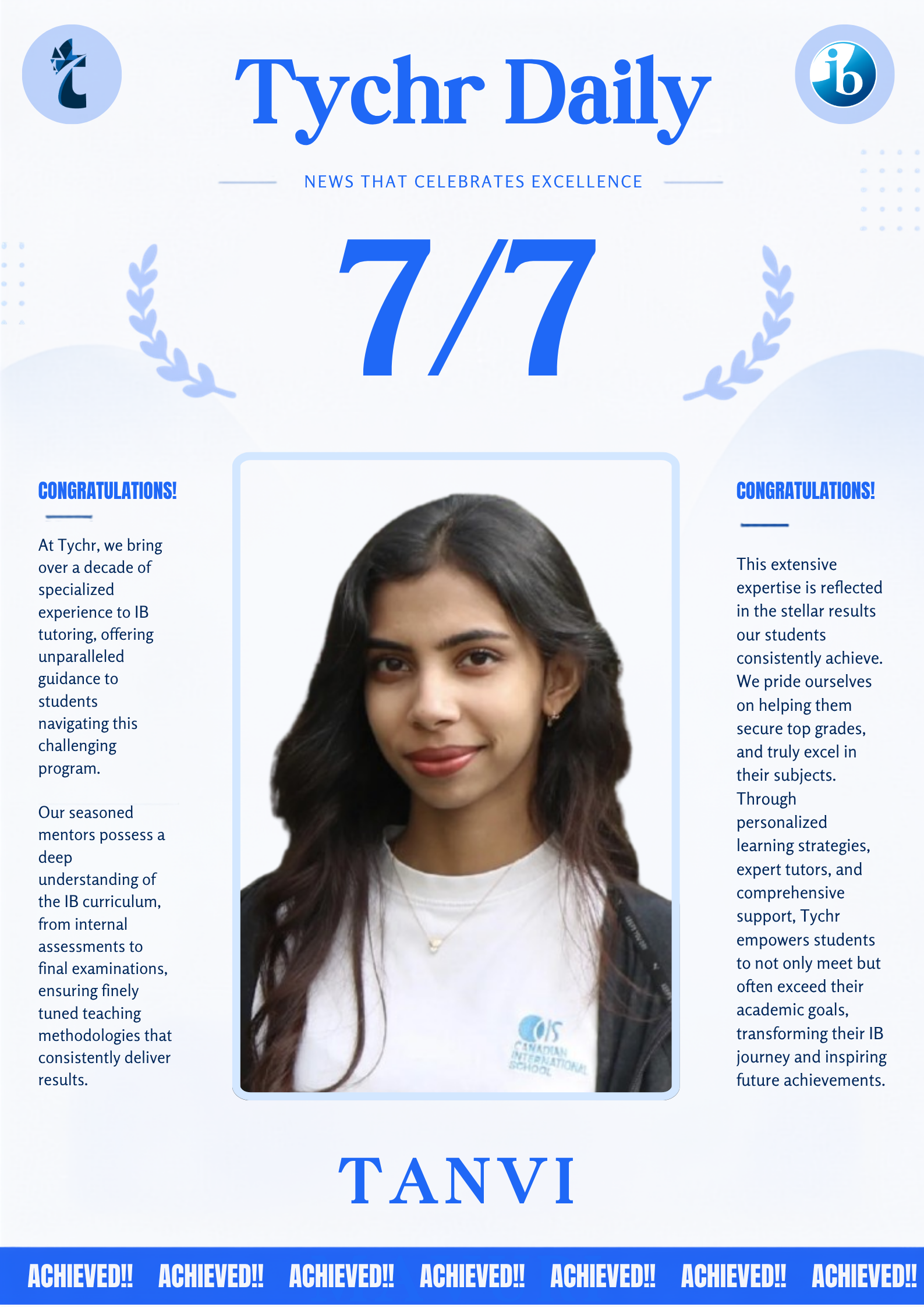
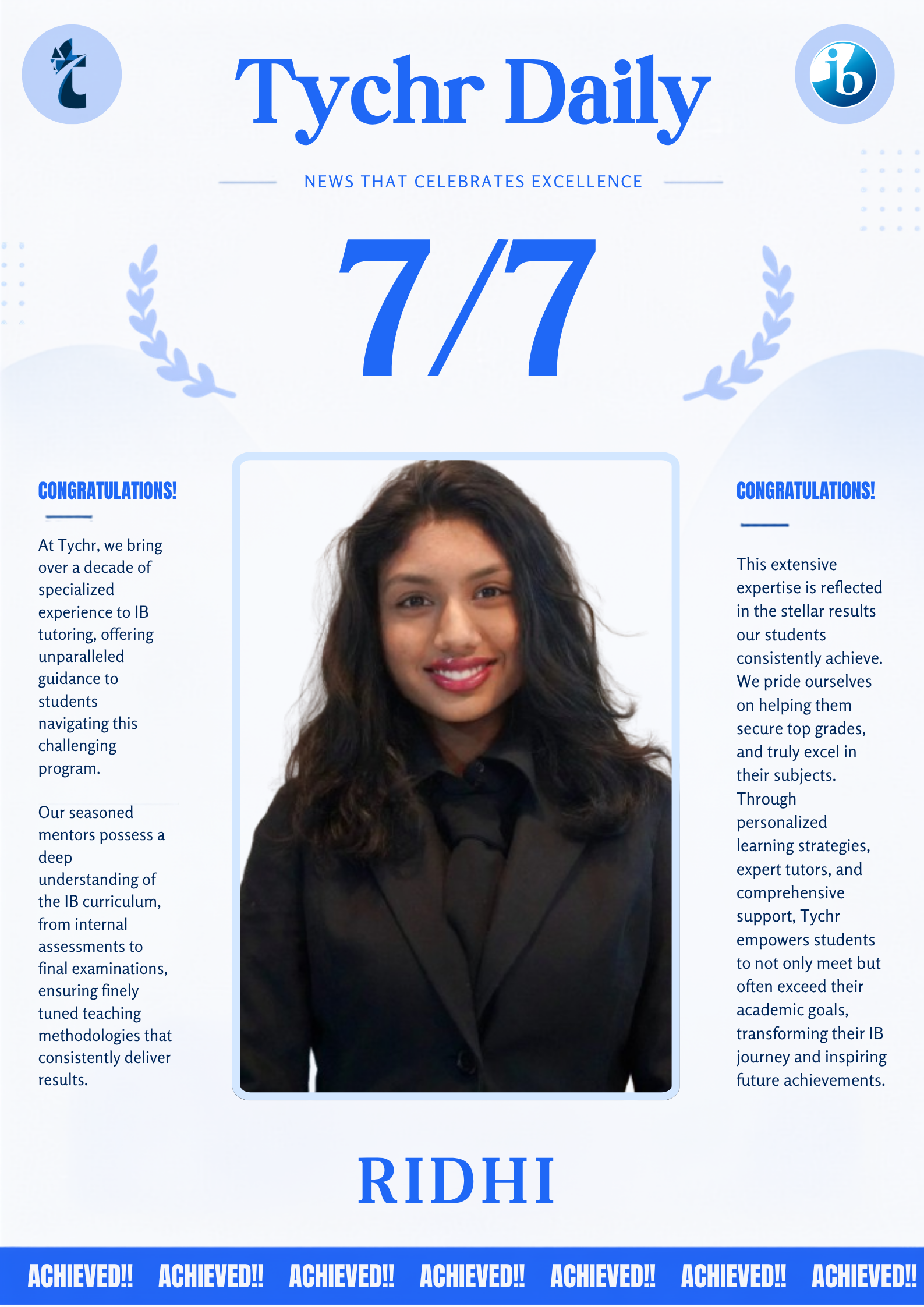
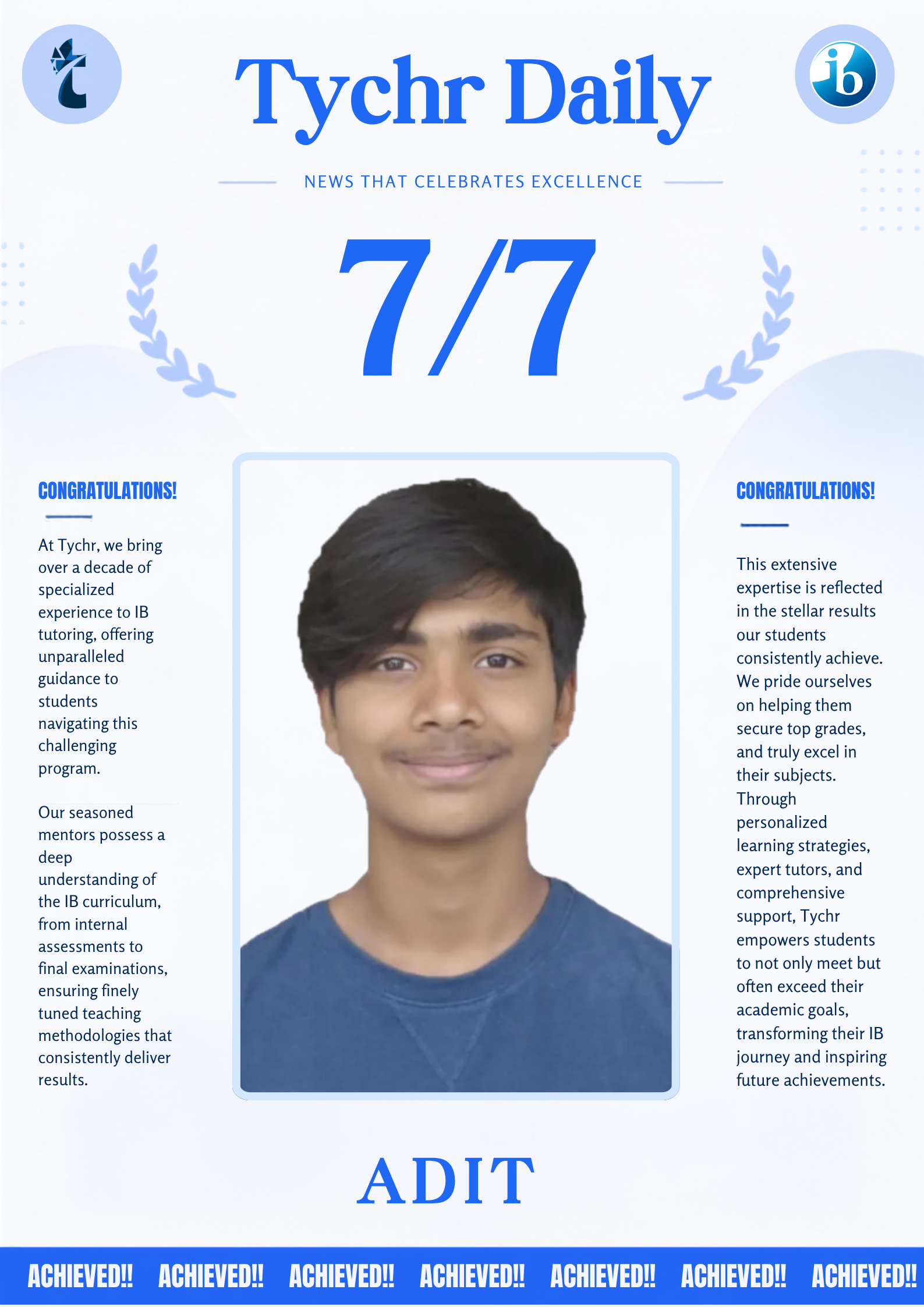
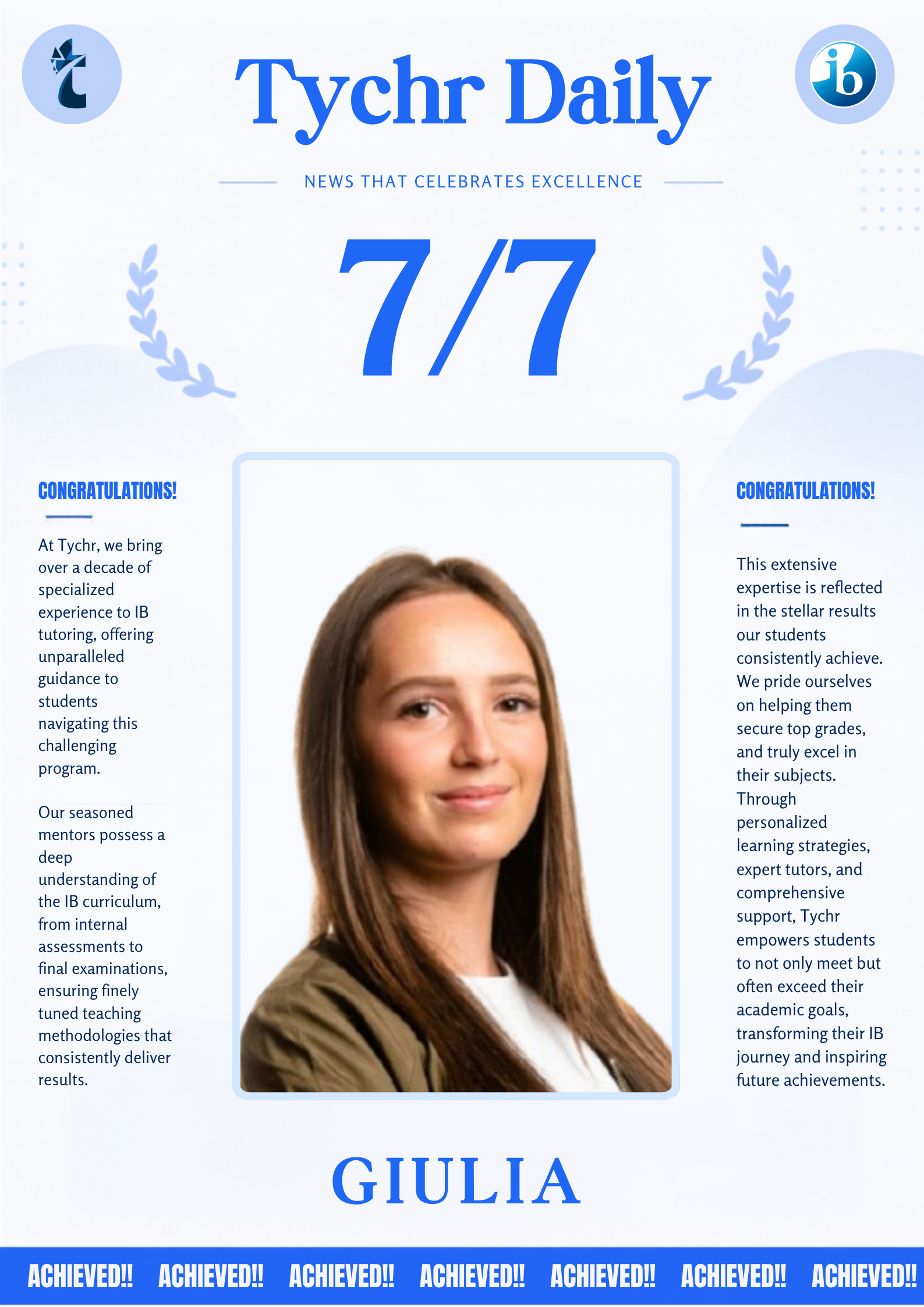
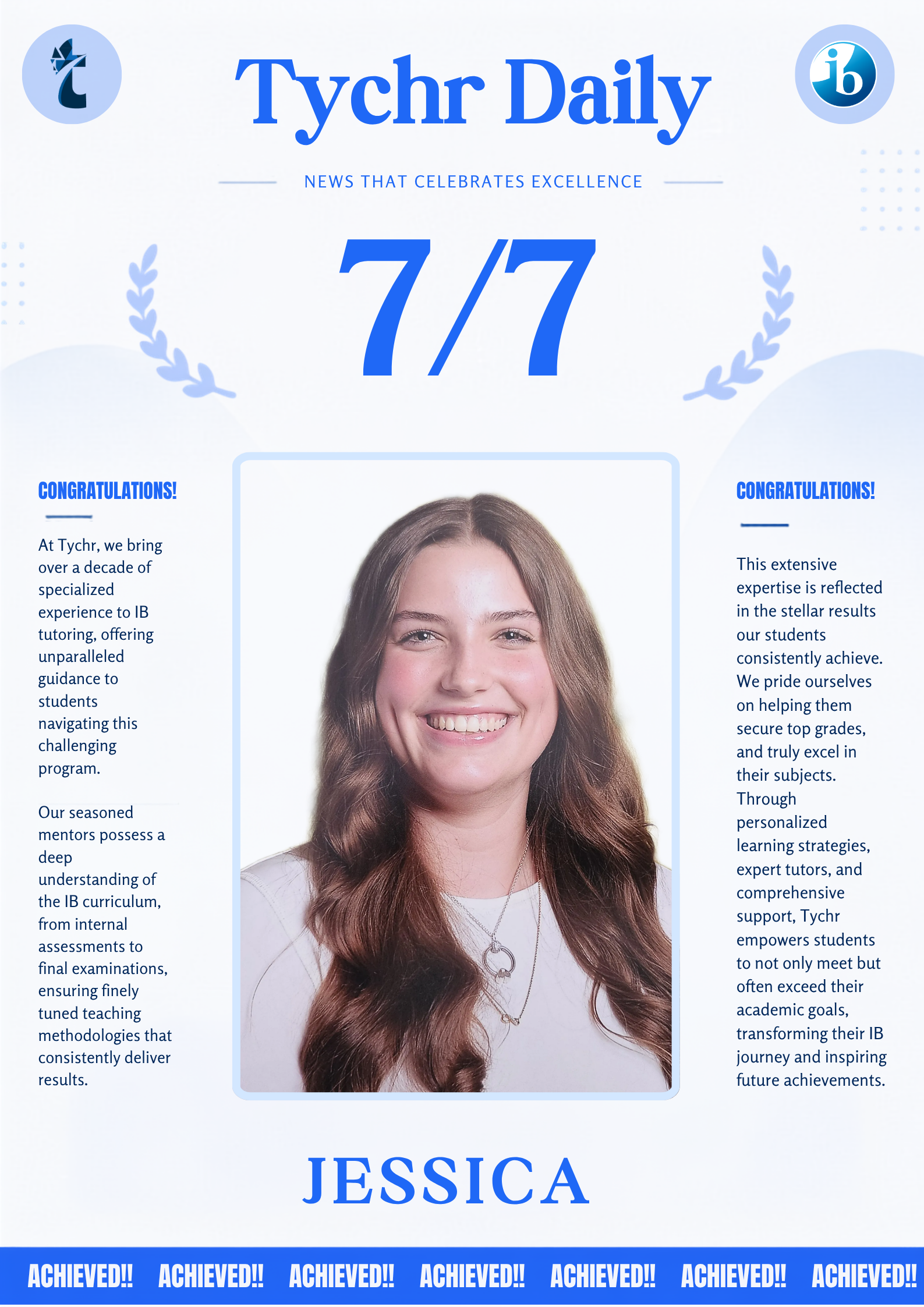
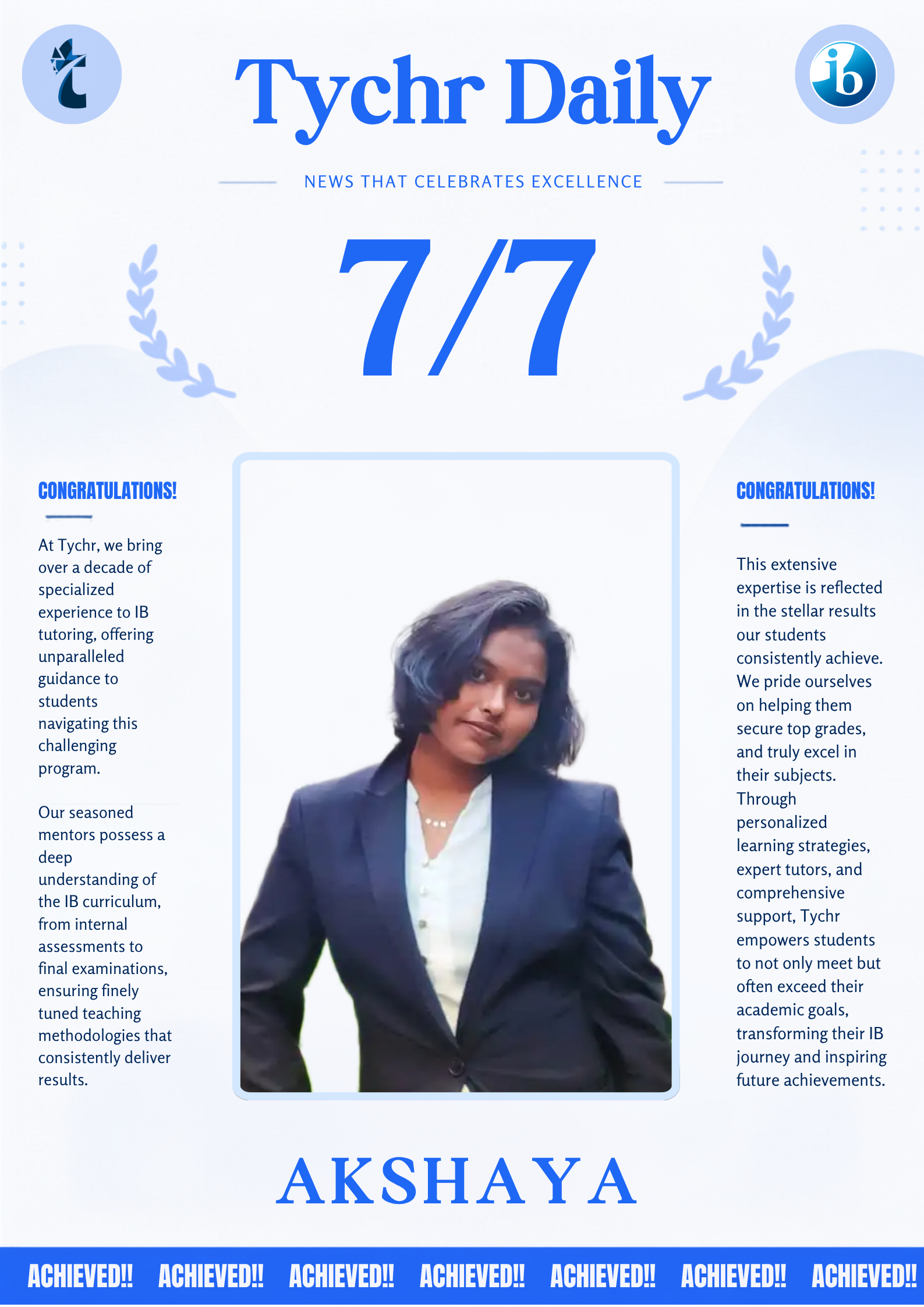
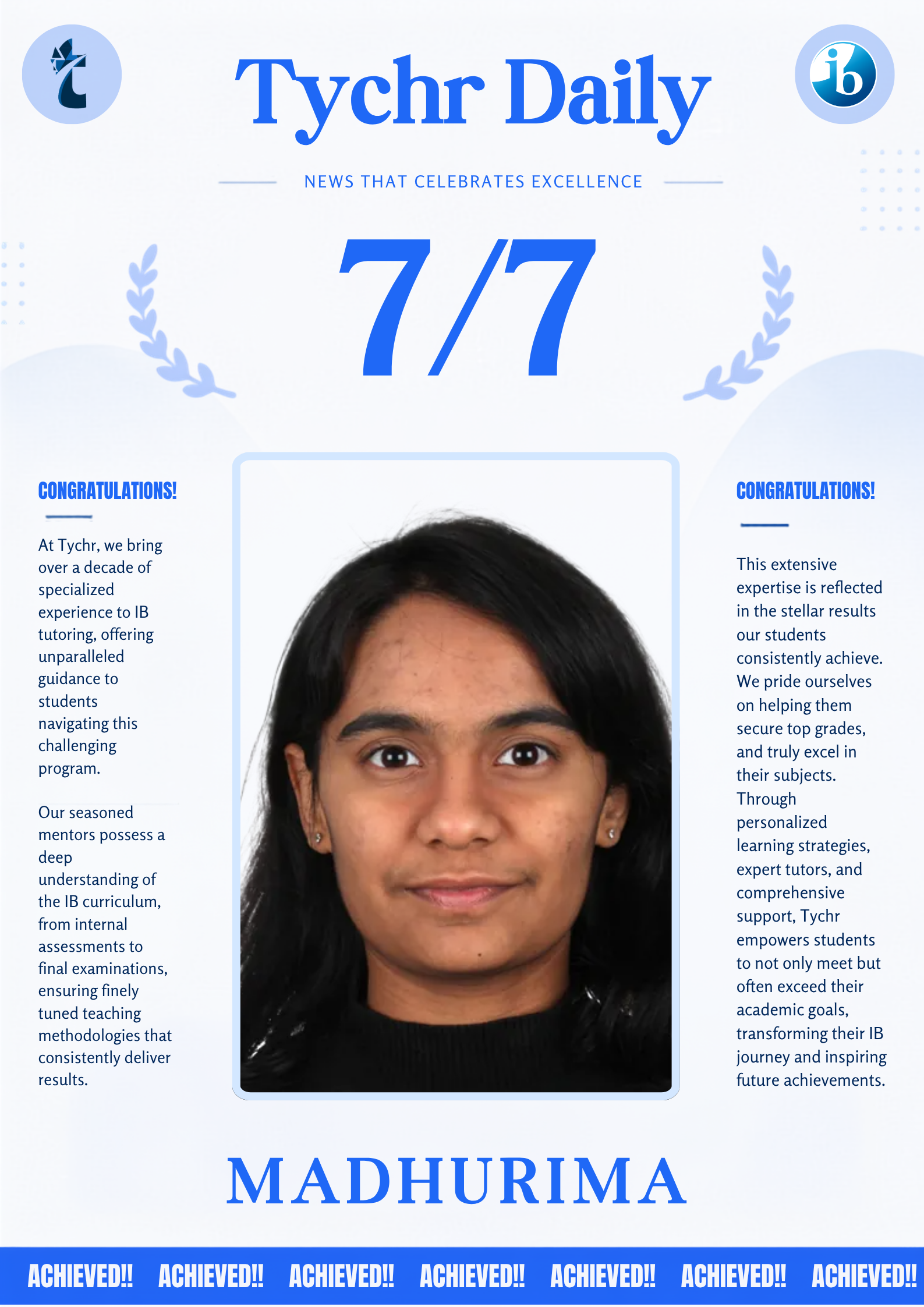
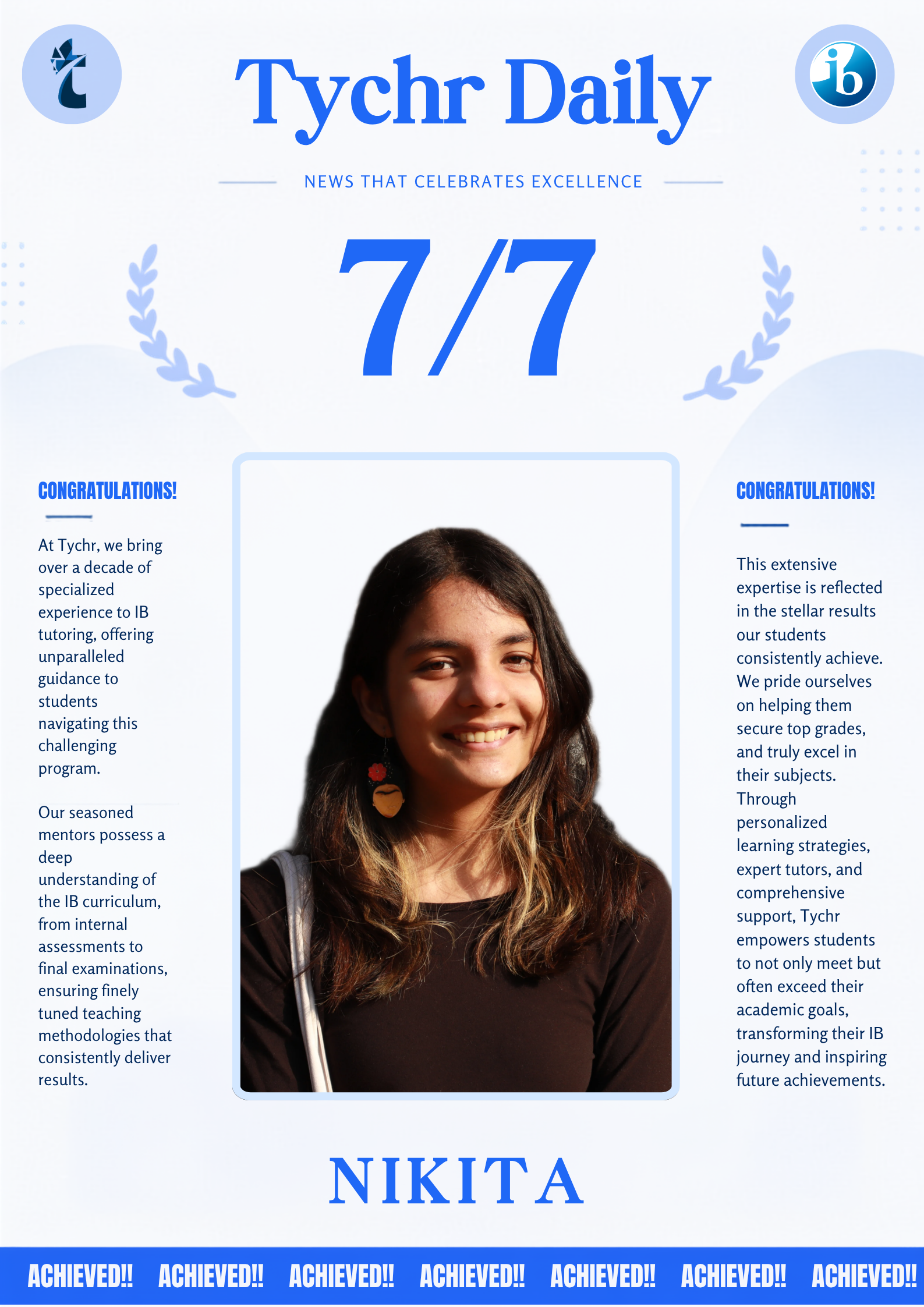
Start your journey with the right guidance.
Our Placements


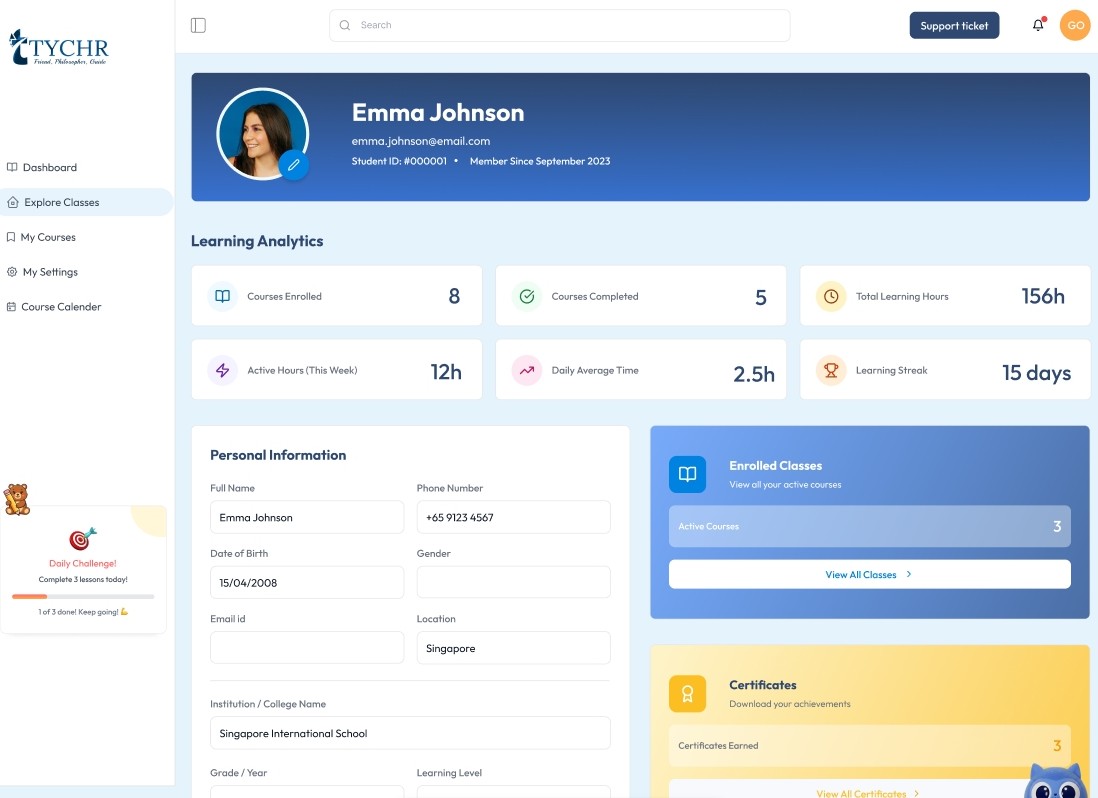
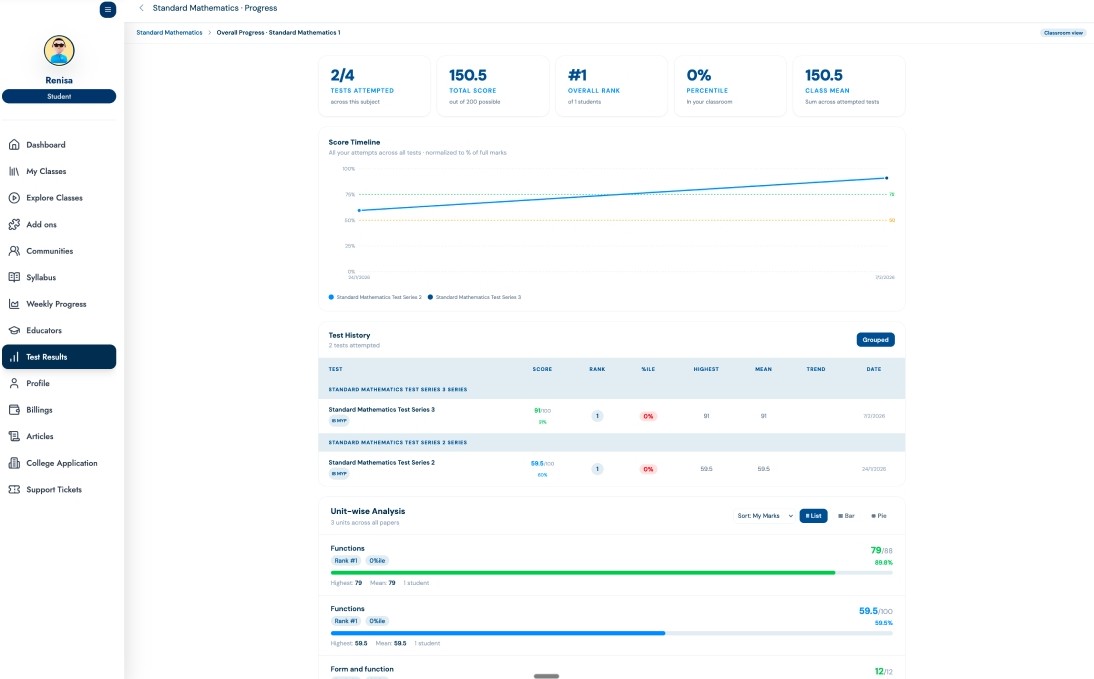
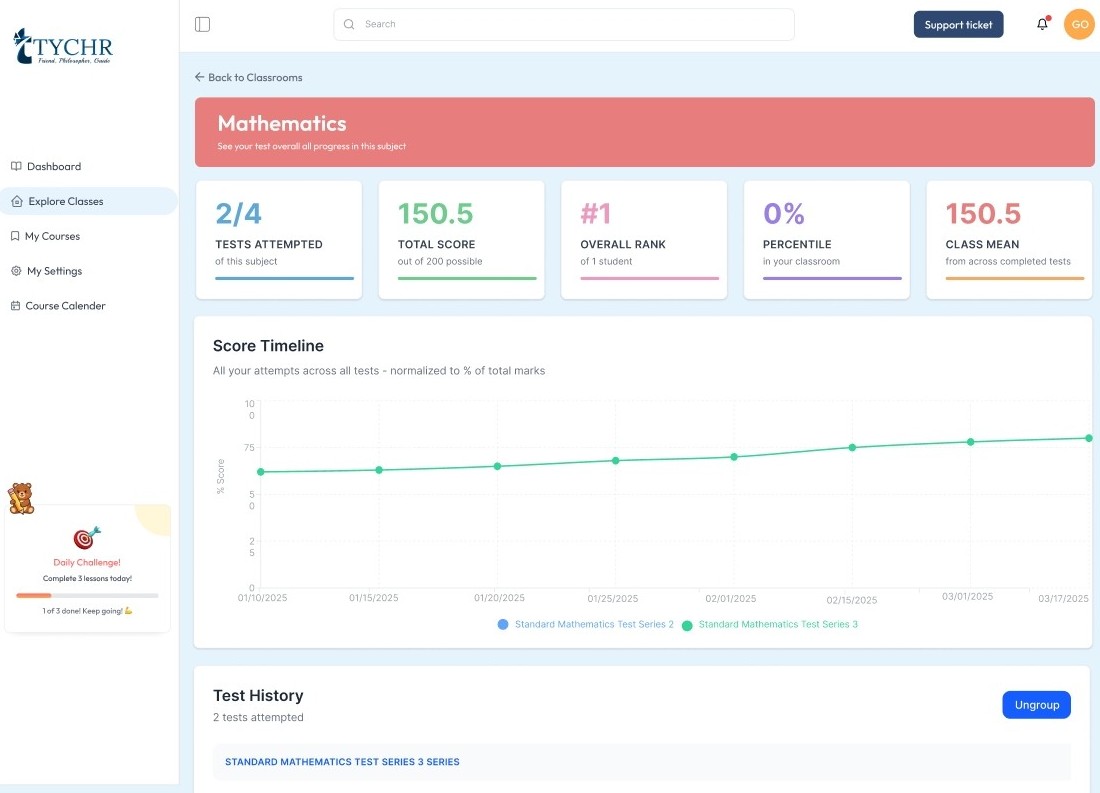
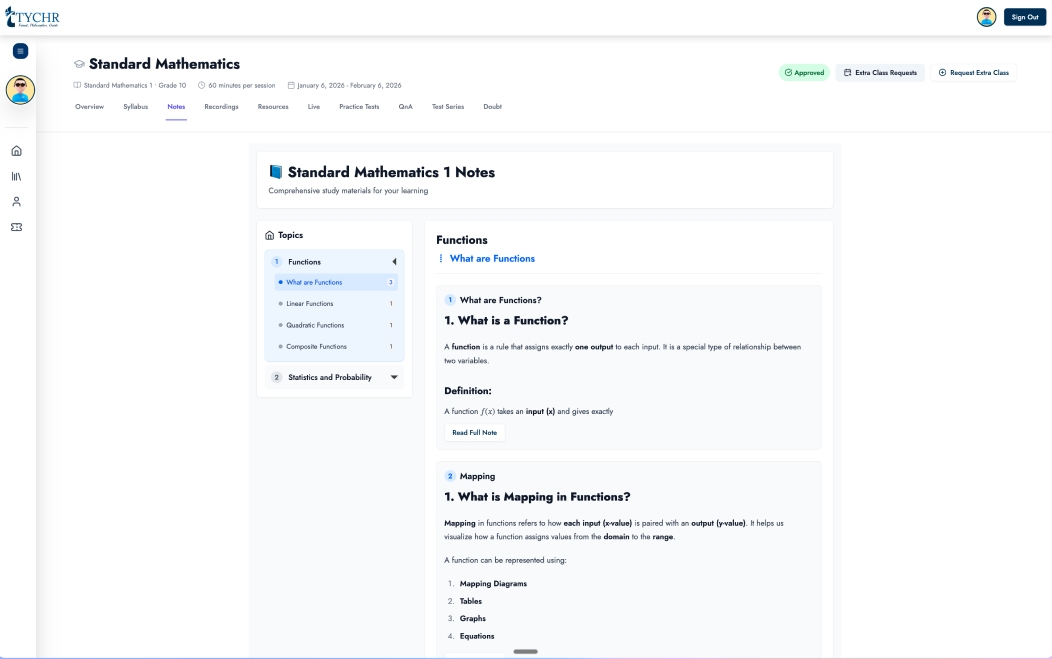
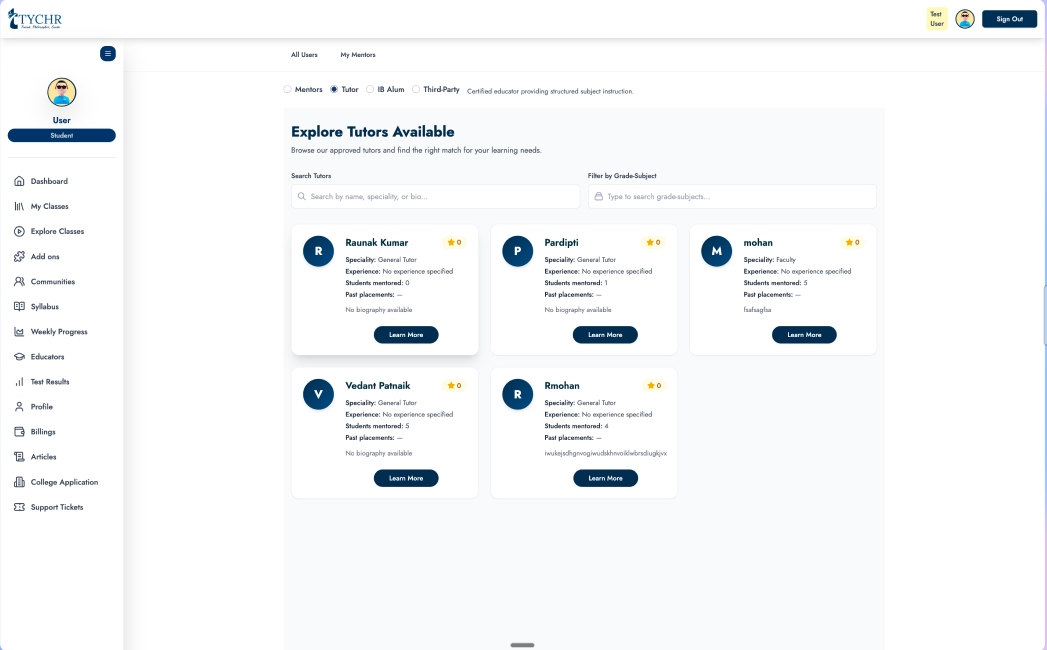
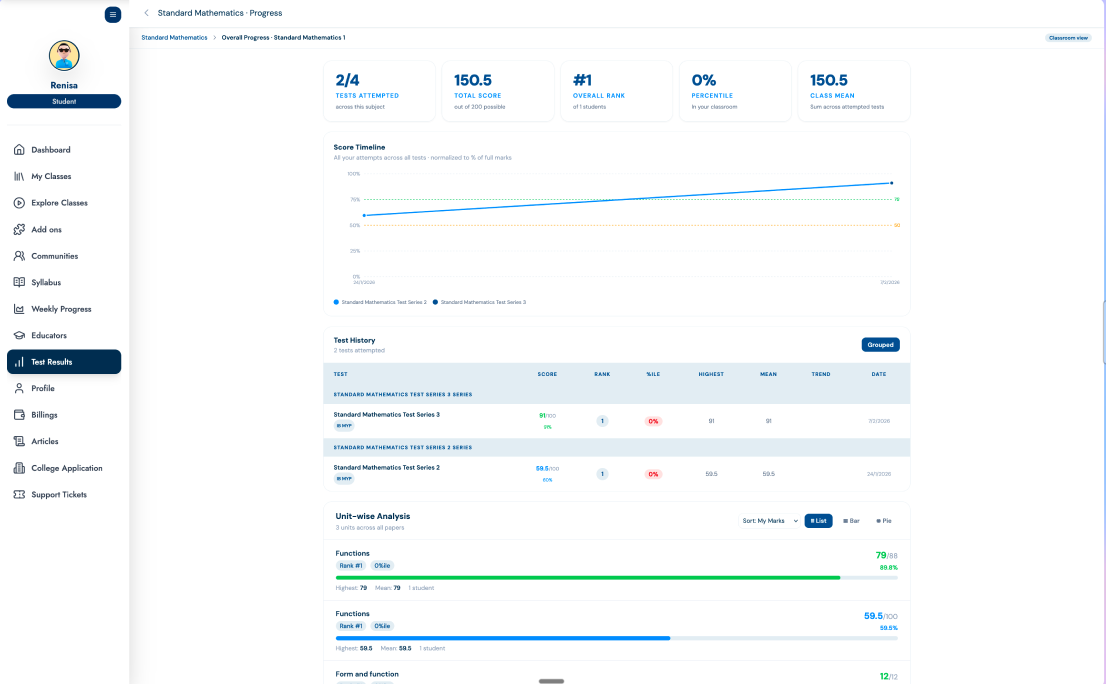
Explore our learning system
A platform designed around how students actually learn — adaptive, intuitive, and always one step ahead.
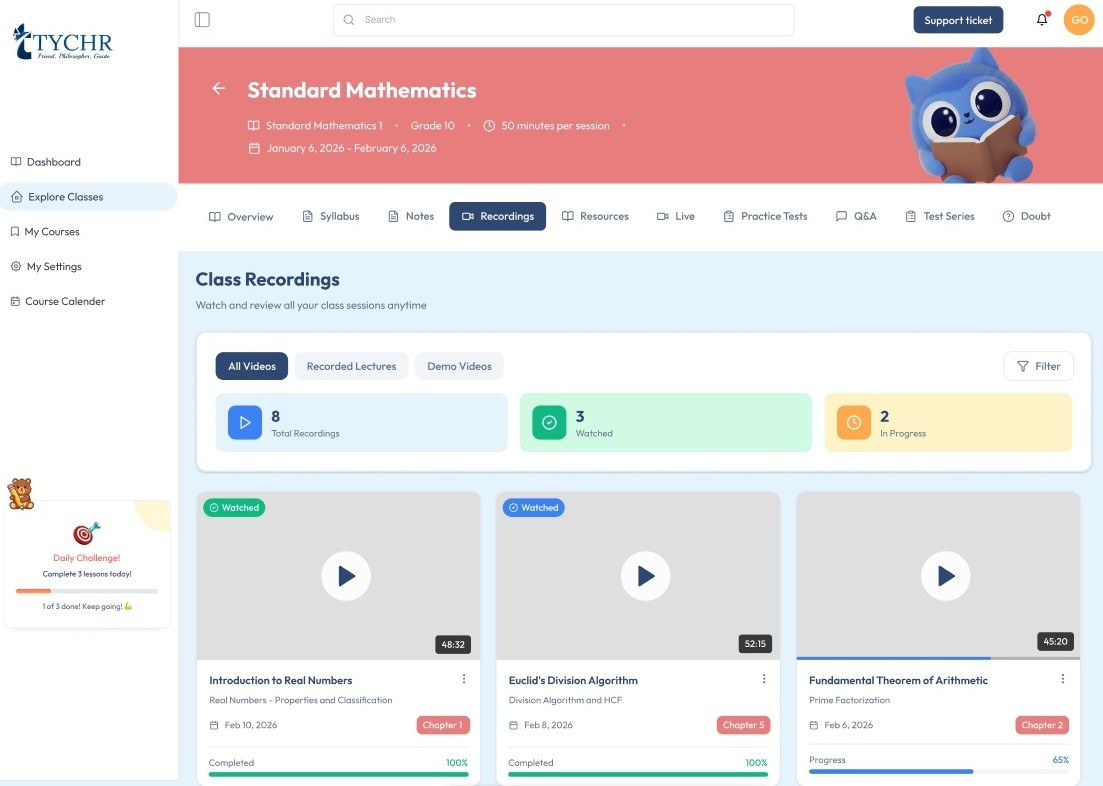
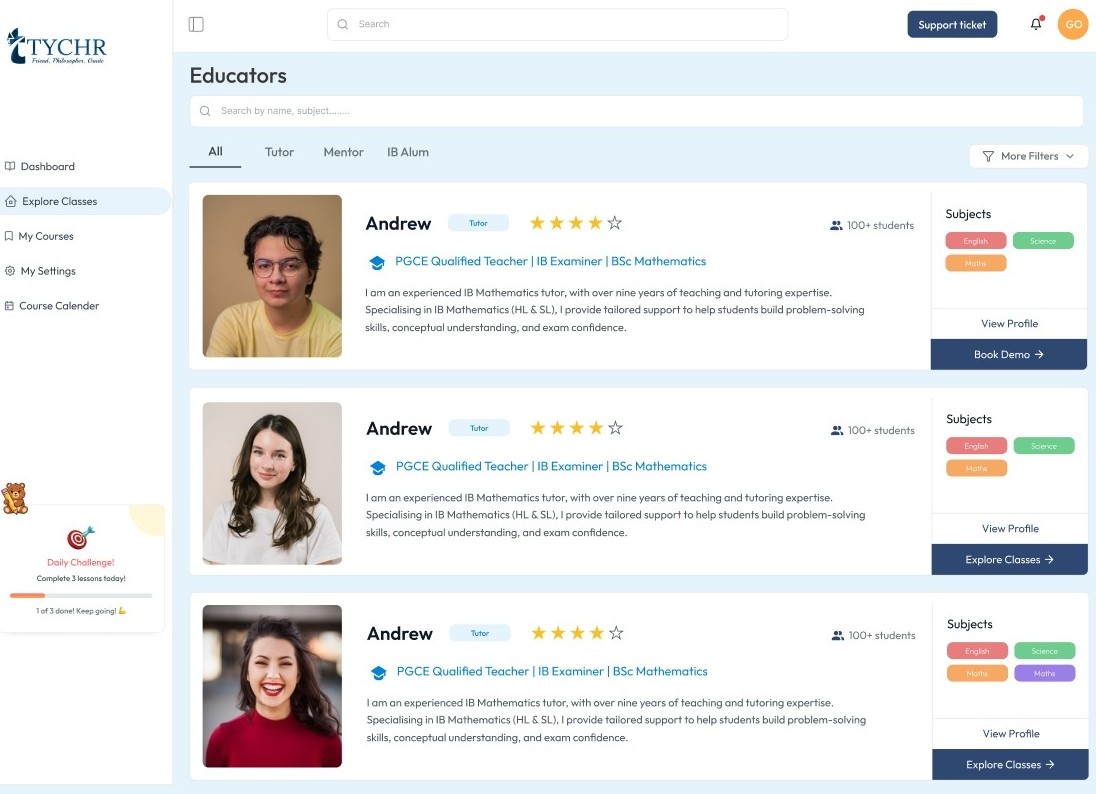
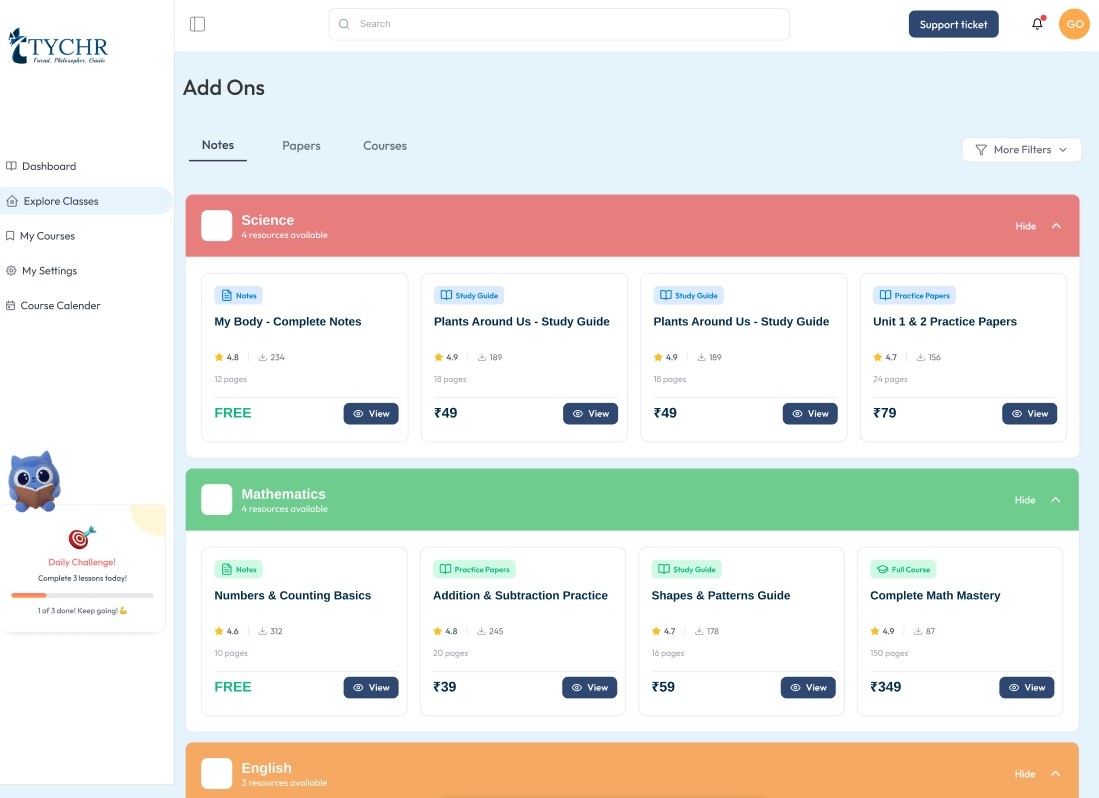
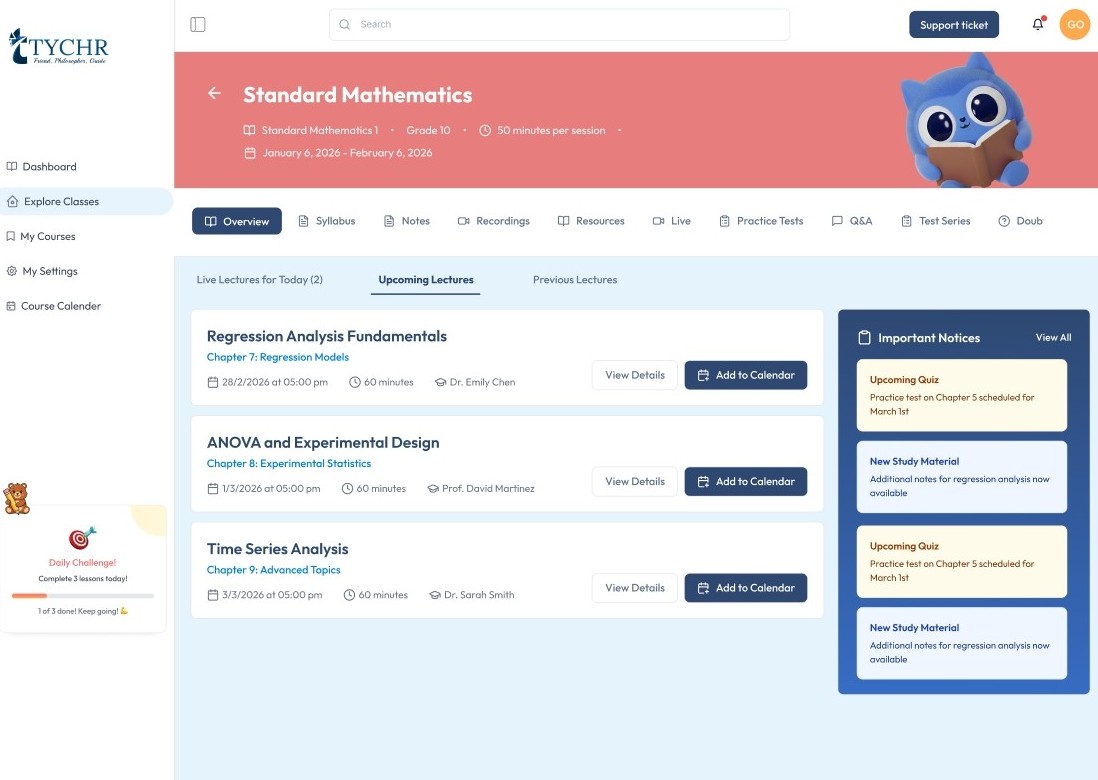
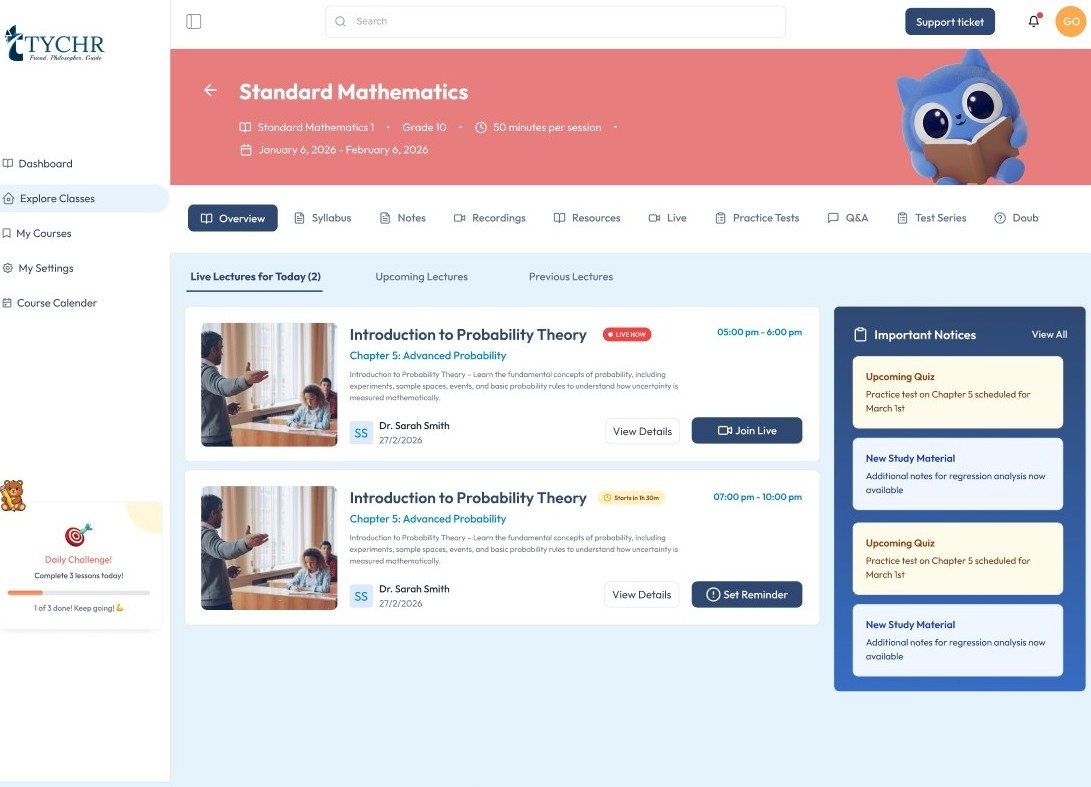
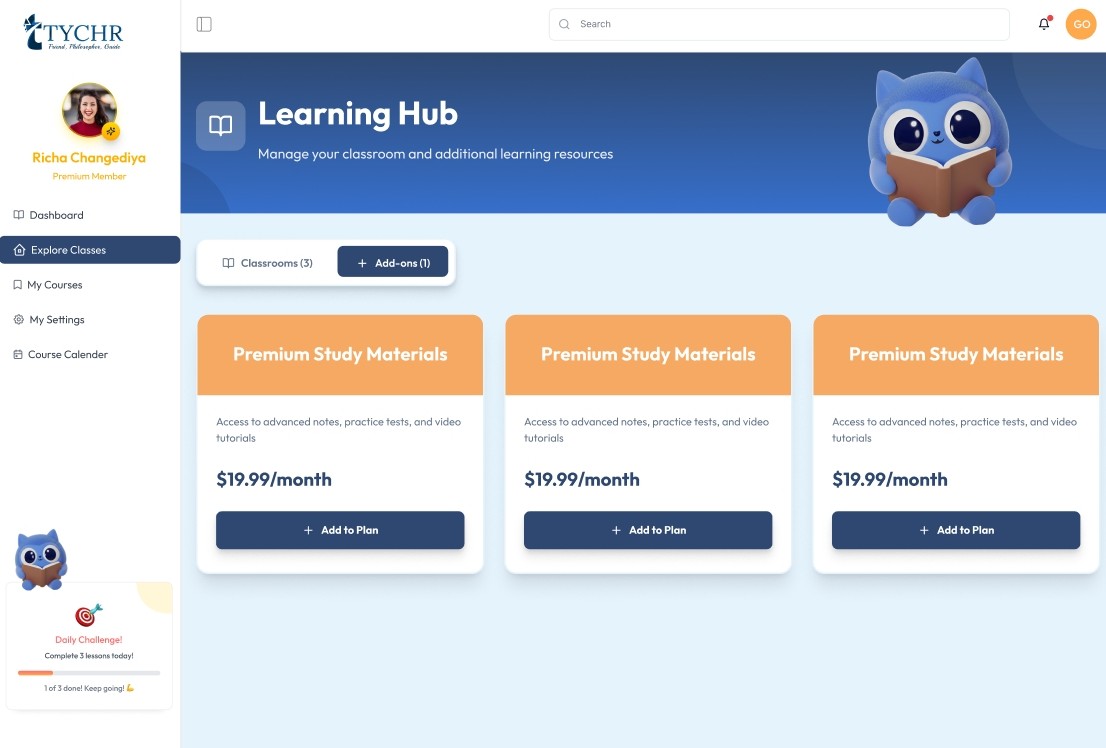
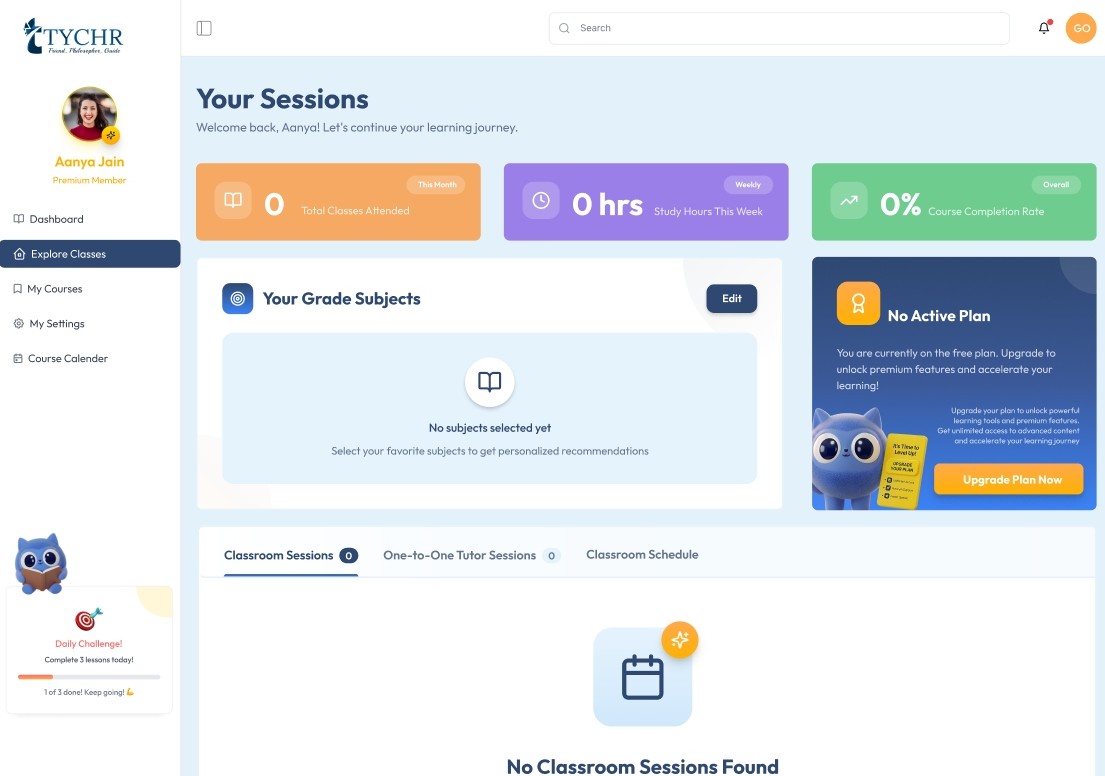
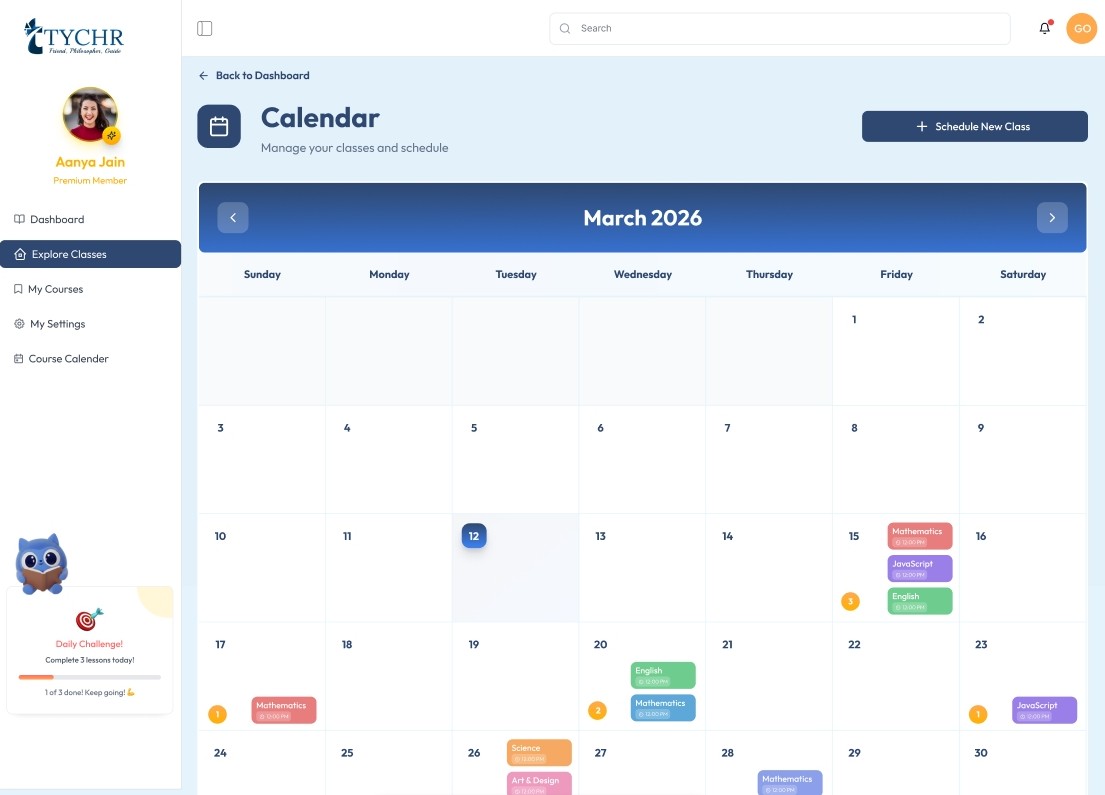
5000+
Students enrolled
100+
Expert tutors
95%
Satisfaction rate
70+
Countries reached
What Is IB Chemistry SL?
Course Structure & Assessment Overview
SL Course Framework
IB Chemistry SL explores the structure and reactivity of matter, developing students' understanding of chemical models, bonding, energetics, kinetics, equilibrium, acids and bases, redox processes, and organic chemistry. Students also develop practical investigation, data analysis, evaluation, and scientific communication skills.
Total teaching hours for SL
Structure and Reactivity
Paper 1, Paper 2, and Internal Assessment
Individual scientific investigation

SL Assessment Breakdown
Paper 1 (36%)
1h 30mMultiple-choice and data-based questions assessing chemical knowledge, understanding, and application
Paper 2 (44%)
1h 30mData-based, short-answer, and extended-response questions requiring chemical reasoning and application
Internal Assessment (20%)
10hIndividual scientific investigation involving planning, data collection, analysis, evaluation, and scientific communication
SL vs HL - What Standard Level Means
Understanding the Structural & Rigor Differences

Why Choose SL?
- Chemistry is not your intended university major
- Want to focus more on HL subjects in other areas
- Prefer a strong foundation in chemistry without the additional depth of HL
- Want to maintain a balanced workload across all six IB subjects
- Your intended university program does not require HL Chemistry
- Interested in chemistry or related sciences but prefer the more focused SL level
What SL Shares with HL
Both SL and HL develop chemical knowledge, quantitative reasoning, data interpretation, experimental investigation, and scientific communication. Both include Paper 1, Paper 2, and an Internal Assessment, with the IA contributing 20% of the final grade.
Key SL Structural Differences
SL covers the essential Chemistry curriculum with less depth and breadth than HL. HL students spend additional teaching time developing more advanced chemical understanding and applying concepts in greater depth. SL provides a strong foundation in chemical principles and practical investigation while allowing students to balance Chemistry with their other IB subjects.
Key Differences at a Glance
SL Students Still Excel
Standard Level provides a rigorous foundation in chemistry while allowing students to maintain a balanced IB Diploma workload. Students develop chemical reasoning, quantitative skills, experimental investigation, data analysis, and scientific problem-solving without the additional depth and breadth of Higher Level.
IB Chemistry SL Paper 1
Guided Problem Solving & Chemical Analysis
3h Total
SL Exam Time
2
Core Themes
80% (Papers 1 & 2)
Of Final Grade
SL Time Management Strategy
Interpret the Question
- 1.Identify the chemistry concept or data being tested
- 2.Read graphs, tables, units, and experimental information carefully
- 3.Determine whether the question requires a calculation, explanation, comparison, or evaluation
- 4.Select the appropriate equation, model, or chemical principle
Solve & Explain
- 1.State the relevant chemical equation, relationship, or principle where appropriate
- 2.Show substitutions and intermediate calculations clearly
- 3.Interpret graphs, trends, and experimental data
- 4.Connect quantitative results to the underlying chemical concept
Review & Verify
- 1.Check units and significant figures
- 2.Review chemical equations, formulas, and calculations
- 3.Confirm that conclusions are supported by the provided evidence
- 4.Ensure every part of the question has been answered
Core Chemistry Areas
Quantitative Chemistry
Structure & Bonding
Energetics
Reactivity
SL Paper 1 & 2 Success Tips
Master Paper 1 Efficiency
Paper 1 includes multiple-choice and data-based questions. Identify the chemical principle being tested, read the information carefully, and avoid spending too long on any single question.
Show Your Working Clearly
Show clear working in Paper 2 calculations. Set out formulas, substitutions, units, and final answers clearly so your chemical reasoning is easy to follow.
Maintain Calculation Accuracy
Check units, significant figures, and the chemical meaning of your final answer, especially in quantitative questions involving amounts, concentrations, energy, and equilibrium.
Practise Across the Course
Practise across the full Chemistry SL curriculum, including structure, bonding, energetics, kinetics, equilibrium, acids and bases, redox chemistry, and organic chemistry.
Use Precise Chemical Terminology
Use precise chemical terminology when explaining concepts. Distinguish carefully between related ideas such as intermolecular forces, activation energy, equilibrium, and oxidation-reduction.
IB Chemistry SL Paper 2
Chemistry Problem-Solving Guide
1h 30m (Paper 2)
SL Exam Time
Data-Based & Extended Response
Question Type
44%
Of Final Grade
SL Exam Structure & Timing
Read & Plan
10 mins- ›Read the questions and identify the command terms
- ›Review graphs, tables, equations, and experimental information
- ›Identify the relevant chemical concepts and variables
- ›Plan the key calculations and explanations required
Solve & Explain
70 mins- ›State relevant equations or chemical principles where appropriate
- ›Show substitutions and calculation steps clearly
- ›Explain chemical phenomena using accurate terminology
- ›Give final answers with appropriate units and significant figures
Review & Verification
10 mins- ›Check calculations and chemical equations
- ›Review units and significant figures
- ›Check graphs, diagrams, and structural representations
- ›Ensure every question and sub-part has been answered
Essential Paper 2 Strategy
Manage Multi-Part Questions
✓ Paper 2 contains structured, multi-part questions. Track values carefully when information from one part is needed in a later calculation.
Plan Before Calculating
✓ Use the opening minutes to identify the chemical concepts, command terms, data, and equations relevant to each question before beginning detailed calculations.
Explain Chemical Principles
✓ When a question asks for an explanation, combine the relevant calculation or observation with the underlying chemical principle rather than giving an unsupported result.
Maintain Calculation Accuracy
✓ Check units and significant figures throughout your calculations and ensure your final answer is expressed appropriately for the question.
Sample Analytical Sentence Starters
Data Analysis:
"The data shows a trend of..." "This result is consistent with..."
Evaluation:
"The difference between the values may be explained by..." "One possible limitation is..."
Problem Solving:
"Using the relevant chemical relationship..." "The calculation gives..." "Therefore, the limiting reactant is..."
Conclusion & Synthesis:
"These results suggest that..." "Overall, the evidence supports..."
Key to SL Paper 2 Success
Successful SL students combine clear working, accurate calculations, sound chemical reasoning, and careful interpretation of data to produce precise responses.
Internal Assessment (IA)
Step-by-Step Coaching for Your Scientific Investigation IB Chemistry SL Students

SL IA Breakdown
Weighting
Of your final IB Chemistry SL grade
Assessment Type
Individual scientific investigation
Assessment
Assessed using the IB Chemistry Internal Assessment criteria
Internal Assessment Milestones
Step 1
Research Question Selection
Develop a focused chemistry research question that is feasible with the available resources and allows you to collect relevant and meaningful evidence.
Step 2
Experimental Design
Design a clear investigation by identifying variables, controls, materials, procedures, safety considerations, and appropriate methods for collecting reliable data.
Step 3
Data Analysis & Evaluation
Process and interpret the collected data using appropriate methods, then evaluate the results, limitations, uncertainties, and possible improvements.
Investigation Report Structure
Part 1: Setup & Data
- •Introduction: Research question, relevant context, and underlying chemical concepts
- •Design: Variables, materials, procedure, controls, and relevant safety considerations
- •Data Collection: Present clear raw data and relevant observations
Part 2: Processing & Evaluation
- •Processing: Organize and process relevant data using appropriate calculations or representations
- •Analysis: Interpret patterns and connect findings to relevant chemical principles
- •Evaluation: Discuss limitations, uncertainty, reliability, and realistic improvements
Pro tip for SL students: The Internal Assessment (IA) is worth 20% of your grade. Start by developing a focused research question that is scientifically relevant, feasible, and suitable for meaningful data collection and analysis.
Studied Texts & Unseen Texts
Key Strategies for IB Chemistry SL IB Chemistry SL Students
Concept & IA Strategies
Active Study & Review
- Organize equations and concepts by topic
- Create concept maps linking related chemistry ideas
- Maintain a clear reference list of symbols and units
- Record common mistakes and misconceptions
Formula & Calculation Management
- Understand important formulas and when to apply them
- Organize quantities, units, and equations systematically
- Practise substituting values accurately
- Keep calculation steps clear and logically ordered
Cross-Topic Connections
- Create comparison tables for related chemical concepts
- Identify connections between Structure and Reactivity
- Connect concepts across different areas of the course
- Practise applying chemical knowledge to experimental data
Data-Based Question Strategies (Paper 1 & 2)
Rapid Problem Recognition
Identify the key information quickly
- ›Relevant chemical variables and quantities
- ›Patterns and relationships in the provided data
- ›Graph axes, units, and scales
- ›Relevant equations, models, or chemical principles
Problem Setup & Annotation
Organize information before solving
- ›Identify chemical structures or equations where relevant
- ›Map relationships between variables
- ›Identify important experimental conditions
- ›Note assumptions or information that affects the calculation
Principle-Based Analysis
Support every conclusion
- ›Use evidence from the provided data
- ›Explain the chemical reasoning behind calculations
- ›Connect observations to relevant chemical principles
- ›Answer according to the command term
Building Your SL Chemistry Toolkit
The skills developed through strong chemical understanding, quantitative reasoning, and data analysis transfer directly to Paper 1, Paper 2, and the Internal Assessment. Our tutoring builds a flexible problem-solving approach that students can apply across the Chemistry SL curriculum.
Weekly Practice Schedule
- 2xCore chemistry concept reviews
- 2xData-based question practice
- 1xTimed paper or IA practice
- 10mDaily formula and unit review
One-to-One vs Group Tutoring
Choose Your Ideal Learning Format for the IB Diploma Programme
One-to-One Tutoring
Tailored, High-Impact Learning
- ✓Personalized curriculum pacing: Focus directly on your specific SL/HL syllabus needs.
- ✓Targeted weak-area remediation: Deep-dive into challenging topics and command terms.
- ✓1-on-1 Internal Assessment (IA) guidance: Tailored mentoring through rubric criteria.
- ✓Customized past paper practice: Detailed, line-by-line mark scheme breakdown.
- ✓Flexible scheduling: Adapt session timings around your school calendar and deadlines.
- ✓Direct mark-scheme feedback: Actionable critiques to push your boundaries toward a Grade 7.
Group Tutoring
Interactive & Collaborative Learning
- ✓Small cohort learning: Learn alongside 3–5 peers studying the same subject and level.
- ✓Collaborative problem-solving: Benefit from diverse perspectives and peer discussions.
- ✓Structured weekly syllabus roadmap: Consistent, steady coverage of core IB topics.
- ✓Shared past paper walkthroughs: Master IB exam techniques and mark schemes together.
- ✓Cost-effective mastery: Premium IB tutoring at a lower per-session rate.
- ✓Peer motivation & accountability: Stay on track alongside fellow IB diploma candidates.
Not sure which format works best? Book a free consultation to discuss your IB tutoring needs
Book Free ConsultationGrade Improvements — Program Score Results
From Students
There are no results to show at the moment.
Free IB Chemistry SL Resources
Past Papers, Notes & Problem-Solving Outlines
430+ Free SL Resources
Available to registered students with no tutoring purchase required
Past Papers & Mark Schemes
- IB Chemistry SL past-paper practice
- Paper 2 practice with mark schemes
- Sample Internal Assessment reports
- Annotated student responses and worked solutions
Study Notes & Guides
- Chemistry formula booklet guidance
- Topic-by-topic summary notes
- Data analysis and uncertainty guidance
- Chemical reaction and process flowcharts
Problem-Solving Outlines
- Paper 2 calculation frameworks
- IA structure and planning guides
- Chemical process organizers
- Data analysis response frameworks
Practice Materials
- Topic-specific practice questions
- Timed exam-style practice
- IA research question ideas
- Self-assessment checklists
Video Tutorials
- Paper 1 and Paper 2 solution walkthroughs
- Chemistry investigation techniques
- Common SL calculation mistakes
- Data interpretation and analysis guidance
Interactive Tools
- Exam timing and planning tools
- Chemical formula and concept flashcards
- Calculation practice tools
- Progress tracking worksheets
How to Access Free Resources
Premium Resources for Tutoring Students
How We Personalise IB Chemistry SL Tutoring
Customized to Your Curriculum
Why Personalization Matters
IB Chemistry SL requires students to combine chemical understanding, quantitative reasoning, data interpretation, and experimental investigation. Personalized tutoring helps identify individual gaps and focus sessions on the concepts and skills that need the most attention.
Core Chemistry Areas
Essential Chemistry Skills

"My tutor helped me move beyond memorizing formulas and actually understand the chemical principles behind them. Data-based questions started to feel much more logical."
- Arjun, Final Score: 43/45
"I was overwhelmed by the IA requirements. The personalized guidance helped me understand how to structure my investigation, analyse my evidence, and improve my evaluation."
- Sarah, Final Score: 41/45
Syllabus Inventory
Tell us your specific focus areas
- Core Chemistry concepts
- Identify your strongest and weakest chemistry areas
- Note which concepts, calculations, or question types you find most challenging
- Identify a potential area of interest for your Internal Assessment
Learning Assessment
We evaluate your current level
- Review recent exam and problem-set performance
- Identify gaps in chemical understanding and quantitative problem-solving
- Assess scientific reasoning and experimental design skills
- Determine your current IA preparation level
Custom Study Plan
Tailored to your exact needs
- Concept-specific problem-solving frameworks
- Formula and equation guidance for your core topics
- Data interpretation and analysis strategies
- IA guidance aligned with your research interests
Adaptive Sessions
Evolves with your progress
- Focused sessions on challenging chemistry concepts
- Targeted calculation strategies for weaker areas
- Practice with exam-style data and application questions
- Ongoing IA guidance and progress tracking
What students say
There are no results to show at the moment.
Frequently Asked Questions
Everything About IB Chemistry SL Tutoring
Our tutors break down balancing equations, limiting reactants, and percentage yield problems using clear step-by-step methods.
Yes, we provide targeted drills on functional groups, isomers, nucleophilic substitution, and reaction mechanisms for Paper 2.
We train students on rapid data booklet navigation, conceptual short-cuts, and eliminating common chemical distractor options.
Absolutely. All sessions cover structure, reactivity, energy changes, and atomic concepts under the current syllabus framework.
Yes, we guide students through titration experiments, error propagation calculations, and evaluating experimental uncertainties.
We use visual rate curves and Le Chatelier's principle breakdowns to make collision theory and dynamic equilibrium easy to apply.
Chemistry SL vs HL
Should You Switch Levels?
Practical Comparison
Reasons to Stay in SL
You are aiming for 6-7 in SL
A Grade 7 in SL is highly respected and demonstrates strong analytical and communication skills.
The subject is not required for your university program
If you are pursuing STEM, Business, or other non-humanities fields, SL is often perfectly adequate.
Your other subjects are already HL
If you are taking 3 challenging HLs, adding another HL could overload your schedule.
You are currently scoring 5+ in SL
Focus on perfecting SL rather than switching to HL and potentially scoring lower.
You prefer focused depth over breadth
SL allows deeper engagement with fewer texts, which many students find more manageable and effective.
Reasons to Consider HL
You are finding SL too easy
If you are achieving top marks without much effort, HL may provide the right level of challenge.
You are applying for Literature/Humanities degrees
Top programs in Literature, Law, Philosophy, History, and related fields may prefer or recommend HL.
You genuinely love reading and analysis
HL offers 13 works plus a 1200-1500 word essay, providing greater academic depth.
Your school strongly recommends it
If your teachers are encouraging HL, they likely see your potential to succeed at the higher level.
Need Help Deciding?
Book a free consultation with one of our IB Chemistry SL specialists. We will review your current performance, university goals, and overall IB workload.
Book Your Chemistry SL Tutor Today
Start with a Free Trial Session
Complete Quick Form
Share your 9 texts, current grade, and main challenges
Free Consultation Call
Discuss your goals and get matched with ideal SL tutor
First Session
Start learning with text-specific materials and clear plan
Why Book Now?
- Limited tutor availability, especially 3+ months before exams
- Earlier start means more time for IO preparation
- Best results come from 6-8 months of consistent work
- Free trial session means zero risk to try our approach
What You'll Get
- •Free Trial: 1 hour session (no payment required)
- •Tutor Match: Specialist in your specific texts
- •Study Plan: Personalized roadmap to Grade 6-7
- •Resources: Immediate access to 400+ materials
No credit card required - Cancel anytime - 100% satisfaction guarantee
550+
SL Students Taught
6.5
Average Final Grade
93%
Success Rate
4.9/5
Student Rating