Certified IB Chemistry HL Tutors in Global to Help You Achieve 7/7 Across All Components
IB Chemistry HL is one of the most assessment-diverse IB subjects, featuring distinct assessment components that each require a specialized analytical approach.

GULIA
43/45
TANISHA
43/45
ADAA
43/45
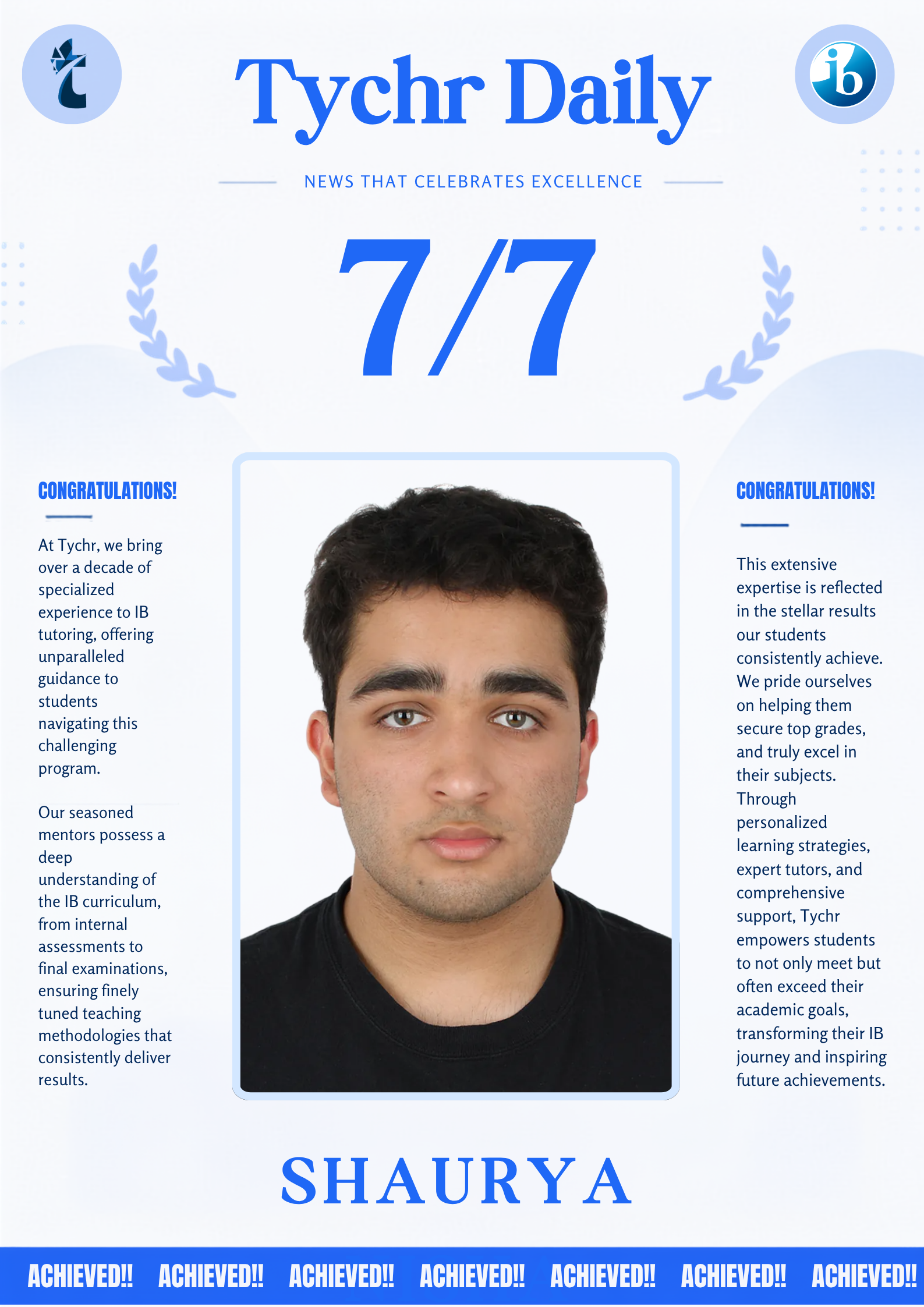
RUSHIL
45/45
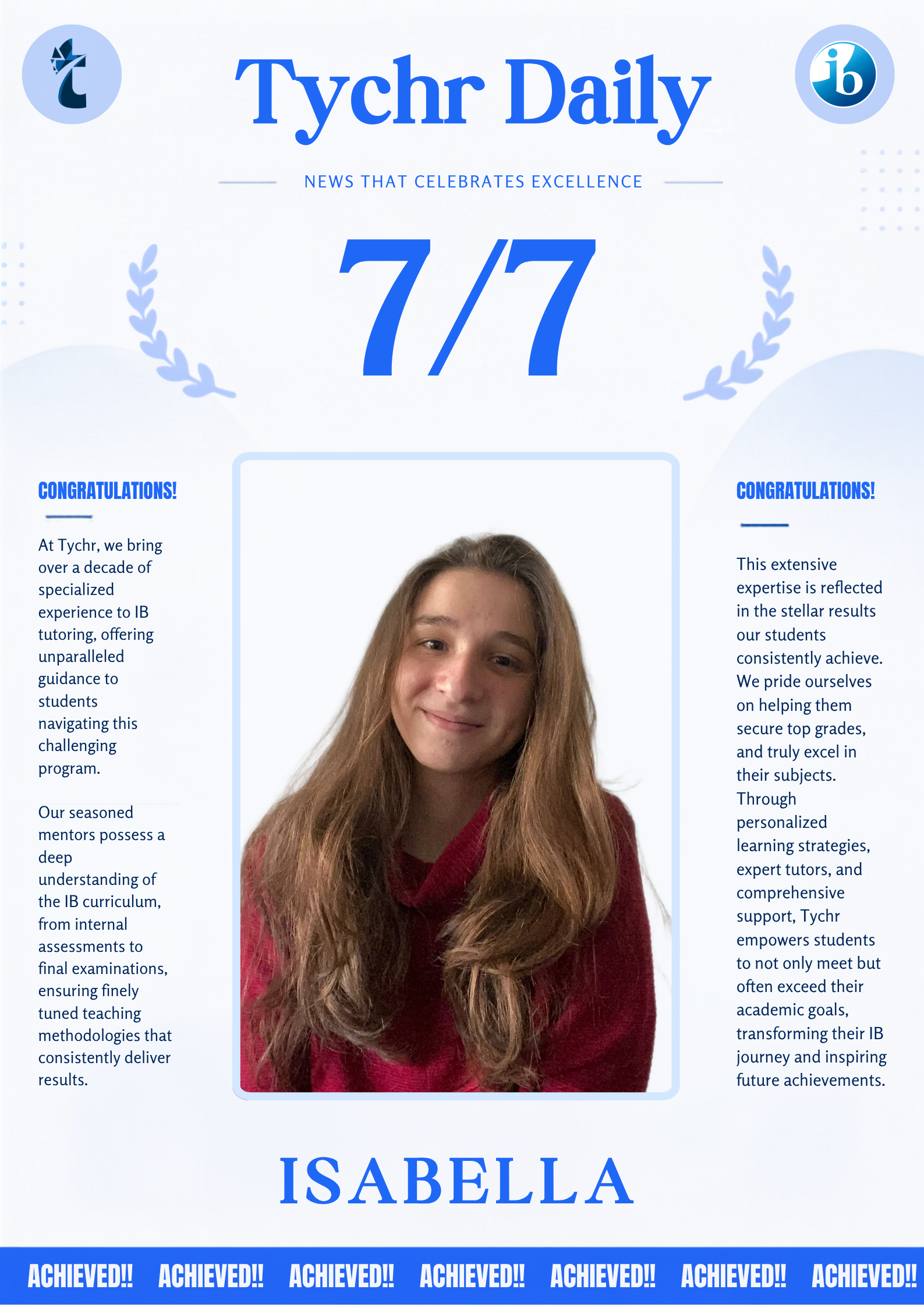
ESHAAN
42/45
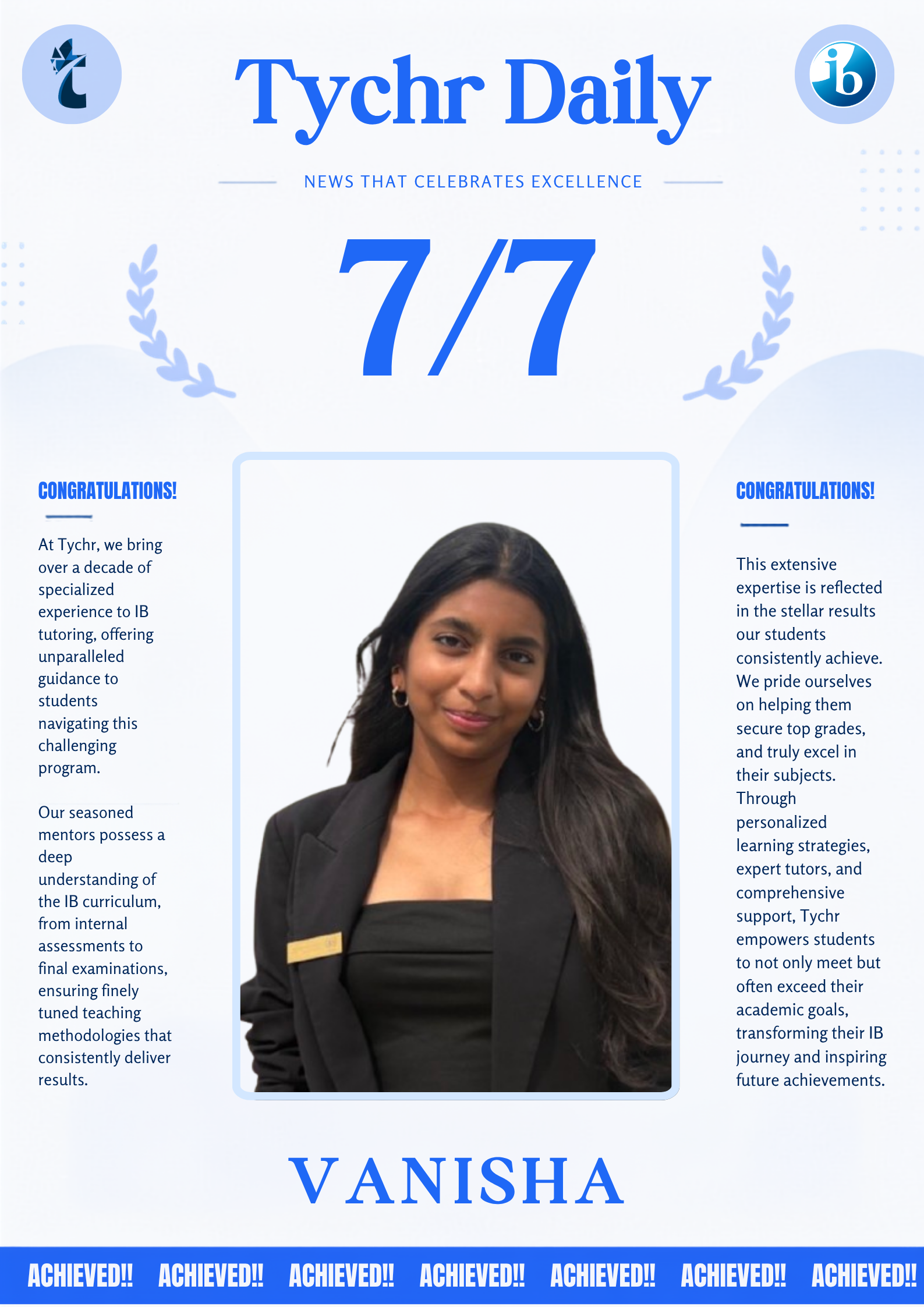
VISHAAL
43/45Start your journey with the right guidance.
Your information is kept private and never shared with third parties.
+1.8
Average grade improvement
91%
Students score 6 or 7
600+
Chemistry HL students tutored
4.9/5
Average tutor rating
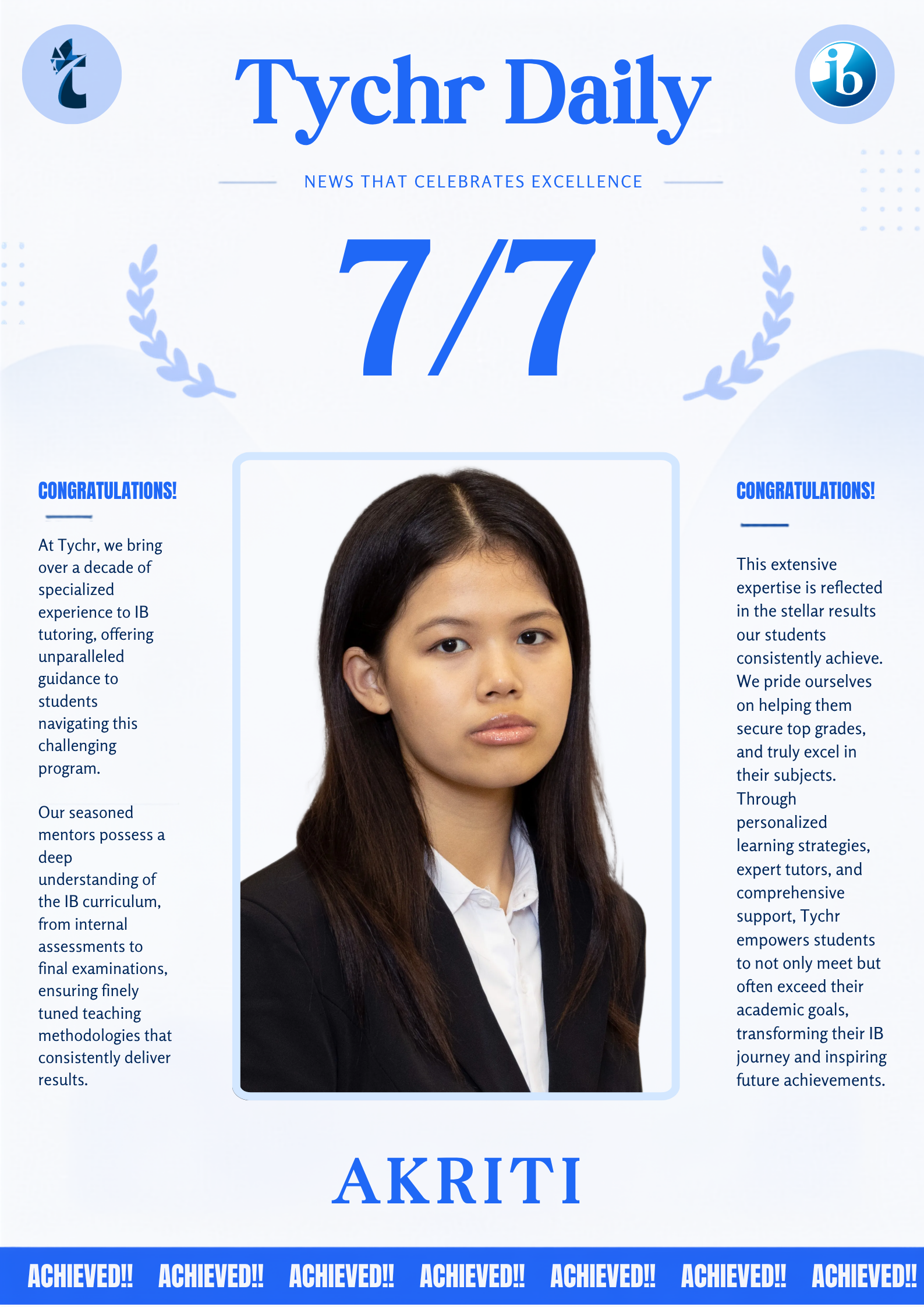
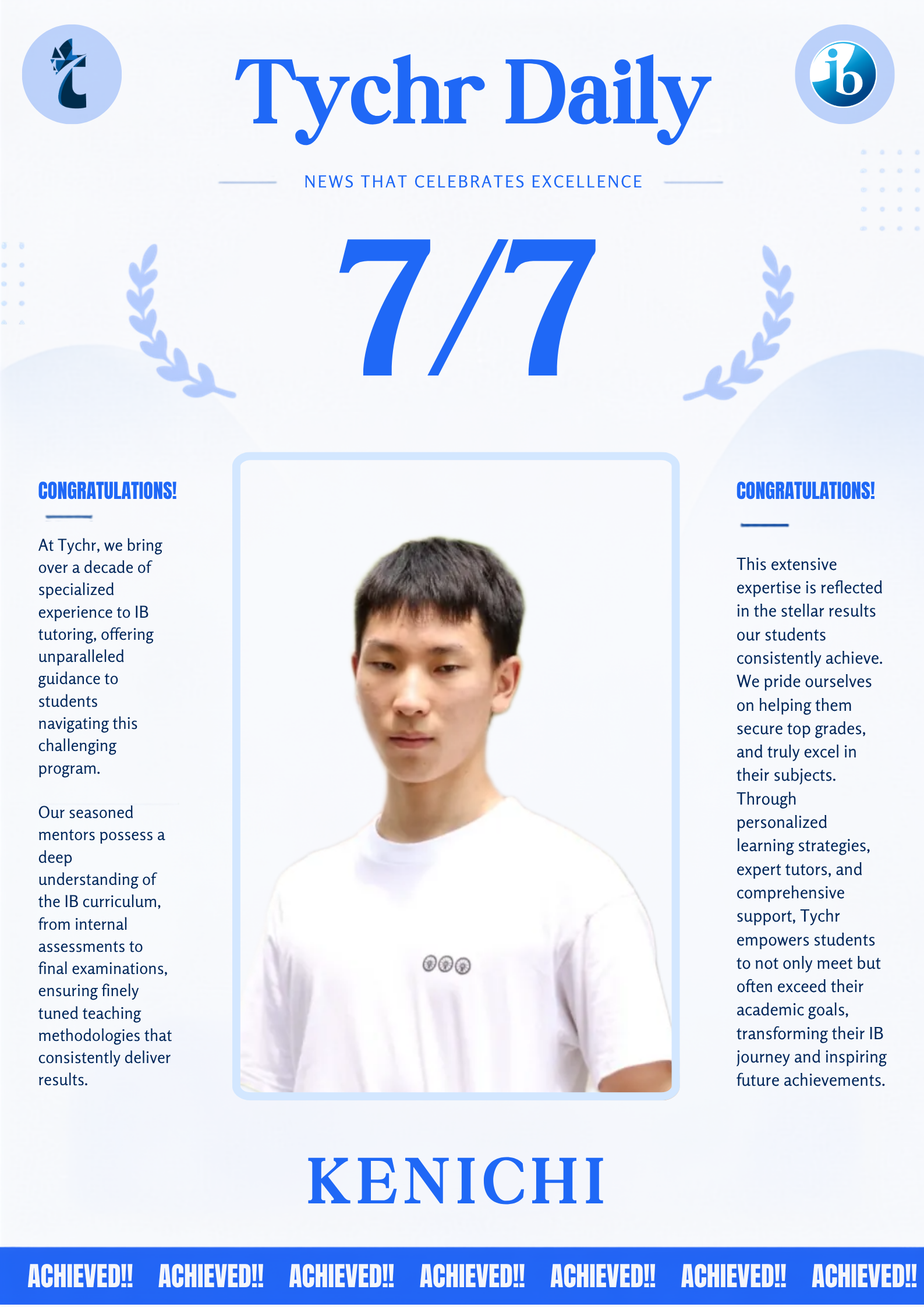
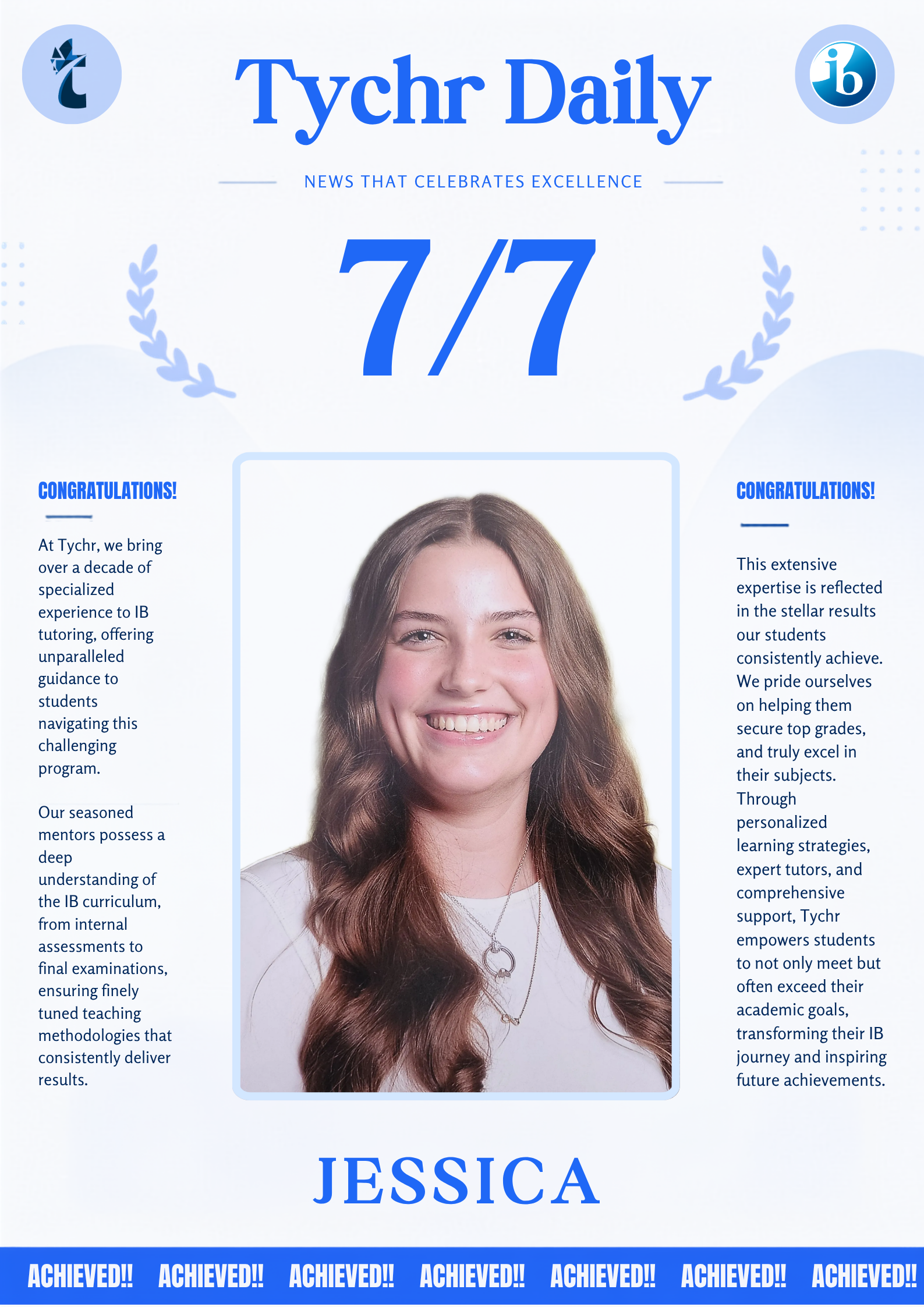
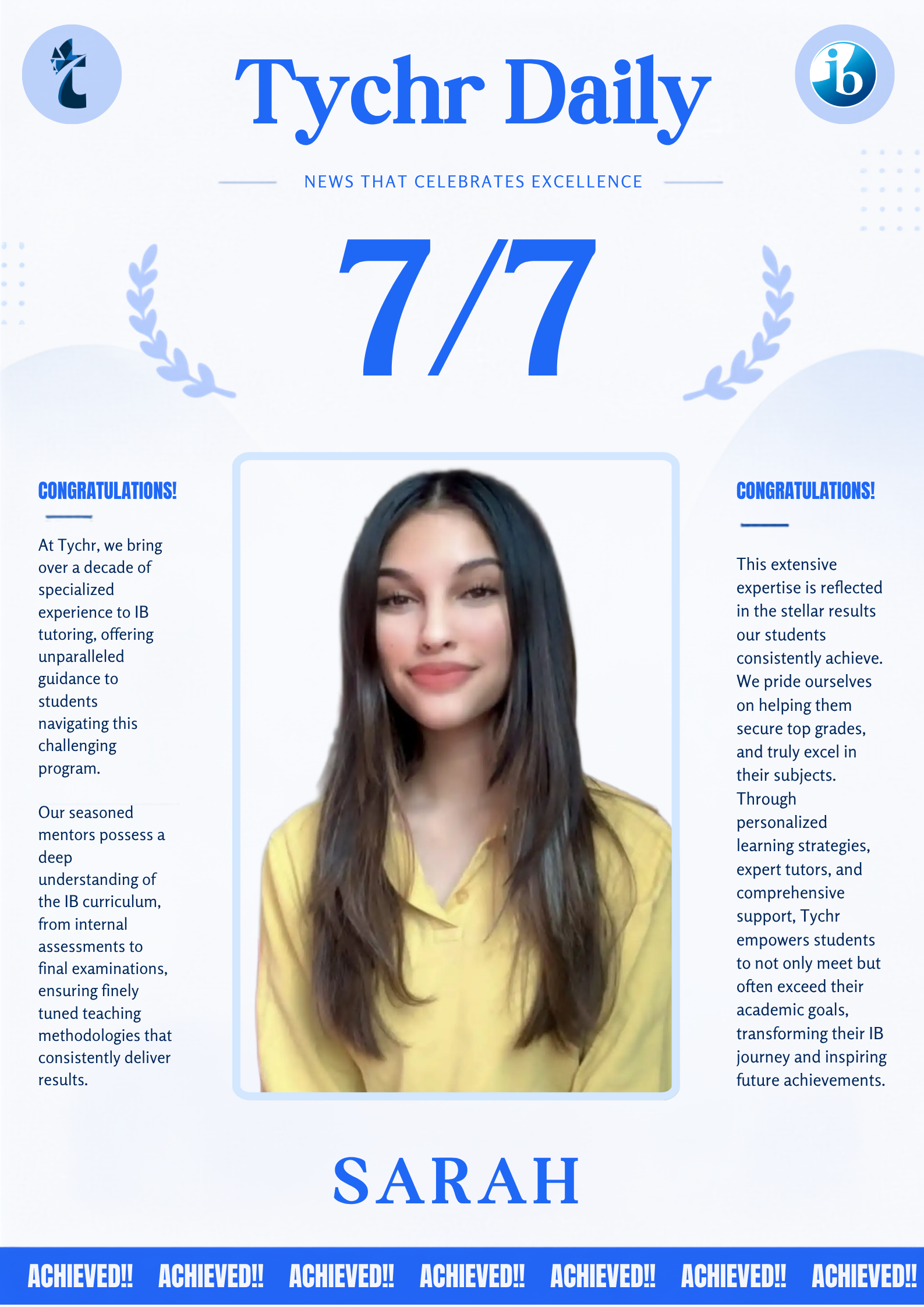
Chemistry HL Results That Speak For Themselves
Start your journey with the right guidance.
Our Placements


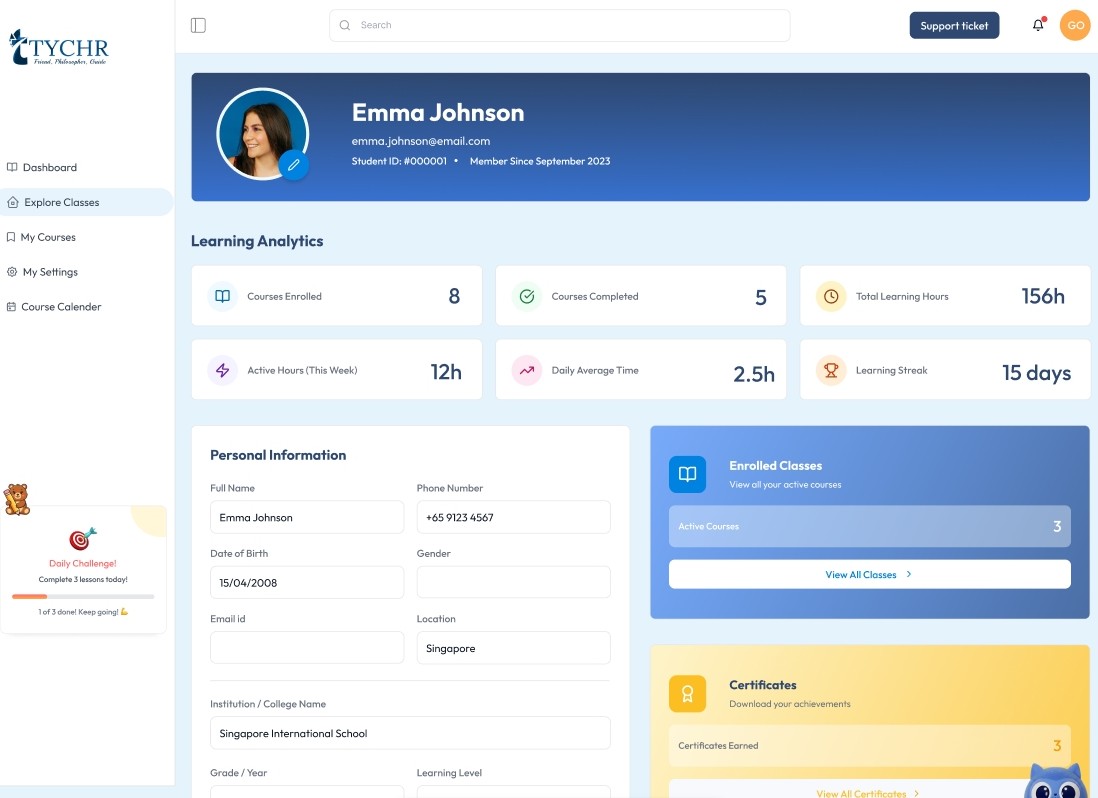
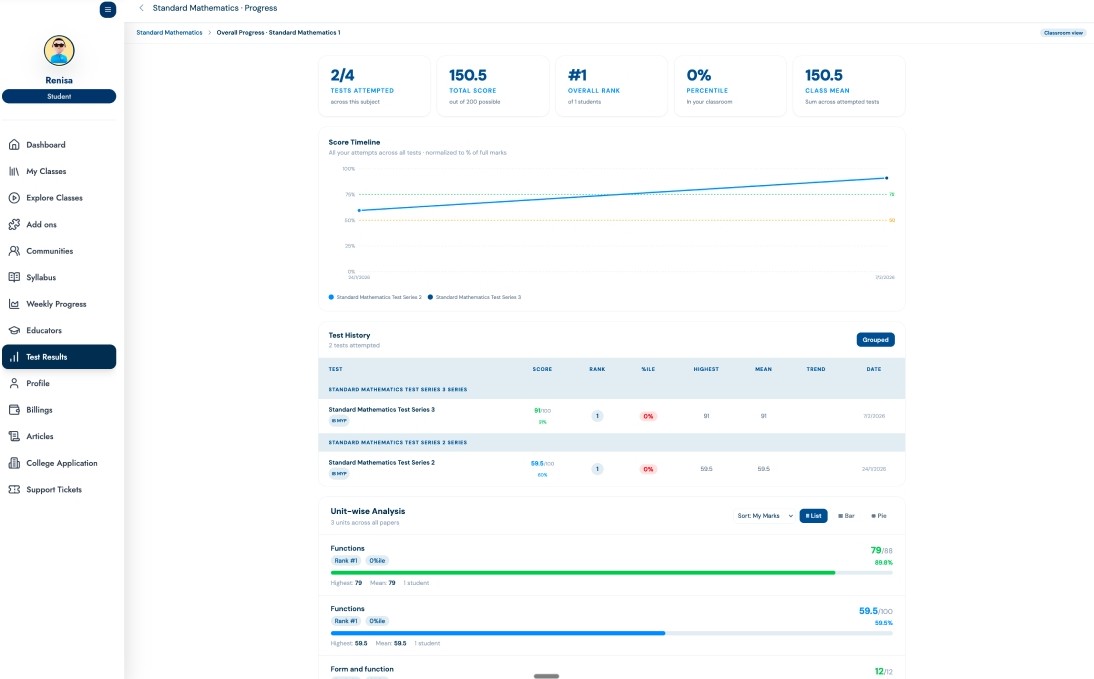
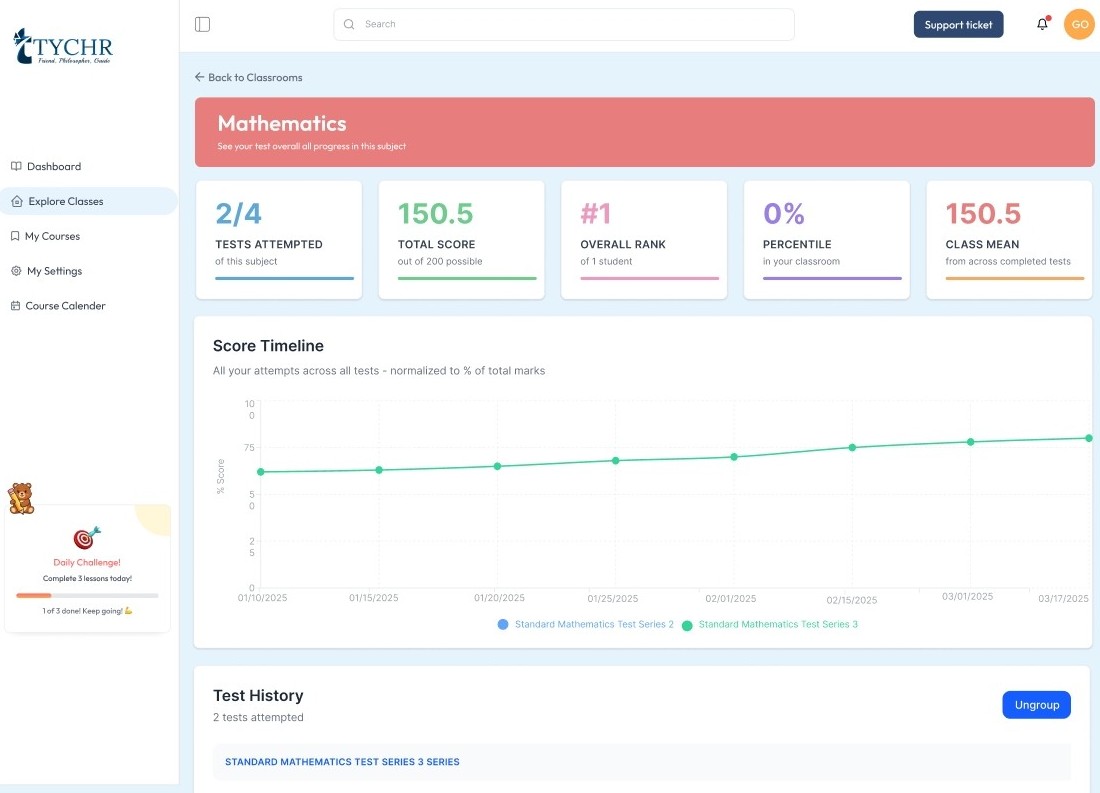
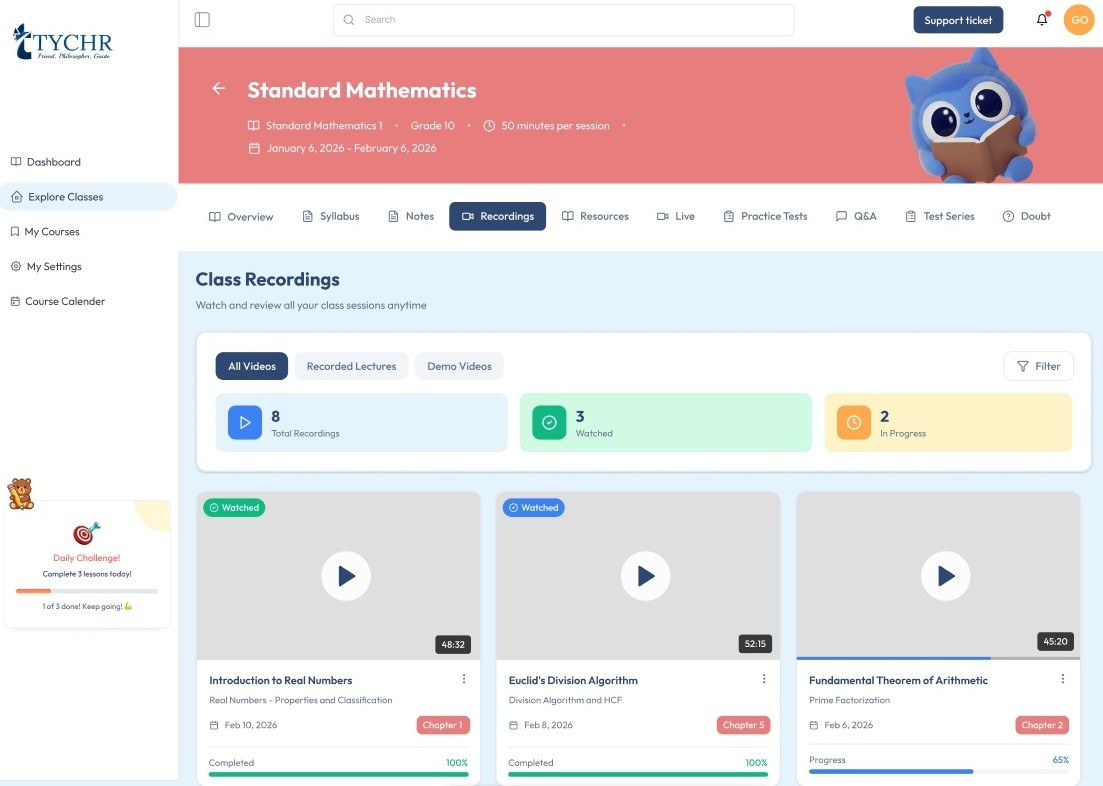
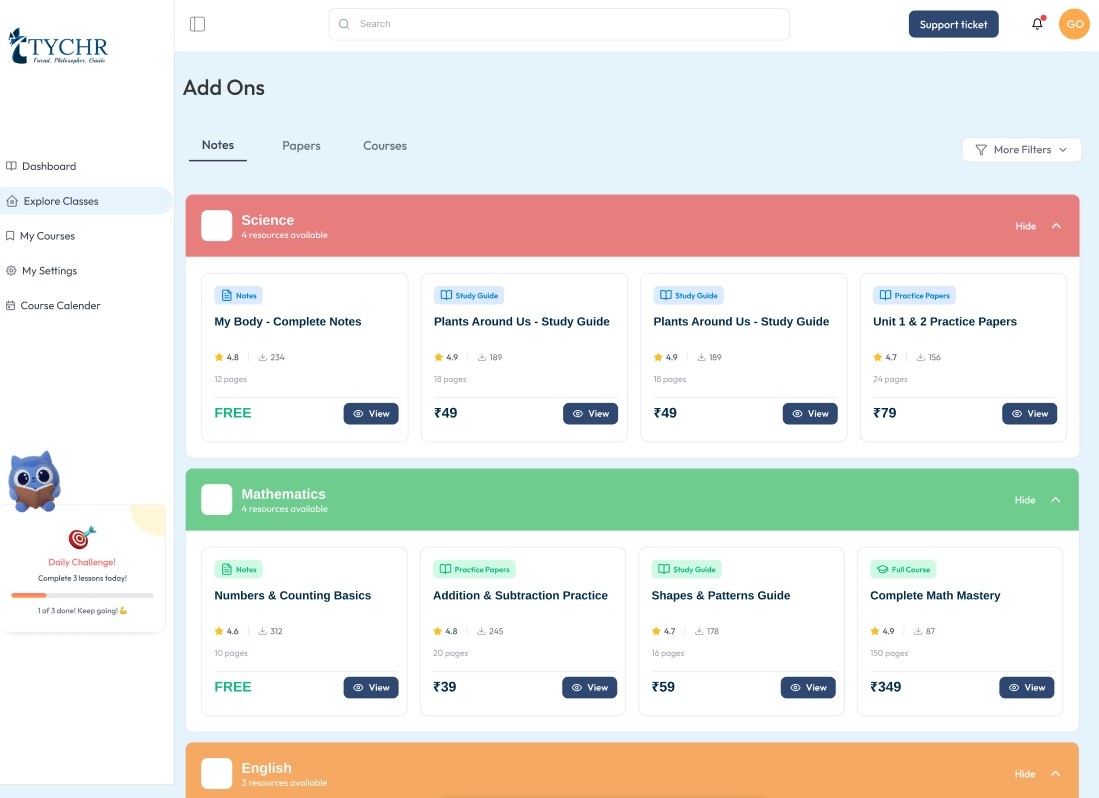
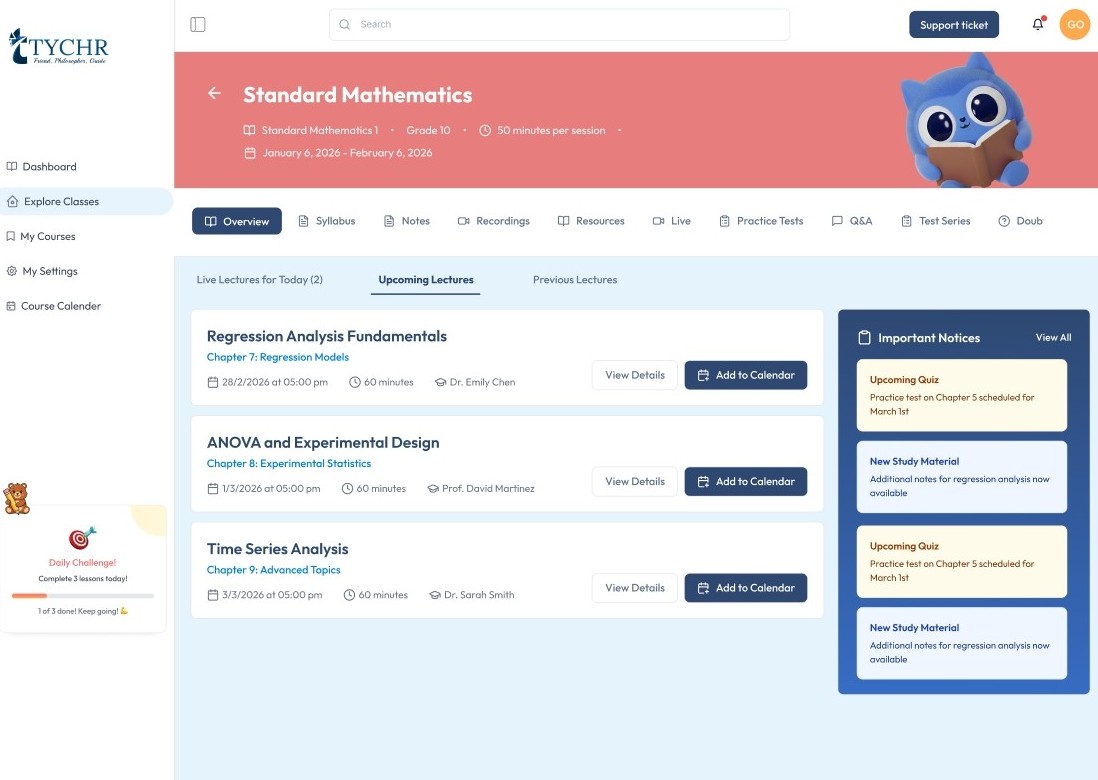
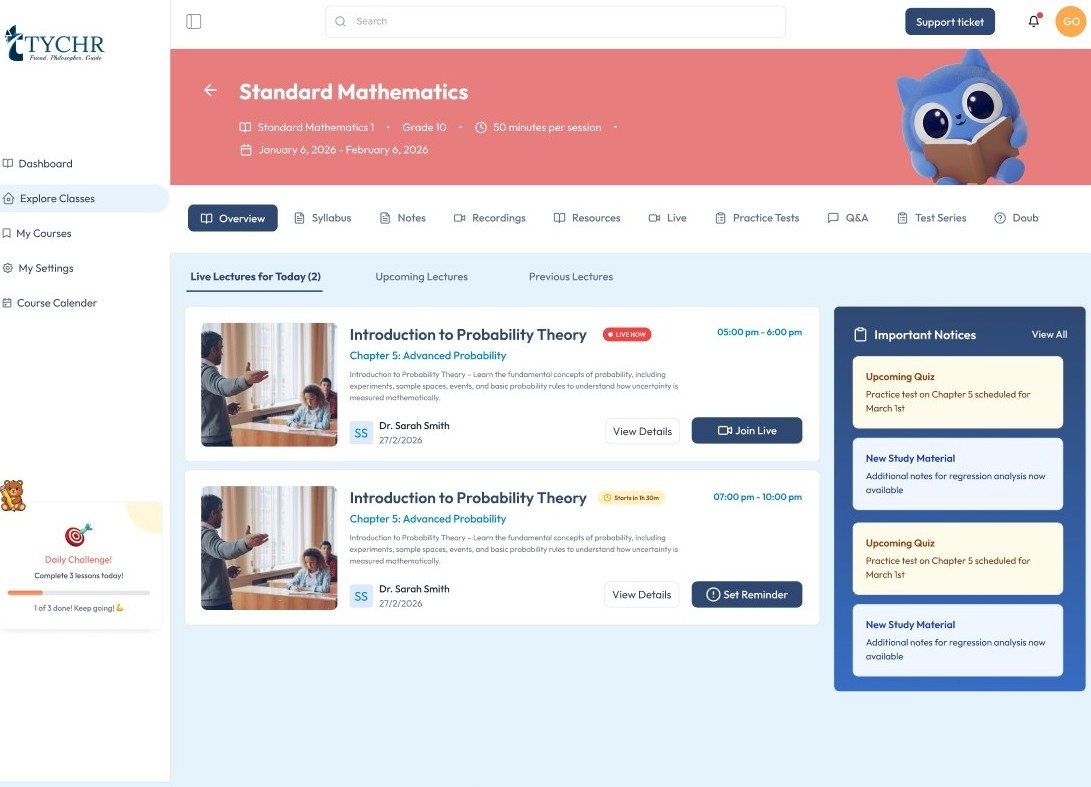
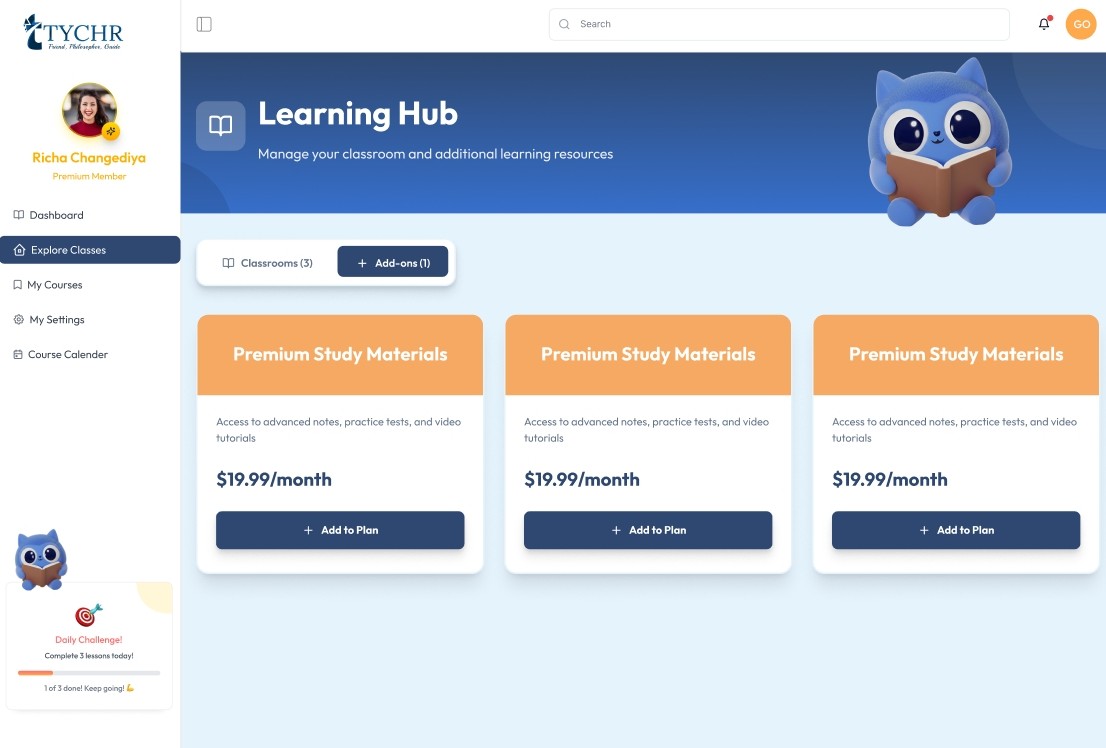
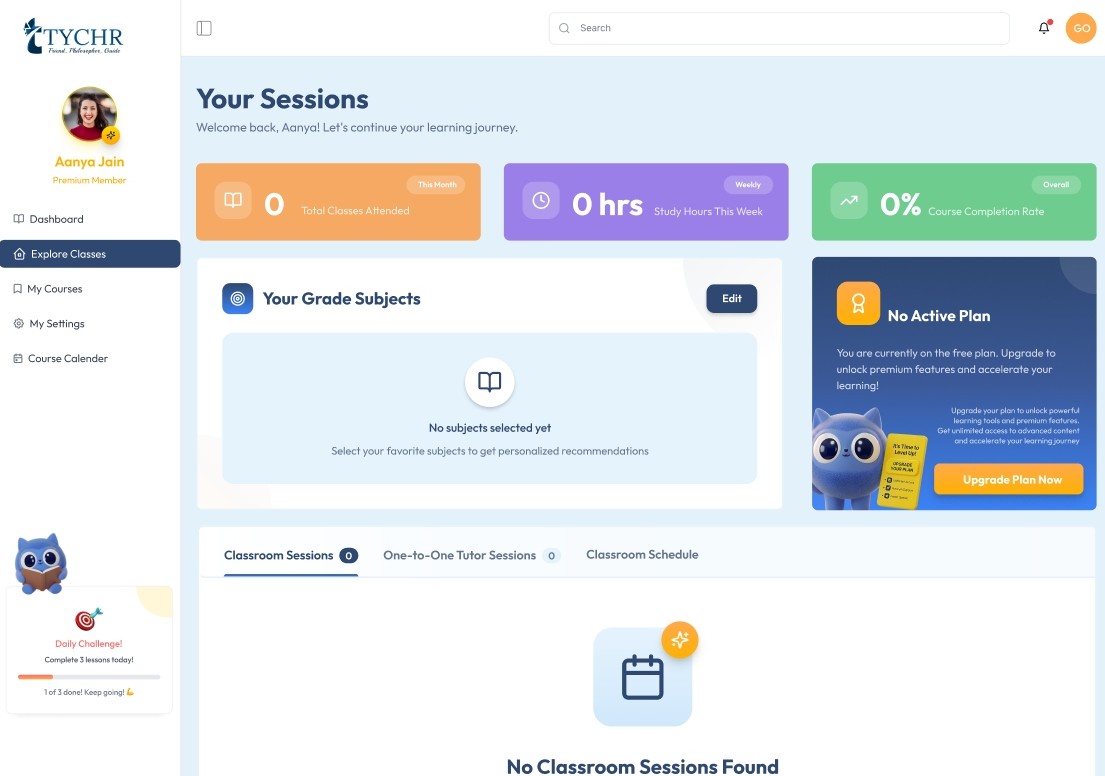
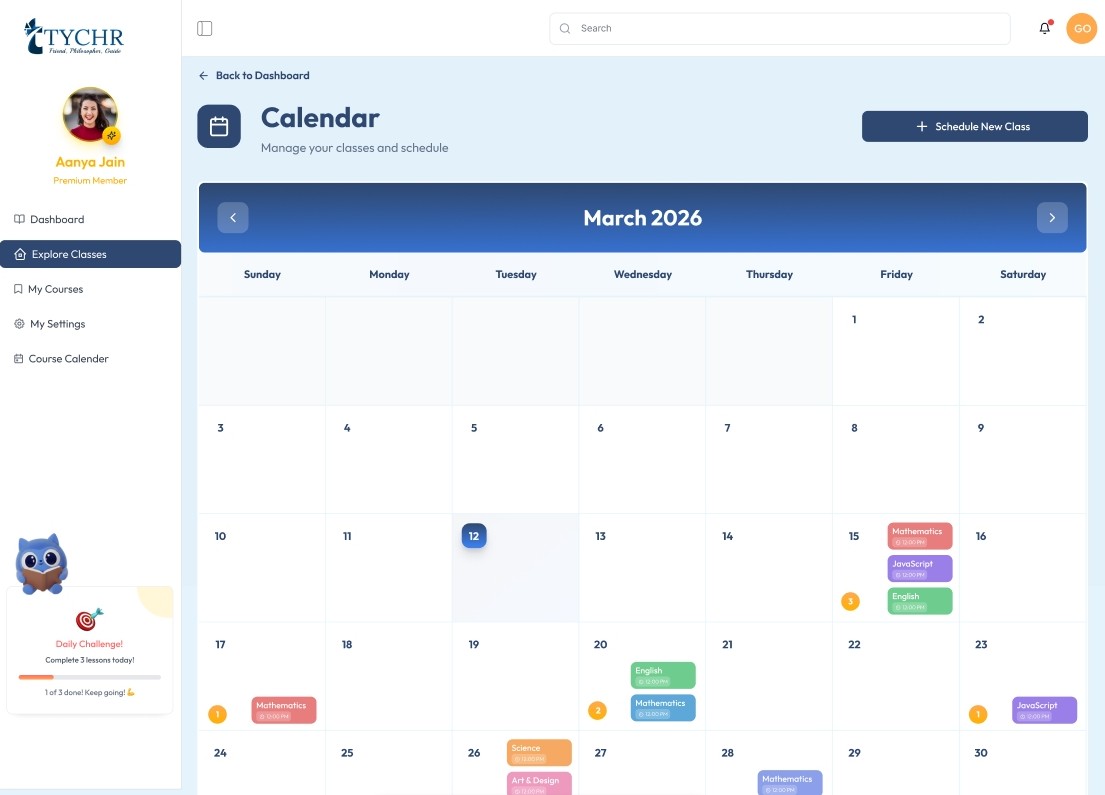
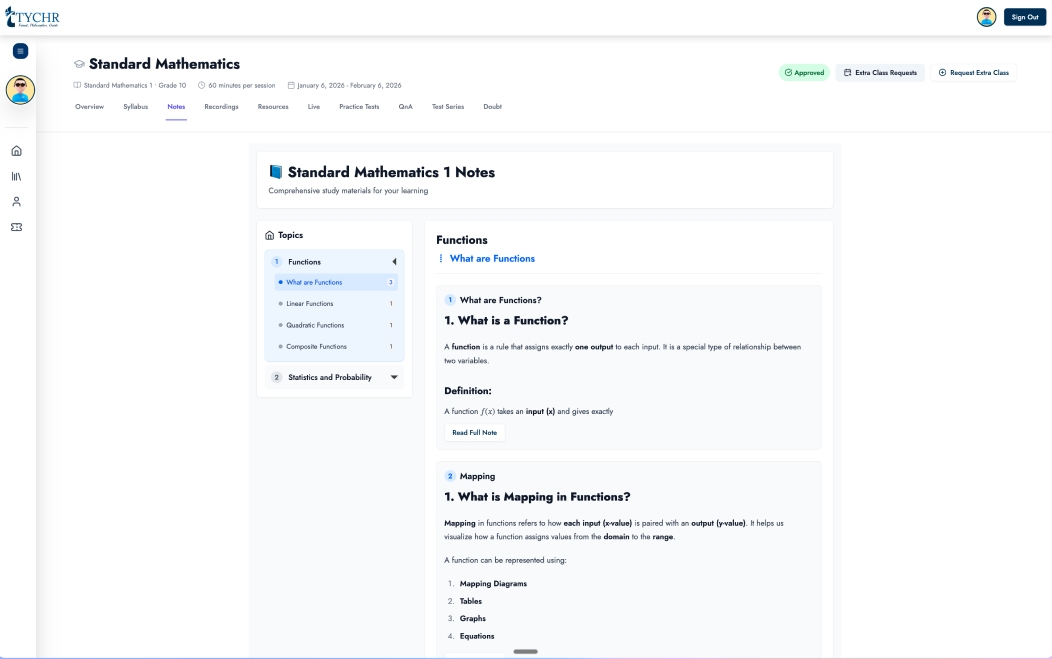
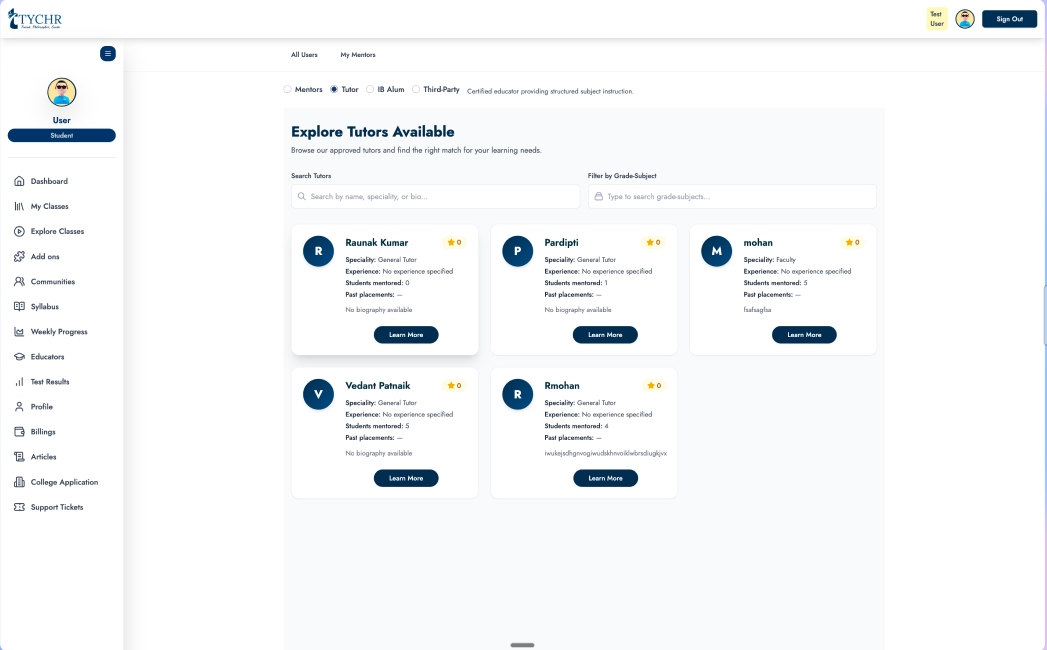
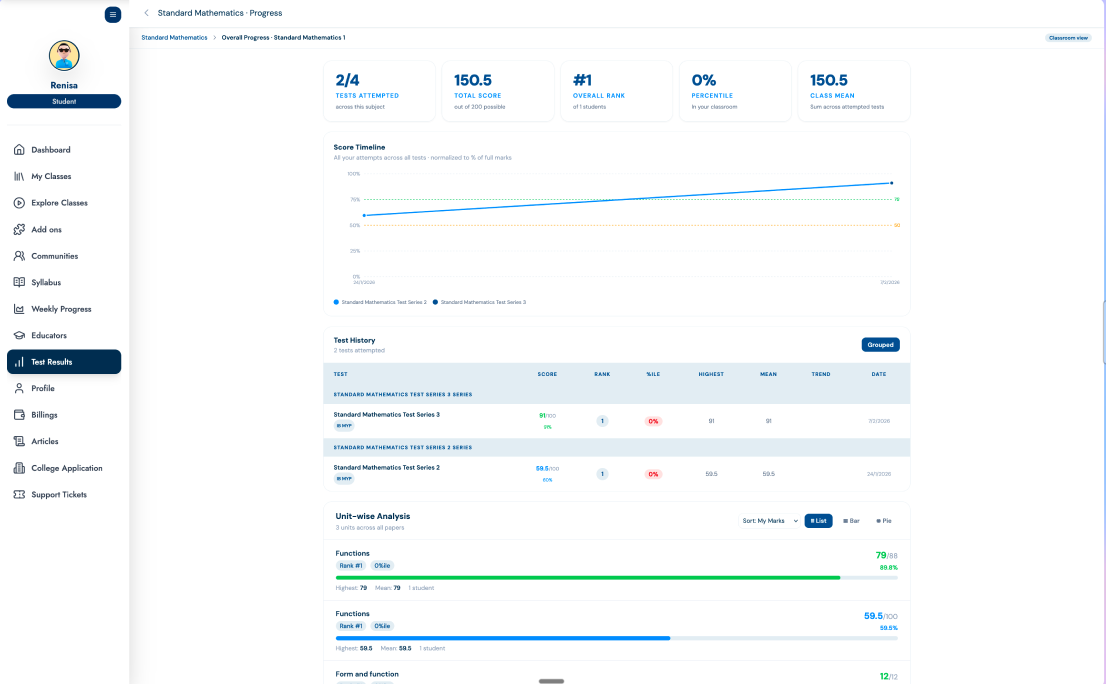
Explore our learning system
A platform designed around how students actually learn — adaptive, intuitive, and always one step ahead.

5000+
Students enrolled
100+
Expert tutors
95%
Satisfaction rate
70+
Countries reached
What Is IB Chemistry HL?
Course Structure & Assessment Overview
Course Framework
IB Chemistry HL is an experimental science course that combines theoretical understanding with practical and investigational skills. Students explore the structure and properties of matter, chemical systems, and chemical change while developing skills in experimentation, data analysis, evaluation, and scientific communication.
240 Hours
Total teaching hours for HL
6 Topics
Six core areas covering structure, reactivity, and chemical systems
3 Components
Assessment components: Paper 1, Paper 2, and Internal Assessment
20% Practical Work
The Internal Assessment is based on an individual scientific investigation
HL Assessment Breakdown
Paper 1 (36%)
Multiple-choice and data-based questions assessing knowledge, understanding, and application of chemistry
Paper 2 (44%)
Short-answer and extended-response questions covering the Chemistry HL syllabus
Internal Assessment (20%)
Individual scientific investigation demonstrating experimental design, data analysis, evaluation, and communication
HL vs SL — Key Differences
Understanding What Makes Higher Level More Challenging
| Aspect | Higher Level (HL) | Standard Level (SL) | Impact |
|---|---|---|---|
| Teaching Hours | 240 hours | 150 hours | HL provides additional time for greater depth, practical work, and advanced application of chemical concepts |
| Content Depth | Greater depth across the syllabus | More focused depth | HL requires students to develop a deeper understanding of chemical structure, reactivity, and chemical systems |
| Paper 1 Duration | 1 hour 30 minutes | 1 hour 15 minutes | HL includes a longer assessment with more challenging knowledge, application, and data-based questions |
| Paper 2 Duration | 2 hours 30 minutes | 1 hour 45 minutes | HL requires greater stamina and deeper application across short-answer and extended-response questions |
| Scientific Investigation | 20% Internal Assessment | 20% Internal Assessment | Both levels require an individual scientific investigation, with HL requiring greater depth of chemical understanding and application |
| Complexity Expected | Greater conceptual and quantitative depth | Core chemical understanding | HL requires students to apply chemical principles to more complex problems, data, and unfamiliar situations |
Why Choose HL?
- Planning to study chemistry, medicine, engineering, pharmacy, or other science-related subjects at university
- Strong interest in molecular science, chemical systems, and laboratory investigation
- Some university programmes require or strongly prefer HL Chemistry
- Want to develop advanced analytical, practical, and scientific investigation skills
- Confident in chemical theory, quantitative reasoning, and problem solving
- Enjoy exploring chemical structure, reactivity, and complex chemical systems in greater depth
HL Challenges We Address
- Managing the greater depth and complexity of the HL syllabus
- Developing a strong understanding of chemical principles and their applications
- Planning and completing the Internal Assessment with scientific rigor
- Solving complex data-based, short-answer, and extended-response questions
- Connecting quantitative analysis with theoretical and experimental chemistry
- Balancing broad chemical knowledge with accurate application and evaluation
IB Chemistry HL Paper 1
Multiple-Choice & Data-Based Problem Solving — Strategies & Techniques
Time Management & Analytical Strategy
01. Strategic Scan
- 1.Quickly review the questions and identify familiar topics where you can secure marks efficiently.
- 2.Pay attention to graphs, tables, diagrams, experimental setups, and numerical information provided in the question.
- 3.Identify command terms and key details before selecting an answer.
02. Data-to-Theory Application
- 1.Use the information provided in graphs, tables, and experimental data rather than relying only on memorised facts.
- 2.Connect observations and numerical patterns to relevant chemical principles.
- 3.For calculation questions, estimate the expected result before selecting an option where possible to catch calculator or sign errors.
03. Focused Execution & Review
- 1.Maintain a steady pace throughout the 1 hour 30 minute assessment and avoid spending too long on a single question.
- 2.Eliminate clearly incorrect options before choosing between remaining answers.
- 3.Use the final minutes to review flagged questions, calculations, units, graphs, and unanswered questions.
What Examiners Reward
Assessors reward accurate application of chemical knowledge, careful interpretation of data, and the ability to select the most appropriate answer efficiently.
Our tutors use IB-style practice questions and markschemes to help students improve conceptual understanding, data interpretation, calculation accuracy, and exam technique.
The Core Higher Level Challenge
The biggest challenge for HL candidates is combining broad chemical knowledge with fast, accurate decision-making when interpreting unfamiliar data, diagrams, graphs, calculations, and experimental information under time pressure.
Simulated Exam Drills Applied From Session 1IB Chemistry HL Paper 2
Problem-Solving & Analytical Strategies
Essay Structure & Timing
Read & Interpret (First few minutes of each question)
- Read the complete question and identify the command term before starting your response
- Scan graphs, tables, diagrams, experimental information, and chemical structures carefully
- Identify the relevant chemical concepts, variables, and information provided
- Note relationships or trends that may help you construct your answer
Systematic Solving (Main working time)
- Address command terms directly, such as 'describe', 'explain', 'deduce', 'calculate', and 'evaluate'
- Show clear mathematical and chemical working for calculations and multi-step problems
- Check stoichiometric relationships, balanced equations, units, and chemical notation
- Use relevant evidence from the question when explaining trends, observations, or conclusions
Final Verification (Final few minutes)
- Check final numerical answers for units, accuracy, and appropriate significant figures
- Review chemical equations, structures, mechanisms, and terminology
- Confirm that your response directly answers the command term
- Use the remaining time to revisit flagged questions and complete any unanswered sections
Comparative Approaches
Quantitative Problem Solving
Identify the known values and unknown, select the appropriate relationship, show the calculation clearly, and check whether the final result is chemically reasonable.
Best for:
Stoichiometry, energetics, equilibrium, kinetics, and other calculation-based questions
Chemical & Mechanistic Analysis
Break complex chemical processes into logical steps and explain how structure, bonding, conditions, and reaction pathways influence the outcome.
Best for:
Organic reactions, bonding, structure, reactivity, and reaction mechanisms
Data-Based Interpretation
Combine evidence from the provided data with relevant chemical principles to describe patterns, explain observations, and evaluate conclusions.
Best for:
Experimental data, graphs, tables, trends, and unfamiliar chemical situations
Top Tips from Our HL Tutors
Master Data Analysis
Read graphs, tables, experimental results, and other data carefully. Identify patterns, relationships, anomalies, and relevant chemical principles before drawing conclusions.
Prioritize Units and Significant Figures
Check that calculations use consistent units and appropriate significant figures. Carry sufficient precision through intermediate calculations and round final answers appropriately.
Use Precise Chemical Terminology
Use accurate chemical terminology when explaining concepts, reactions, mechanisms, experimental observations, and trends. Make sure your terminology directly addresses the question.
Explain the Chemistry
For explanation questions, clearly connect observations to relevant chemical principles. When mechanisms are required, show the appropriate reaction steps and chemical reasoning.
Apply Theory to Unfamiliar Situations
Use your understanding of core chemical principles to interpret unfamiliar reactions, experimental data, structures, and chemical systems rather than relying only on memorised examples.
Show All Essential Working
For calculations and multi-step problems, show clear mathematical and chemical working. Include equations, substitutions, units, and relevant reasoning so your method is easy to follow.
Internal Assessment (IA)
Internal Assessment Coaching, Experimental Design & Scientific Investigation Support for IB Chemistry HL
Preparation Timeline
Weeks 1–2
Research Question & Planning
- ✓Develop a focused and chemically meaningful research question
- ✓Review relevant chemical theory and scientific background
- ✓Assess the feasibility, reliability, and safety of the proposed investigation
- ✓Identify measurable variables and plan an appropriate investigative approach
Weeks 3–4
Experimental Design
- ✓Define independent, dependent, and controlled variables
- ✓Select suitable chemicals, apparatus, and measurement techniques
- ✓Develop a clear and reproducible experimental procedure
- ✓Address relevant laboratory safety and risk considerations
Weeks 5–6
Data Collection & Analysis
- ✓Collect accurate qualitative and quantitative experimental data
- ✓Process results using appropriate calculations and chemical principles
- ✓Present tables, graphs, calculations, and relevant uncertainty information clearly
- ✓Interpret trends and evaluate the quality and reliability of the results
Weeks 7–8
Evaluation & Final Report
- ✓Evaluate the investigation and the quality of the evidence collected
- ✓Discuss limitations, sources of uncertainty, and realistic improvements
- ✓Develop a conclusion that addresses the research question
- ✓Review the report against the official IB Chemistry assessment criteria
Presentation Structure
Research Question & Context
No fixed percentageIntroduce the investigation, establish the relevant chemical context, and define a focused research question.
Experimental Design & Methodology
No fixed percentageExplain the investigative approach, variables, materials, procedure, safety considerations, and data collection methods.
Data Processing & Analysis
No fixed percentageProcess and analyse experimental data using appropriate calculations, graphs, chemical principles, and uncertainty considerations.
Evaluation & Conclusion
No fixed percentageEvaluate the quality of the investigation, interpret the findings, address limitations, and reach a conclusion supported by the evidence.
How It Works
Research Question Development
Receive guidance in creating focused, relevant, and scientifically appropriate Chemistry IA research questions.
Experimental Design Support
Design reliable investigations with appropriate variables, procedures, controls, measurements, and laboratory techniques.
Data Analysis & Uncertainty Guidance
Learn how to process experimental data, apply appropriate calculations, interpret uncertainty, and evaluate the quality of results.
Chemical Calculations & Graphing
Present calculations, graphs, trends, and chemical analysis using clear and appropriate scientific methods.
Criterion-Based IA Feedback
Receive structured feedback aligned with the official IB Chemistry assessment criteria.
Scientific Report Review
Improve scientific communication, organisation, evaluation, and clarity before final submission.
Conceptual & Data Analysis Strategies
Master Both Analytical Approaches for IB Chemistry HL
Theoretical Mastery Strategies
For Papers 1, 2, and IA — building deep understanding of chemical principles
Color-Coded Topic Mapping
Develop a structured method to organise core chemistry concepts, formulas, reactions, and key terminology.
- Yellow: Formulae and constants
- Green: Chemical reactions and mechanisms
- Blue: Key trends and relationships
- Pink: Definitions and key terminology
Formula & Constant Bank
Build a practical reference system for essential chemical equations, relationships, and constants.
- Organise formulas and relationships by topic
- Review essential constants and standard conditions
- Understand how formulas are derived and applied
- Practise using equations in multi-step calculation problems
Cross-Topic Framework
Identify connections between different areas of chemistry to strengthen conceptual understanding and application.
- Connect bonding and structure to physical and chemical properties
- Link reaction rates, equilibrium, and energy concepts
- Connect organic structures with their reactions and mechanisms
- Apply core chemical principles across unfamiliar problems and contexts
Unseen Data Strategies
For Paper 1 & Paper 2 — analysing unfamiliar datasets and chemical scenarios
Rapid Data Identification
- 1.Identify the type of information provided, such as graphs, tables, spectra, or experimental results
- 2.Determine what the data is being used to investigate or calculate
- 3.Identify axes, variables, units, and relevant patterns
- 4.Note unusual values, experimental conditions, and important information
Evidence-Spotting Technique
- 1.Identify clear trends, relationships, and changes in the data
- 2.Check stoichiometric relationships and relevant numerical patterns
- 3.Consider reaction conditions, states, concentrations, and other variables
- 4.Connect observations to appropriate chemical principles
Principle-First Analysis
- 1.State the relevant chemical principle before or alongside your calculation
- 2.Connect calculated results to the underlying chemical behaviour
- 3.Consider significant figures, uncertainty, and experimental limitations where relevant
- 4.Use precise chemical terminology and directly address the command term
Bridging Theory & Experimental Data
The theoretical foundation developed through core chemistry topics supports both exam problem solving and experimental data interpretation. Our tutoring helps students build a flexible analytical framework for Papers 1 and 2 and the Internal Assessment.
Weekly Practice Routine
One-to-One vs Group Tutoring
Choose Your Ideal Learning Format for the IB Diploma Programme
One-to-One Tutoring
Tailored, High-Impact Learning
- ✓Personalized curriculum pacing: Focus directly on your specific SL/HL syllabus needs.
- ✓Targeted weak-area remediation: Deep-dive into challenging topics and command terms.
- ✓1-on-1 Internal Assessment (IA) guidance: Tailored mentoring through rubric criteria.
- ✓Customized past paper practice: Detailed, line-by-line mark scheme breakdown.
- ✓Flexible scheduling: Adapt session timings around your school calendar and deadlines.
- ✓Direct mark-scheme feedback: Actionable critiques to push your boundaries toward a Grade 7.
Group Tutoring
Interactive & Collaborative Learning
- ✓Small cohort learning: Learn alongside 3–5 peers studying the same subject and level.
- ✓Collaborative problem-solving: Benefit from diverse perspectives and peer discussions.
- ✓Structured weekly syllabus roadmap: Consistent, steady coverage of core IB topics.
- ✓Shared past paper walkthroughs: Master IB exam techniques and mark schemes together.
- ✓Cost-effective mastery: Premium IB tutoring at a lower per-session rate.
- ✓Peer motivation & accountability: Stay on track alongside fellow IB diploma candidates.
Not sure which format works best? Book a free consultation to discuss your IB tutoring needs
Book Free ConsultationGrade Improvements — Chemistry HL Score Results
From Students
There are no results to show at the moment.
Free IB Chemistry HL Resources
Notes, Problem Sets & Past Papers
IB Chemistry HL Resource Library
Access a comprehensive collection of IB Chemistry HL study resources, including topic guides, practice questions, exam preparation materials, and Internal Assessment support.
800+
Study Resources
10
Years of Papers
3
Assessment Components
24/7
Access
Chemical Theory Guides
Comprehensive guides for mastering chemical structure, reactivity, quantitative chemistry, and chemical systems
- ✓Reaction and mechanism guides
- ✓Physical chemistry concepts
- ✓Inorganic and organic chemistry resources
Problem-Solving Resources
Structured resources for developing strong problem-solving skills across Paper 1 and Paper 2
- ✓Stoichiometry problem solving
- ✓Data analysis frameworks
- ✓Reaction and calculation strategies
Past Paper & Practice Collection
Practice resources designed around the current IB Chemistry HL assessment structure
- ✓Paper 1 practice
- ✓Paper 2 practice
- ✓Specimen and practice questions
IA Examples & Guidance
Guidance and examples to help students develop strong scientific investigations
- ✓Research question guidance
- ✓Scientific investigation examples
- ✓Evaluation and error-analysis strategies
IA Preparation Resources
Practical investigation resources covering experimental planning, laboratory techniques, and data processing
- ✓Uncertainty guidance
- ✓Experimental design support
- ✓Data processing workflows
Chemistry Term Glossary
A practical reference collection of chemical terminology, equations, constants, and common reaction concepts
- ✓Key chemical terminology
- ✓Important constants and equations
- ✓Reaction and process identification
Recommended Syllabus Focus Areas
Chemistry Problem-Solving Support Across All Topics
Core HL Chemistry Topics
Physical Chemistry
Chemical Kinetics
by
Chemical Bonding & Structure
by
Energetics & Thermochemistry
by
Equilibrium
by
Acids & Bases
by
Inorganic Chemistry
Periodicity
by
Transition Metals
by
Organic Chemistry
Functional Group Chemistry
by
Organic Reaction Mechanisms
by
Analytical & Data-Based Topics
Spectroscopic Techniques
by
Data-Based Questions
by
Experimental Chemistry
by
Our Chemistry Support
Comprehensive frameworks tailored directly to the IB Chemistry HL curriculum
IA Topic Selection Guidance
Get guidance on selecting focused Chemistry IA topics that support meaningful data collection, analysis, evaluation, and personal engagement.
Mechanism & Pathway Coaching
Understand organic and inorganic reaction pathways, chemical conditions, and the reasoning behind reaction mechanisms.
Error & Uncertainty Analysis
Learn how to apply uncertainty, significant figures, data processing, and evaluation techniques to experimental results.
Cross-Topic Synthesis
Build connections between different areas of chemistry to solve multi-step and unfamiliar exam problems.
Data-Based Interpretation
Develop strategies for interpreting unfamiliar datasets, graphs, spectra, experimental results, and chemical trends.
Concept & Formula Mastery
Strengthen understanding of essential formulas, equations, definitions, terminology, and chemical relationships.
Mock IA Review & Written Feedback
Practice, Review & Refine Your Chemistry IA
Mock IA Review Process
Pre-Review Preparation
- Submit your research question, methodology, and current investigation draft
- Review the scope and feasibility of your scientific investigation
- Check your experimental design, variables, and data collection approach
- Prepare your data processing, uncertainty, and evaluation sections for review
Mock IA Review Session
- Walk through your research question, methodology, results, and conclusion
- Discuss the strengths and limitations of your investigation
- Review data processing, uncertainty, and evaluation techniques
- Receive targeted feedback on areas that need improvement
Detailed Feedback
- Receive structured feedback on the investigation and scientific communication
- Identify gaps in data analysis, evaluation, and conclusion
- Review the clarity and relevance of your evidence
- Receive recommended improvements to strengthen the final submission
Final Refinement
- Review feedback and prioritise the most important improvements
- Strengthen uncertainty, data analysis, and evaluation where needed
- Improve the connection between evidence, analysis, and research question
- Polish scientific communication and presentation before submission
IA Review & Feedback
Investigation Review
✓ Research question and investigation focus
✓ Experimental design and methodology
✓ Data processing and analysis
✓ Scientific communication
Data Analysis Review
✓ Calculation and data-processing accuracy
✓ Uncertainty and reliability analysis
✓ Interpretation of experimental results
✓ Connection between evidence and conclusion
Evaluation & Conclusion
✓ Evaluation of limitations
✓ Discussion of sources of uncertainty
✓ Realistic improvement suggestions
✓ Strength of final conclusion
Final IA Review
✓ Overall scientific structure
✓ Clarity and precision of terminology
✓ Graphs, tables, equations, and formatting
✓ Final alignment with IB Chemistry assessment criteria
Why Mock Reviews Matter
Refine Your Investigation
Reviewing your investigation before submission helps identify weaknesses in experimental design, analysis, and evaluation.
Identify Weak Spots Early
Identify methodological limitations, data gaps, or weaknesses in reasoning early enough to make meaningful improvements.
Improve Data Presentation
Learn how to present experimental data, calculations, graphs, and scientific reasoning clearly and effectively.
Strengthen Analysis
Strengthen the depth of your analysis by connecting your evidence and conclusions directly to your research question.
Expert Feedback
Receive structured feedback from experienced IB Chemistry tutors on your investigation, analysis, evaluation, and scientific communication.
What students say
There are no results to show at the moment.
Frequently Asked Questions
Everything About IB Chemistry HL Tutoring
Our tutors break down reaction pathways, organic mechanisms, and transition metal bonding into clear, visual steps.
Yes, we provide focused drills on mole concepts, equilibrium constants, buffer pH, and thermodynamic data analysis.
We train students on time management, data-based reasoning, and writing concise, precise scientific justifications.
Absolutely. All sessions cover the complete core and HL extension topics according to the latest IB curriculum guide.
Yes, we guide students through hypothesis formulation, precise error analysis, and structuring their lab investigations.
We use step-by-step reaction mapping and functional group transformation drills to make multi-step synthesis intuitive.
Is IB Chemistry HL Worth It?
University Goals & Subject Value
Why Universities Value IB Chemistry HL
Advanced Scientific Rigor
HL develops the ability to apply complex chemical concepts, interpret scientific data, perform quantitative analysis, and solve unfamiliar problems—skills valuable across university STEM subjects.
Independent Research
The Internal Assessment provides experience in designing an investigation, collecting and analysing data, evaluating results, and communicating scientific conclusions independently.
Academic Preparedness
Exposure to chemical structure, reaction mechanisms, energetics, equilibrium, spectroscopy, and other advanced concepts can provide useful preparation for university-level science.
University Pathways Where Chemistry HL Matters
Medicine
Provides a strong foundation in chemical structure, reactions, biochemistry, and quantitative scientific reasoning
Chemical Engineering
Builds a foundation in chemical reactions, energetics, kinetics, equilibrium, and quantitative problem solving
Biochemistry & Biotechnology
Develops understanding of molecular structure, chemical reactions, bonding, and chemical systems
Pharmacology & Pharmaceutical Sciences
Provides relevant foundations in organic chemistry, chemical structure, reactions, and molecular interactions
Materials Science
Builds understanding of atomic structure, bonding, chemical properties, and structure-property relationships
Dentistry
Provides a strong foundation in chemical structure, reactions, materials, and biological chemistry relevant to dentistry
The HL Advantage in STEM Admissions
Beyond meeting specific entry requirements, Chemistry HL can strengthen an application by demonstrating scientific reasoning, analytical ability, quantitative skills, and readiness for demanding university study.
- Shows commitment to challenging science coursework
- Demonstrates quantitative analysis and scientific problem-solving skills
- Provides a strong foundation for university-level laboratory and experimental work
- Prepares students for rigorous STEM problem-solving environments
- Develops critical data analysis, evaluation, and scientific communication skills
96%
First Choice University
82%
Russell Group / Ivy+
$3.1M
Scholarships Won
100%
University Acceptance
Book Your Chemistry HL Tutor Today
Start Your Journey to Chemistry HL HL Excellence in 3 Simple Steps
Choose Your HL Tutor
Browse our expert Chemistry HL tutor profiles and select one who matches your literary interests and learning goals.
Schedule Free Trial
Book your complimentary 60-minute session to discuss your texts, goals, and current challenges—no commitment.
Start Literary Analysis
Begin your personalized HL journey with close reading, essay coaching, and comprehensive exam preparation.