Certified IB Biology HL Tutors in Global to Help You Achieve 7/7 Across All Components
IB Biology HL is one of the most assessment-diverse IB subjects, featuring distinct assessment components that each require a specialized analytical approach.

GULIA
43/45
TANISHA
43/45
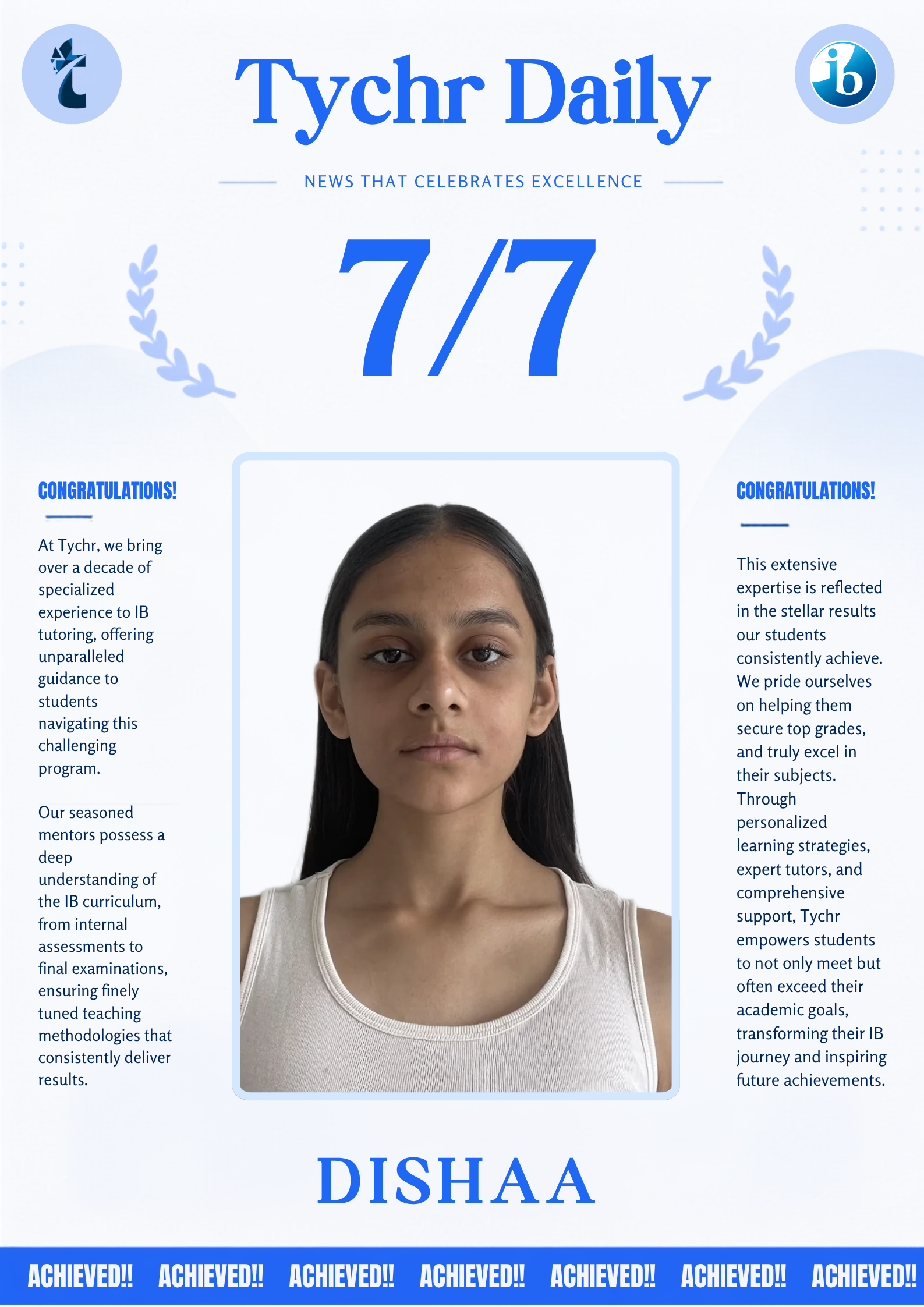
ADAA
43/45
RUSHIL
45/45
ESHAAN
42/45
VISHAAL
43/45Start your journey with the right guidance.
Your information is kept private and never shared with third parties.
+1.8
Average grade improvement
91%
Students score 6 or 7
600+
Biology HL students tutored
4.9/5
Average tutor rating
Biology HL Results That Speak For Themselves
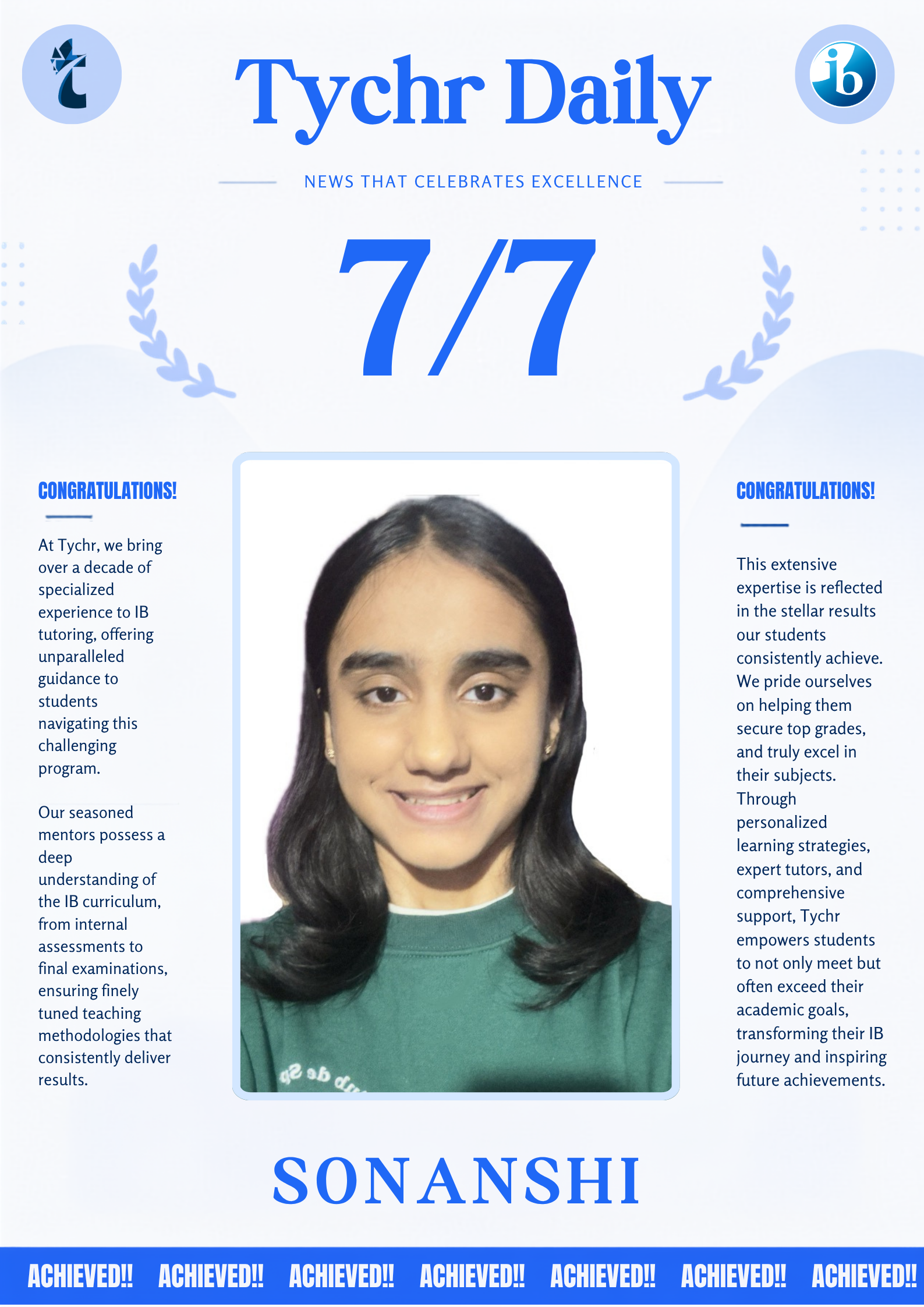
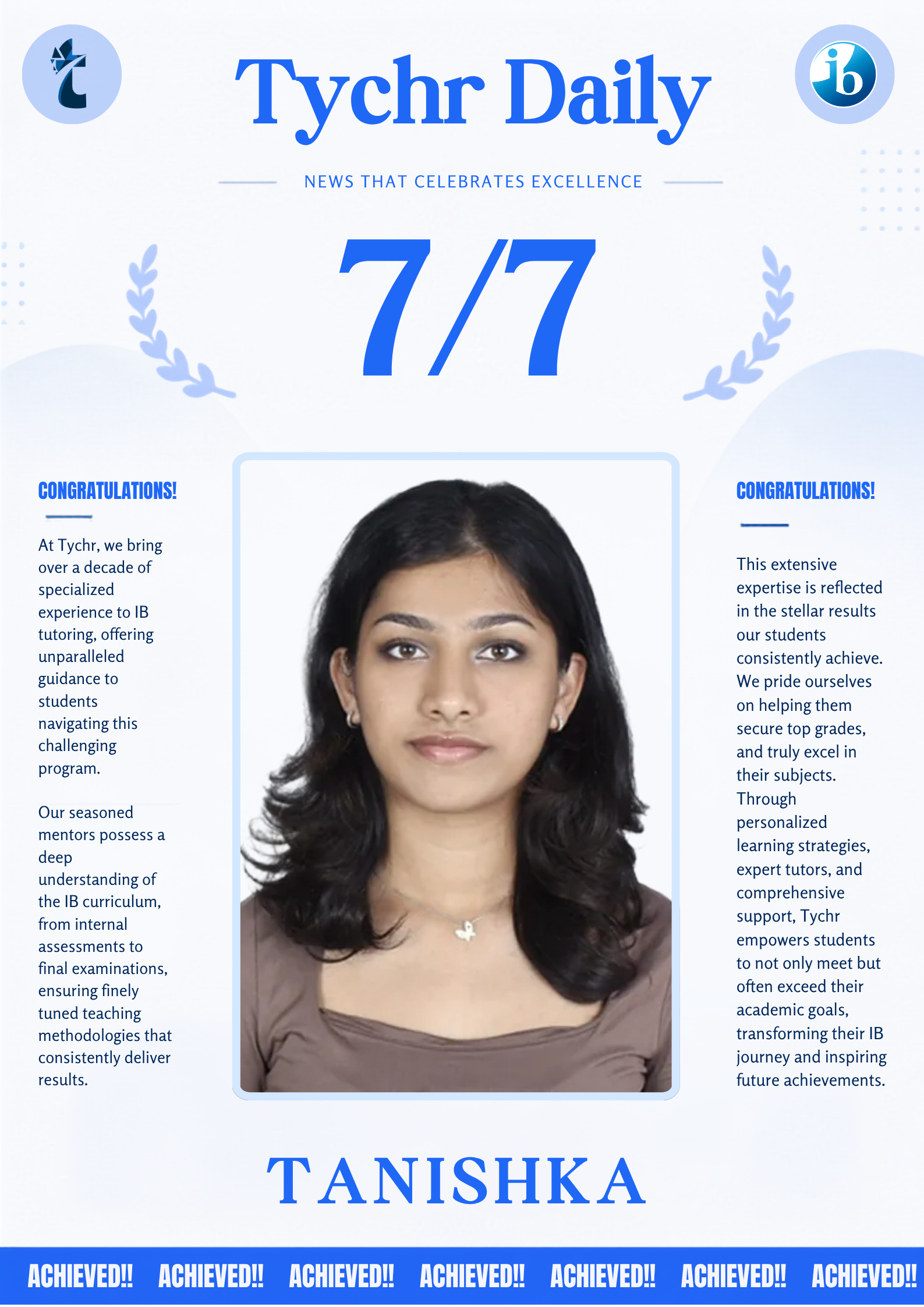
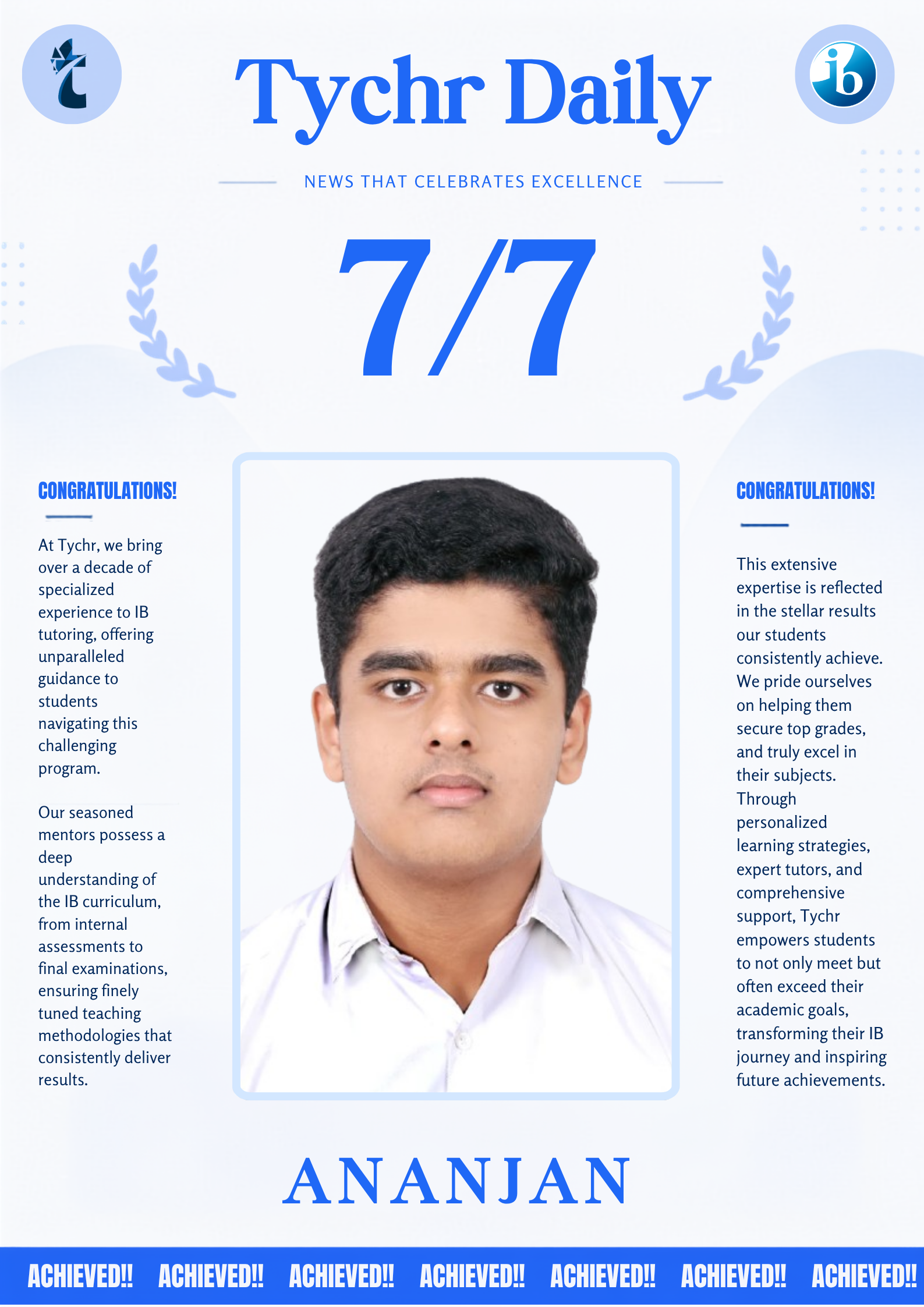
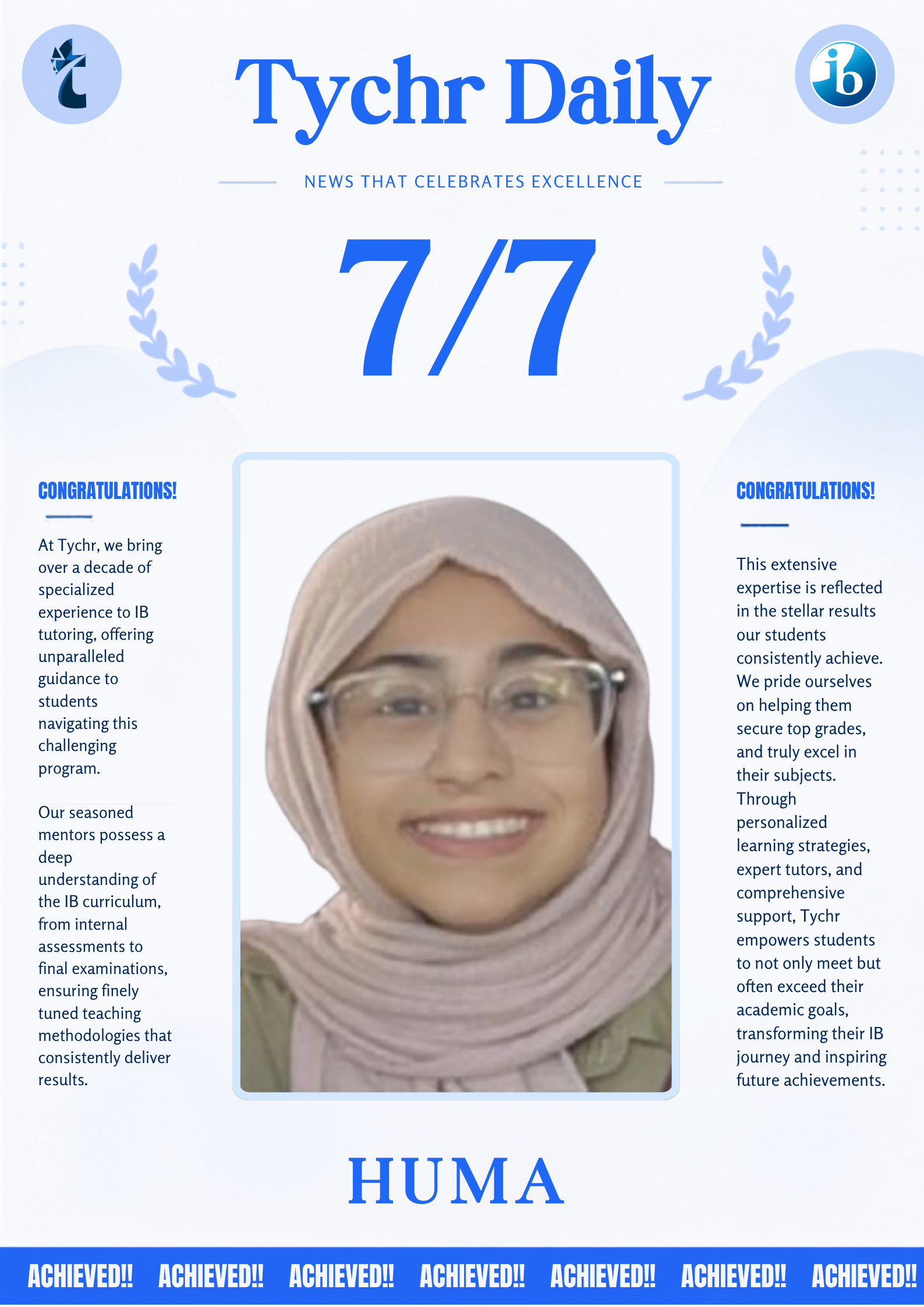
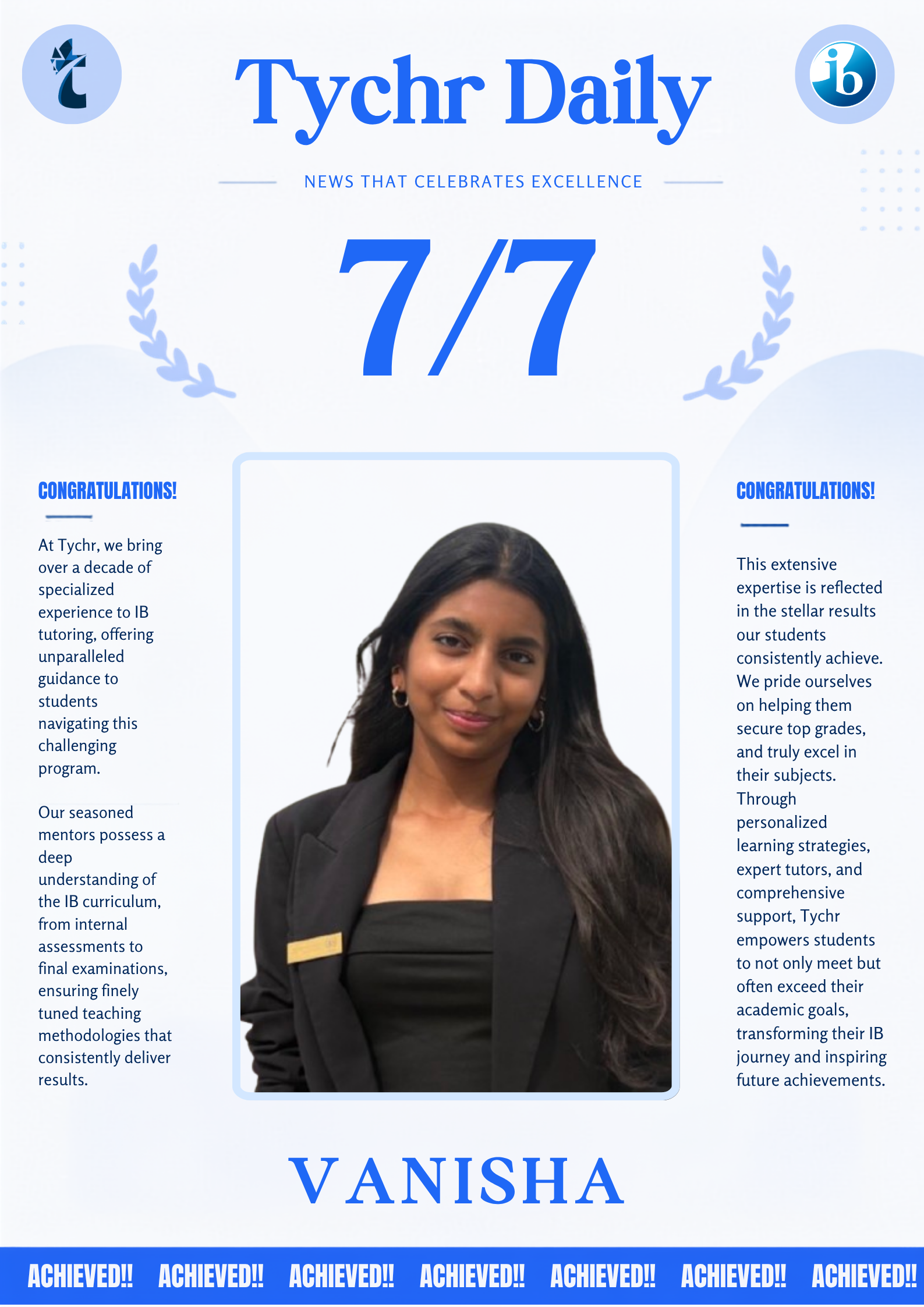
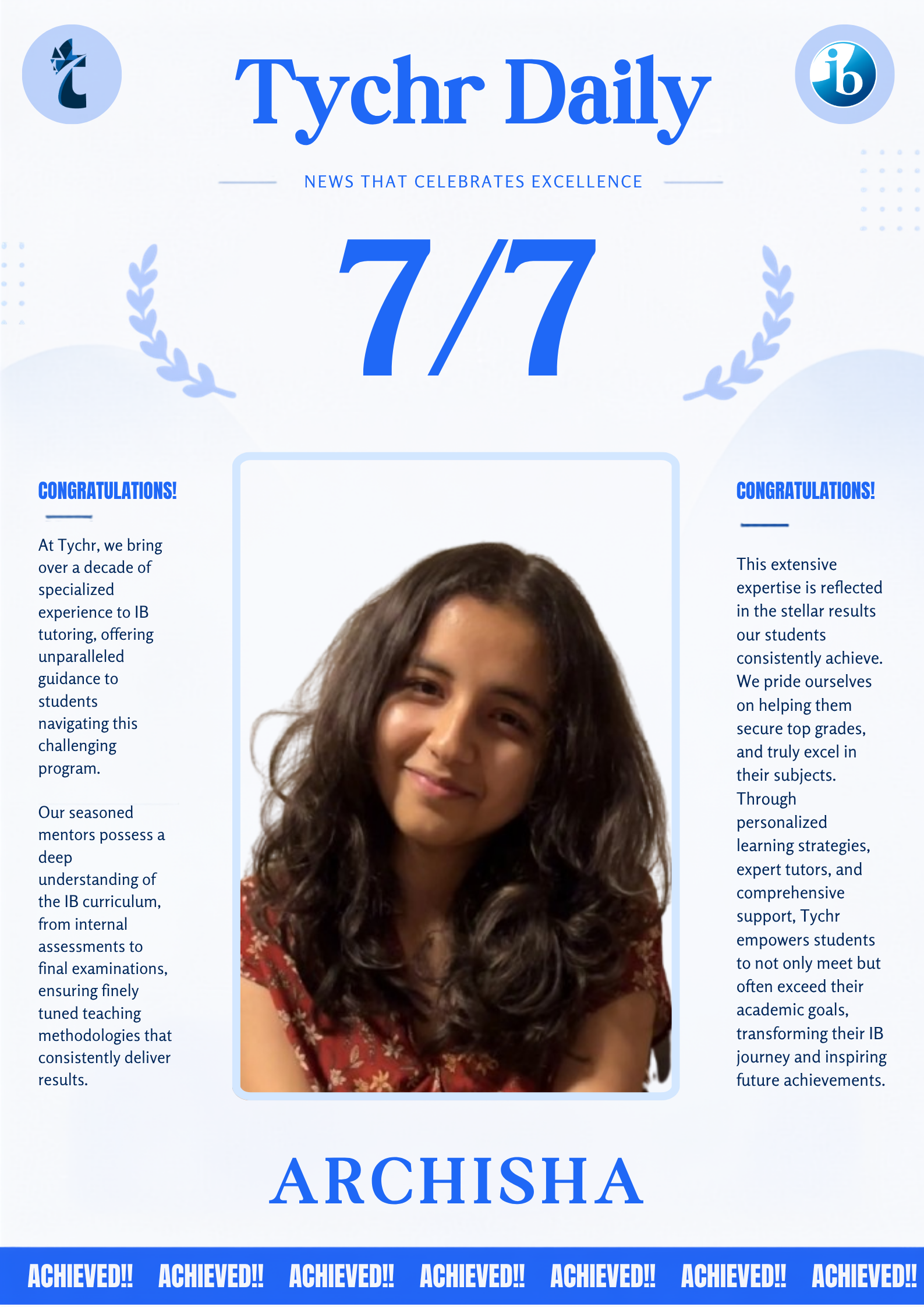
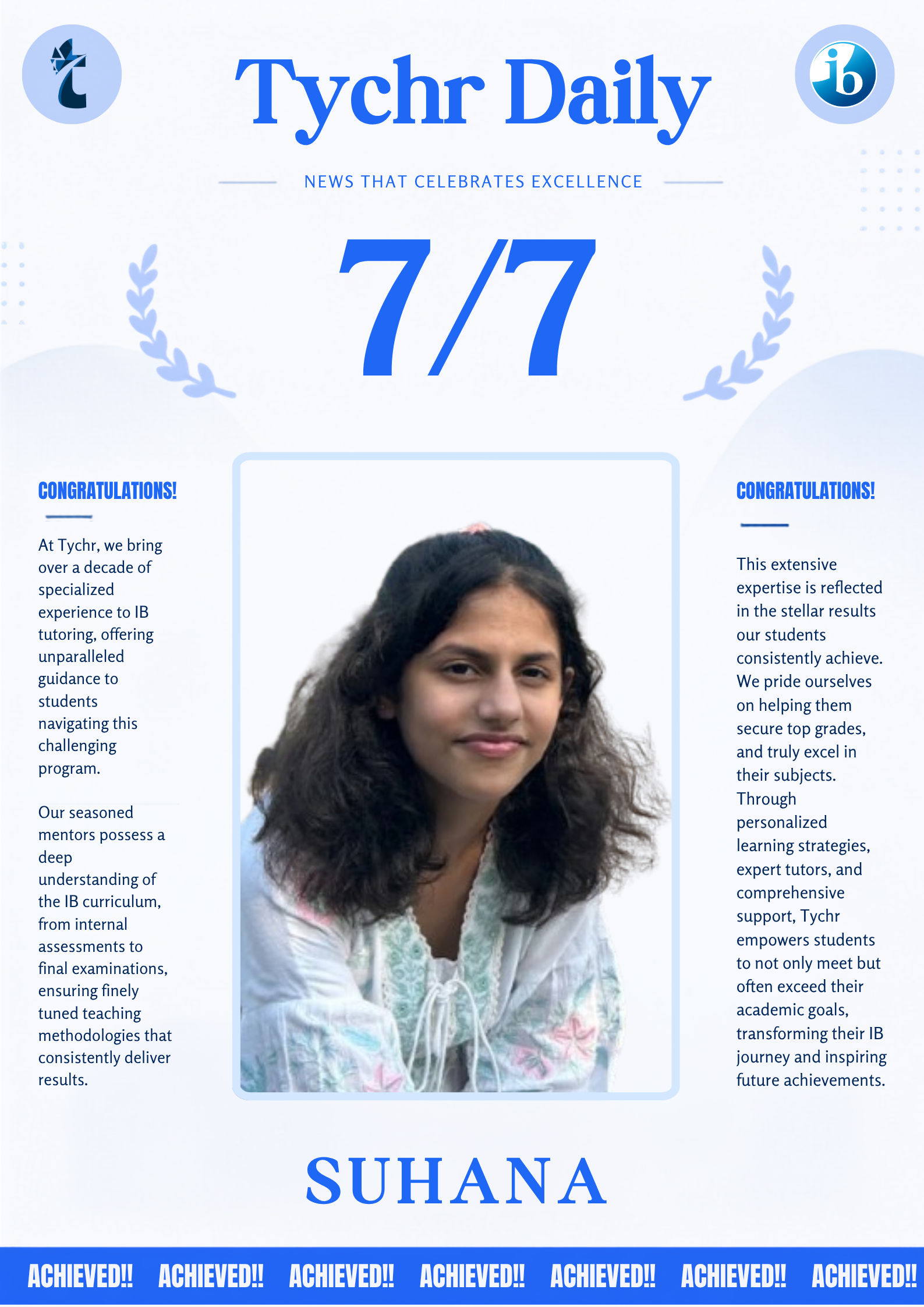
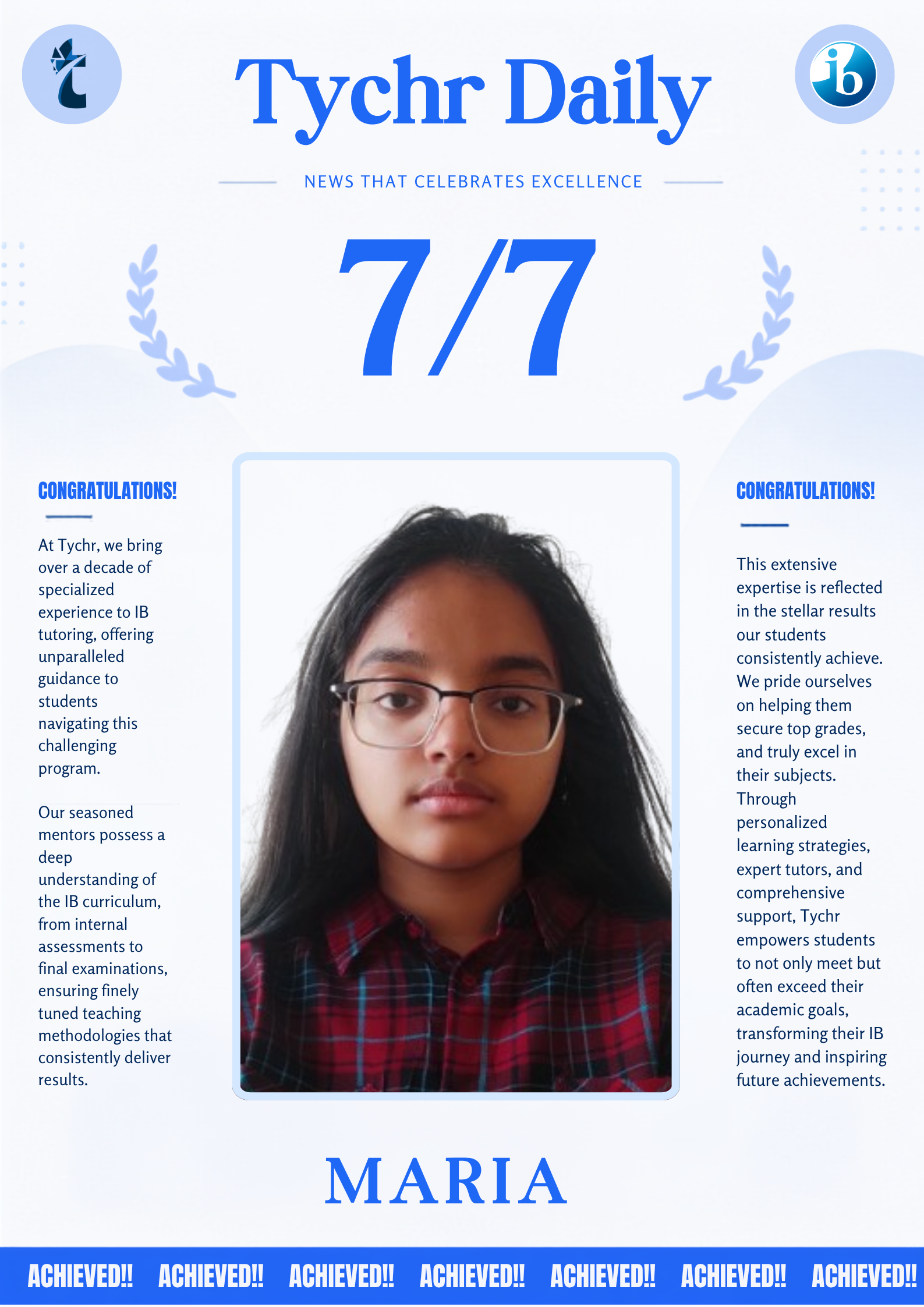
Start your journey with the right guidance.
Our Placements


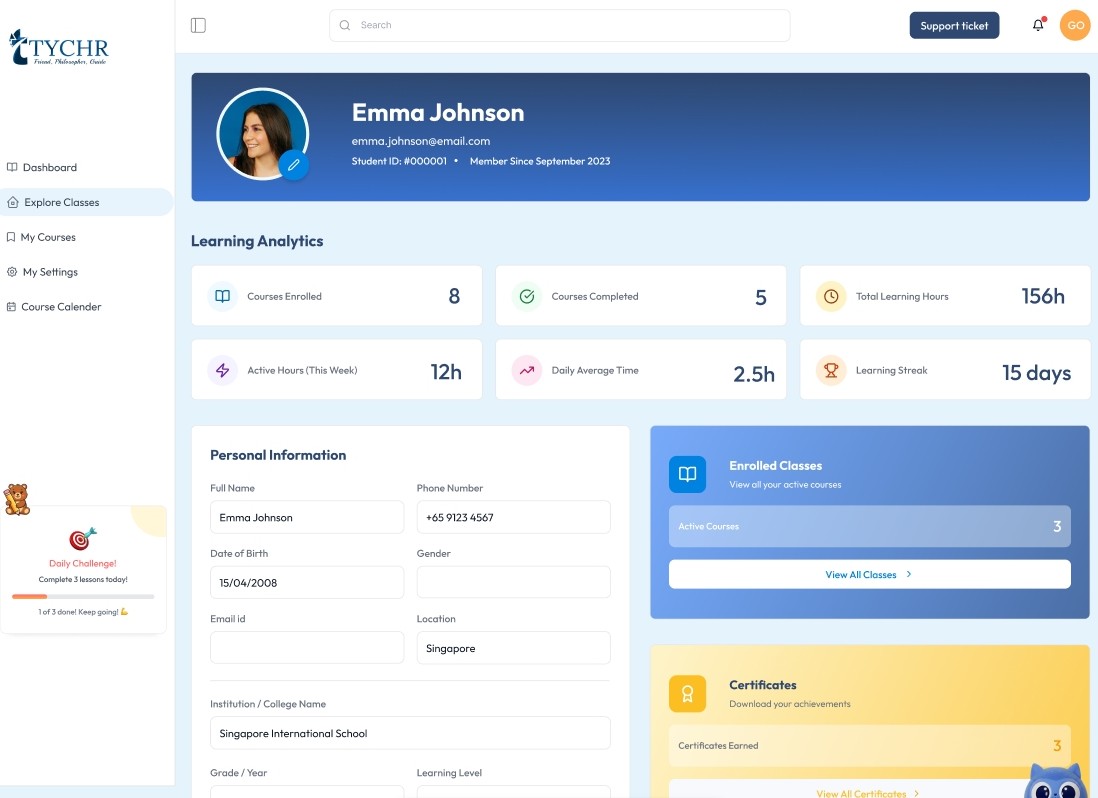
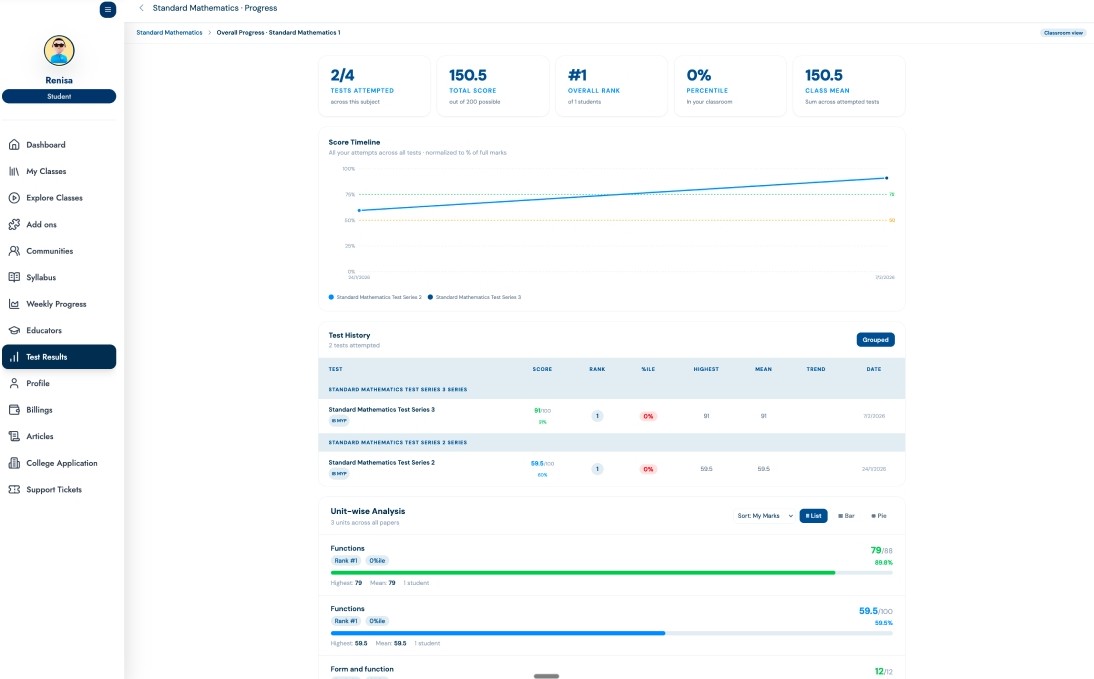
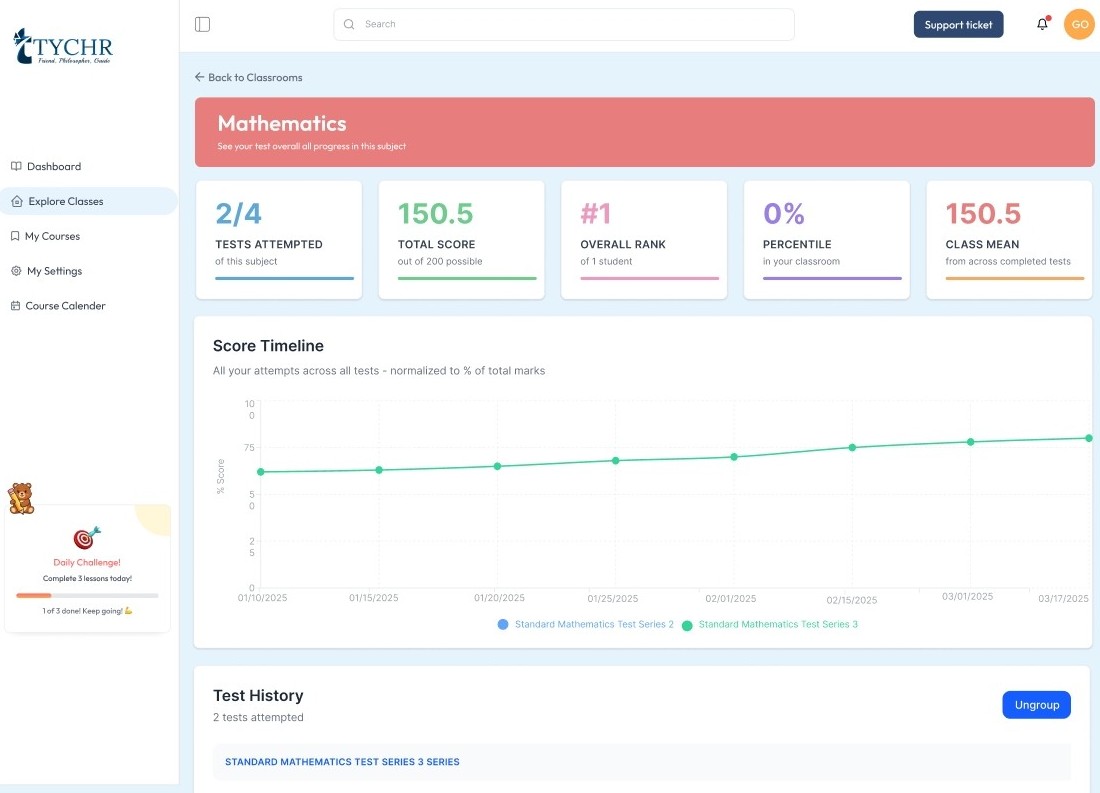
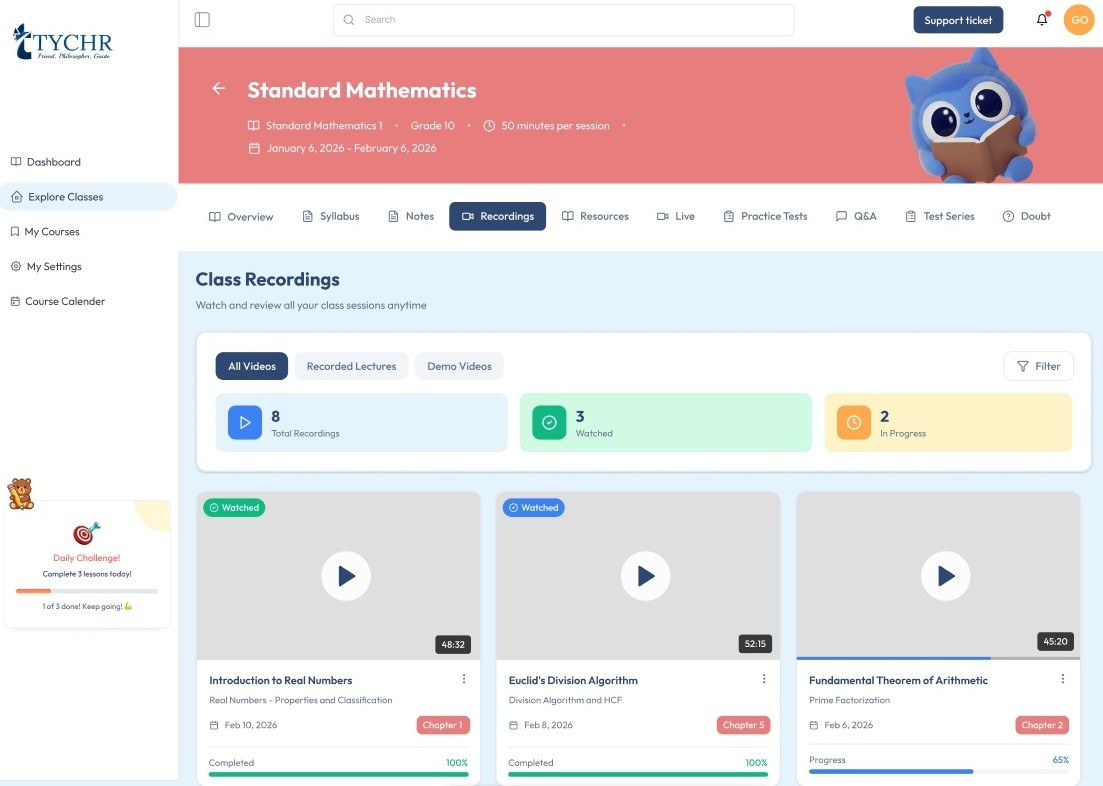
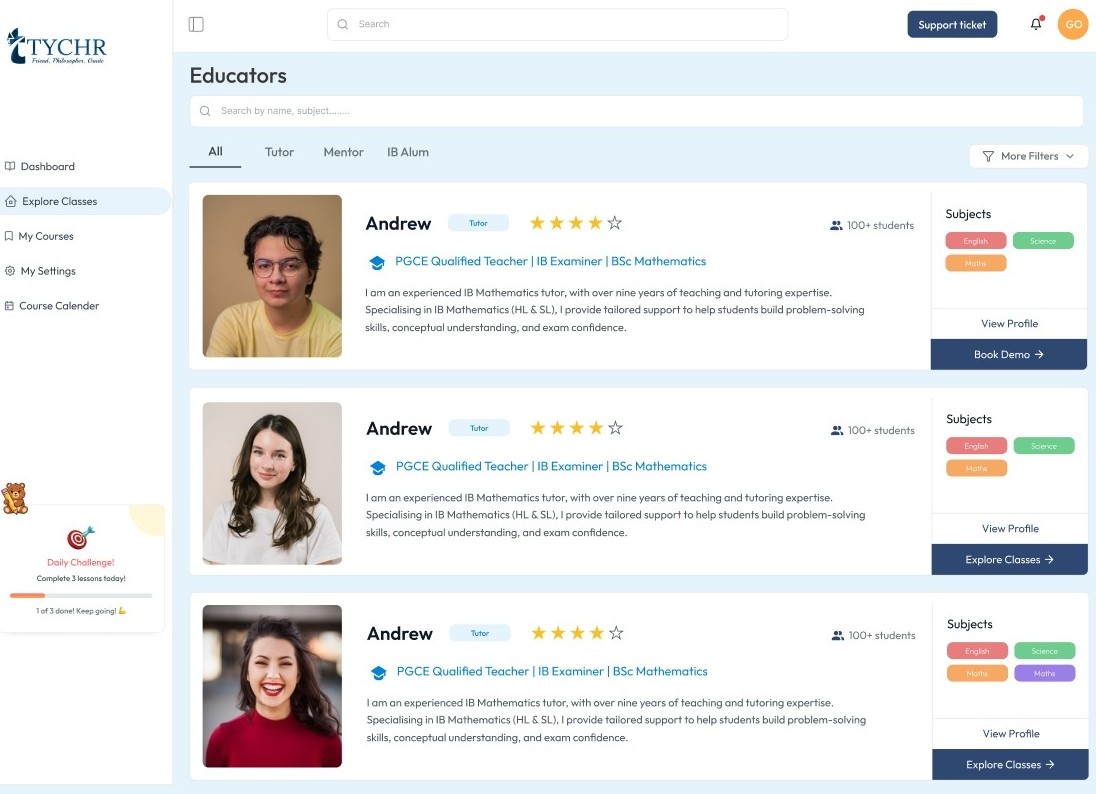
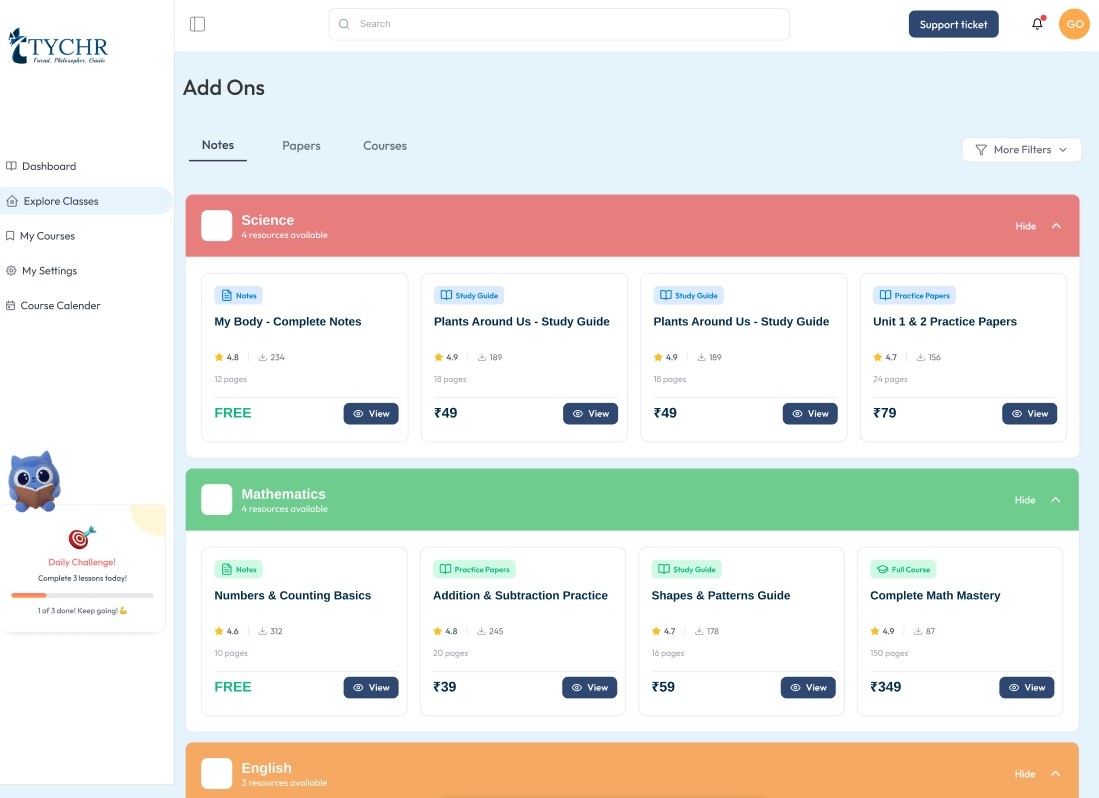
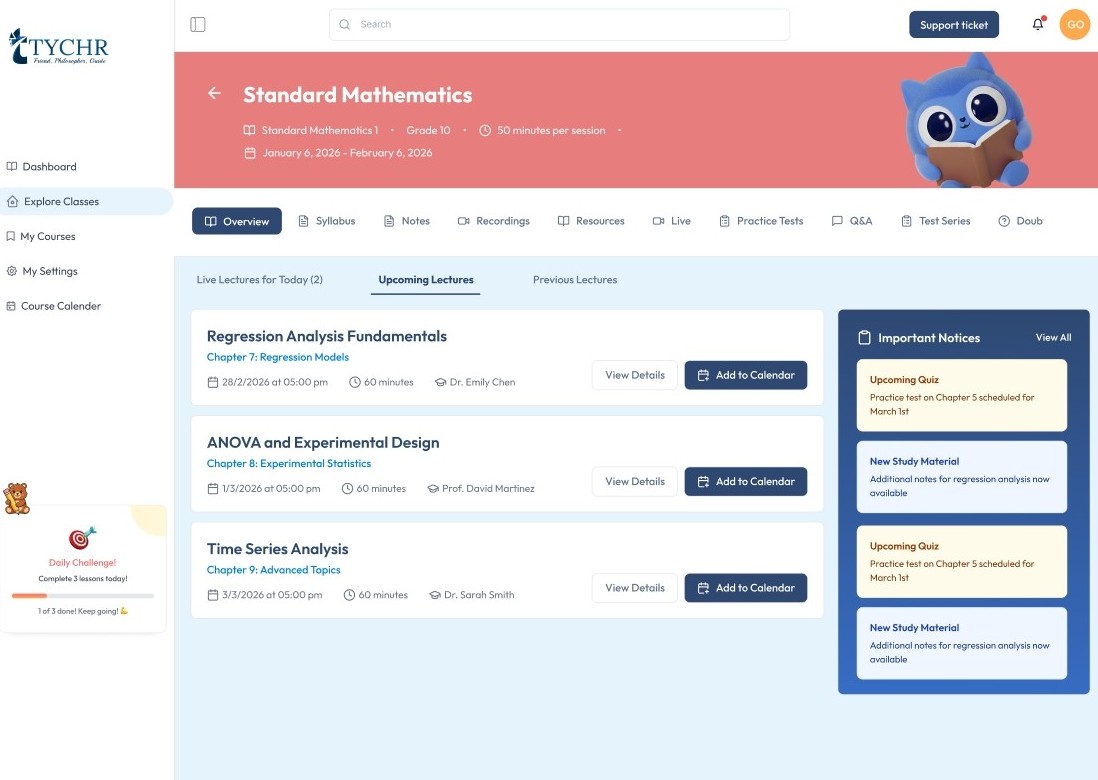
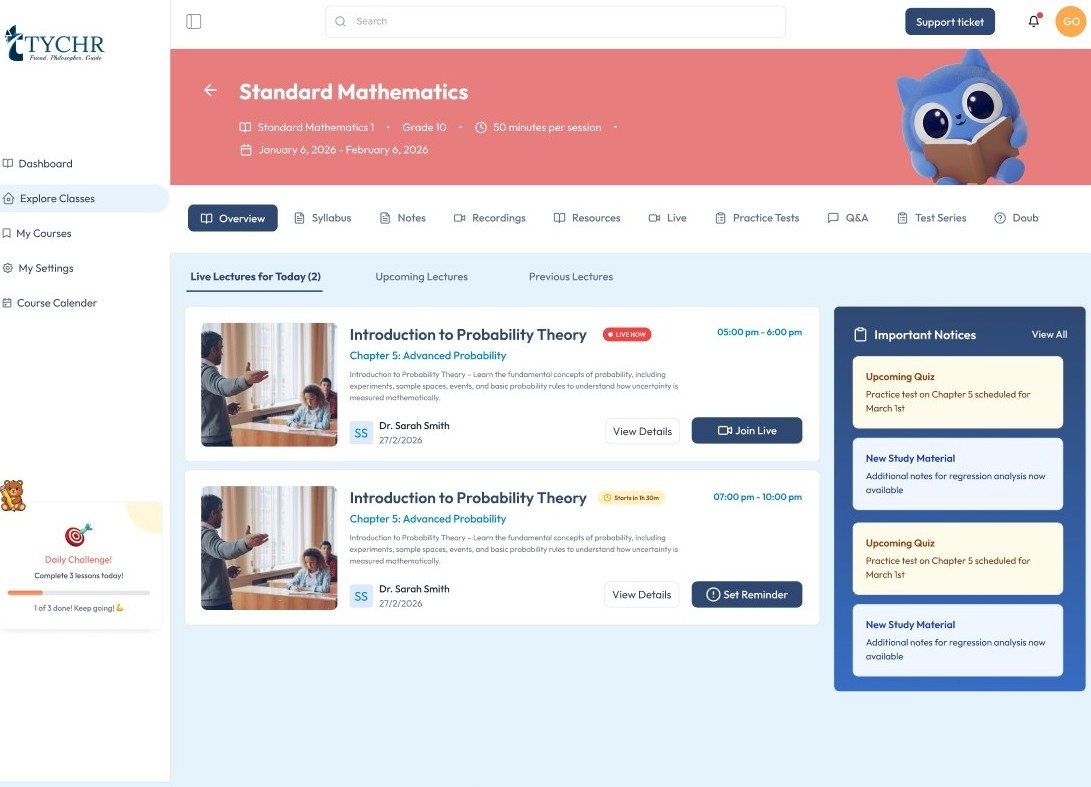
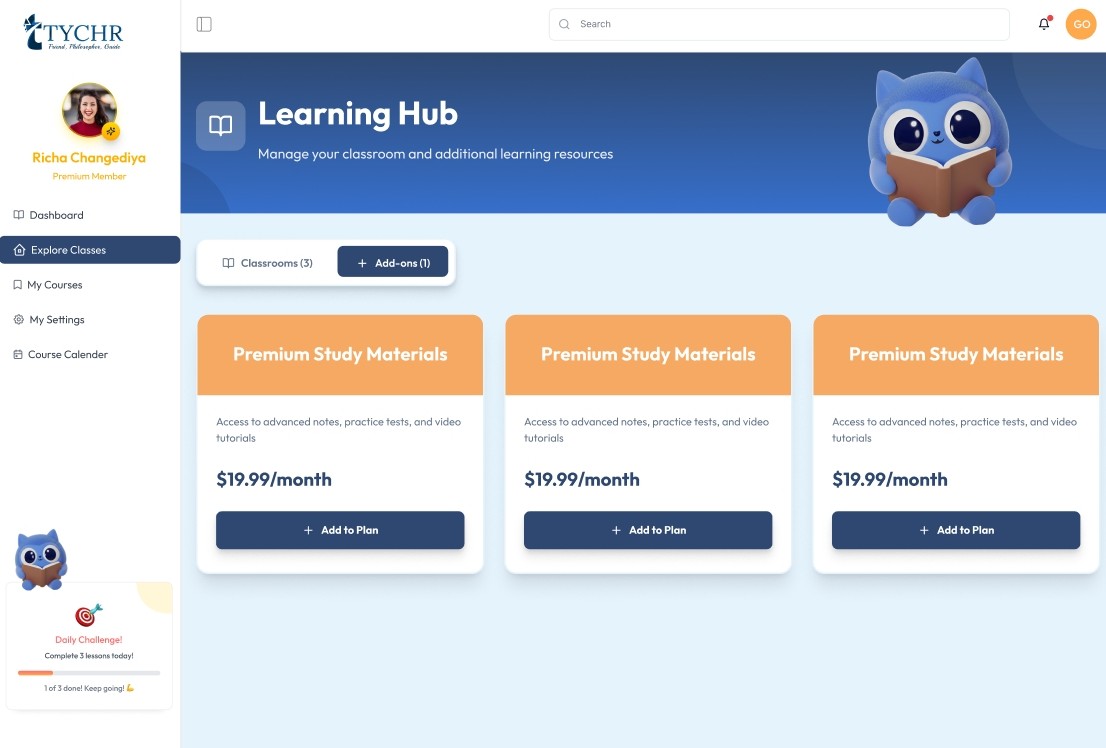
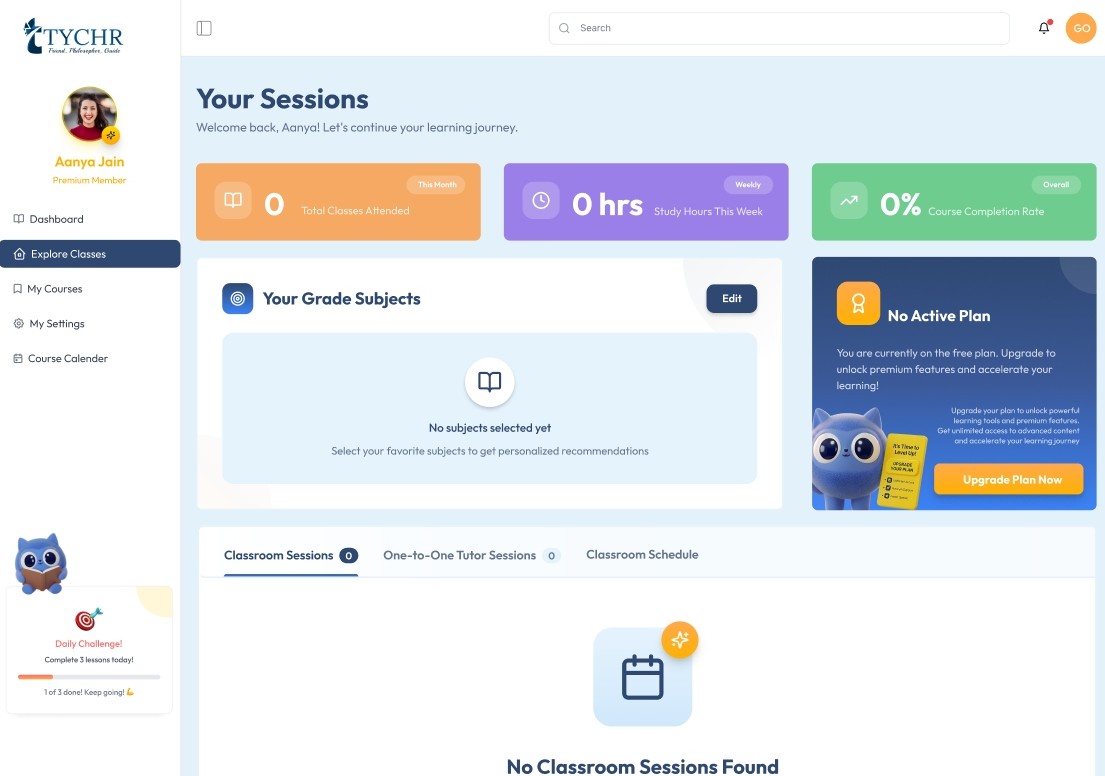
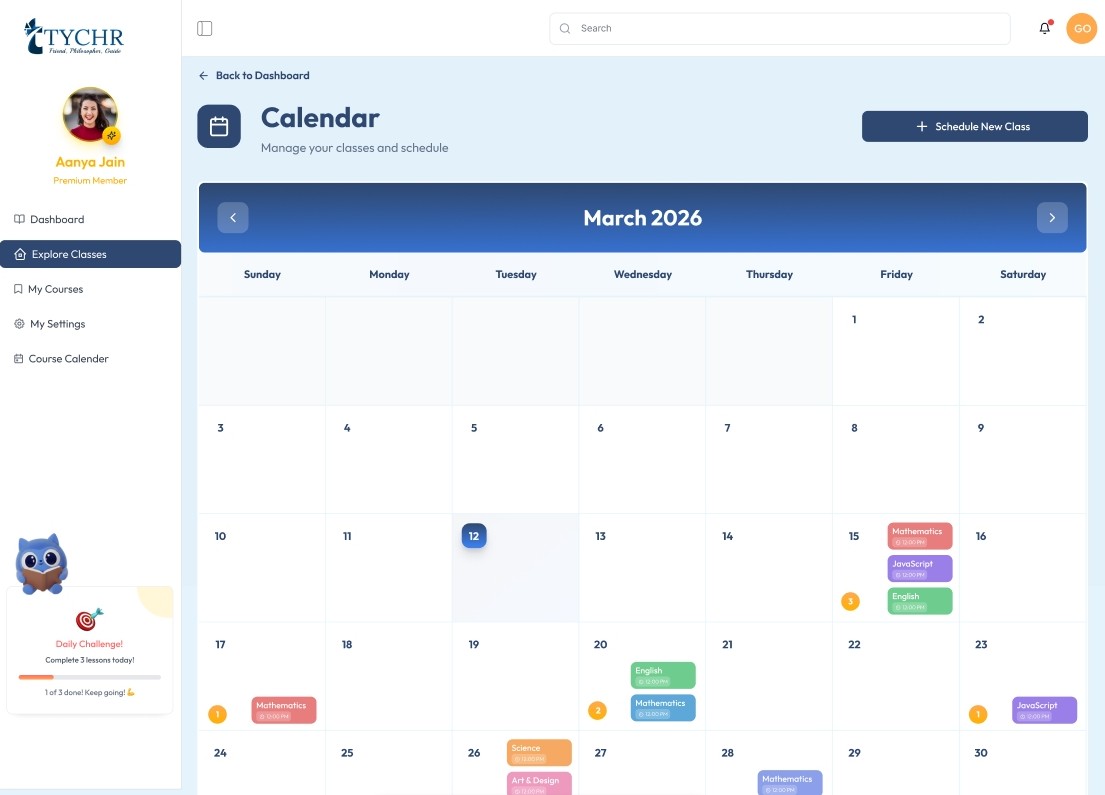
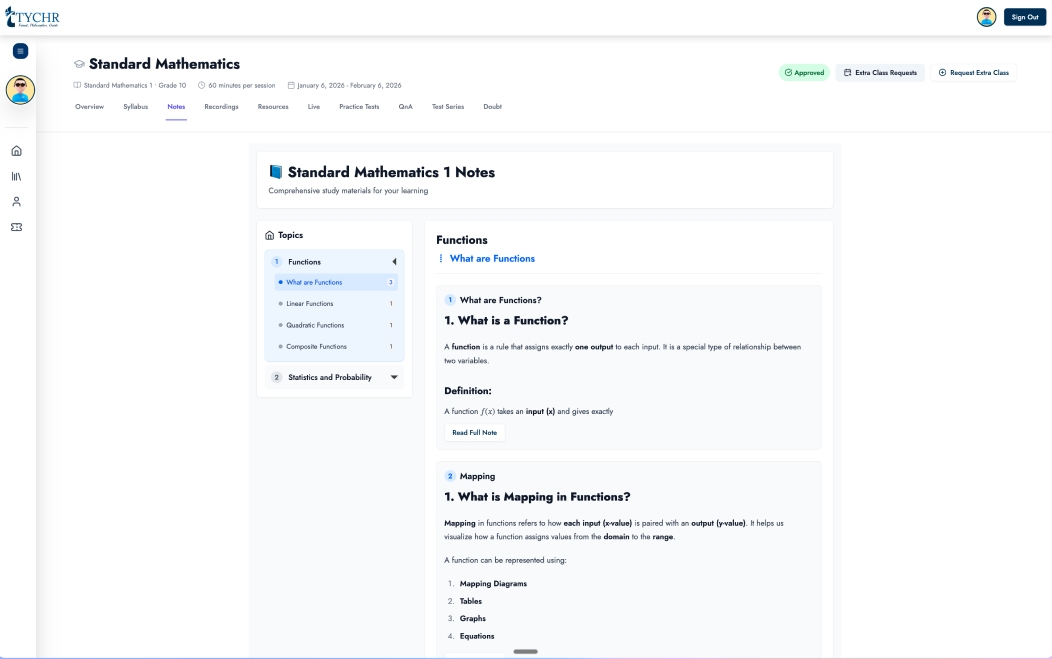
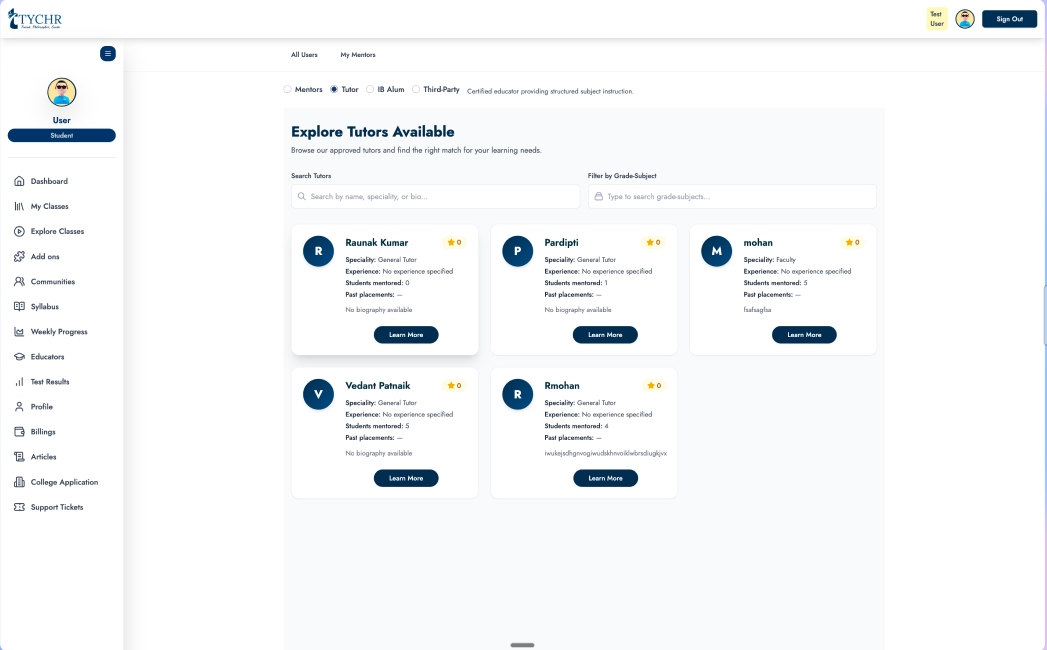
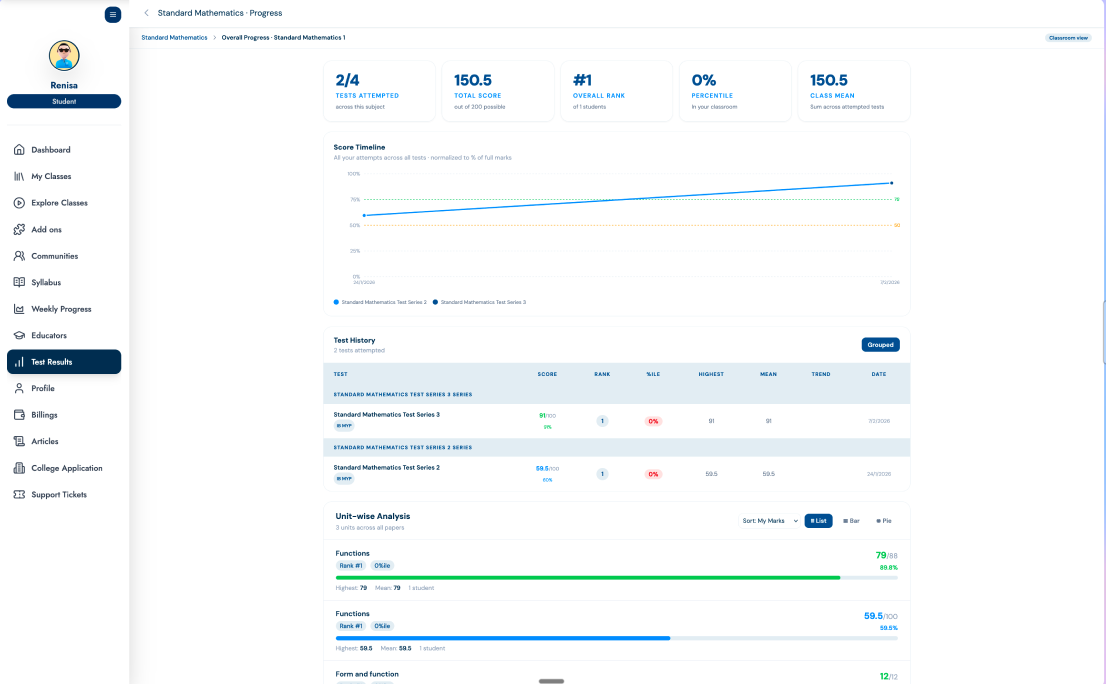
Explore our learning system
A platform designed around how students actually learn — adaptive, intuitive, and always one step ahead.
5000+
Students enrolled
100+
Expert tutors
95%
Satisfaction rate
70+
Countries reached
What Is IB Biology HL?
Course Structure & Assessment Overview
Course Framework
IB Biology HL is an experimental science course that combines biological knowledge with practical and investigational skills. Students explore biological systems from molecules and cells to organisms and ecosystems while developing scientific reasoning, data-analysis, and problem-solving skills.
240 Hours
Total teaching hours for HL
4 Themes
Four overarching themes across the Biology course
3 Components
Two external assessment papers and one internal assessment
20% IA
Individual scientific investigation
HL Assessment Breakdown
Paper 1 (36%)
Multiple-choice questions assessing knowledge and understanding across the Biology course
Paper 2 (44%)
Data-based, short-answer, and extended-response questions requiring biological reasoning and application
Internal Assessment (20%)
Individual scientific investigation demonstrating experimental design, data analysis, evaluation, and scientific communication
HL vs SL — Key Differences
Understanding What Makes Higher Level More Challenging
| Aspect | Higher Level (HL) | Standard Level (SL) | Impact |
|---|---|---|---|
| Teaching Hours | 240 hours | 150 hours | HL provides additional time for greater depth, breadth, and practical application |
| Syllabus Content | Greater depth and breadth | Core biological concepts | HL explores biological concepts in greater detail and with more complex applications |
| Paper 1 Duration | 1 hour 30 minutes | 1 hour 30 minutes | Both levels require accurate application of biological knowledge under time pressure |
| Paper 2 Duration | 2 hours 15 minutes | 1 hour 45 minutes | HL allows for more extensive data-based and extended-response assessment |
| Complexity Expected | Greater conceptual depth | Core conceptual understanding | HL requires deeper understanding, stronger connections between concepts, and more sophisticated scientific reasoning |
| Application | More advanced biological applications | Essential biological applications | HL students work with more demanding biological contexts, data interpretation, and experimental scenarios |
Why Choose HL?
- Planning to study medicine, engineering, biological sciences, or another science-related subject at university
- Strong interest in biology, scientific research, and experimental investigation
- University programs require or recommend HL Biology
- Want greater depth in biological concepts and scientific reasoning
- Confident with complex biological systems and data interpretation
- Enjoy exploring biology from molecular mechanisms to organisms and ecosystems
HL Challenges We Address
- Managing greater depth and complexity across the Biology syllabus
- Applying biological knowledge to unfamiliar data and experimental scenarios
- Designing and completing a high-quality Internal Assessment (IA)
- Connecting concepts across different biological systems and themes
- Interpreting graphs, tables, experimental results, and scientific data
- Balancing detailed biological knowledge with conceptual application and evaluation
IB Biology HL Paper 1
Multiple-Choice Strategies — Knowledge & Application
Time Management & Question Strategy
01. Read & Recognize
- 1.Read each question carefully and identify the biological concept being tested.
- 2.Pay close attention to key terms, qualifiers, diagrams, and experimental information.
- 3.Eliminate clearly incorrect options before comparing the remaining answers.
02. Apply Your Knowledge
- 1.Use your understanding of biological processes rather than relying only on memorized definitions.
- 2.Connect the question to the relevant biological mechanism, structure, or relationship.
- 3.When two options appear similar, identify the specific detail that distinguishes the correct answer.
03. Maintain Efficient Pacing
- 1.Keep a steady pace across the paper and avoid spending too long on one difficult question.
- 2.Mark uncertain questions and return to them after completing the easier questions.
- 3.Reserve time at the end to review unanswered or flagged questions and check your selected responses.
What Examiners Assess
Paper 1 assesses students' knowledge and understanding of biological concepts across the course. Strong performance requires accurate recall, recognition of biological relationships, and the ability to apply concepts to unfamiliar questions.
Our tutors use exam-style questions and mark schemes to identify knowledge gaps, strengthen recall, and improve accuracy under timed conditions.
The Core Higher Level Challenge
The biggest challenge is applying detailed biological knowledge quickly and accurately across a wide range of topics. Students need strong conceptual understanding, efficient question-reading skills, and disciplined time management.
Simulated Exam Practice From Session 1IB Biology HL Paper 2
Extended Response & Data Analysis Techniques
Essay Structure & Timing
Planning Phase (10-15 mins)
- Read the question carefully and identify the command term
- Identify the relevant biological concepts and information provided
- Plan the key points or stages needed for your response
- Identify important data, variables, trends, or experimental details
Core Response (1h 45m)
- Answer every part of the question directly
- Use clear and logically connected explanations
- Support data-based conclusions with evidence from the question
- Use accurate biological terminology and relevant diagrams
- Apply biological knowledge rather than simply reproducing memorized content
Review Phase (15-20 mins)
- Check that every command term has been addressed
- Review calculations, units, and data interpretation where applicable
- Check that diagrams and labels are clear and relevant
- Return to incomplete or flagged questions before submitting
Comparative Approaches
Mechanism Sequencing
Break complex biological processes into logical stages and explain how each stage leads to the next.
Best for:
Processes such as gene expression, respiration, photosynthesis, and physiological mechanisms
Comparative Analysis
Compare the required features directly and identify meaningful similarities and differences using precise biological terminology.
Best for:
Structure, function, process, and biological system comparisons
Data-Theory Synthesis
Identify patterns or trends in the evidence, then explain them using the relevant biological concepts and mechanisms.
Best for:
Experimental and data-based questions
Top Tips from Our HL Tutors
Read Questions Strategically
Read each question carefully and identify the command term, biological concept, and information provided before planning your response.
Structure Extended Responses
Build your answer logically and address every part of the question. Use accurate biological terminology and explain relationships between concepts clearly.
Use Precise Terminology
Use specific biological terms accurately rather than vague descriptions. Precise terminology helps communicate your understanding clearly.
Use Diagrams Effectively
Use clear, relevant, and well-labelled diagrams when they help communicate a biological structure or process. Make sure every label contributes to your answer.
Connect Evidence to Biology
When data or experimental information is provided, use the evidence directly and connect your interpretation to the relevant biological concept or mechanism.
Master Command Terms
Understand the difference between command terms such as Describe, Explain, Compare, Discuss, and Evaluate, and tailor the depth of your response accordingly.
Internal Assessment (IA)
Internal Assessment Coaching, Experimental Design & Scientific Investigation Support for IB Biology HL
Preparation Timeline
Planning Stage
Research Question & Planning
- ✓Develop a focused and biologically relevant research question
- ✓Establish the scientific context and relevant background knowledge
- ✓Assess feasibility, safety, ethics, and available resources
- ✓Identify measurable variables and plan an appropriate investigation
Investigation Stage
Experimental Design
- ✓Define independent, dependent, and controlled variables
- ✓Design a clear and reproducible procedure
- ✓Select appropriate materials, equipment, and sampling methods
- ✓Address relevant safety and ethical considerations
Analysis Stage
Data Collection & Analysis
- ✓Collect accurate qualitative and quantitative data
- ✓Process and present results using appropriate methods
- ✓Use suitable tables, graphs, calculations, and statistical analysis where relevant
- ✓Interpret trends, anomalies, and limitations in the evidence
Final Review Stage
Evaluation & Communication
- ✓Evaluate the quality and limitations of the investigation
- ✓Connect findings directly to the research question
- ✓Suggest realistic and evidence-based improvements
- ✓Refine scientific communication and review the investigation against the assessment criteria
Presentation Structure
Context & Research Question
FocusedIntroduce the investigation, establish relevant biological context, and present a clear and focused research question.
Methodology & Experimental Design
DetailedExplain the variables, materials, procedure, controls, safety considerations, and methods used to collect data.
Data Processing & Analysis
Evidence-BasedPresent and process relevant data, use appropriate analysis methods, and interpret the biological meaning of the results.
Conclusion & Evaluation
ReflectiveAnswer the research question using evidence, evaluate the investigation's strengths and limitations, and propose justified improvements.
How It Works
Research Question Development
Receive guidance in creating focused, biologically relevant, and feasible Biology IA research questions.
Experimental Design Support
Develop reliable investigations with appropriate variables, controls, sampling methods, and laboratory techniques.
Data Analysis Guidance
Learn how to process biological data using appropriate calculations, graphs, statistical methods, and scientific interpretation.
Evaluation & Uncertainty
Evaluate evidence quality, identify limitations and sources of uncertainty, and justify realistic improvements.
Criterion-Based IA Feedback
Receive detailed feedback aligned with the official IB Biology Internal Assessment assessment criteria.
Scientific Report Review
Improve scientific communication, organization, data presentation, referencing, and overall clarity before submission.
Theory & Data Analysis Strategies
Master Both Analytical Approaches for IB Biology HL
Core Theory Strategies
For Paper 1, Paper 2, and IA — building strong understanding across the Biology HL syllabus
Active Synthesis Method
Develop an active study method that connects biological theory with experimental evidence
- Highlight key biological processes and concepts
- Identify experimental variables and controls
- Link evidence to relevant biological principles
- Connect related concepts across different course themes
Mechanism Mapping
Build a structured understanding of important biological mechanisms and how they interact
- Organize concepts by biological system and process
- Create clear process flowcharts for complex mechanisms
- Practise explaining mechanisms in logical sequences
- Connect biological processes across related concepts
Comparative Framework
Strengthen conceptual understanding by comparing related biological systems and processes
- Compare related biological structures and processes
- Identify meaningful similarities and differences
- Connect structure with biological function
- Apply concepts across different biological contexts
Data Analysis Strategies
For Paper 2 and IA — interpreting biological data and connecting evidence to theory
Rapid Data Deconstruction
- 1.Identify independent and dependent variables
- 2.Read graph axes, units, scales, and labels carefully
- 3.Identify patterns, trends, and meaningful differences
- 4.Note the biological context provided with the data
Pattern-Spotting Technique
- 1.Identify trends and unusual results
- 2.Compare relevant data sets or experimental groups
- 3.Consider relationships between variables
- 4.Identify biological concepts that may explain the observed pattern
Theory-to-Data Synthesis
- 1.Use evidence from the data rather than simply describing it
- 2.Explain observations using relevant biological concepts
- 3.Consider limitations, uncertainty, and possible sources of error
- 4.Connect findings back to the biological question or context
Bridging Theory & Data Analysis
The analytical skills developed through strong biological understanding support data interpretation and scientific reasoning. Our tutoring helps students connect theory, evidence, and biological context across Biology HL assessments.
Weekly Practice Routine
One-to-One vs Group Tutoring
Choose Your Ideal Learning Format for the IB Diploma Programme
One-to-One Tutoring
Tailored, High-Impact Learning
- ✓Personalized curriculum pacing: Focus directly on your specific SL/HL syllabus needs.
- ✓Targeted weak-area remediation: Deep-dive into challenging topics and command terms.
- ✓1-on-1 Internal Assessment (IA) guidance: Tailored mentoring through rubric criteria.
- ✓Customized past paper practice: Detailed, line-by-line mark scheme breakdown.
- ✓Flexible scheduling: Adapt session timings around your school calendar and deadlines.
- ✓Direct mark-scheme feedback: Actionable critiques to push your boundaries toward a Grade 7.
Group Tutoring
Interactive & Collaborative Learning
- ✓Small cohort learning: Learn alongside 3–5 peers studying the same subject and level.
- ✓Collaborative problem-solving: Benefit from diverse perspectives and peer discussions.
- ✓Structured weekly syllabus roadmap: Consistent, steady coverage of core IB topics.
- ✓Shared past paper walkthroughs: Master IB exam techniques and mark schemes together.
- ✓Cost-effective mastery: Premium IB tutoring at a lower per-session rate.
- ✓Peer motivation & accountability: Stay on track alongside fellow IB diploma candidates.
Not sure which format works best? Book a free consultation to discuss your IB tutoring needs
Book Free ConsultationGrade Improvements — Biology HL Score Results
From Students

Vibhuthi
Biology HL

Vansh
Biology HL

Maria
Biology SL

Akshaya
Biology HL
Free IB Biology HL Resources
Notes, Practical Guides & Exam Resources
Complete HL Resource Library Access
IB Biology HL students can access a growing collection of study guides, exam practice, practical resources, and Internal Assessment support materials.
700+
Study Resources
Paper 1 & 2
Exam Papers
4
Course Themes
24/7
Access
Topic Study Guides
Comprehensive study guides covering the key concepts and biological systems across the IB Biology HL syllabus
- ✓Concise summary notes
- ✓Diagram-focused explanations
- ✓Key terminology checklists
Exam Strategy Templates
Step-by-step strategies for Paper 1 and Paper 2 with question analysis and response techniques
- ✓Multiple-choice strategies
- ✓Data-analysis frameworks
- ✓Command term guidance
Past Paper & Practice Collection
IB Biology HL exam-style practice resources with mark schemes and worked-answer guidance
- ✓Paper 1 and Paper 2 practice
- ✓Specimen and exam-style questions
- ✓Mark scheme analysis
IA Examples & Guidance
Internal Assessment guidance covering research questions, experimental design, data analysis, and evaluation
- ✓Annotated exploration examples
- ✓Research question guidance
- ✓Data analysis and evaluation support
Practical Skills Resources
Practical resources covering experimental design, data processing, scientific analysis, and laboratory skills
- ✓Data processing guidance
- ✓Statistical analysis tutorials
- ✓Experimental design and safety guidance
Biology Concept Glossary
A revision library covering important biological terminology, processes, structures, and relationships
- ✓Technical terminology
- ✓Process and pathway summaries
- ✓Quick-recall revision resources
Recommended Topic Library
Biology Concept Support Across the HL Syllabus
Popular Biology HL Topics by Domain
Cell & Molecular Biology
Cell Respiration
by Core Biological Process
Key themes: ATP, Enzymes, Energy Transfer
Photosynthesis
by Core Biological Process
Key themes: Light Energy, Carbon Fixation, Chloroplasts
DNA Replication
by Molecular Genetics
Key themes: DNA Structure, Base Pairing, Enzymes
Gene Expression
by Molecular Genetics
Key themes: Transcription, Translation, Protein Synthesis
Cell Membranes & Transport
by Cell Biology
Key themes: Membrane Structure, Diffusion, Active Transport
Physiology & Systems
Gas Exchange
by Human Physiology
Key themes: Ventilation, Surface Area, Diffusion
The Heart & Circulation
by Human Physiology
Key themes: Cardiac Cycle, Blood Flow, Transport
Neurons & Synapses
by Neurobiology
Key themes: Neural Signaling, Synapses, Communication
Hormonal Regulation & Homeostasis
by Human Physiology
Key themes: Feedback Mechanisms, Blood Glucose, Regulation
Immune Responses
by Human Physiology
Key themes: Antigens, Antibodies, Immune Defense
Genetics & Evolution
Inheritance & Variation
by Genetics
Key themes: Alleles, Genotypes, Phenotypes
Natural Selection
by Evolution
Key themes: Variation, Selection, Adaptation
Speciation
by Evolution
Key themes: Isolation, Gene Pools, Divergence
Ecology & Biodiversity
Energy Flow in Ecosystems
by Ecology
Key themes: Trophic Levels, Biomass, Energy Transfer
Carbon Cycling
by Ecology
Key themes: Carbon Stores, Carbon Flux, Climate
Population Dynamics
by Ecology
Key themes: Population Growth, Carrying Capacity, Competition
Biodiversity & Conservation
by Ecology & Conservation
Key themes: Species Diversity, Habitat Loss, Conservation
Our Biology Concept Support
Comprehensive learning frameworks tailored to the IB Biology HL curriculum
IA Topic Guidance
Get guidance choosing focused Biology IA topics that offer meaningful opportunities for investigation, data collection, and analysis.
Mechanism Coaching
Build a deeper understanding of important biological processes by breaking complex mechanisms into clear, logical stages.
Experimental Design
Develop stronger understanding of experimental design, variables, controls, data collection, safety, and evaluation.
Conceptual Frameworks
Identify connections between biological concepts and apply knowledge across different systems and unfamiliar contexts.
Statistical Application
Strengthen data processing, graph interpretation, statistical reasoning, uncertainty analysis, and evidence-based evaluation.
Terminology Mastery
Build accurate biological terminology and practise communicating complex mechanisms using precise scientific language.
Mock IA Sessions & Written Feedback
Practice, Feedback & Refinement for IB Biology HL
Mock Internal Assessment Process
Pre-IA Preparation
- Submit your research question, methodology, and current draft
- Receive preliminary feedback on scientific focus and feasibility
- Review your data processing and presentation
- Prepare to explain your evaluation, limitations, and improvements
Mock IA Review Session
- Present and explain your investigation and key findings
- Respond to tutor questions about your methodology and analysis
- Discuss your interpretation of results and scientific reasoning
- Receive immediate feedback on clarity and areas for improvement
Detailed Feedback
- Receive structured feedback against the relevant IA assessment criteria
- Identify specific strengths and areas requiring improvement
- Review data presentation, analysis, and evaluation
- Receive actionable recommendations for your next draft
Refinement Session
- Review feedback together
- Strengthen evaluation of limitations and improvements
- Refine data analysis and scientific interpretation
- Finalize key improvements before submission
Written Assignment Feedback
Paper 1/2 Practice
✓ Knowledge and understanding feedback
✓ Data interpretation and analysis
✓ Scientific reasoning and evaluation
✓ Command term and response guidance
Extended Responses
✓ Extended-response structure
✓ Biological concept application
✓ Data and evidence integration
✓ Technical terminology feedback
IA Final Drafts
✓ Research question and methodology review
✓ Data processing and analysis
✓ Evaluation and improvement feedback
✓ Scientific communication review
IA Review Session
✓ Research question clarity
✓ Data processing evaluation
✓ Scientific reasoning feedback
✓ Limitations and improvement analysis
Why Mock Practice Matters
Build Scientific Confidence
Practising how to explain your investigation and respond to feedback helps you communicate your scientific reasoning more confidently.
Identify Weak Spots Early
Identify weaknesses in your research question, methodology, data analysis, and evaluation while there is still time to improve them.
Improve Your Process
Learn how to organize your investigation and manage your time effectively across research, analysis, evaluation, and writing.
Build Confidence
Practise explaining biological evidence and defending your conclusions using clear scientific reasoning.
Expert Feedback
Receive detailed, criterion-based feedback from experienced IB Biology HL tutors familiar with the assessment requirements.
What students say
“English became much more manageable with TYCHR. My tutor helped me strengthen my literary analysis, improve essay structure, and develop the confidence to tackle every paper with a clear strategy. ”

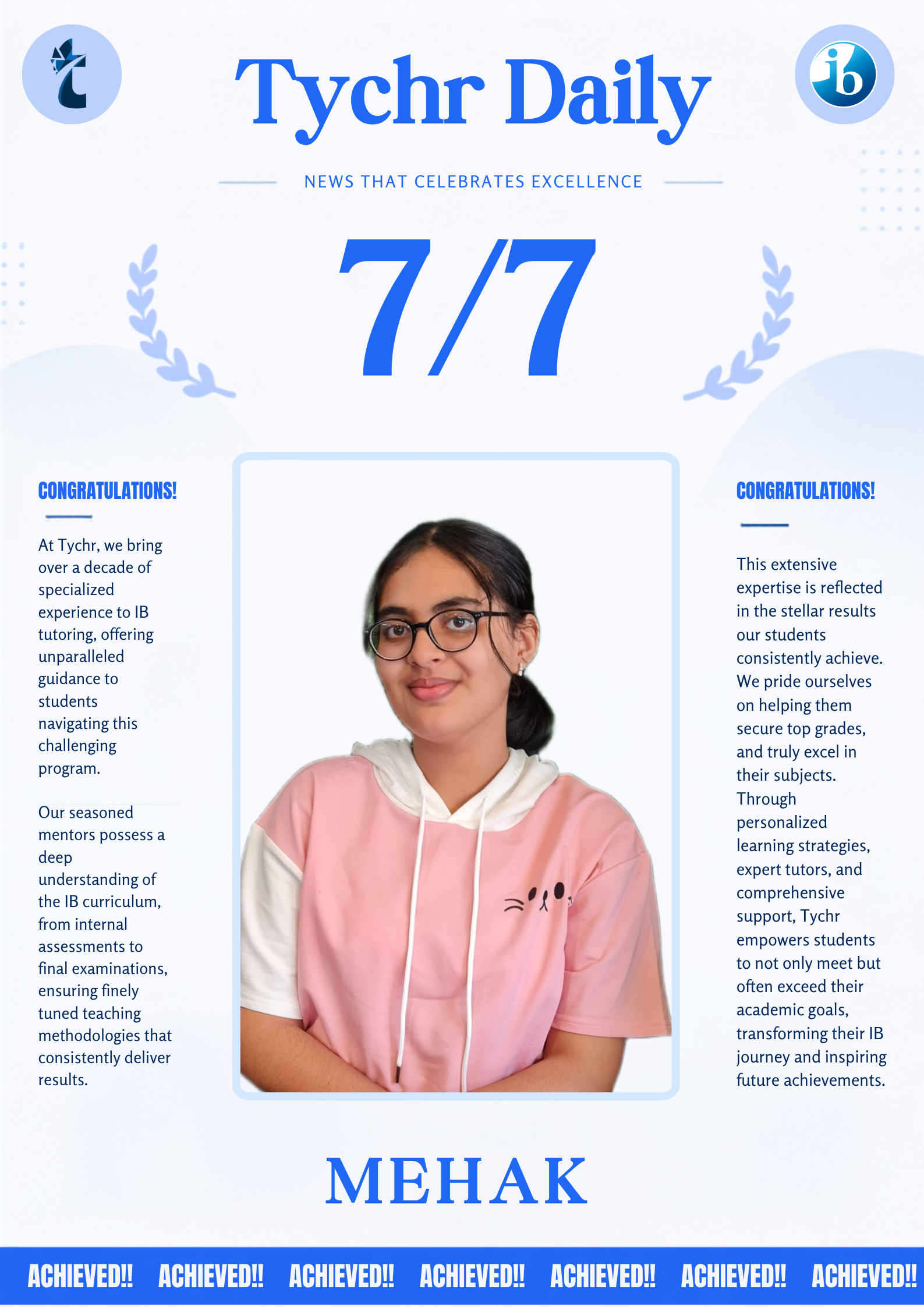
Mehak
IBDP Biology, Chemistry & Maths
“My tutor explained difficult topics in a simple and clear way, which made it much easier for me to understand areas I had previously struggled with. I particularly appreciated how each lesson was tailored to my learning needs. We regularly reviewed challenging topics, worked through practice questions, and discussed how to structure answers effectively.”

Nikita
IBDP Biology, Chemistry & Maths
“One of the biggest improvements I noticed was in my confidence when answering Biology exam questions. I learned how to identify key points in questions, use the correct scientific terminology, and provide detailed answers that matched the mark scheme. The feedback I received was also very useful because it helped me understand my mistakes and avoid repeating them.”

Madhurima
IBDP Biology, Chemistry & Maths
Frequently Asked Questions
Everything About IB Biology HL Tutoring
Our tutors focus on connecting core themes—such as structure to function, unity and diversity, and the new 2025 curriculum organization—helping students synthesize complex cellular, genetic, and physiological processes effortlessly.
Yes, we provide hands-on guidance for formulating research questions, controlling variables, processing raw quantitative data, calculating standard deviations and t-tests, and evaluating experimental limitations.
We train students using past exam papers, teaching them how to critically analyze unfamiliar biological diagrams, interpret experimental graphs, and structure concise, high-scoring essay answers.
Absolutely. Every session covers the complete Higher Level extension material—including advanced molecular genetics, specialized plant science, and complex metabolic pathways—matching the latest IB curriculum guide.
Yes, we use step-by-step reaction mapping for the Krebs cycle, oxidative phosphorylation, the Calvin cycle, and light-dependent reactions to make intricate metabolic pathways intuitive and easy to recall.
We break down complex pedigree analysis, gene linkage maps, and statistical hypothesis testing through targeted problem drills, ensuring students can solve multi-step genetic crosses without confusion.
Is IB Biology HL Worth It?
University Goals & Subject Value
Why Universities Value IB Biology HL
Advanced Scientific Rigor
HL develops the ability to understand complex biological systems, interpret scientific evidence, and apply biological concepts to unfamiliar problems.
Independent Research
The Internal Assessment develops skills in research planning, experimental investigation, data analysis, evaluation, and scientific communication.
Scientific Literacy
Studying Biology HL demonstrates sustained engagement with life sciences and provides a strong academic foundation for further study in biology-related fields.
University Pathways Where Biology HL Matters
Medicine
Builds a strong foundation in human biology, physiology, genetics, and biological processes
Biomedical Sciences
Supports further study of cellular, molecular, physiological, and research-based biology
Neuroscience
Develops understanding of biological systems, cellular communication, and physiological processes
Environmental Science
Builds understanding of ecosystems, biodiversity, populations, and environmental change
Genetics & Biotechnology
Develops understanding of DNA, gene expression, inheritance, and biological applications
Dentistry / Veterinary
Provides relevant foundations in biological systems, physiology, genetics, and organismal biology
The HL Advantage in Admissions
Beyond subject prerequisites, Biology HL helps demonstrate your ability to manage rigorous scientific content, interpret evidence, and apply biological concepts to complex problems.
- Shows commitment to challenging science coursework
- Demonstrates scientific reasoning and evidence-based analysis
- Can help meet subject prerequisites for selected university programs
- Builds a foundation for undergraduate biology and laboratory-based study
- Develops problem-solving, investigation, and evaluation skills through the Internal Assessment
95%
First Choice University
80%
Russell Group / Ivy+
$3.5M
Scholarships Won
100%
University Acceptance
Book Your Biology HL Tutor Today
Start Your Journey to Biology HL HL Excellence in 3 Simple Steps
Choose Your HL Tutor
Browse our expert Biology HL tutor profiles and select one who matches your literary interests and learning goals.
Schedule Free Trial
Book your complimentary 60-minute session to discuss your texts, goals, and current challenges—no commitment.
Start Literary Analysis
Begin your personalized HL journey with close reading, essay coaching, and comprehensive exam preparation.