Expert AP Psychology Tutors Online score 5/5 with Tychr
AP Psychology is one of the most intellectually demanding AP courses. Mastering its core methodologies and executing precise FRQ arguments require deliberate, expert-led structure practice.

GULIA
5/5

TANISHA
5/5

ADAA
5/5

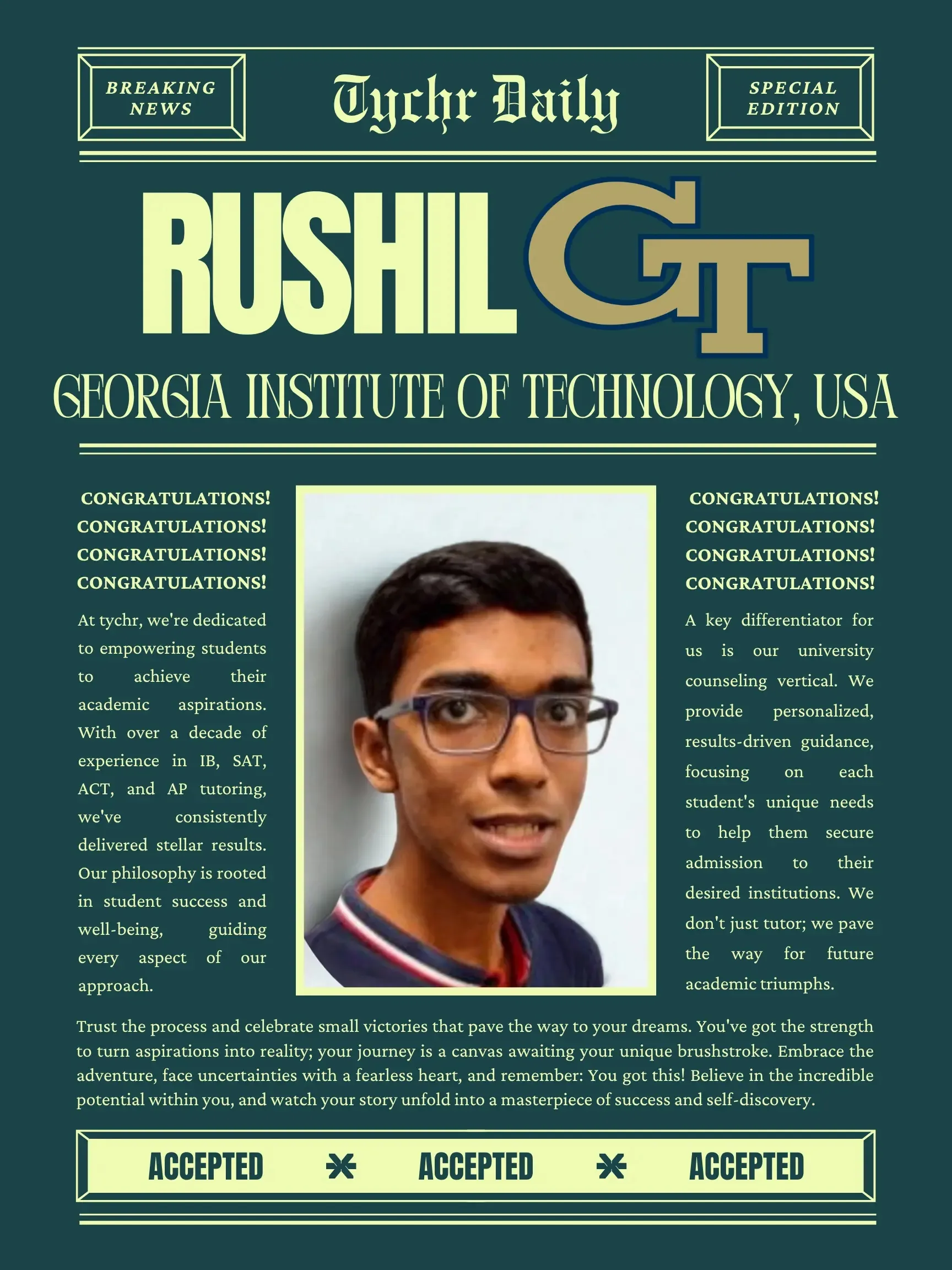
RUSHIL
5/5

ESHAAN
5/5

VISHAAL
5/5
Start your journey with the right guidance.
Your information is kept private and never shared with third parties.
92%
Students score a 5/5
+1.8
Average score improvement
22+
AP subjects covered
4.9★
Average tutor rating
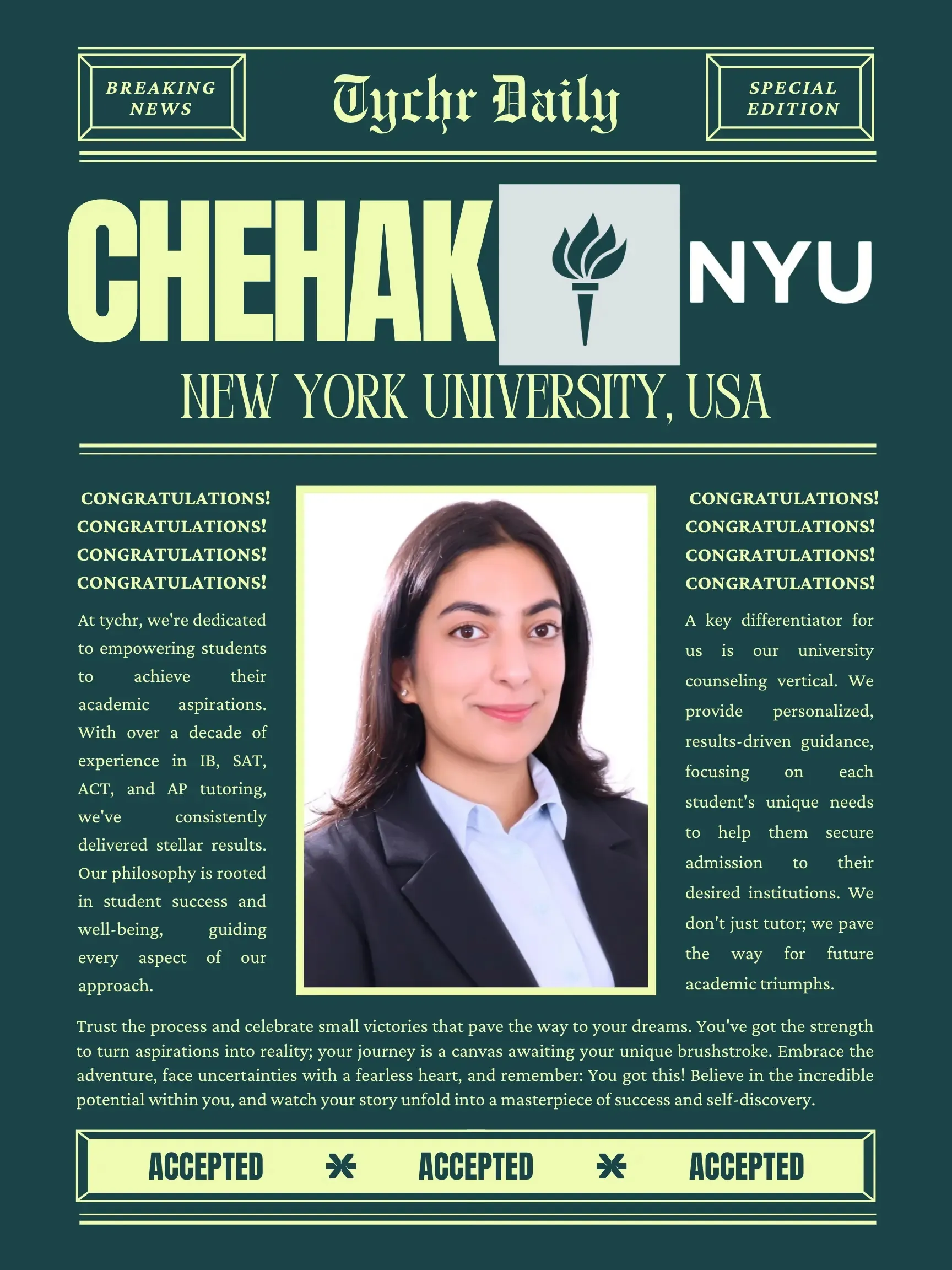
94% of Graduates Secure Admissions into the Top 50 Global Universities
Meet the brilliant minds who transformed their testing potential into world-class AP scores and elite Ivy League academic portfolios.
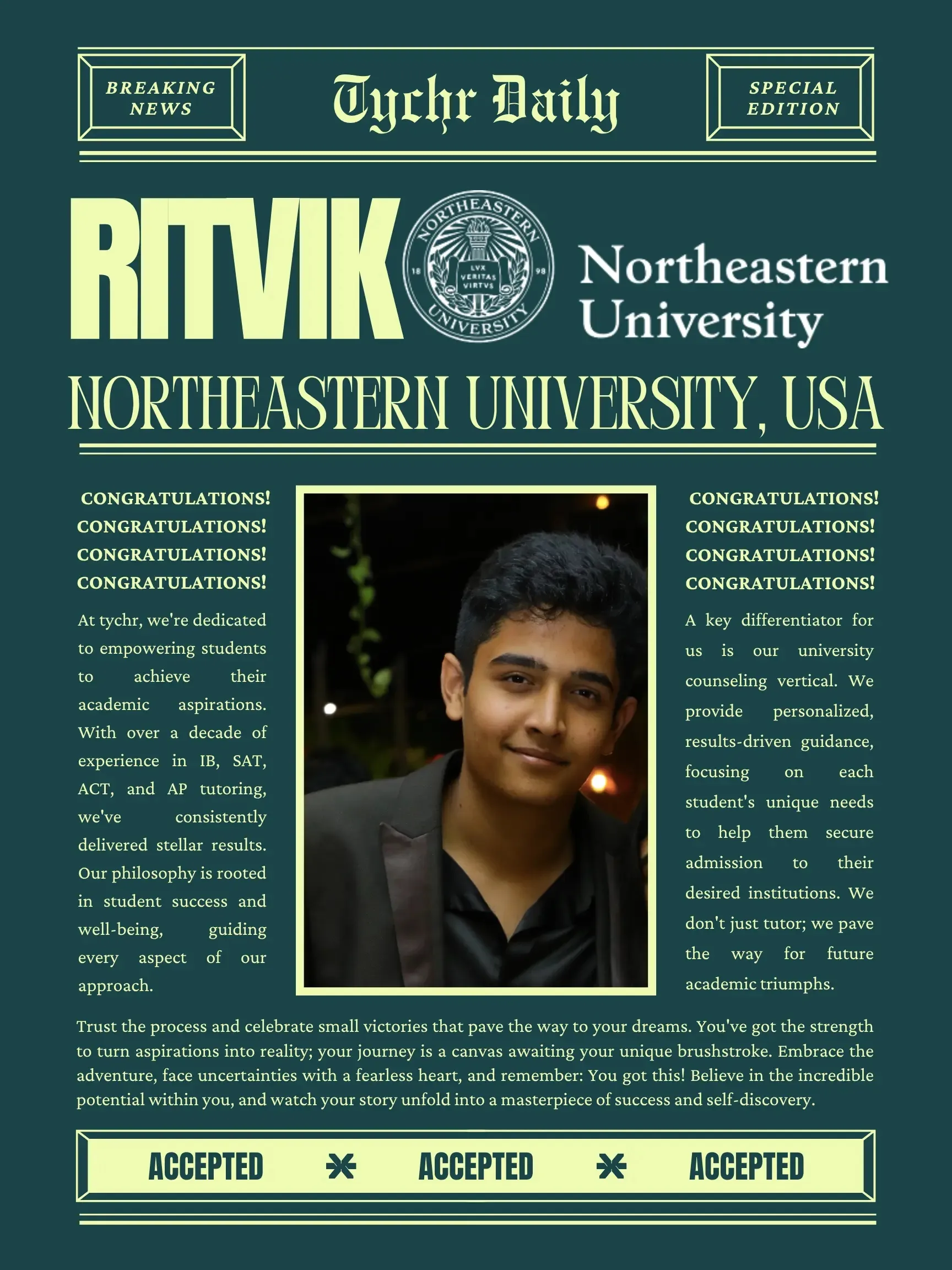
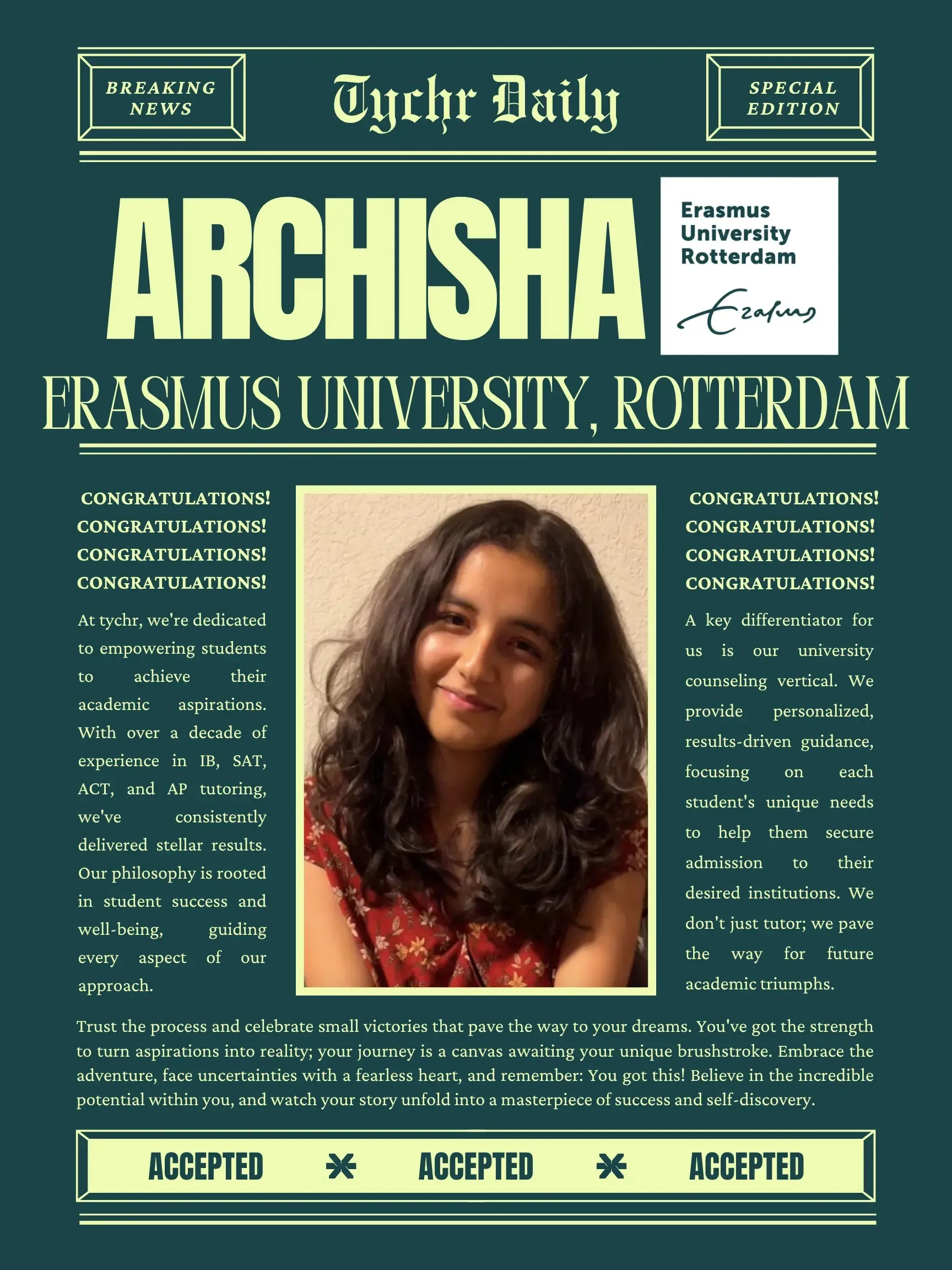
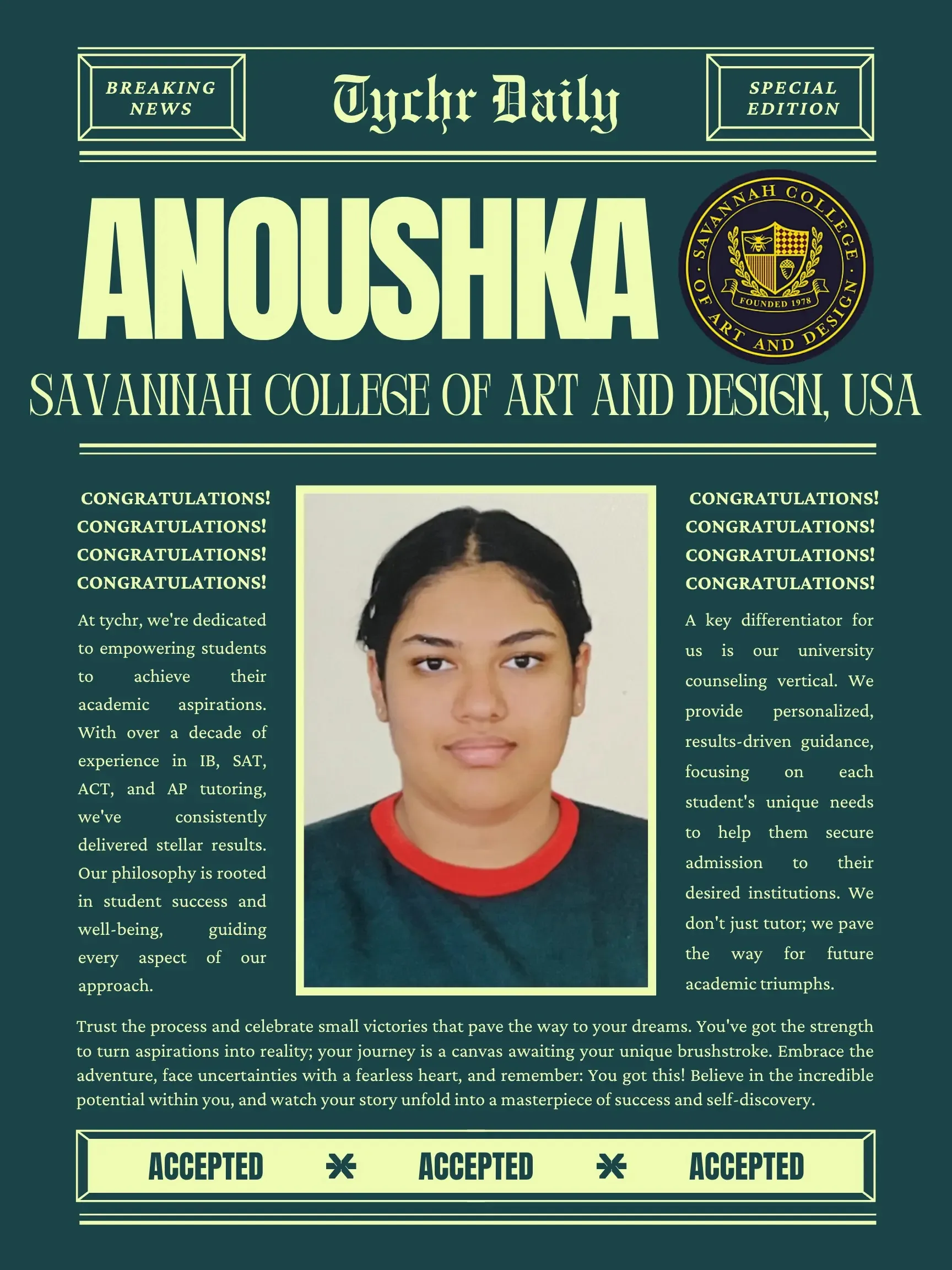
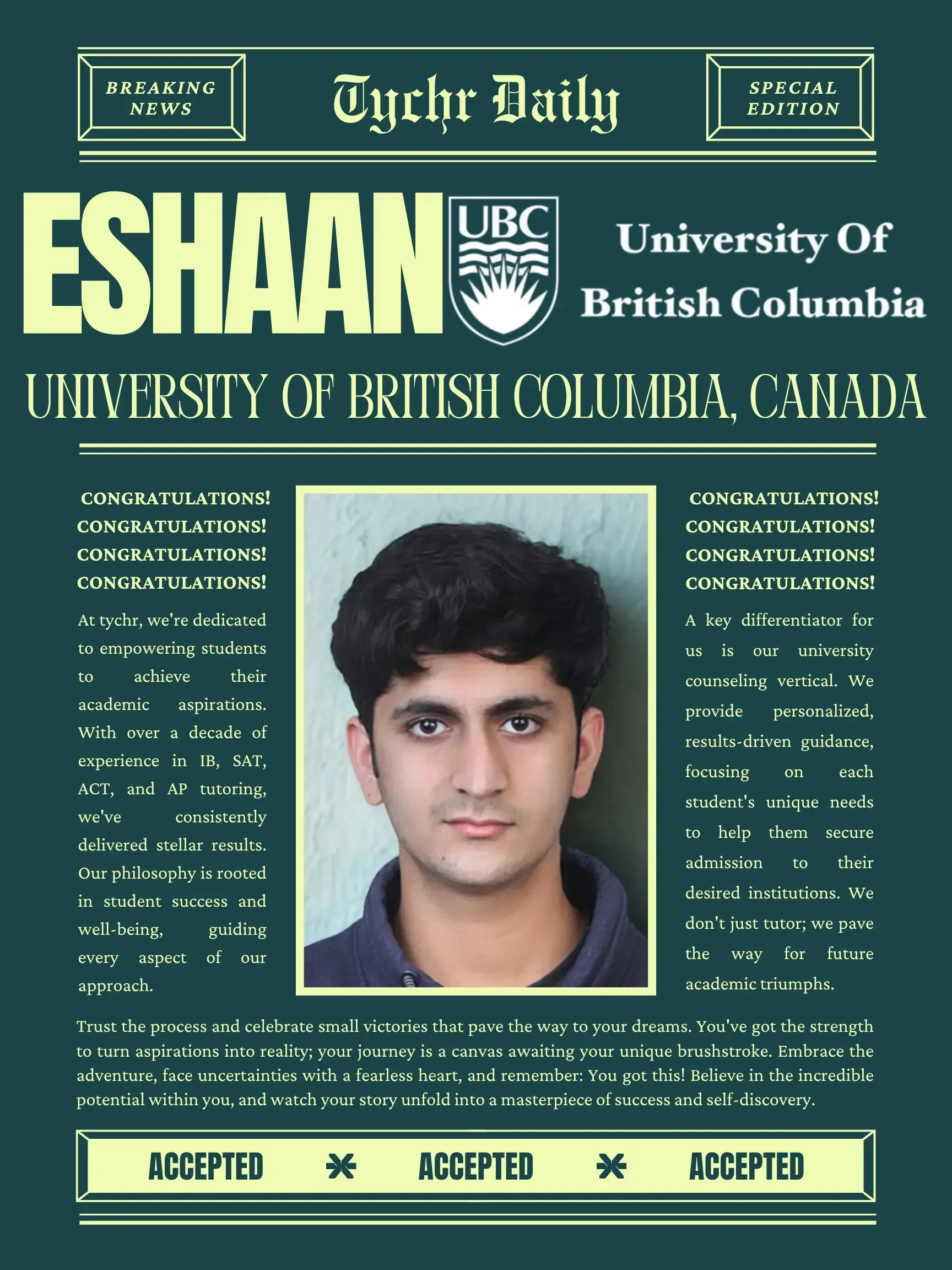
Start your journey with the right guidance.
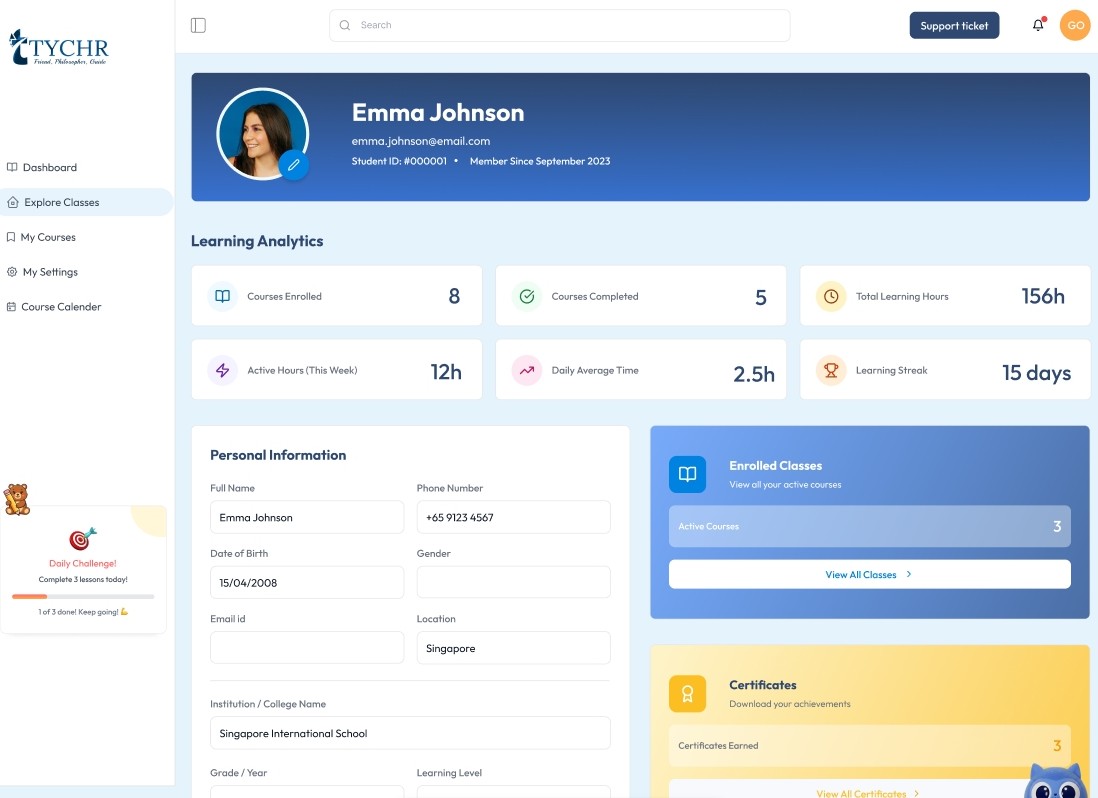
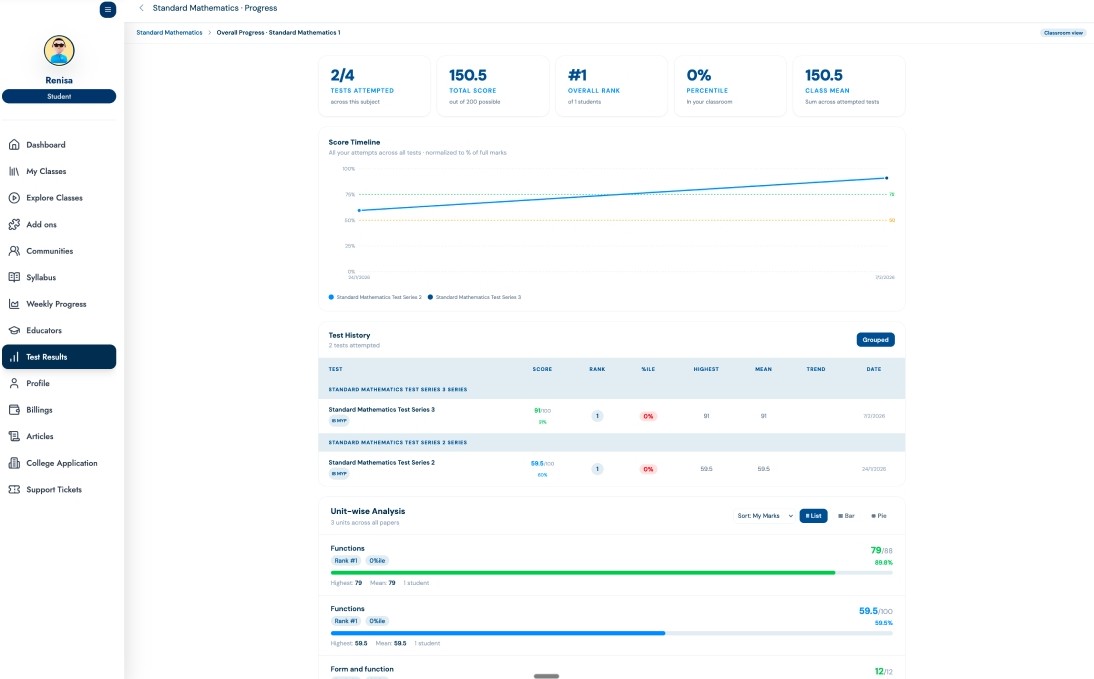
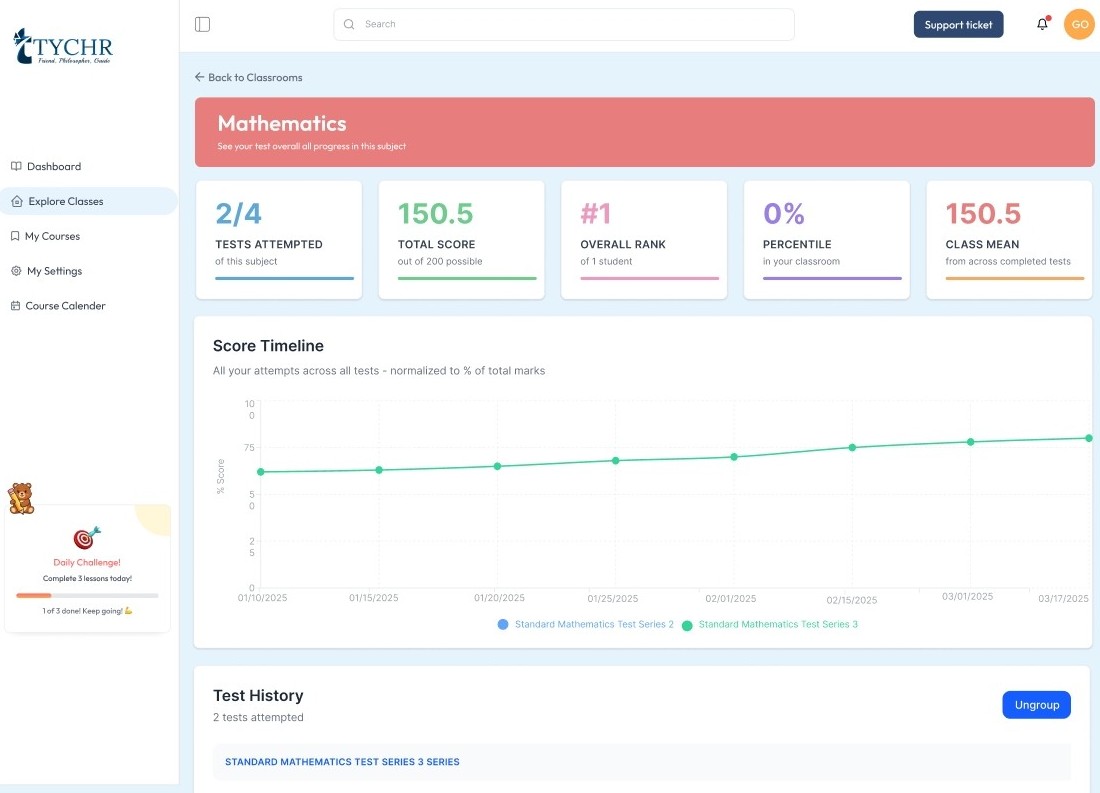
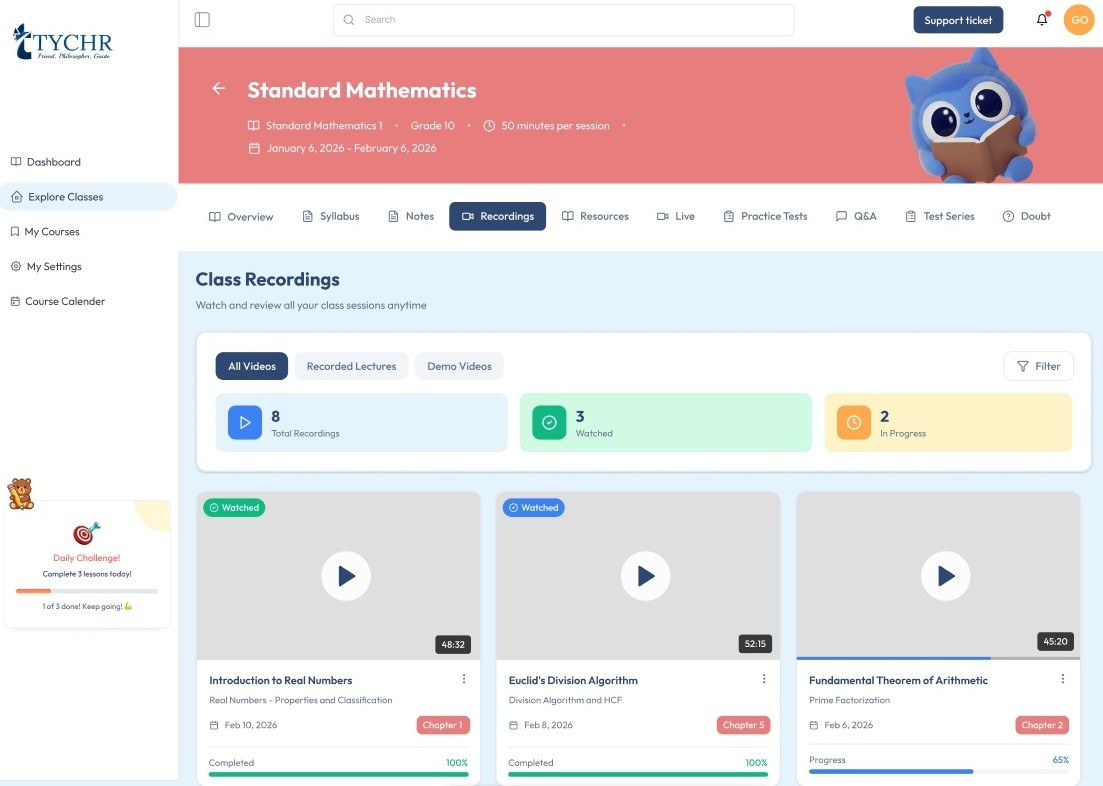
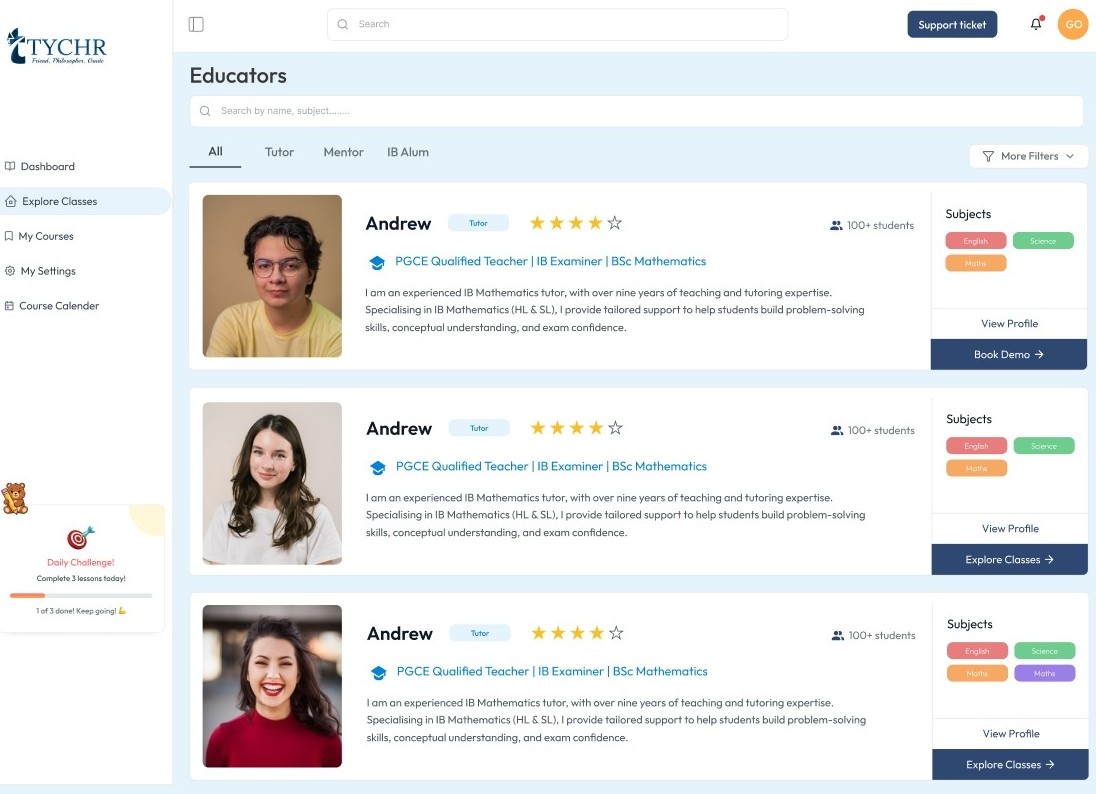
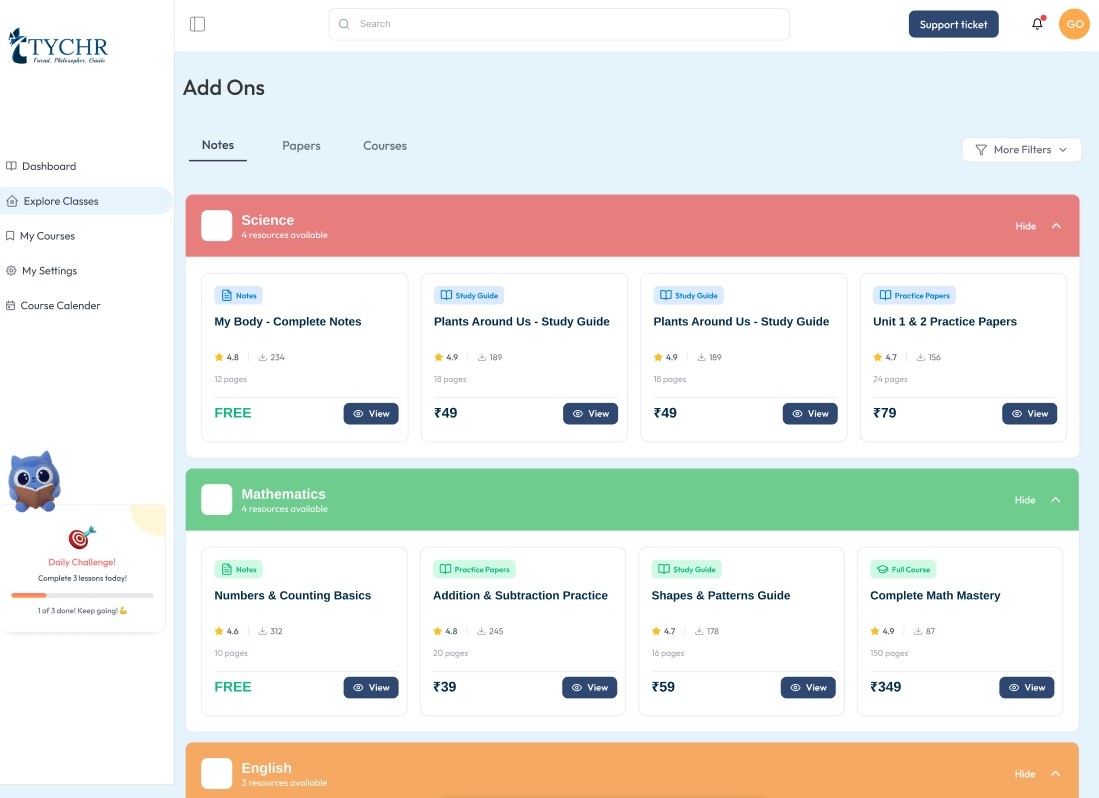
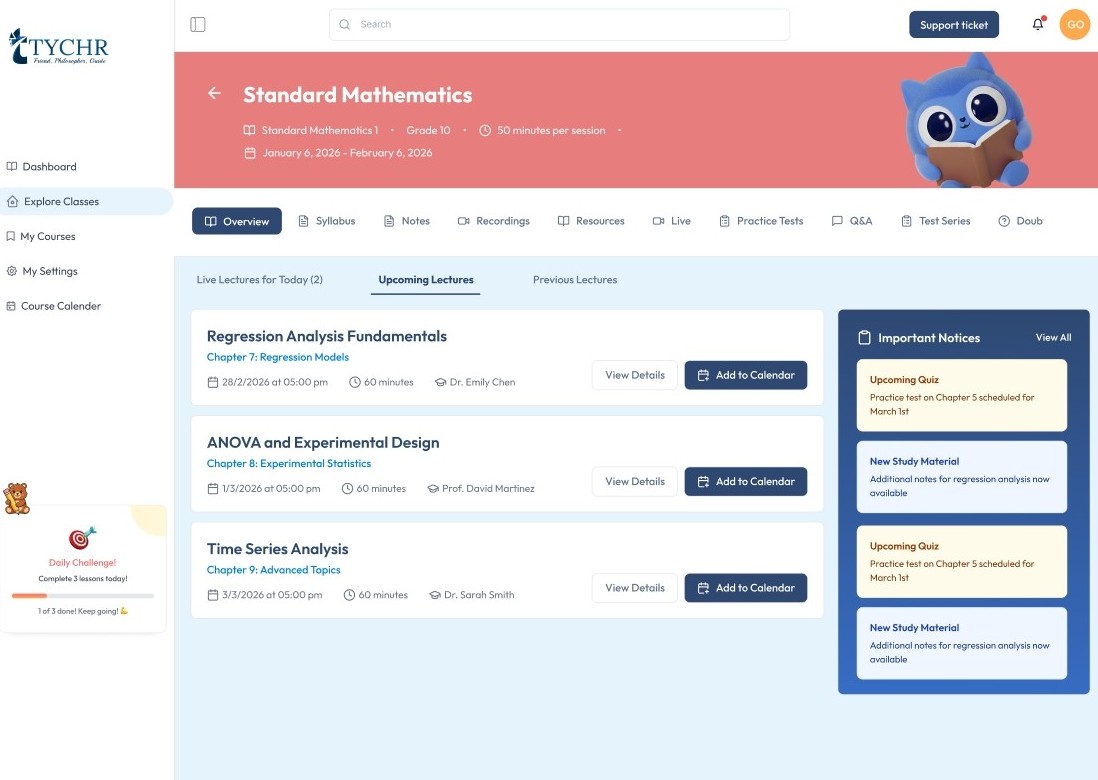
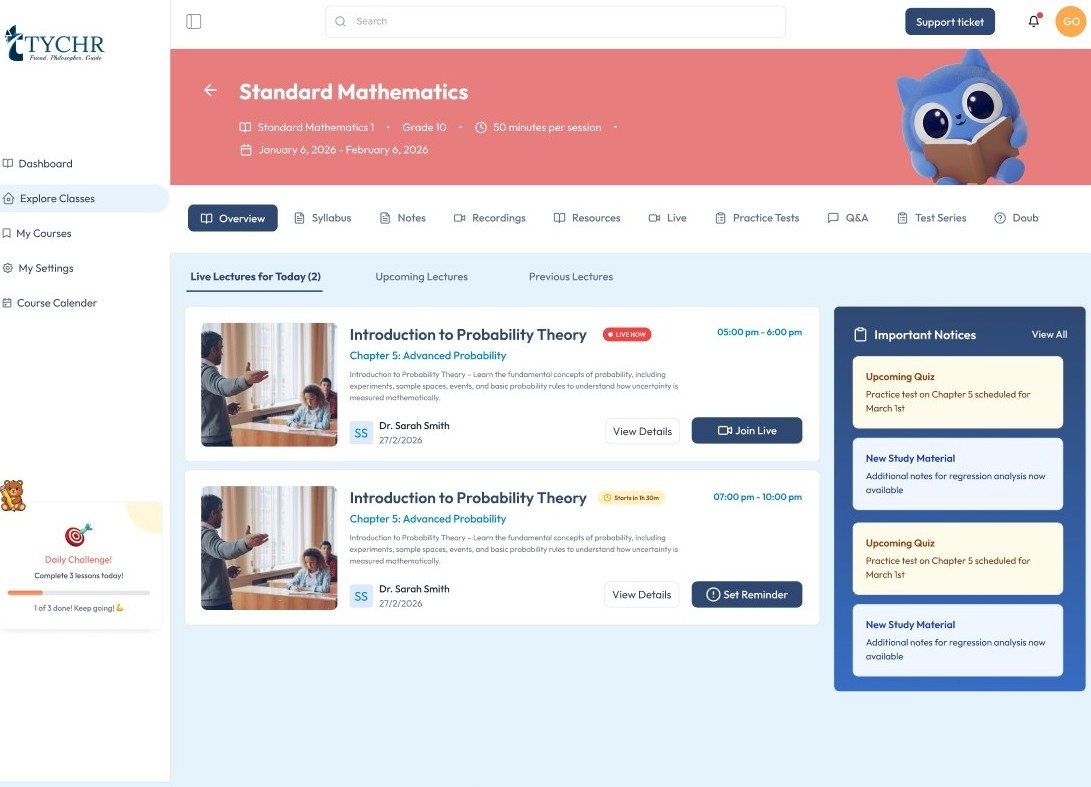
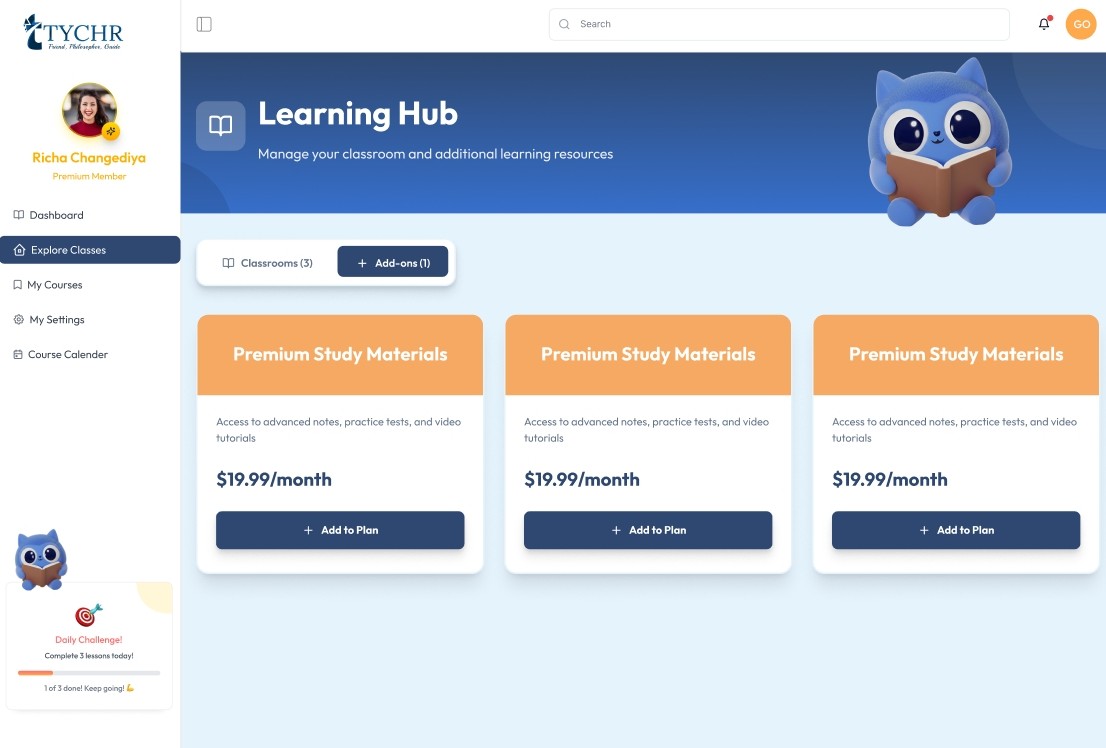
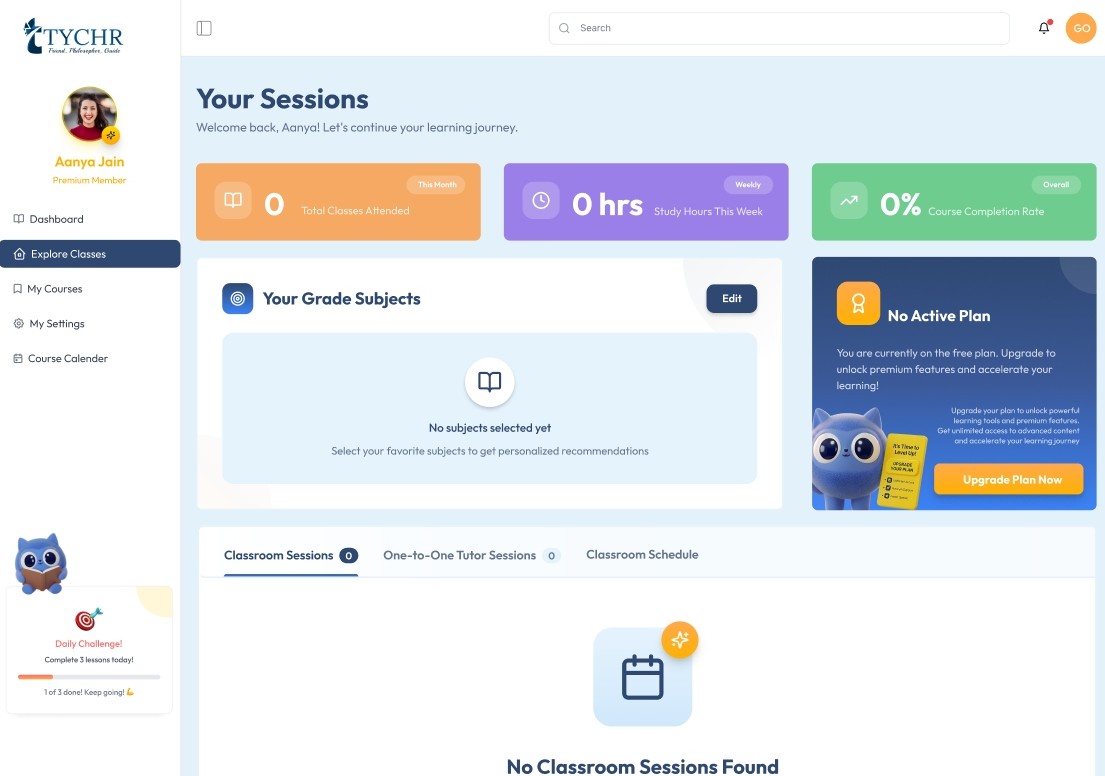
Explore our learning system
A platform designed around how students actually learn — adaptive, intuitive, and always one step ahead.
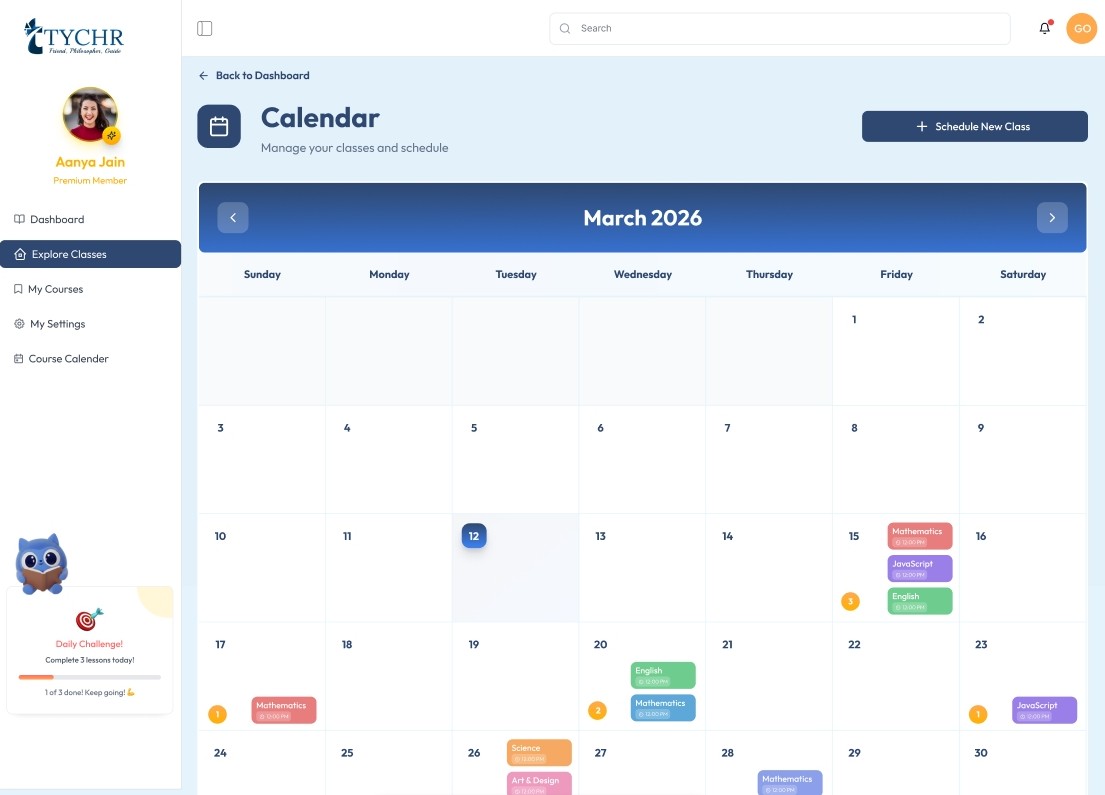
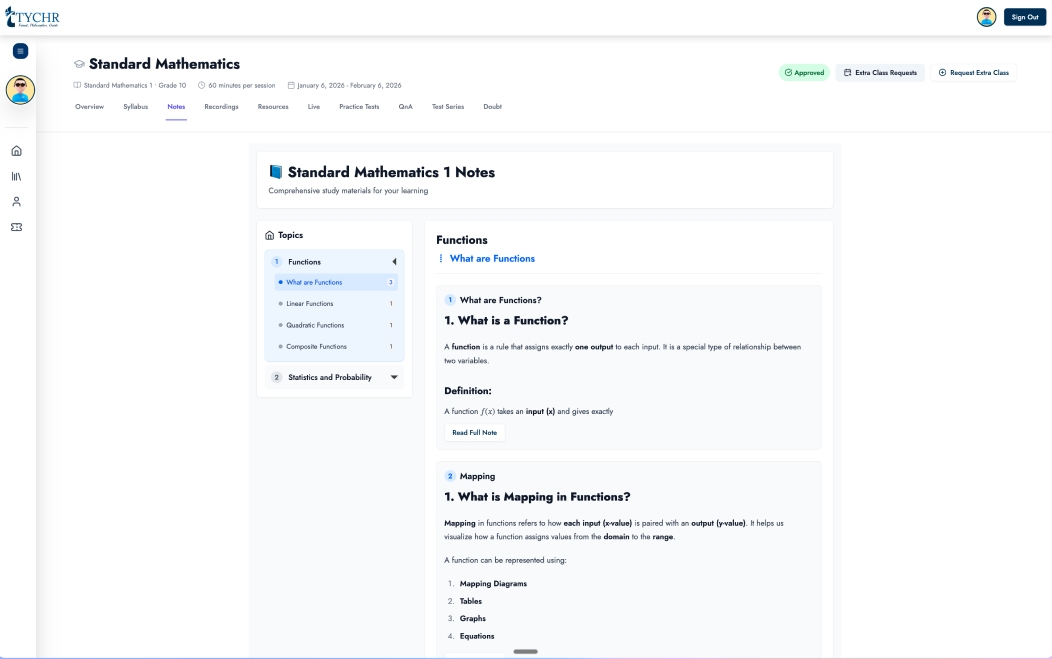
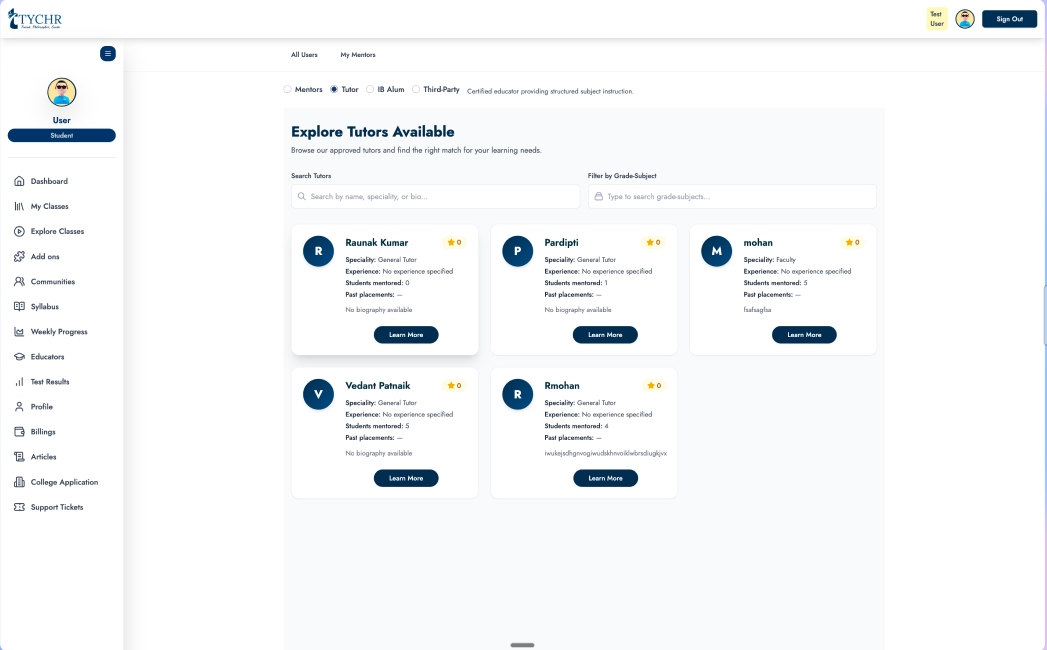
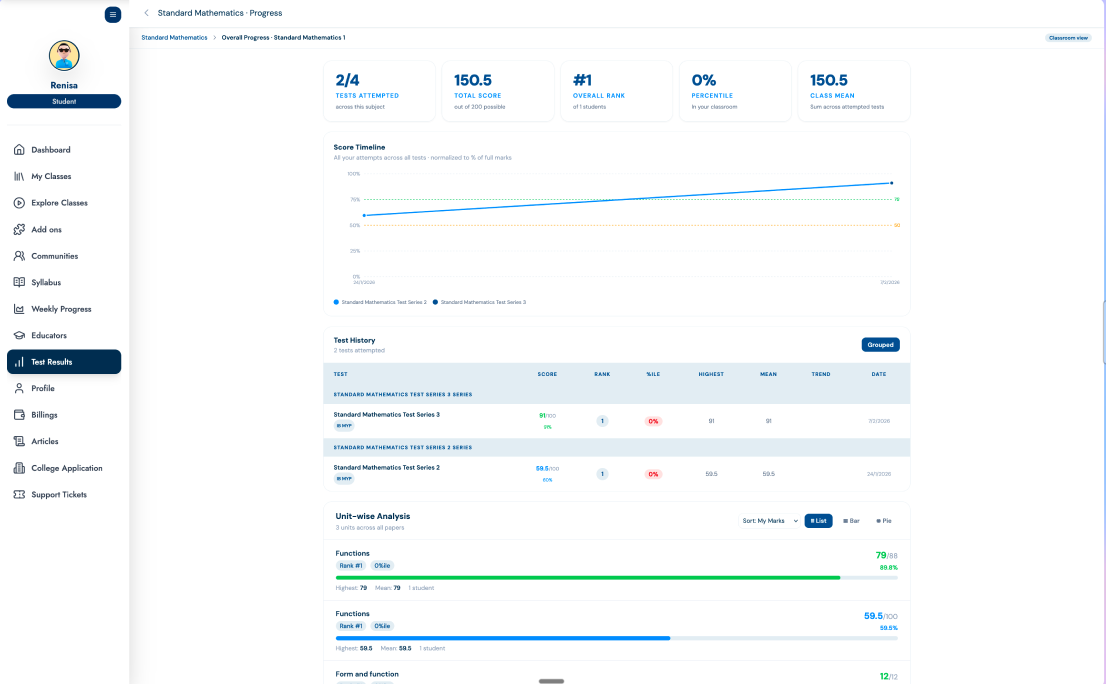
5000+
Students enrolled
100+
Expert tutors
95%
Satisfaction rate
70+
Countries reached
What Is AP Psychology?

Course Length
Full academic year
September – May
Exam Date
Early May
Annually
Exam Duration
2 Hours
Total exam time
Exam Structure
Two Sections, Weighted Scoring
Section I
100 Multiple Choice Questions
70 min · 66.7% of score
Section II
2 Free Response Questions
50 min · 33.3% of score
Multiple Choice (MCQ)
100 questions in 70 minutes, worth roughly 67% of the total score. Questions test content knowledge across nine units, ranging from biological bases of behavior to social psychology. Pacing is crucial as you have less than a minute per question.
Free Response (FRQ)
2 questions in 50 minutes, worth roughly 33% of the total score. One question focuses on Concept Application, and the other focuses on Research Design. You must demonstrate the ability to apply psychological terminology to real-world scenarios and analyze data.
Tools & Strategy
Unlike quantitative AP exams, no calculators or formula sheets are permitted. Success depends on deep conceptual memorization, understanding experimental ethics, and the ability to link specific psychological theories to behavioral descriptions.
AP Psychology Syllabus
Unit-by-Unit Breakdown
Scientific Foundations of Psychology
- Psychological perspectives
- Research methods
- Ethics in research
Biological Bases of Behavior
- Nervous system
- Neural firing
- Brain structure and function
Sensation and Perception
- Thresholds
- Sensory organs
- Perceptual processes
Learning
- Classical conditioning
- Operant conditioning
- Observational learning
Cognitive Psychology
- Memory models
- Forgetting and retrieval
- Thinking and problem solving
Developmental Psychology
- Life span development
- Cognitive development
- Social development
Motivation, Emotion, and Personality
- Theories of motivation
- Theories of emotion
- Personality theories
Clinical Psychology
- Psychological disorders
- Treatment of disorders
- Types of therapy
Social Psychology
- Attribution theory
- Conformity and obedience
- Group dynamics
Scientific Foundations (Unit 1)
Methodology, Perspectives & Ethics
The 'Define-Link' Framework
We train students to move beyond rote memorization by immediately applying psychological terms to the specific scenario provided. This ensures that every definition is anchored to the prompt's context, which is the primary driver of high FRQ scores.
Research Design Logic
We focus on mastering the identification of independent/dependent variables and operational definitions. This is the bedrock of the FRQ Research Design question, where students must precisely outline how variables are manipulated and measured.
Psychological Perspectives
Research Methods
Research Ethics

Biological Bases of Behavior (Unit 2)
Coaching for Neural Function & Brain Anatomy

Central Nervous System
Mastering the divisions of the nervous system and the specific functions of brain regions (e.g., hippocampus, thalamus). We teach students how to predict behavioral deficits when specific areas are damaged.
Neurotransmission Process
Understanding the action potential, synaptic transmission, and the roles of neurotransmitters like dopamine and serotonin. Precise terminology here is vital for scoring on FRQs.
Endocrine vs. Nervous
Distinguishing between the rapid response of the nervous system and the slower, chemical signaling of the endocrine system. We emphasize how these systems interact to influence stress responses and homeostasis.
Neurotransmission
Brain Lateralization
Endocrine System
Neural Plasticity
Mastering Behavioral Links
The conceptual connection between specific neurological components (like the amygdala or neurotransmitters) and observable behavior is the key to high scores. We drill students on how to bridge the gap between biological mechanism and psychological outcome, ensuring they can explain the 'why' behind actions in any clinical or experimental scenario.
Sensation & Perception
Concepts & Practice
Sensation
Perception
Cognitive Influences
Master Perception for FRQs
Sensation and perception questions require precise application of terminology to visual and auditory scenarios. Our tutors focus on differentiating key concepts and applying them to real-world stimuli.
Clinical Psychology
Disorders, Diagnosis & Therapeutic Approaches
Psychological Disorders
Treatment of Disorders

Anxiety Disorders
Phobias, panic, and OCD
Mood Disorders
Depression and bipolar
Schizophrenia Spectrum
Psychotic symptoms and treatment
Psychodynamic Therapy
Unconscious conflicts
Cognitive-Behavioral (CBT)
Restructuring thoughts/behaviors
Humanistic Therapy
Client-centered approach
AP Psychology Free Response Questions
FRQ Strategies for Maximizing Rubric Points
6 Questions in 90 Minutes (50% of Score)
FRQs are where the exam is won or lost. Precise vocabulary is mandatory.
Rubric Maximization Rules
Master the 'Define-Link' Formula
Many students lose points by defining a concept without linking it to the specific person in the prompt. Always use the 'Define -> Link' formula: state the textbook definition of the term, then explicitly explain how that concept manifests in the scenario provided.
Use Structural Paragraphing
AP Psychology rubrics are often point-based. If a question asks you to explain three concepts, provide three distinct, paragraph-length answers. Do not write a single essay; use clear paragraph breaks for each term or concept requested.
Eliminate Fluff and Intros
Don't waste time on formal essay introductions or conclusions. The rubric rewards direct, concise answers. Start your answer by directly addressing the psychological term requested to ensure the grader marks it immediately.
Maintain Objective Scientific Tone
AP Psychology is a science. Avoid phrases like 'I feel' or 'it seems like.' Use objective language: 'The subject exhibits symptoms of...' or 'Based on the principles of cognitive dissonance, the subject will...'
Practice Research Design Logic
The Research Design question (FRQ 2) requires you to identify independent/dependent variables, operational definitions, and ethical concerns. Practice creating a 'control vs. experimental' mental map for every scenario.
Why Precise FRQ Language Matters
College Board rubric criteria require 'application.' Providing a perfect dictionary definition of 'Classical Conditioning' will earn zero points if you do not explain how the specific character in the prompt is being conditioned. We drill students to always ask: 'Did I show *how* this concept affects the specific person in the scenario?'
Writing "simply stating the definition without applying it" instead of "define the term, then apply it directly to the prompt's context".
Calculator Skills for AP Psychology
Mastering the Written Response
Essential FRQ Strategy & Terminology
Define-Link
The mandatory strategy: define the term, then link to the scenario.
Independent Variable
The variable being manipulated in an experimental study.
Dependent Variable
The outcome variable being measured in an experiment.
Operational Definition
Specifically how a variable is measured or manipulated.
Control Group
Participants who do not receive the experimental treatment.
Random Assignment
Method to minimize pre-existing differences between groups.
Double-Blind
Neither the researcher nor participant knows the condition.
Ethical Guidelines
Informed consent, debriefing, and protection from harm.
Use Technical Terms
Never use casual language. Substitute 'sad' with 'depressive symptoms' or 'memory trick' with 'mnemonic device'.
Structure Your Responses
Write in clear, concise paragraphs. Do not attempt to write an essay introduction or conclusion.
Check the Rubric
Most FRQs are points-based. Ensure you have explicitly addressed every keyword listed in the prompt.
AP Psychology Multiple Choice
Tips & Timed Practice
100 Questions • 70 Minutes
Average 42 seconds per question • Worth 66.7% of exam score
Read for the Scenario
Identify the psychological concept hidden in the real-world example
Watch for Distractors
Many options are accurate definitions but do not fit the specific context
Process of Elimination
Eliminate choices that contradict the prompt's psychological principles
Apply Vocabulary
Ensure the answer uses the exact terminology expected by the College Board
Manage Time
You have less than 45 seconds per question—do not overthink
Skip & Return
Don't get stuck on one difficult term; move on and come back
Common Topics
- •Experimental design identification
- •Biological brain structures & function
- •Classical vs. operant conditioning scenarios
- •Cognitive memory and retrieval
- •Social psychology influence & bias
Practice Approach
Phase 1: Foundations
Term memorization and unit-based practice
Phase 2: Context Application
Scenario-based practice focusing on linking concepts
Phase 3: Exam Simulation
Full 100-question timed practice exams
Our tutors provide official College Board practice materials and teach time-tested strategies
One-to-One vs Group Tutoring
AP Psychology Sessions
One-to-One
- ✓Personalized pacing through all 9 units
- ✓Focus on your weak areas (probability, inference, etc.)
- ✓Flexible scheduling around your calendar
- ✓Individual FRQ review and feedback
- ✓Custom practice problem sets
Group Sessions
- ✓Learn with 3-4 students at similar level
- ✓Cost-effective exam preparation
- ✓Collaborative problem-solving
- ✓Structured curriculum coverage
- ✓Group practice test reviews
Tutor Profiles Subject Experts
Meet our highly qualified tutors with proven track records of student success.

Sreevidya KG
MSc in Chemistry with a Bachelor’s in Education, IB training, and Google certification.
20 Years
Experience
1500+
Students
5
Rating
Over 20 years of experience teaching Chemistry across IBDP, IGCSE, and AS/A Level curricula, including extensive international online tutoring.
Personalized IB tutoring with concept-focused learning approach.

Sandeep Nehra
IB Physics – Category 2 Certified | IBDP • IGCSE • AS/A Level • AP • AQA Physics
10+ Years
Experience
1200+
Students
4.9
Rating
An experienced IBDP and international Physics educator with over 10 years of multi-curriculum teaching experience across IBDP, IGCSE, AS/A Level, AP, and AQA.
Personalized IB tutoring with concept-focused learning approach.

Anjali Nayan Mistry
BA (Psychology), DELF B1 (French), B2.2 Alliance Française
11+ Years
Experience
1000+
Students
5
Rating
Have 11 years of experience teaching international curricula, including IB French B (SL & HL), French Ab Initio, AP Psychology, and IGCSE French, across leading IB and Cambridge schools.
Personalized IB tutoring with concept-focused learning approach.

Anish Chauhan
IB DP Physics • IGCSE Physics • Cambridge AS/A Level Physics | Former Academic Head
15 Years
Experience
1100+
Students
5
Rating
15+ years teaching IB DP, IGCSE, and Cambridge AS/A Level Physics
Achievements
Personalized IB tutoring with concept-focused learning approach.

Prem Raj Kumar
B.Sc. Computer Science | IB Educator Certificates | Google Certified Trainer
8+ Years
Experience
700+
Students
5
Rating
An experienced IB Computer Science educator specializing in Mathematics, ICT, and Computer Science across IB MYP, IBDP, IGCSE, AP, and A Level.
Personalized IB tutoring with concept-focused learning approach.
Grade Improvements — AP Score Results
From Students
ett
ett
Practice Tests & Past Exam Resources
Psychology Materials
Official Practice Tests
15+- ✓ Released College Board exams
- ✓ Scored answer keys
- ✓ Topic breakdowns
FRQ Bank
200+- ✓ Organized by unit
- ✓ Scoring rubrics
- ✓ Sample responses
Multiple Choice
500+- ✓ Unit quizzes
- ✓ Mixed practice
- ✓ Timed tests
Calculator Guides
25+- ✓ TI-84 tutorials
- ✓ Function walkthroughs
- ✓ Quick reference

All Resources Included Free
Every tutoring student gets unlimited access to our complete Psychology resource library
What students say
“I was scoring a 2 on AP Chemistry practice tests in January. By May I had a 5. Pooja ma'am focus on the FRQ rubric was the thing that made the biggest difference, I'd never understood how strictly it was marked.”

Amasha
Chemistry
“Prannoy sir helped me go from a 3 to a 5 in AP Calculus BC. The sessions were intense but the way he broke down FRQ justification was completely different from what my school taught. I finally understood what 'show your work' actually means for College Board”

Jiya
Calculus BC
Frequently Asked Questions
Everything About IB Psychology Tutoring
Our tutors use real-world clinical case studies, memory mnemonics, and active recall techniques to help students instantly differentiate and apply hundreds of complex psychological terms.
Yes, we break down neural transmission, the central and peripheral nervous systems, and brain-imaging techniques using detailed visual mapping and interactive physiological models.
We conduct targeted drills on both research design and application FRQs, training students on how to correctly define psychological terms and apply them accurately to specific fictional scenarios.
Absolutely. Our lessons map directly to the College Board's guidelines, covering everything from sensation and perception to developmental psychology and abnormal behavior disorders.
Yes, we guide students through experimental design principles, independent/dependent variables, ethical guidelines set by the APA, and basic descriptive and inferential statistics.
We explore the evolution of psychological treatments—comparing psychoanalysis, behavioral therapy, cognitive-behavioral therapy (CBT), and biomedical treatments—through practical case comparisons.
Book Your AP Psychology Tutor Today
Start with a Free Trial Session
Book Free Trial
Choose your preferred time slot
Meet Your Tutor
Get matched with Psychology expert
Start Improving
Begin your personalized prep plan
No credit card required • No commitment • 100% satisfaction guarantee
1000+
Students Taught
4.8
Average Score
89%
Score 4 or 5
200+
Expert Tutors