Expert AP Human Geography Tutors Online score 5/5 with Tychr
AP Human Geography is one of the most intellectually demanding AP courses. Mastering its core methodologies and executing precise FRQ arguments require deliberate, expert-led structure practice.

GULIA
5/5

TANISHA
5/5

ADAA
5/5

RUSHIL
5/5

ESHAAN
5/5

VISHAAL
5/5
Start your journey with the right guidance.
Your information is kept private and never shared with third parties.
92%
Students score a 5/5
+1.8
Average score improvement
22+
AP subjects covered
4.9★
Average tutor rating
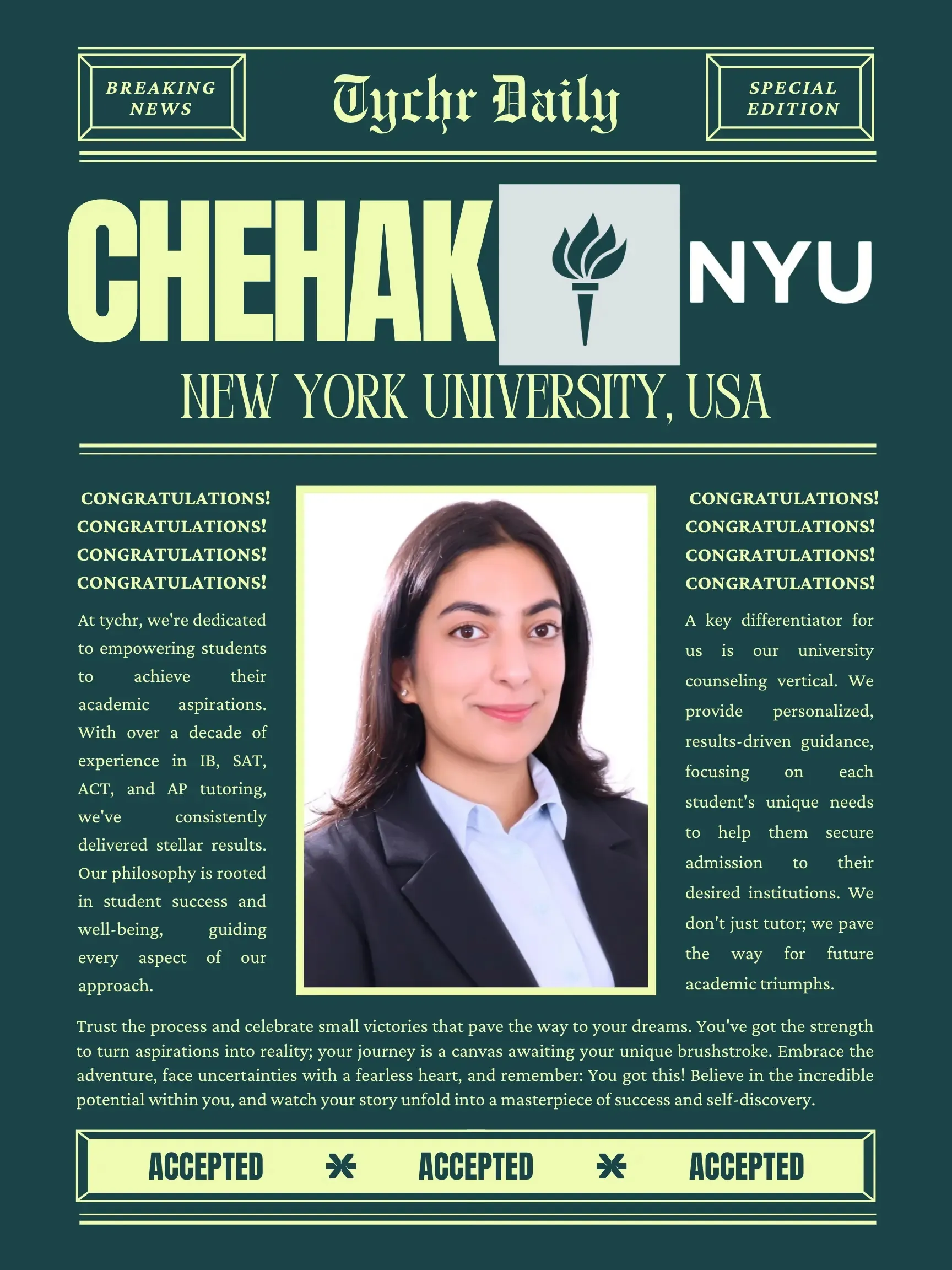
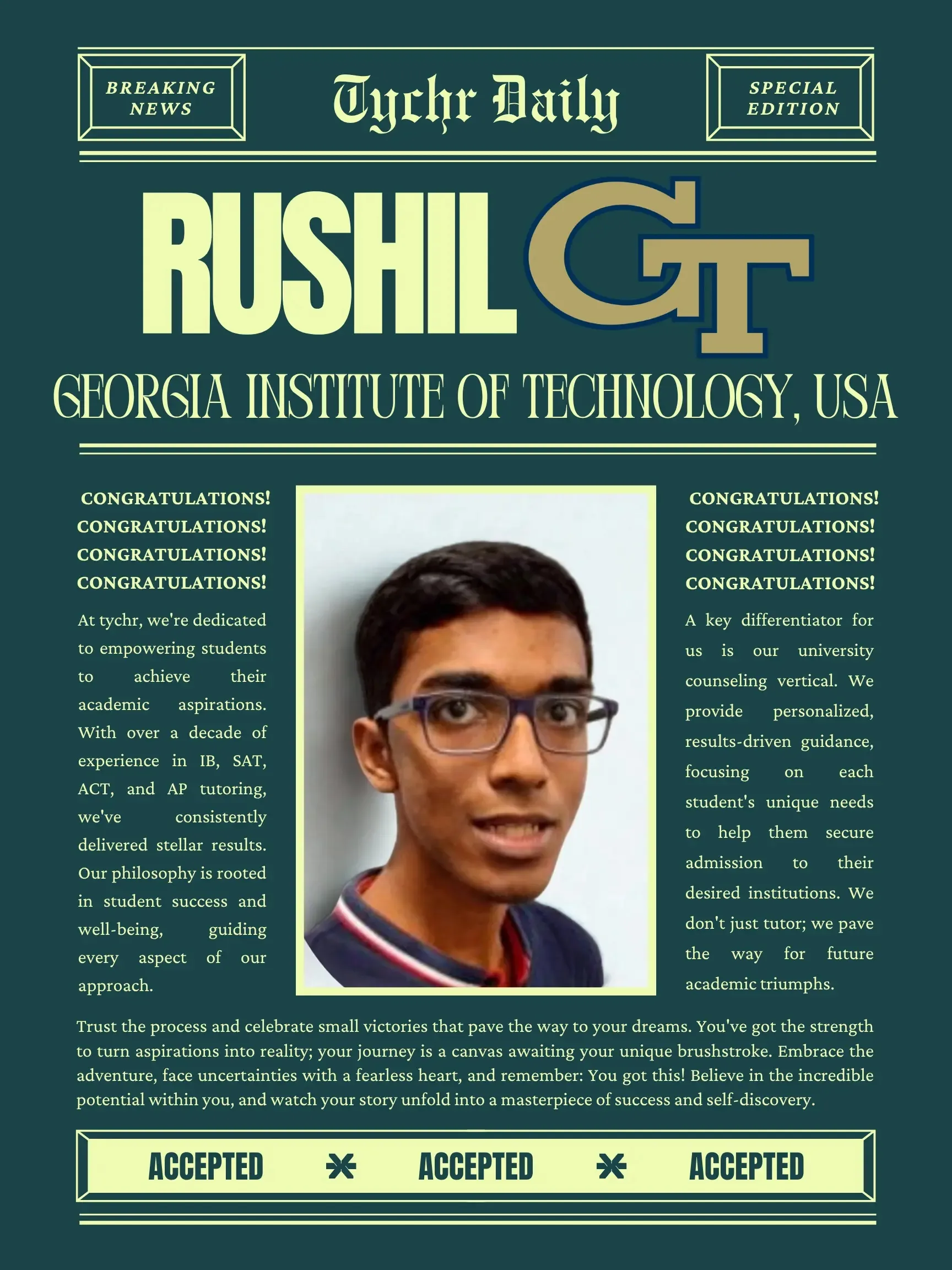
94% of Graduates Secure Admissions into the Top 50 Global Universities
Meet the brilliant minds who transformed their testing potential into world-class AP scores and elite Ivy League academic portfolios.
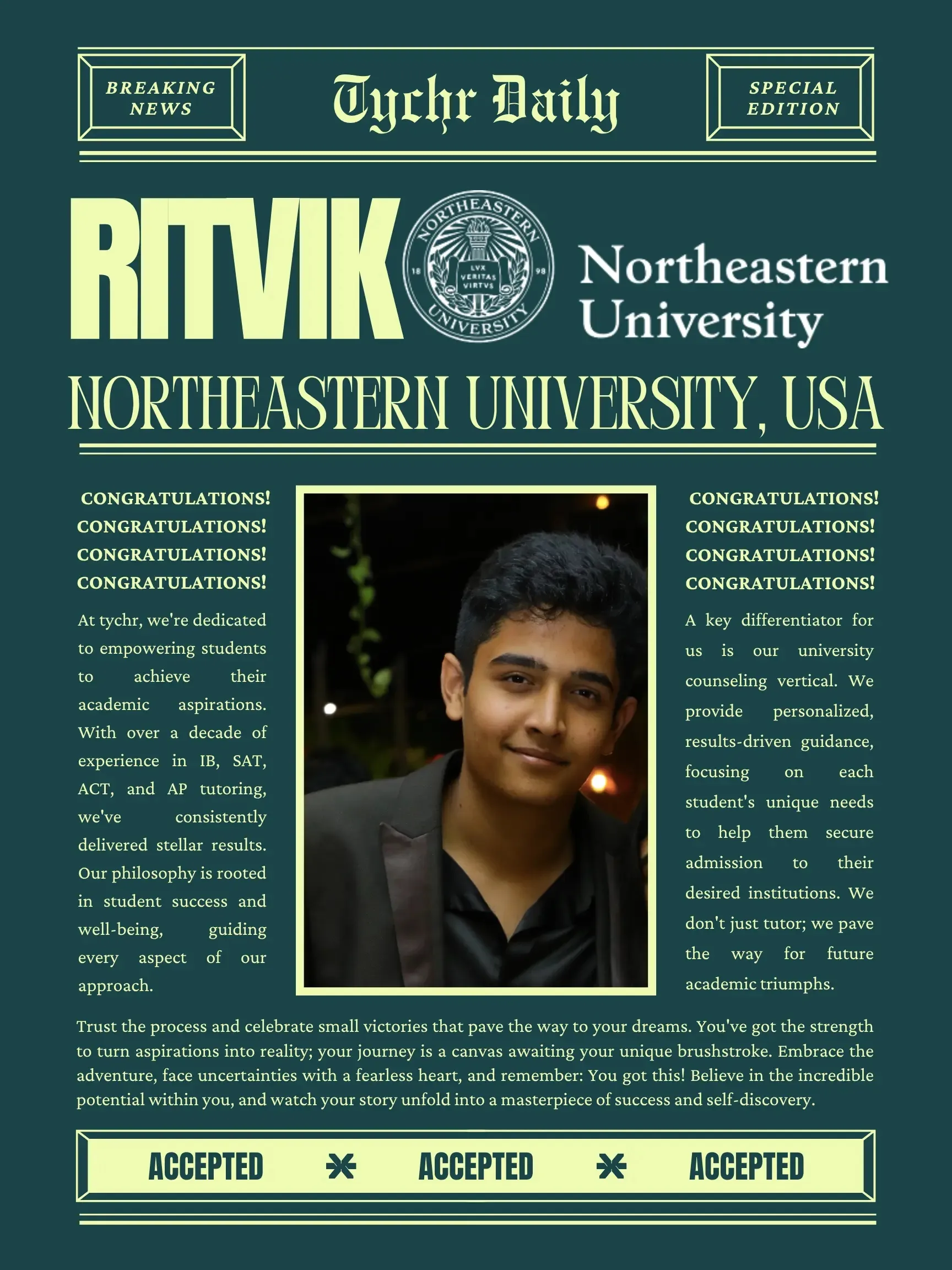
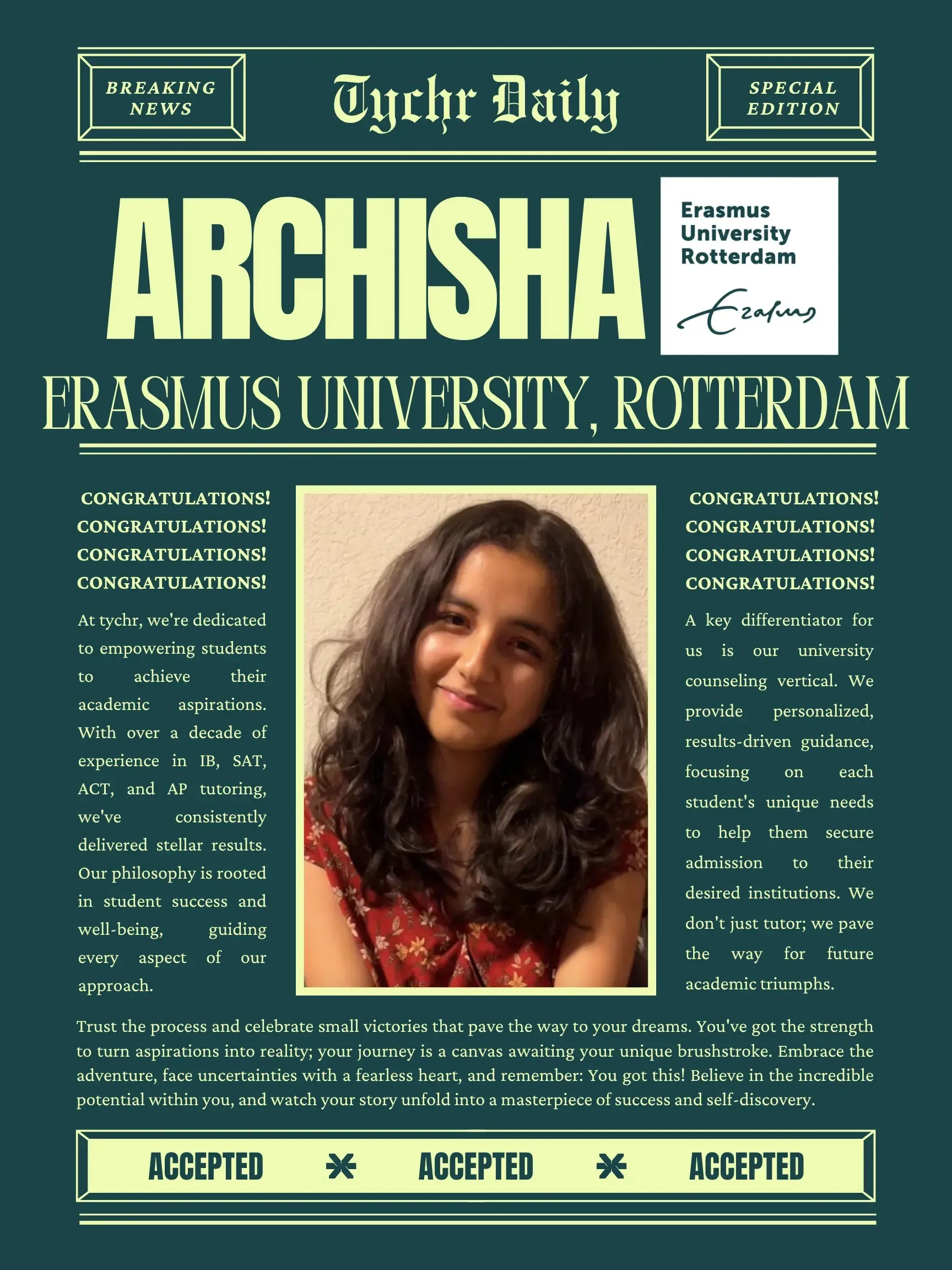
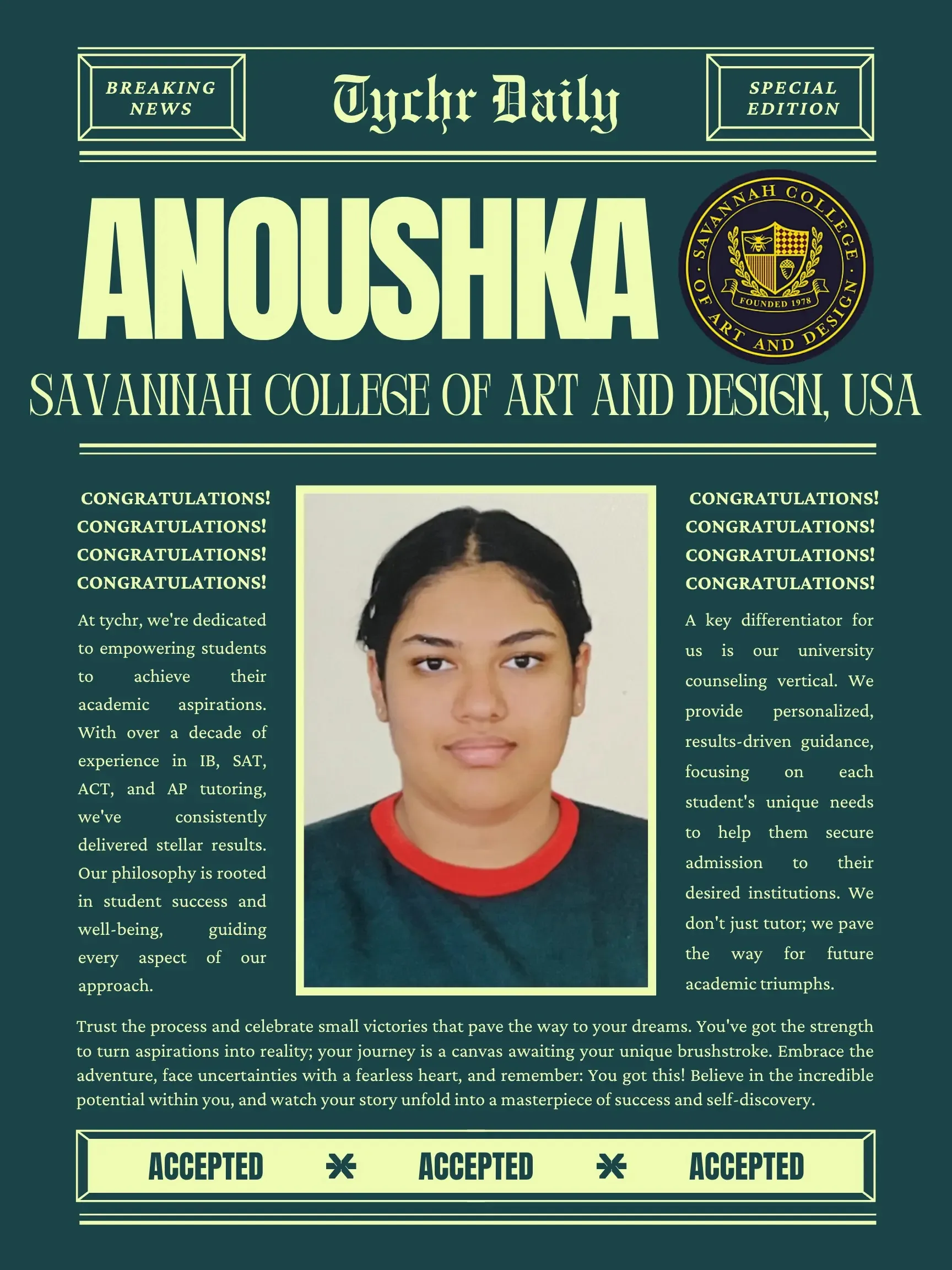
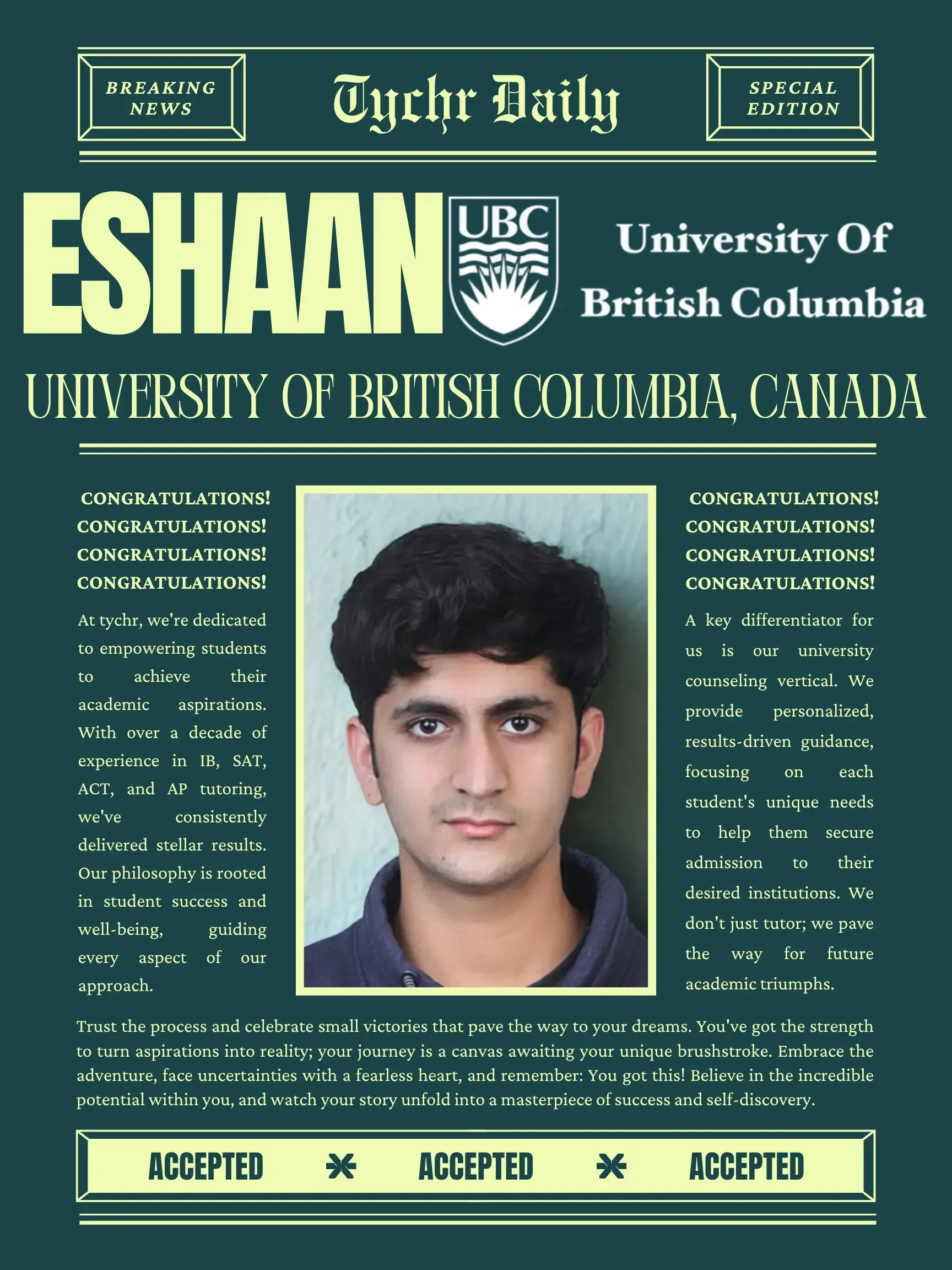
Start your journey with the right guidance.
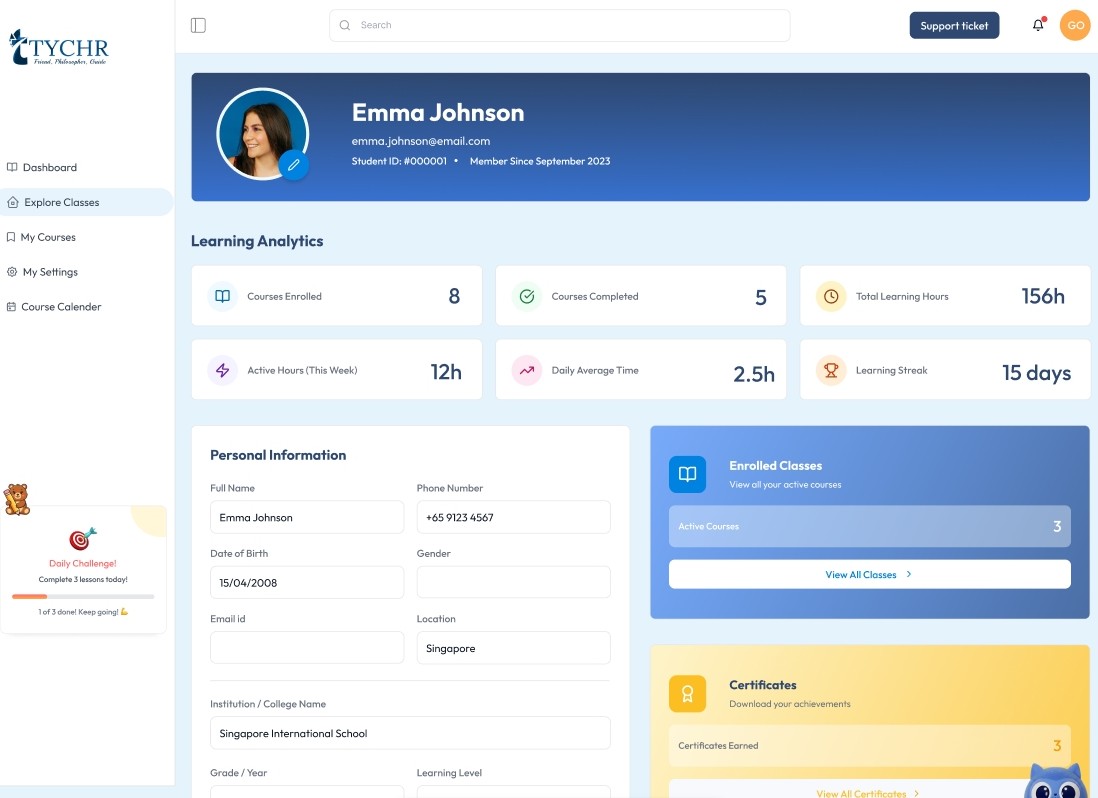
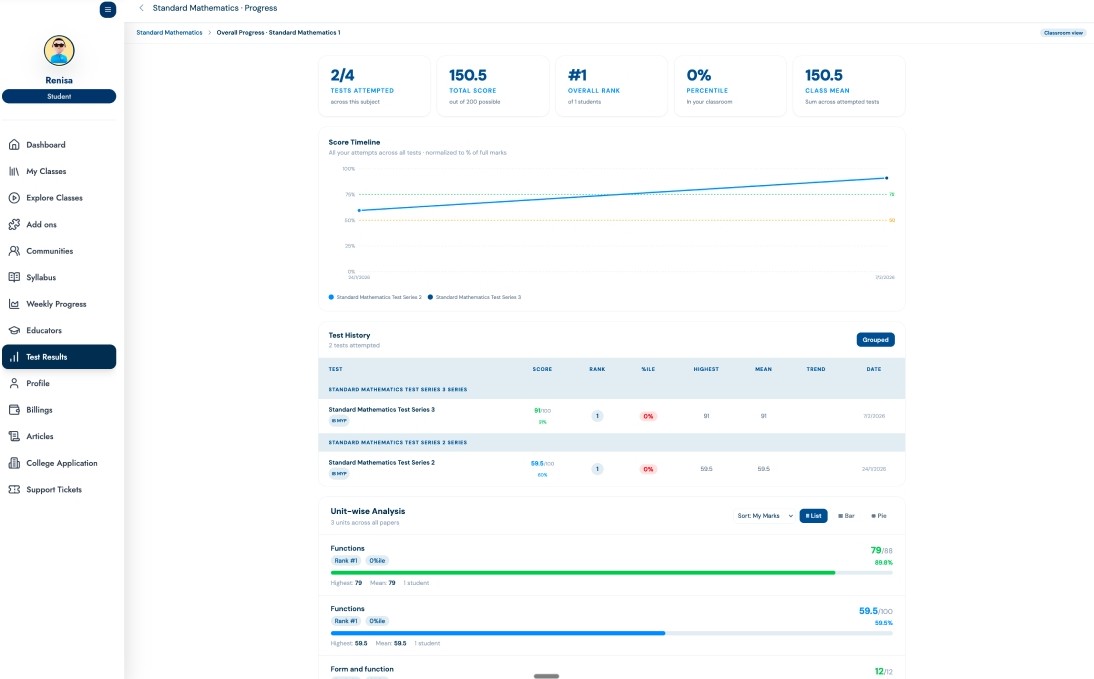
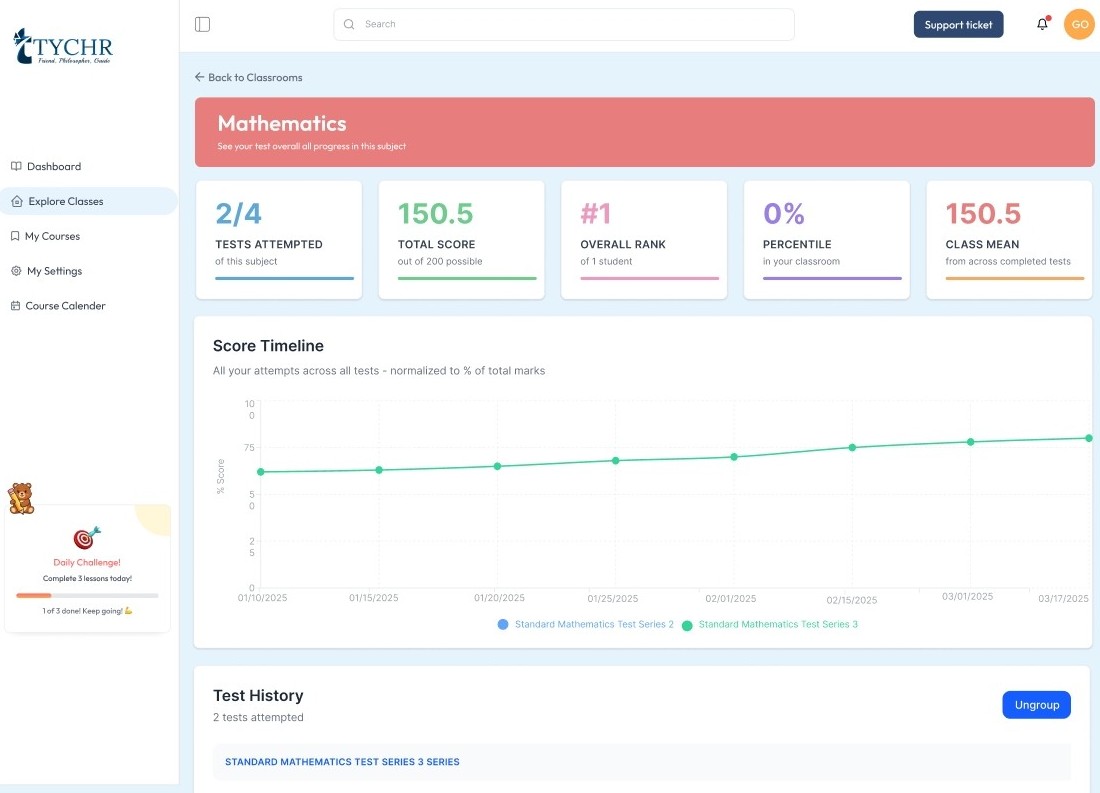
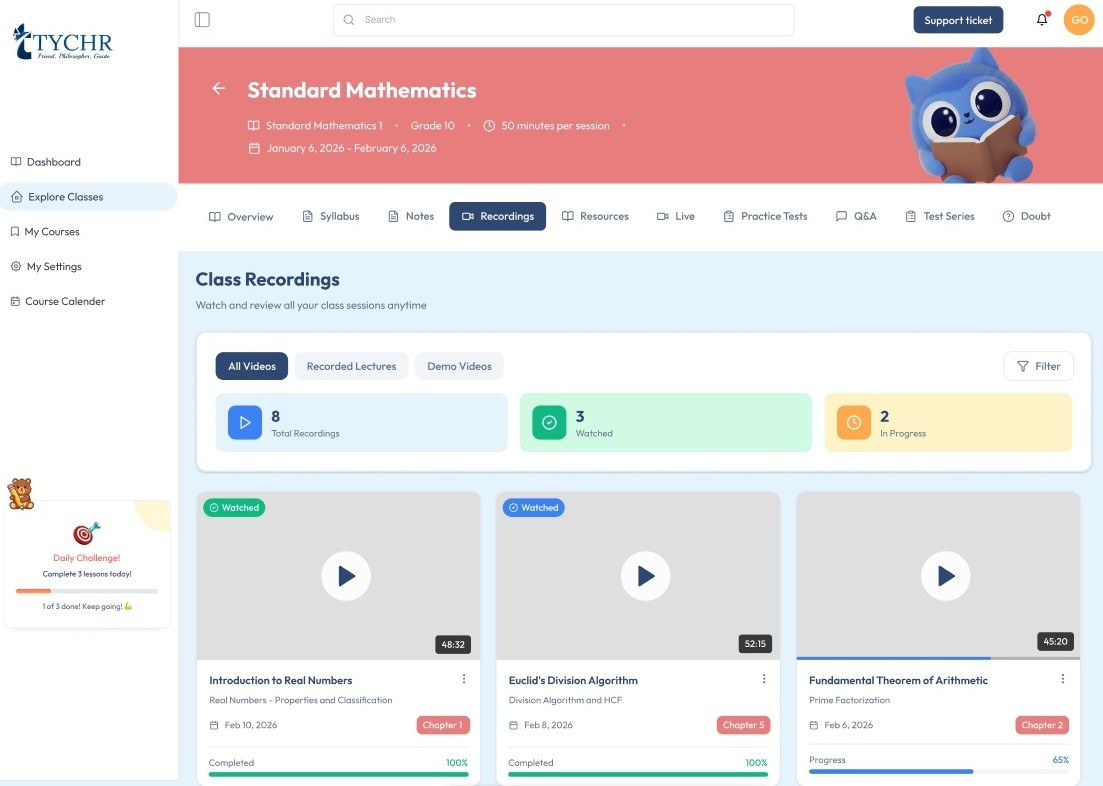
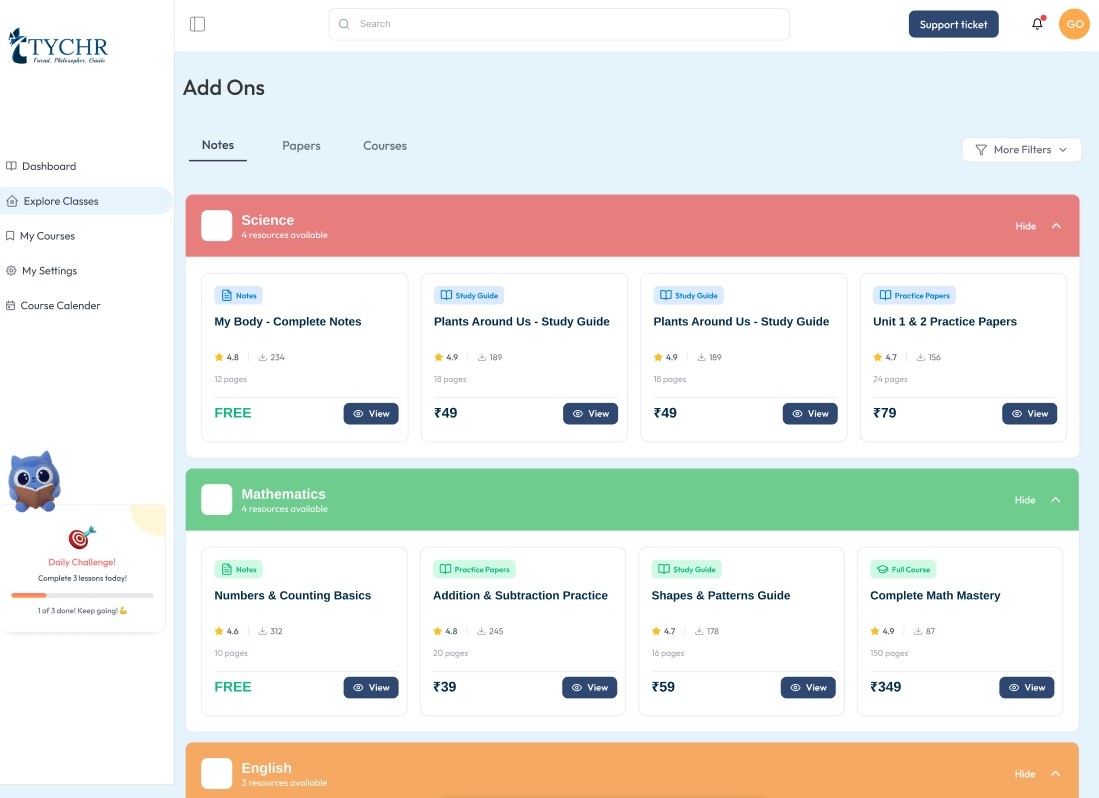
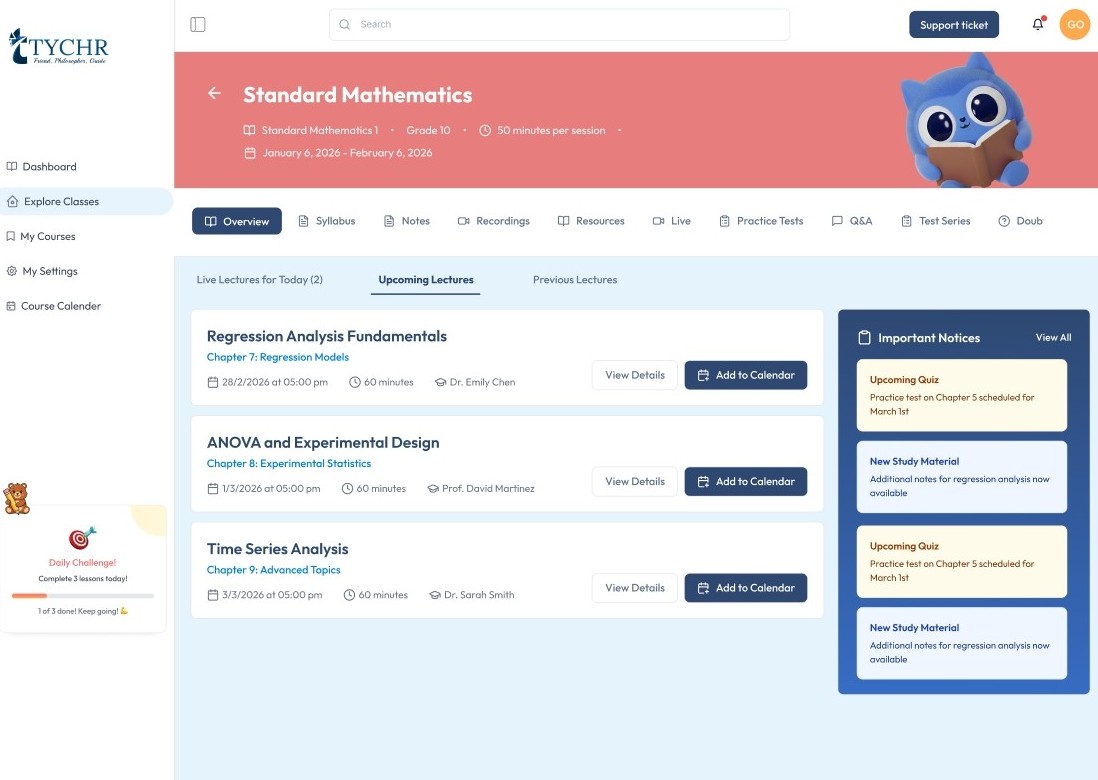
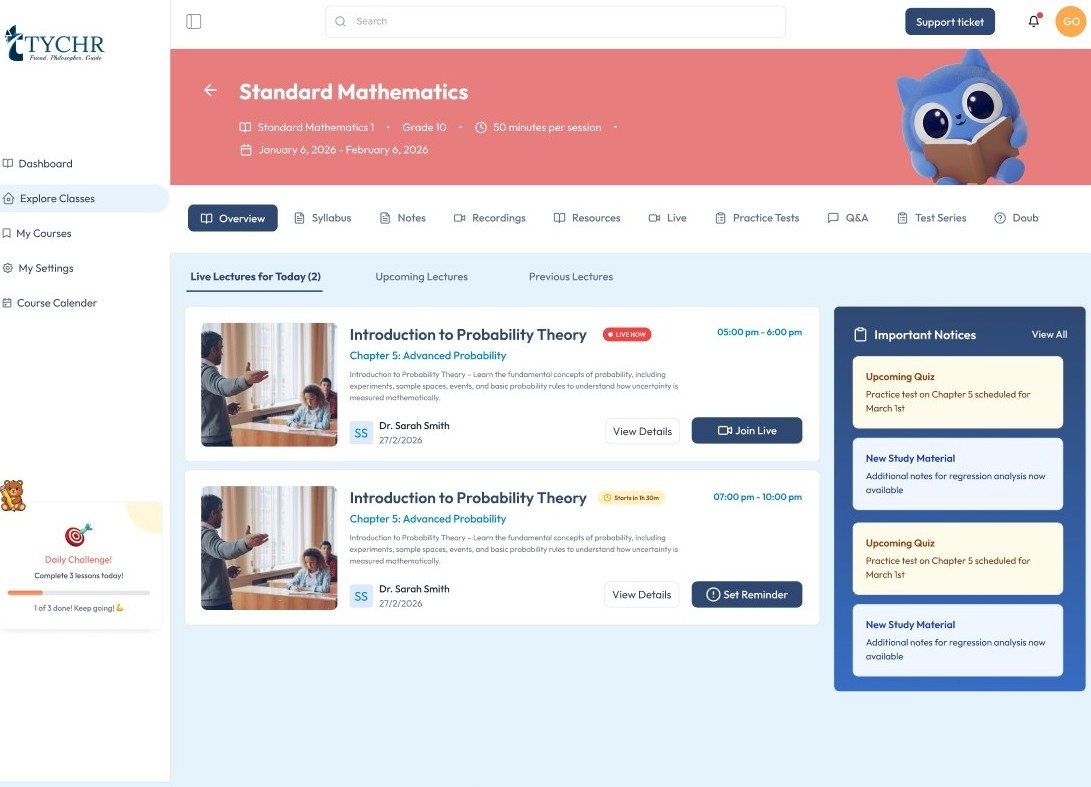
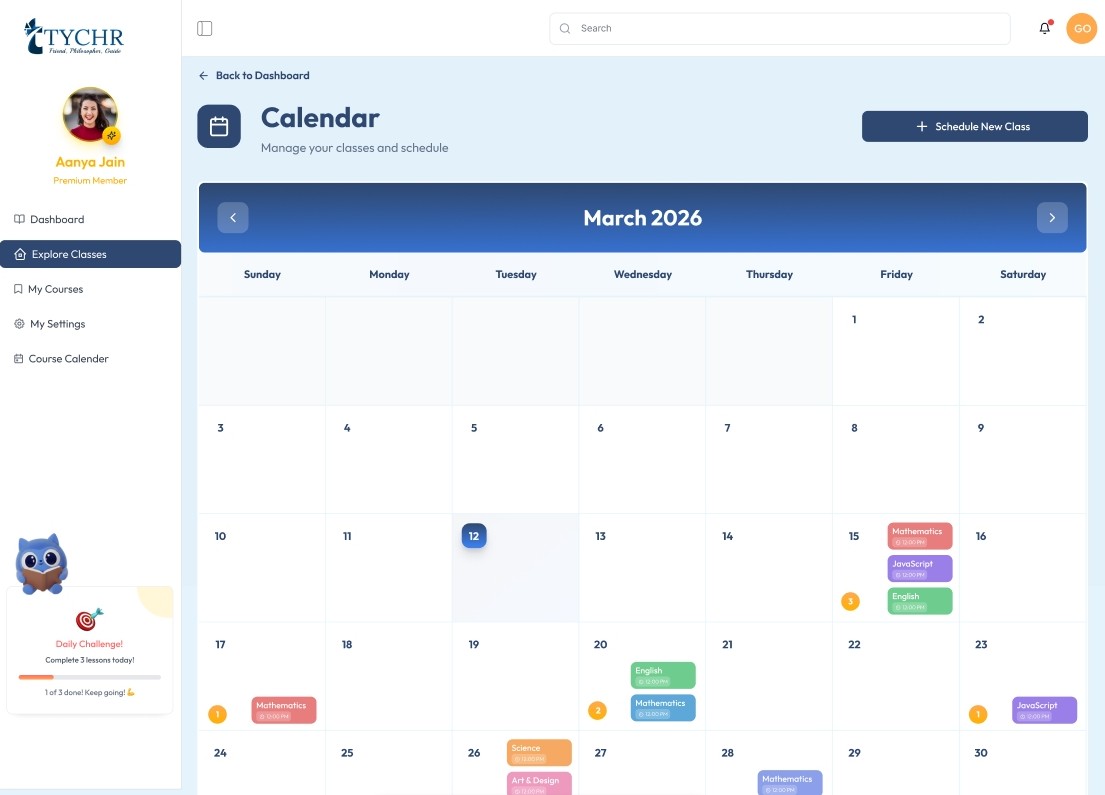
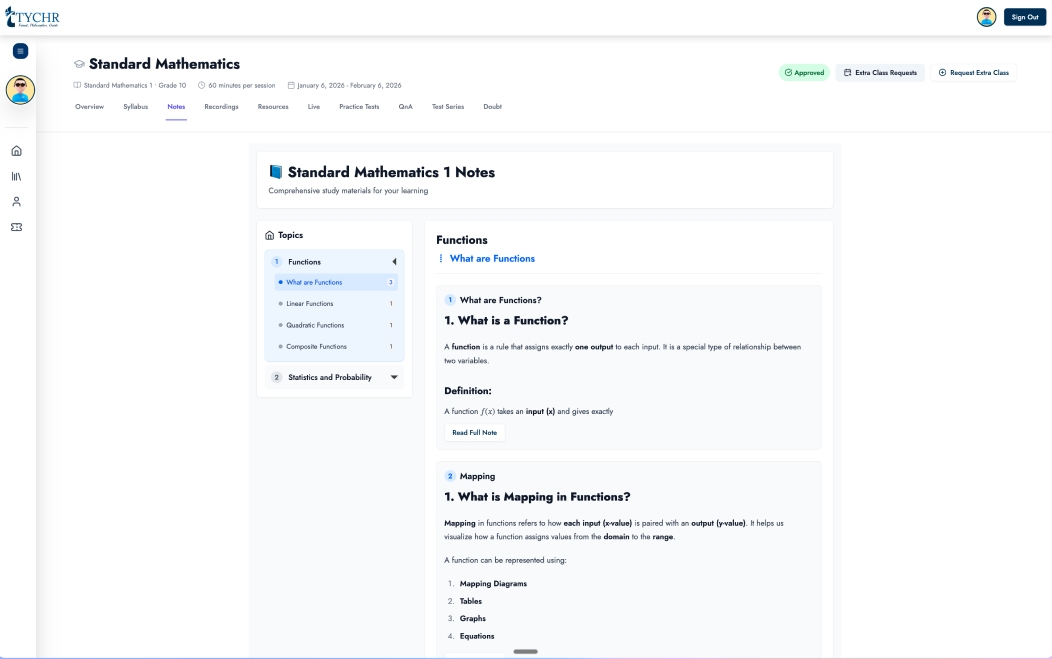
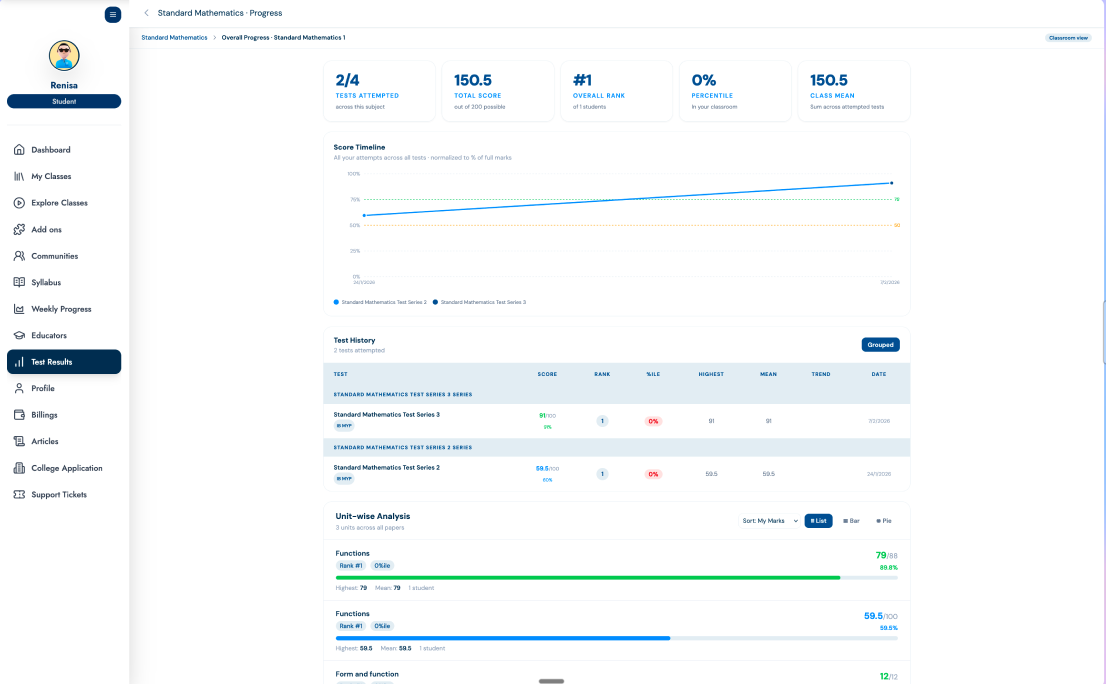
Explore our learning system
A platform designed around how students actually learn — adaptive, intuitive, and always one step ahead.




5000+
Students enrolled
100+
Expert tutors
95%
Satisfaction rate
70+
Countries reached
What Is AP Human Geography?

Course Length
Full academic year
September – May
Exam Date
Early May
Annually
Exam Duration
2 Hours 15 Minutes
Total exam time
Exam Structure
Two Sections, Equal Weight
Section I
60 Multiple Choice Questions
60 min · 50% of score
Section II
3 Free Response Questions
75 min · 50% of score
Multiple Choice (MCQ)
60 questions in 60 minutes, worth 50% of the total score. Focuses on spatial relationships, geographic models, and interpreting maps, charts, and data. Requires quick application of concepts to various world regions.
Free Response (FRQ)
3 questions in 75 minutes, worth 50% of the total score. Requires synthesizing concepts across different units and applying them to real-world scenarios. Strong emphasis on explaining 'why' and 'where' patterns occur.
Tools & Strategy
Calculators are not permitted. Success relies on deep knowledge of geographic models (e.g., Demographic Transition Model, Von Thünen), vocabulary mastery, and the ability to link cultural, economic, and political phenomena.
AP Human Geography Syllabus
Unit-by-Unit Breakdown
Thinking Geographically
- Maps and data
- Geographic concepts
- Spatial analysis
Population & Migration Patterns
- Population distribution
- Demographic Transition Model
- Migration flows
Cultural Patterns & Processes
- Language and religion
- Cultural landscapes
- Diffusion processes
Political Patterns & Processes
- States and nations
- Boundaries
- Political power and governance
Agriculture & Land-Use Patterns
- Agricultural origins
- Von Thünen Model
- Modern agriculture
Cities & Urban Land-Use Patterns
- Urbanization
- Urban models
- Infrastructure and challenges
Industrial & Economic Development
- Development measures
- Economic theories
- Trade and globalization
Geographic Foundations (Units 1–2)
Spatial Analysis & Cultural Processes
The SCALE Framework
We drill the SCALE approach (Spatial, Context, Analysis, Location, Evaluation) so students can interpret any geographic model or data visual, ensuring they link local impacts to global processes for full rubric points.
Model Mastery Strategy
For core geographic models (DTM, Gravity Model, Urban Models), we focus on the transition from 'what' the model shows to 'why' it applies to specific world regions, the exact zone where high-level analysis scores are won.
Thinking Geographically
Population & Migration
Cultural Patterns

Political Geography (Unit 3)
Coaching for Flawless Political Analysis

Political Units
States, nations, nation-states, and stateless nations. We teach students how to identify political legitimacy and describe the challenges of sovereignty.
Territoriality
Boundaries, frontiers, and territorial waters. Mastering how boundaries influence national identity and conflict is a frequent FRQ differentiator.
Supranationalism & Devolution
Tracking power shifts to international bodies or subnational groups. We emphasize identifying forces of fragmentation versus integration.
Sovereignty
Centrifugal Forces
Centripetal Forces
Gerrymandering
Mastering the Core Distinctions
The conceptual gaps between a state vs. nation, and supranationalism vs. devolution dictate your understanding of global power dynamics. These subtle nuances regarding sovereignty and territoriality are heavily targeted in both MCQ and FRQ sections. We drill students using scenario-based practice profiles until they can confidently classify political entities, isolate geopolitical tensions, and justify any custom territorial framework in under 60 seconds.
Agriculture & Urban Land Use
Concepts & Practice
Agriculture Systems
Land Use Models
Urban Patterns

Master Geographic Models for FRQs
Analysis of agricultural and urban models is essential for FRQs. Our tutors focus on precise spatial reasoning and connecting model theory to real-world regional examples.
Economic Development & Globalization
Development Metrics & Global Economic Patterns
Development Theory
Global Patterns

Economic Indicators
GNI, GDP per capita, and HDI
Rostow’s Stages
Modernization model analysis
World Systems Theory
Core, semi-periphery, and periphery
Globalization
Transnational corporations and trade
Sustainable Development
UN Goals and environmental impact
Women in Development
GII and social empowerment metrics
AP Human Geography Free Response Questions
FRQ Strategies for Maximizing Rubric Points
6 Questions in 90 Minutes (50% of Score)
FRQs are where the exam is won or lost. Precise vocabulary is mandatory.
Rubric Maximization Rules
Build a Chain of Reasoning
AP Human Geography FRQs require 'explain' or 'describe' tasks. Students must provide a logical chain of reasoning. If the prompt asks for an explanation of a pattern, start with the 'what' and explicitly state the 'why' (process) behind the geographic phenomenon.
Use Concrete Geographic Examples
Generalities are penalized. For every concept—whether it's the DTM, Urban Models, or Agricultural zones—you must pair it with a specific case study or geographic location to demonstrate mastery and secure full credit.
Integrate Stimulus Evidence
FRQs often include maps, data tables, or population pyramids. Do not ignore them. Integrate evidence from the provided stimulus directly into your answer to substantiate your claims.
Consider Spatial Scale
Geography is about scale. Be explicit when describing a phenomenon: Is it happening at the local, national, or global level? Recognizing how processes vary by scale is a frequent differentiator for high-scoring responses.
Structure by FRQ Prompts
Structure your answers using the labels provided in the FRQ (e.g., A, B, C, D). This keeps your writing focused, ensures you don't miss a required part of the prompt, and makes it easier for the reader to award points.
Why Precise FRQ Language Matters
The College Board rubric demands precise terminology. Using 'site' (the absolute physical location) when you mean 'situation' (the location relative to other places) is a common error that undermines the geographical argument. Trained students use exact terminology: 'While the site of Singapore is a small island, its situation at the Malacca Strait makes it a critical global trade node.' We drill these distinctions until they are automatic.
Writing "confusing 'site' with 'situation'" instead of "use specific terms: site (absolute location) vs. situation (relative location)".
Calculator Skills for AP Human Geography
Core Analysis & Terms
Essential Geographic Concepts
Site
Absolute physical location of a place
Situation
Relative location of a place to others
Diffusion
Spread of ideas/culture over space
Scale
Relationship of a portion to the whole
Sustainability
Resource use meeting present/future needs
Urbanization
Increase in population living in cities
Globalization
Integration of markets and cultures
Devolution
Transfer of power to lower levels
Use Geographic Terms
Always use specific terminology like 'agglomeration,' 'centrifugal force,' or 'scale' to secure rubric points.
Practice Pacing
The MCQ section is rapid; practice map and chart analysis to save time for complex FRQ writing.
Connect to Models
Don't just describe a phenomenon; link it to a formal geographic model (e.g., DTM, Von Thünen).
AP Human Geography Multiple Choice
Tips & Timed Practice
60 Questions • 60 Minutes
Average 1 minute per question • Worth 50% of exam score
Analyze Stimuli First
Examine maps, charts, or diagrams before reading the question.
Eliminate Distractors
Cross out options that contain factually incorrect geographic data.
Connect to Models
Identify which geographic model (e.g., DTM, Urban Model) the stimulus relates to.
Check Geographic Scale
Verify if the question asks for local, regional, or global patterns.
Manage Time
Don't spend more than 60 seconds per question given the high volume.
Skip & Return
Flag complex map-based questions and return to them at the end.
Common Topics
- •Interpreting thematic maps
- •Applying demographic models
- •Identifying diffusion patterns
- •Analyzing urban land-use models
- •Comparing global development indicators
Practice Approach
Weeks 1-4
Untimed practice by geographic unit
Weeks 5-8
Mixed untimed practice and stimulus analysis
Weeks 9-12
Full 60-question timed tests
Our tutors provide official College Board practice materials and teach time-tested strategies
One-to-One vs Group Tutoring
AP Human Geography Sessions
One-to-One
- ✓Personalized pacing through all 9 units
- ✓Focus on your weak areas (probability, inference, etc.)
- ✓Flexible scheduling around your calendar
- ✓Individual FRQ review and feedback
- ✓Custom practice problem sets
Group Sessions
- ✓Learn with 3-4 students at similar level
- ✓Cost-effective exam preparation
- ✓Collaborative problem-solving
- ✓Structured curriculum coverage
- ✓Group practice test reviews
Tutor Profiles Subject Experts
Meet our highly qualified tutors with proven track records of student success.
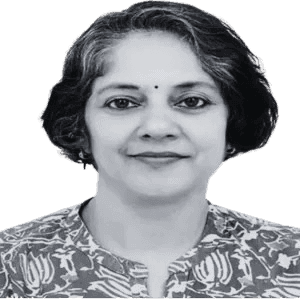
Sreevidya KG
MSc in Chemistry with a Bachelor’s in Education, IB training, and Google certification.
20 Years
Experience
1500+
Students
5
Rating
Over 20 years of experience teaching Chemistry across IBDP, IGCSE, and AS/A Level curricula, including extensive international online tutoring.
Personalized IB tutoring with concept-focused learning approach.

Sandeep Nehra
IB Physics – Category 2 Certified | IBDP • IGCSE • AS/A Level • AP • AQA Physics
10+ Years
Experience
1200+
Students
4.9
Rating
An experienced IBDP and international Physics educator with over 10 years of multi-curriculum teaching experience across IBDP, IGCSE, AS/A Level, AP, and AQA.
Personalized IB tutoring with concept-focused learning approach.

Anjali Nayan Mistry
BA (Psychology), DELF B1 (French), B2.2 Alliance Française
11+ Years
Experience
1000+
Students
5
Rating
Have 11 years of experience teaching international curricula, including IB French B (SL & HL), French Ab Initio, AP Psychology, and IGCSE French, across leading IB and Cambridge schools.
Personalized IB tutoring with concept-focused learning approach.

Anish Chauhan
IB DP Physics • IGCSE Physics • Cambridge AS/A Level Physics | Former Academic Head
15 Years
Experience
1100+
Students
5
Rating
15+ years teaching IB DP, IGCSE, and Cambridge AS/A Level Physics
Achievements
Personalized IB tutoring with concept-focused learning approach.

Prem Raj Kumar
B.Sc. Computer Science | IB Educator Certificates | Google Certified Trainer
8+ Years
Experience
700+
Students
5
Rating
An experienced IB Computer Science educator specializing in Mathematics, ICT, and Computer Science across IB MYP, IBDP, IGCSE, AP, and A Level.
Personalized IB tutoring with concept-focused learning approach.
Grade Improvements — AP Score Results
From Students
ett
ett
Practice Tests & Past Exam Resources
Human Geography Materials
Official Practice Tests
15+- ✓ Released College Board exams
- ✓ Scored answer keys
- ✓ Topic breakdowns
FRQ Bank
200+- ✓ Organized by unit
- ✓ Scoring rubrics
- ✓ Sample responses
Multiple Choice
500+- ✓ Unit quizzes
- ✓ Mixed practice
- ✓ Timed tests
Calculator Guides
25+- ✓ TI-84 tutorials
- ✓ Function walkthroughs
- ✓ Quick reference

All Resources Included Free
Every tutoring student gets unlimited access to our complete Human Geography resource library
What students say
“I was scoring a 2 on AP Chemistry practice tests in January. By May I had a 5. Pooja ma'am focus on the FRQ rubric was the thing that made the biggest difference, I'd never understood how strictly it was marked.”

Amasha
Chemistry
“Prannoy sir helped me go from a 3 to a 5 in AP Calculus BC. The sessions were intense but the way he broke down FRQ justification was completely different from what my school taught. I finally understood what 'show your work' actually means for College Board”

Jiya
Calculus BC
Frequently Asked Questions
Everything About IB Human Geography Tutoring
Our tutors use real-world mapping exercises and conceptual breakdowns to help students visualize core geographic models—such as Burgess urban zones, von Thünen's agricultural land use, and demographic transition stages.
Yes, we teach students how to read and interpret population pyramids, fertility rates, migration data, and thematic maps to quickly extract trends required for exam questions.
We conduct targeted drills on past FRQs, teaching students how to analyze complex geographic scenarios, maps, or data sets and write concise, evidence-backed explanations using correct disciplinary vocabulary.
Absolutely. Our lessons map directly to the College Board's framework, covering everything from political geography and urban organization to agricultural patterns and industrial development.
Yes, we explore how language diffusion, religion, and ethnicity manifest physically across global landscapes, helping students understand the cultural forces shaping our modern world.
We use contextual case studies, thematic concept mapping, and active recall drills to ensure students can instantly differentiate and correctly apply terms like 'sequent occupance,' 'gentrification,' and 'devolution.'
Book Your AP Human Geography Tutor Today
Start with a Free Trial Session
Book Free Trial
Choose your preferred time slot
Meet Your Tutor
Get matched with Human Geography expert
Start Improving
Begin your personalized prep plan
No credit card required • No commitment • 100% satisfaction guarantee
1000+
Students Taught
4.8
Average Score
89%
Score 4 or 5
200+
Expert Tutors