Expert AP Environmental Sciences Tutors Online score 5/5 with Tychr
AP Environmental Sciences is one of the most intellectually demanding AP courses. Mastering its core methodologies and executing precise FRQ arguments require deliberate, expert-led structure practice.

GULIA
5/5

TANISHA
5/5

ADAA
5/5

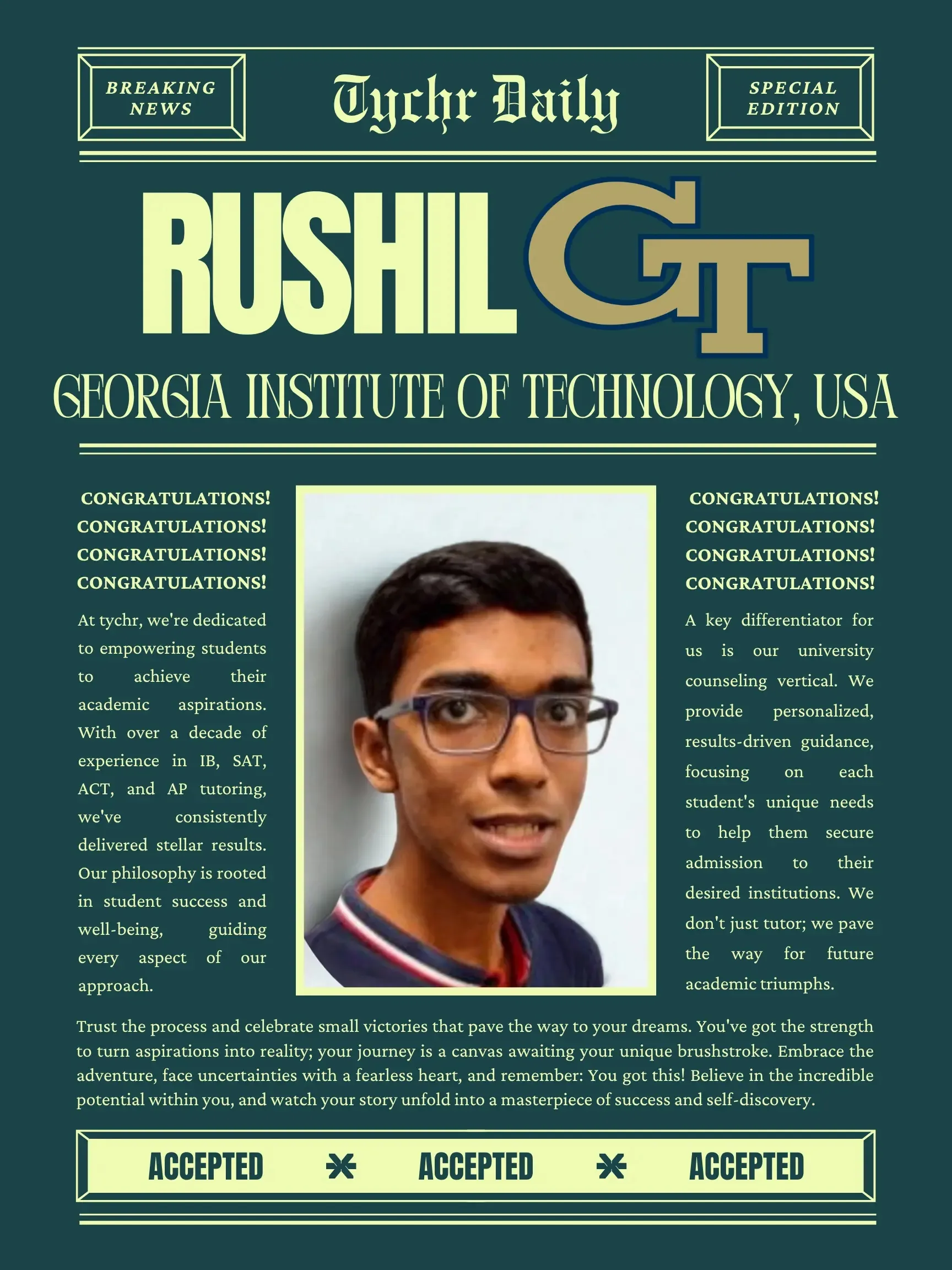
RUSHIL
5/5

ESHAAN
5/5

VISHAAL
5/5
Start your journey with the right guidance.
Your information is kept private and never shared with third parties.
92%
Students score a 5/5
+1.8
Average score improvement
22+
AP subjects covered
4.9★
Average tutor rating
94% of Graduates Secure Admissions into the Top 50 Global Universities
Meet the brilliant minds who transformed their testing potential into world-class AP scores and elite Ivy League academic portfolios.
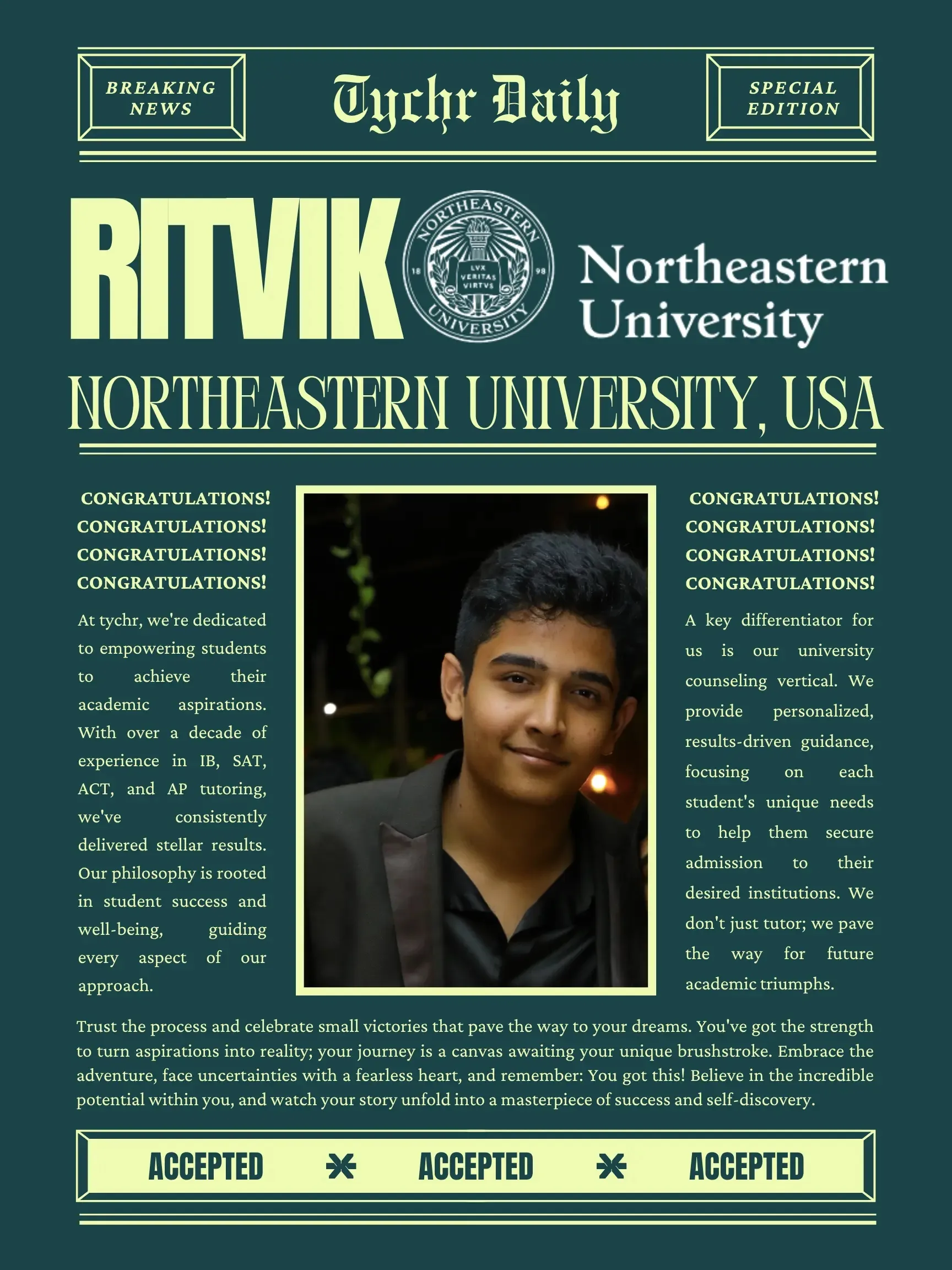

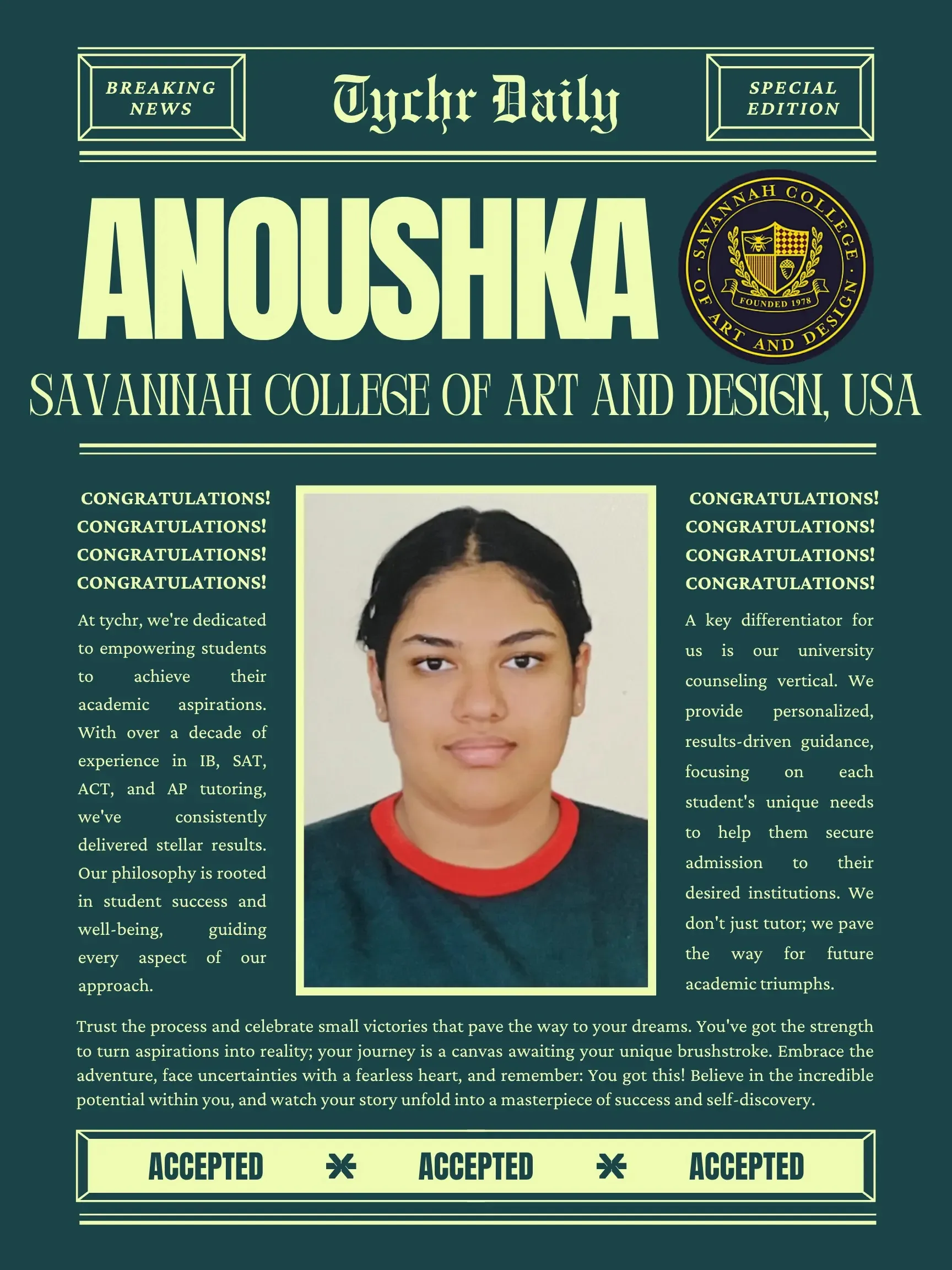
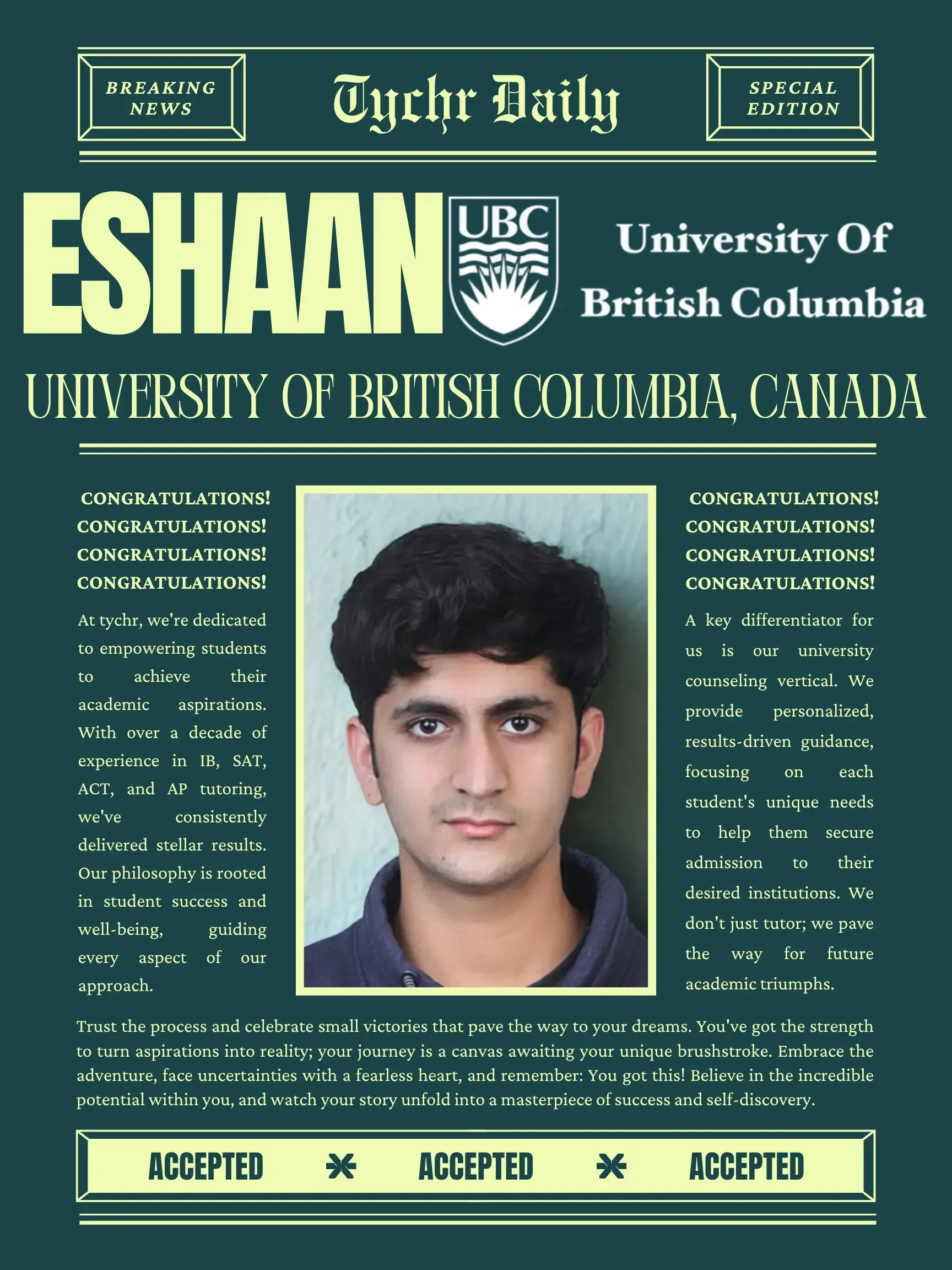
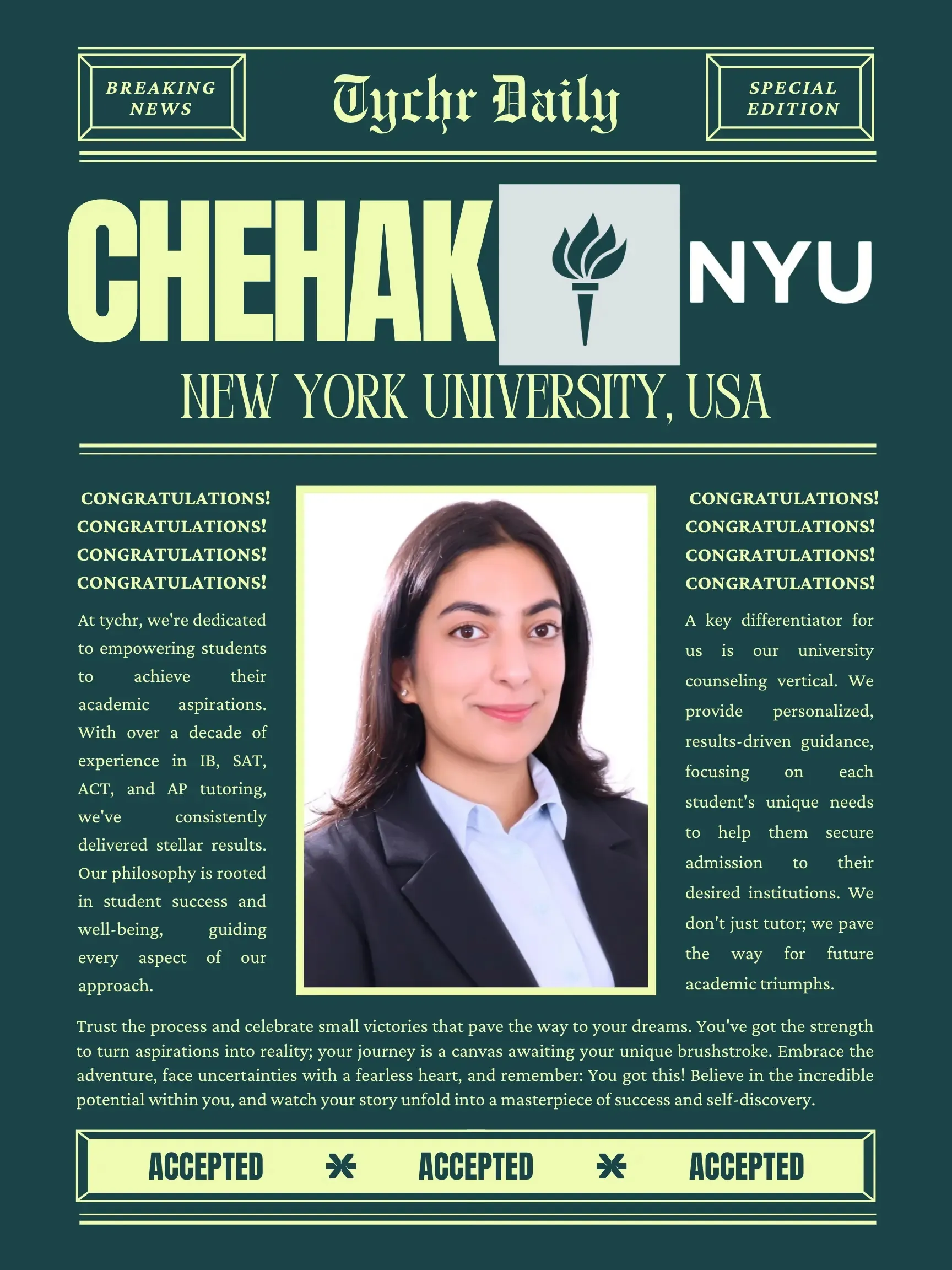
Start your journey with the right guidance.
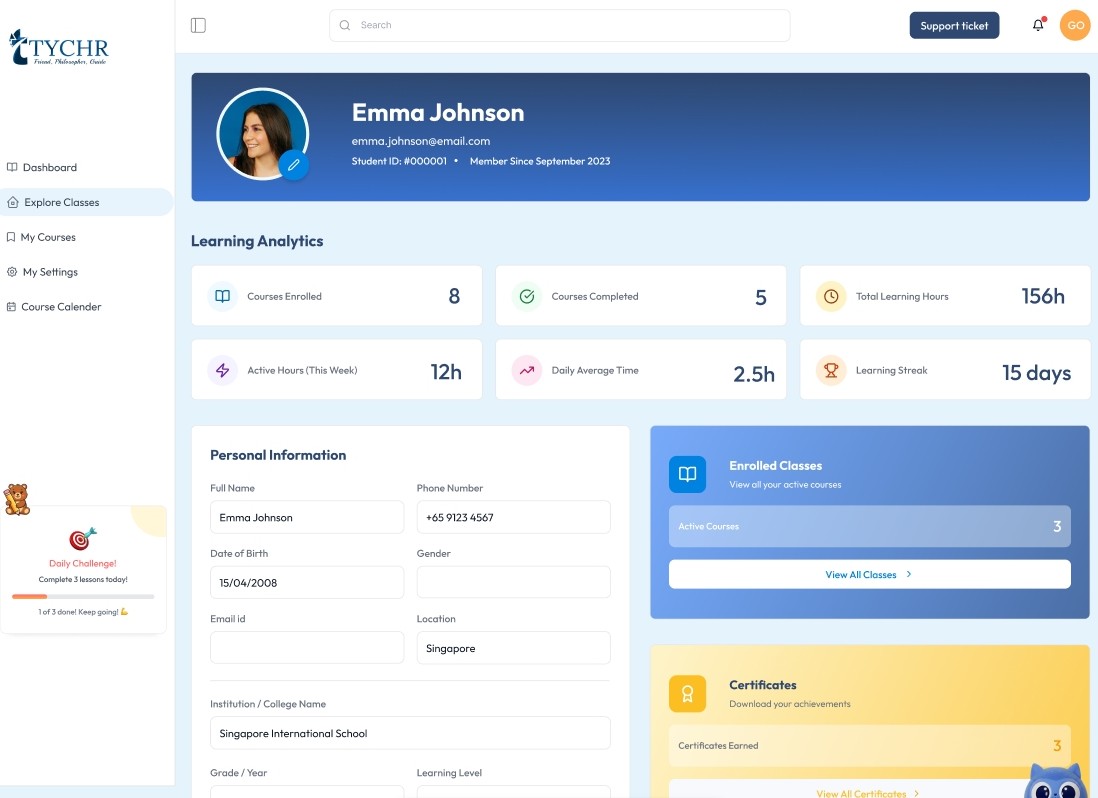
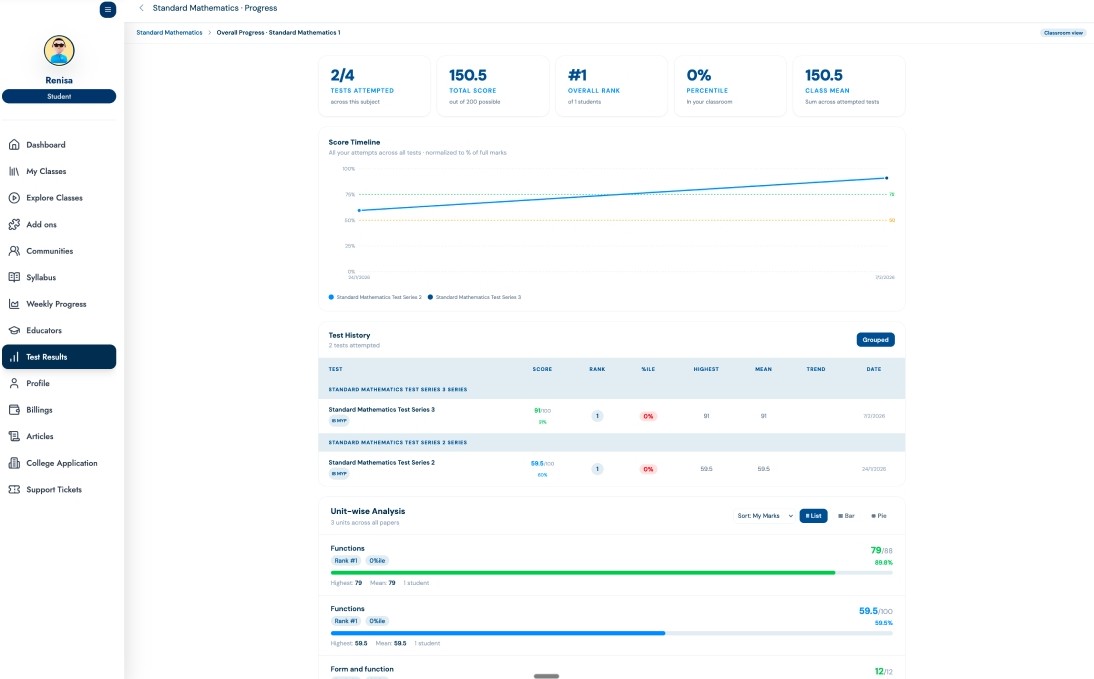
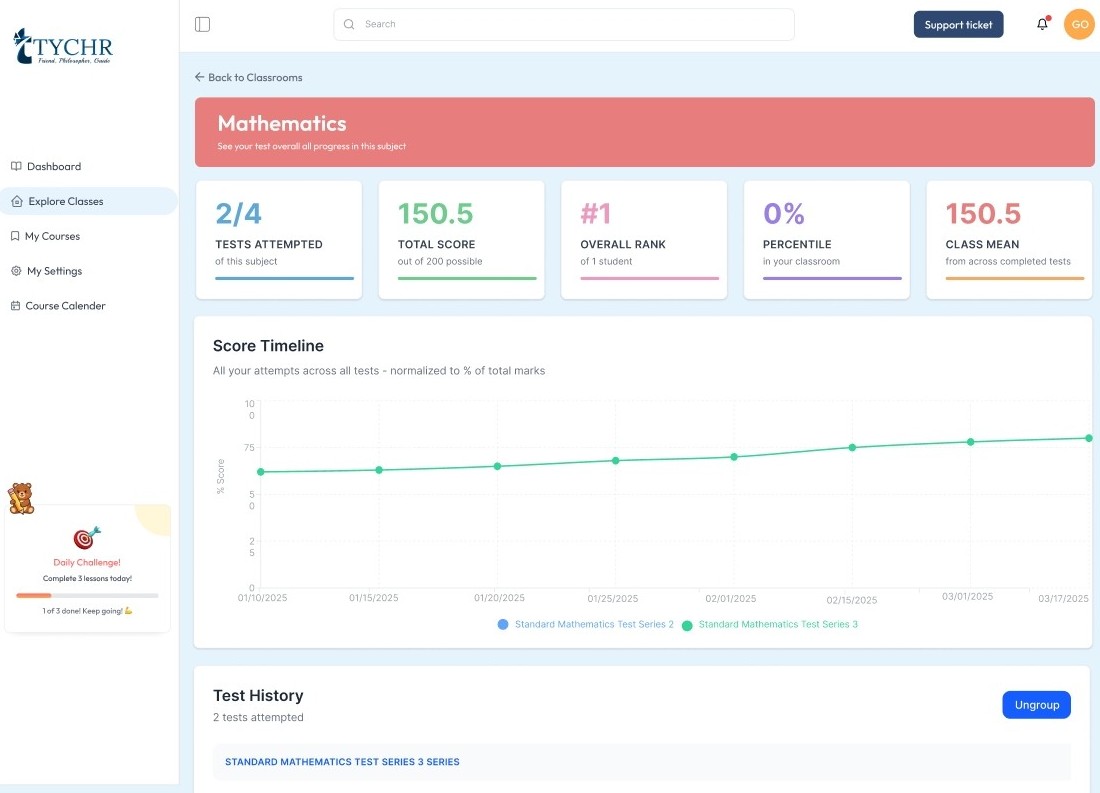
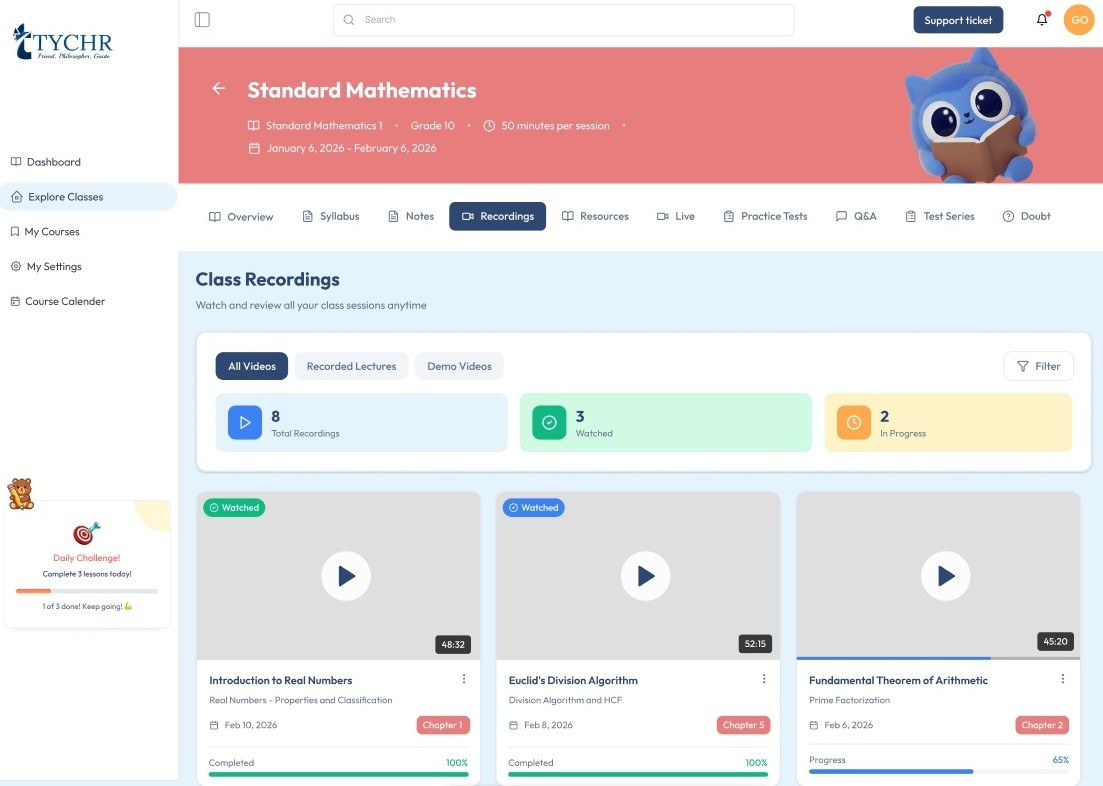
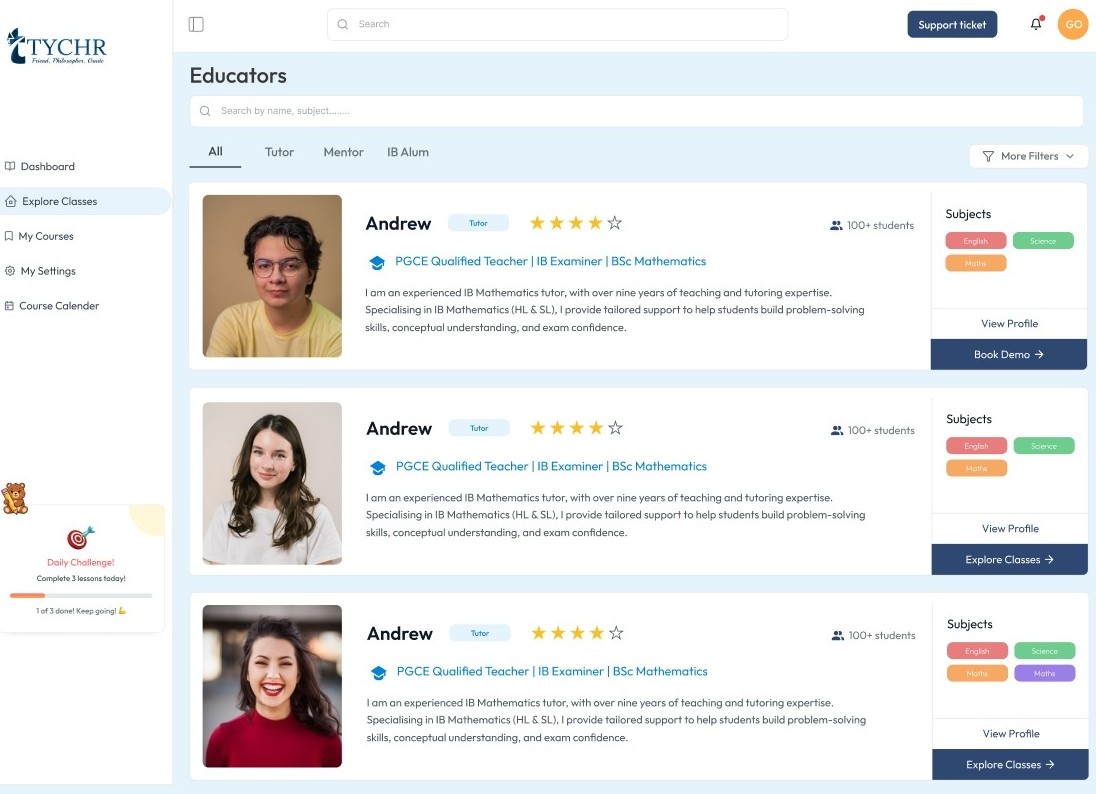
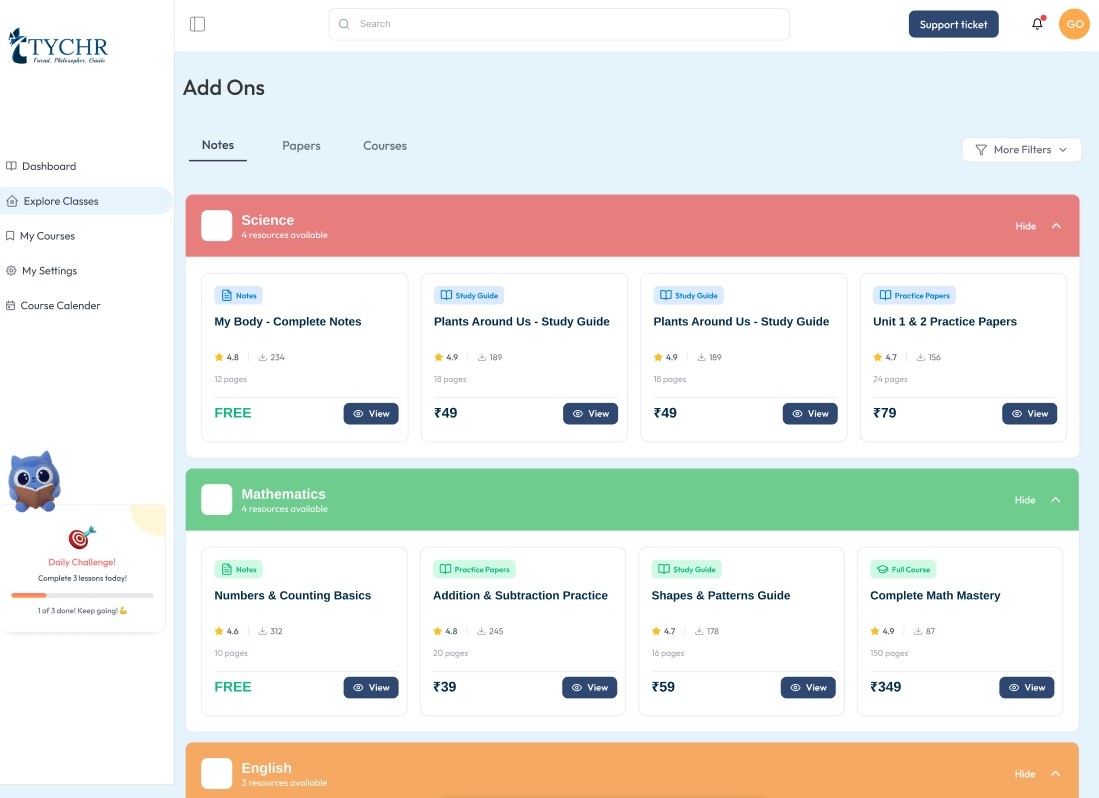
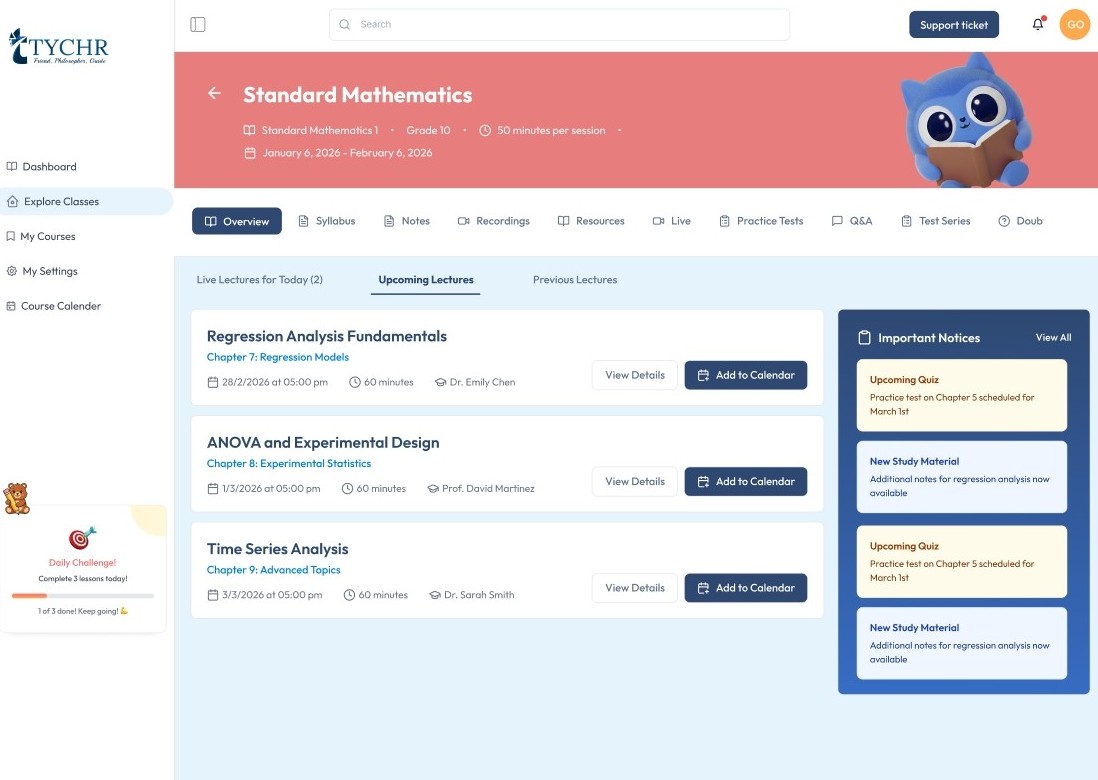
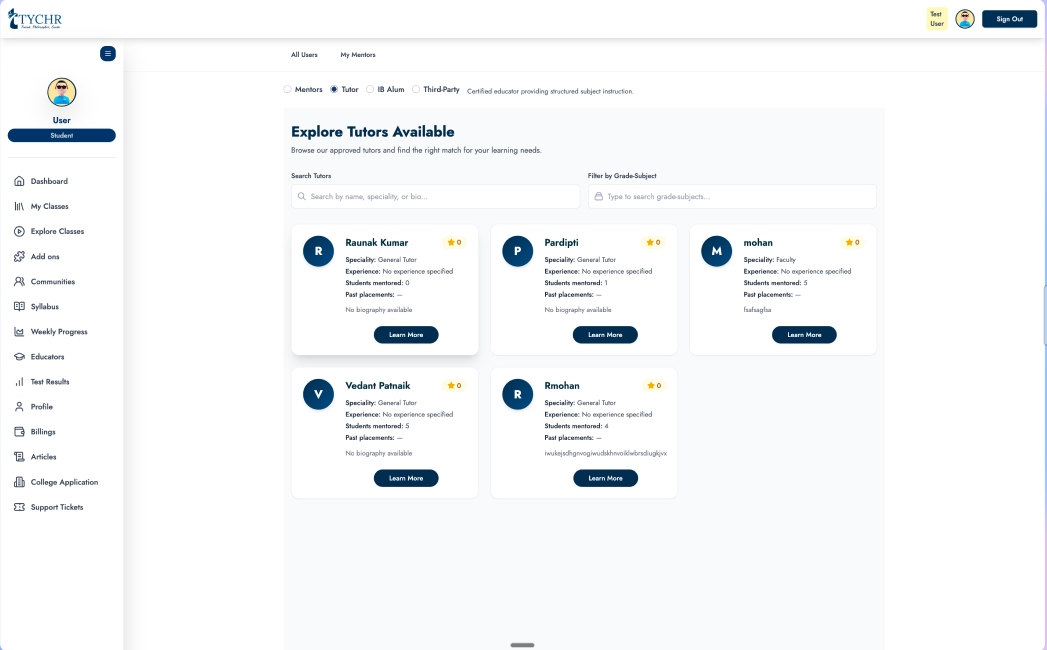
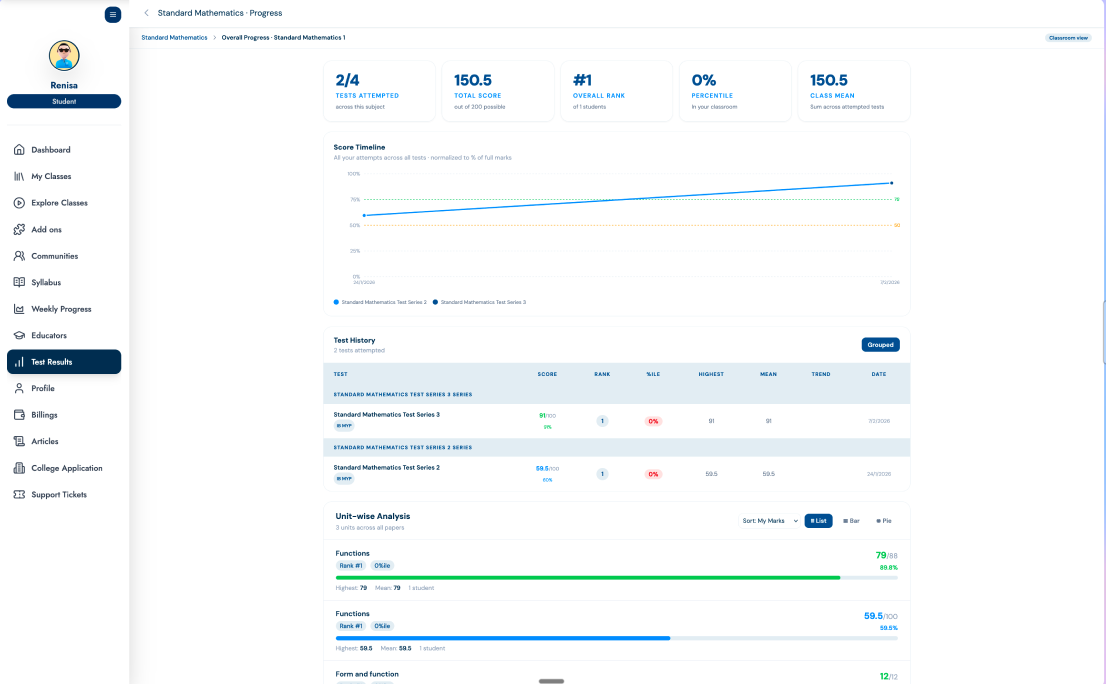
Explore our learning system
A platform designed around how students actually learn — adaptive, intuitive, and always one step ahead.
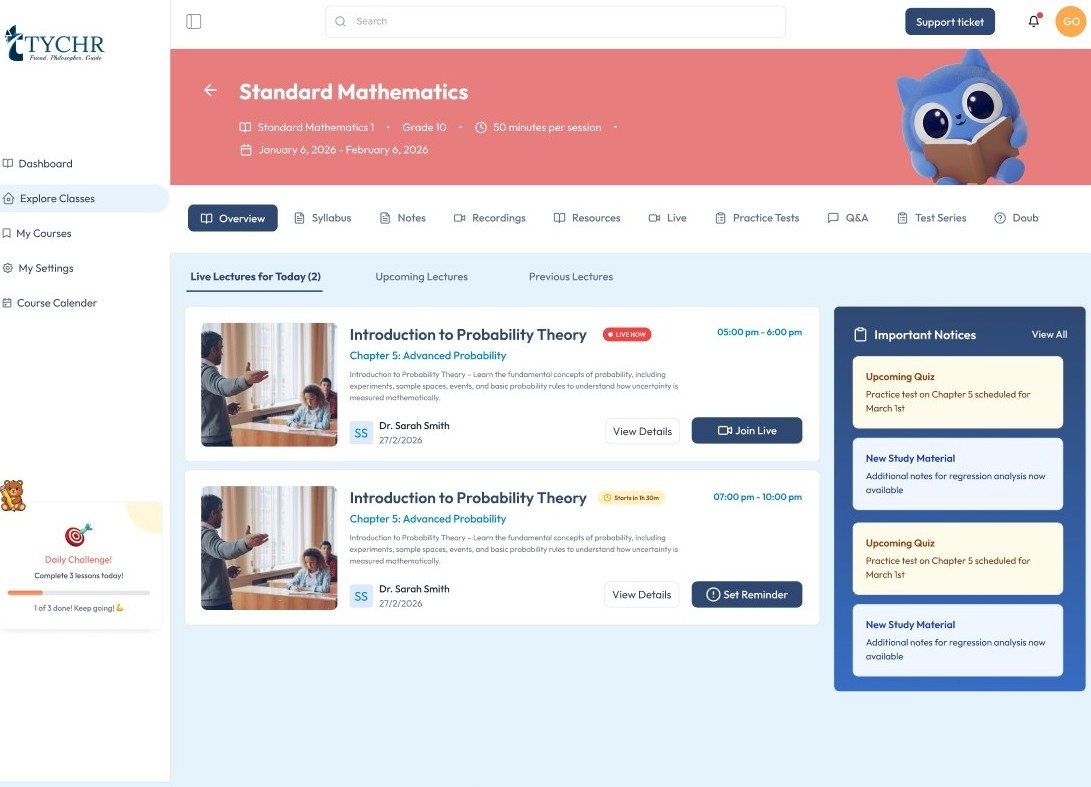

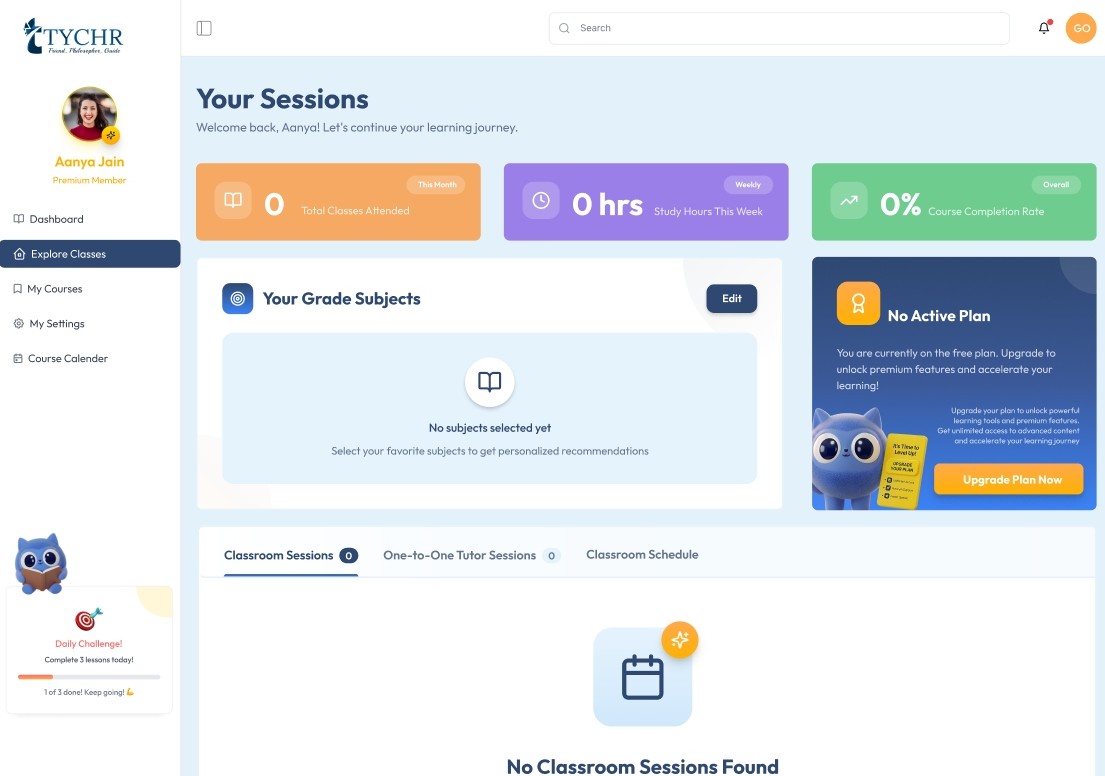
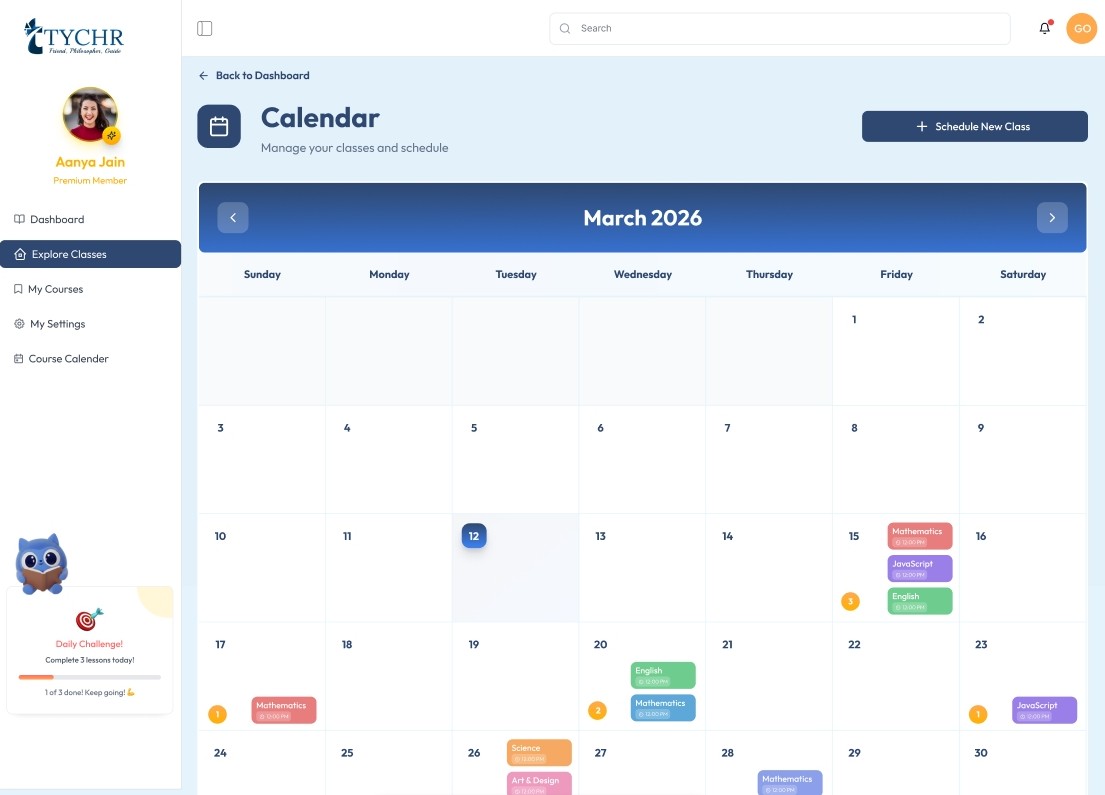
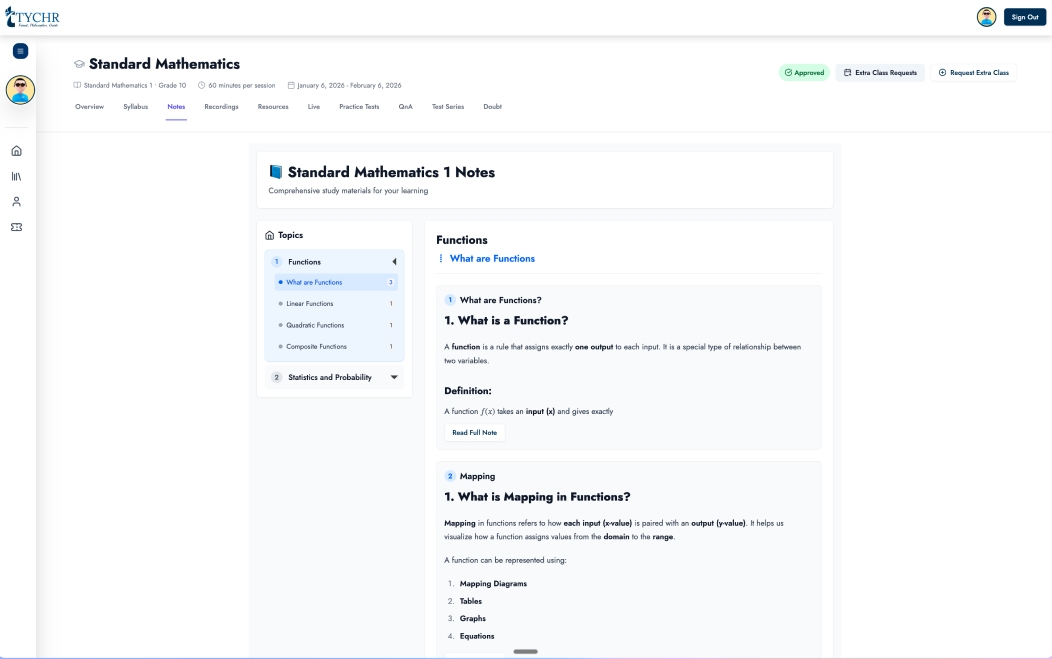
5000+
Students enrolled
100+
Expert tutors
95%
Satisfaction rate
70+
Countries reached
What Is AP Environmental Science?

Course Length
Full academic year
September – May
Exam Date
Early May
Annually
Exam Duration
2 Hours 40 Minutes
Total exam time
Exam Structure
Two Sections, Equal Weight
Section I
80 Multiple Choice Questions
90 min · 50% of score
Section II
3 Free Response Questions
70 min · 50% of score
Multiple Choice (MCQ)
80 questions in 90 minutes, worth 50% of the total score. Covers all nine units including ecosystem dynamics, land use, and energy resources. Includes individual and set-based questions requiring data and stimulus analysis.
Free Response (FRQ)
3 questions in 70 minutes, worth 50% of the total score. Focuses on scientific principles, analyzing environmental problems, and proposing evidence-based solutions. One question requires quantitative analysis and calculations.
Tools & Math Skills
A four-function, scientific, or graphing calculator is permitted on the entire exam. Mastery of dimensional analysis and environmental math (e.g., population growth rates, half-life) is essential for success.
AP Environmental Science Syllabus
Unit-by-Unit Breakdown
The Living World: Ecosystems
- Ecosystem structure
- Energy flow
- Ecosystem diversity
The Living World: Biodiversity
- Ecosystem services
- Island biogeography
- Ecological tolerance
Populations
- Generalist/specialist species
- Survivorship curves
- Population growth
Earth Systems and Resources
- Plate tectonics
- Soil formation
- Atmospheric structure
Land and Water Use
- Agriculture
- Mining
- Urbanization
Energy Resources and Consumption
- Renewable energy
- Fossil fuels
- Energy conservation
Atmospheric Pollution
- Photochemical smog
- Acid rain
- Indoor air pollutants
Aquatic and Terrestrial Pollution
- Eutrophication
- Bioaccumulation
- Waste management
Global Change
- Stratospheric ozone
- Global climate change
- Loss of biodiversity
Ecosystems & Populations (Units 1–2)
Scientific Principles & Resource Analysis
The CAUSE Framework
We drill the CAUSE framework (Concept, Analysis, Utility, Solution, Evidence) so students can construct argumentative FRQ responses that link environmental problems to evidence-based policy solutions.
Quantitative Strategy
For units on population and energy, we zero in on mastering dimensional analysis and calculating rates of change—the exact zones where full points are awarded for demonstrating clear mathematical reasoning.
Ecosystem Dynamics
Population Ecology
Pollution & Policy

Earth Systems & Resources (Unit 3)
Coaching for Flawless Systems Analysis

Geological Dynamics
Plate boundaries, rock cycle, and soil formation. We teach students how to identify specific physical processes and describe their environmental consequences flawlessly.
Atmospheric Systems
Composition, stratification, and circulation. Mastering the relationship between solar radiation, latitude, and climate is a frequent FRQ differentiator.
Resource Management
Tracking sustainable vs. finite resources. We emphasize identifying human-driven depletion and why long-term ecological balance requires careful resource stewardship.
Plate Tectonics
Soil Horizons
Atmospheric Layers
Global Wind Patterns
Mastering the Core Cycles
The conceptual interplay between plate tectonics, soil dynamics, and atmospheric circulation dictates your understanding of Earth's resources. These interconnected processes are heavily targeted in both MCQ and FRQ sections. We drill students using scenario-based practice profiles until they can confidently analyze environmental systems, isolate anthropogenic impacts, and justify any custom resource management framework in under 60 seconds.
Earth Systems & Resource Use
Concepts & Practice
Earth Systems
Energy Resources
Land & Water Use
Master Systems for FRQs
Earth systems and resource use questions require connecting physical processes to human impacts. Our tutors focus on precise terminology and explaining cause-and-effect relationships clearly.
Pollution & Global Change
Pollution Analysis & Climate Policy
Pollution Analysis
Global Change

Air Pollution
Smog, acid rain, ozone depletion
Water Pollution
Eutrophication, thermal, runoff
Solid Waste
Landfills, recycling, incineration
Climate Change
Carbon cycle, temperature shifts
Biodiversity
Habitat loss, invasive species
Policy Solutions
Regulations and sustainability
AP Environmental Science Free Response Questions
FRQ Strategies for Maximizing Rubric Points
6 Questions in 90 Minutes (50% of Score)
FRQs are where the exam is won or lost. Precise vocabulary is mandatory.
Rubric Maximization Rules
Structure the FRQ Response
Many FRQs ask for a solution to an environmental problem. First, identify the specific impact, then propose a policy or technological solution, and finally, explain the mechanism. Rubrics reward this clear, multi-step cause-and-effect reasoning.
Master Dimensional Analysis
APES math does not require a calculator in some sections, but dimensional analysis is mandatory. Show your conversion factors clearly (e.g., gallons to liters, years to days) to ensure partial credit even if the final calculation is off.
Use Data as Evidence
When asked to analyze a graph or map, do not just describe the trend. Explicitly cite data points from the stimulus (e.g., 'between 1990 and 2000, carbon emissions increased by X units') to provide evidence for your claim.
Apply an Interdisciplinary Lens
Environmental science is interdisciplinary. When asked about a policy or issue, consider the economic, social, and ecological perspectives. Broad, well-supported answers consistently outperform narrow ones.
Design Valid Experiments
The 'Design an Investigation' question is a staple. Ensure you include a clear independent variable, dependent variable, control group, and constant variables. The rubric requires you to explain *why* these components are necessary for validity.
Why Precise FRQ Language Matters
The College Board rubric penalizes students who assume that just because two trends appear on a graph together, one must cause the other. Trained students use nuanced language like 'positive correlation' or 'associated with,' and they identify confounding variables. We drill the difference between identifying an association and proving a causal mechanism until it becomes a habit.
Writing "correlation implies causation" instead of "correlation indicates an association".
Calculator Skills for AP Environmental Science
Math & Quantitative Skills
Essential APES Calculations
Population Growth Rate
Calculation of (Births - Deaths) / Total Population
Doubling Time
The Rule of 70 (70 / annual percentage growth rate)
Half-Life
Calculating remaining material over multiple half-life periods
Energy Efficiency
Output energy divided by input energy multiplied by 100
Per Capita
Dividing a total value (like energy use) by total population
pH Scale
Logarithmic understanding of hydrogen ion concentration changes
Net Primary Productivity
GPP (Gross Primary Productivity) minus Respiration Rate
Metric Conversions
Fluid, weight, and distance conversions for environmental reporting
Master Dimensional Analysis
Show every conversion factor step; many FRQ points are awarded for correct work, even if the final result has a minor calculation error.
Use Data Evidence
When analyzing graphs or charts, cite specific data points (e.g., years, percentages) to justify your observations.
Understand the Rubric
Learn to distinguish between 'identify', 'describe', 'explain', and 'propose'. Each verb type requires a different depth of response.
AP Environmental Science Multiple Choice
Tips & Timed Practice
80 Questions • 90 Minutes
Average 1.1 minutes per question • Worth 50% of exam score
Read Stimuli First
Analyze charts, graphs, and maps before reading question stems
Identify Key Concepts
Look for environmental terms like 'biodiversity', 'feedback loops', or 'sustainability'
Eliminate Distractors
Rule out options that contradict basic ecological or physical laws
Check Units & Scales
Verify units on graphs to avoid misinterpreting quantitative data
Manage Time
Don't spend more than 1 minute per question on average
Skip & Return
Flag long reading passages and return to them after easier questions
Common Topics
- •Interpreting ecological data
- •Identifying human impacts
- •Analyzing environmental policy
- •Calculating population growth
- •Understanding biogeochemical cycles
Practice Approach
Weeks 1-4
Untimed stimulus-based practice by unit
Weeks 5-8
Mixed untimed graph and data analysis
Weeks 9-12
Full 80-question timed mock exams
Our tutors provide official College Board practice materials and teach time-tested strategies
One-to-One vs Group Tutoring
AP Environmental Sciences Sessions
One-to-One
- ✓Personalized pacing through all 9 units
- ✓Focus on your weak areas (probability, inference, etc.)
- ✓Flexible scheduling around your calendar
- ✓Individual FRQ review and feedback
- ✓Custom practice problem sets
Group Sessions
- ✓Learn with 3-4 students at similar level
- ✓Cost-effective exam preparation
- ✓Collaborative problem-solving
- ✓Structured curriculum coverage
- ✓Group practice test reviews
Tutor Profiles Subject Experts
Meet our highly qualified tutors with proven track records of student success.

Sreevidya KG
MSc in Chemistry with a Bachelor’s in Education, IB training, and Google certification.
20 Years
Experience
1500+
Students
5
Rating
Over 20 years of experience teaching Chemistry across IBDP, IGCSE, and AS/A Level curricula, including extensive international online tutoring.
Personalized IB tutoring with concept-focused learning approach.

Sandeep Nehra
IB Physics – Category 2 Certified | IBDP • IGCSE • AS/A Level • AP • AQA Physics
10+ Years
Experience
1200+
Students
4.9
Rating
An experienced IBDP and international Physics educator with over 10 years of multi-curriculum teaching experience across IBDP, IGCSE, AS/A Level, AP, and AQA.
Personalized IB tutoring with concept-focused learning approach.

Anjali Nayan Mistry
BA (Psychology), DELF B1 (French), B2.2 Alliance Française
11+ Years
Experience
1000+
Students
5
Rating
Have 11 years of experience teaching international curricula, including IB French B (SL & HL), French Ab Initio, AP Psychology, and IGCSE French, across leading IB and Cambridge schools.
Personalized IB tutoring with concept-focused learning approach.

Anish Chauhan
IB DP Physics • IGCSE Physics • Cambridge AS/A Level Physics | Former Academic Head
15 Years
Experience
1100+
Students
5
Rating
15+ years teaching IB DP, IGCSE, and Cambridge AS/A Level Physics
Achievements
Personalized IB tutoring with concept-focused learning approach.

Prem Raj Kumar
B.Sc. Computer Science | IB Educator Certificates | Google Certified Trainer
8+ Years
Experience
700+
Students
5
Rating
An experienced IB Computer Science educator specializing in Mathematics, ICT, and Computer Science across IB MYP, IBDP, IGCSE, AP, and A Level.
Personalized IB tutoring with concept-focused learning approach.
Grade Improvements — AP Score Results
From Students
ett
ett
Practice Tests & Past Exam Resources
Environmental Sciences Materials
Official Practice Tests
15+- ✓ Released College Board exams
- ✓ Scored answer keys
- ✓ Topic breakdowns
FRQ Bank
200+- ✓ Organized by unit
- ✓ Scoring rubrics
- ✓ Sample responses
Multiple Choice
500+- ✓ Unit quizzes
- ✓ Mixed practice
- ✓ Timed tests
Calculator Guides
25+- ✓ TI-84 tutorials
- ✓ Function walkthroughs
- ✓ Quick reference

All Resources Included Free
Every tutoring student gets unlimited access to our complete Environmental Sciences resource library
What students say
“I was scoring a 2 on AP Chemistry practice tests in January. By May I had a 5. Pooja ma'am focus on the FRQ rubric was the thing that made the biggest difference, I'd never understood how strictly it was marked.”

Amasha
Chemistry
“Prannoy sir helped me go from a 3 to a 5 in AP Calculus BC. The sessions were intense but the way he broke down FRQ justification was completely different from what my school taught. I finally understood what 'show your work' actually means for College Board”

Jiya
Calculus BC
Frequently Asked Questions
Everything About IB Environmental Sciences Tutoring
Our tutors seamlessly bridge ecology, earth science, economics, and policy, helping students understand how human activities impact complex natural systems and biogeochemical cycles.
Yes, we provide dedicated math workshops covering energy transfer efficiencies, half-lives, population growth rates, and rule-of-70 calculations without relying on a calculator.
We train students on how to propose and justify viable, science-based solutions to real-world environmental problems, ensuring they address economic and ecological trade-offs clearly.
Absolutely. Our lessons comprehensively cover everything from ecosystems and biodiversity to global change and energy resources, matching the official College Board Course and Exam Description (CED).
We use targeted flashcard reviews, case studies, and impact summaries to ensure students can instantly recall key policies like the Clean Air Act, CITES, and NEPA for exam questions.
Book Your AP Environmental Sciences Tutor Today
Start with a Free Trial Session
Book Free Trial
Choose your preferred time slot
Meet Your Tutor
Get matched with Environmental Sciences expert
Start Improving
Begin your personalized prep plan
No credit card required • No commitment • 100% satisfaction guarantee
1000+
Students Taught
4.8
Average Score
89%
Score 4 or 5
200+
Expert Tutors