Expert AP Biology Tutors Online score 5/5 with Tychr
AP Biology is one of the most intellectually demanding AP courses. Mastering its core methodologies and executing precise FRQ arguments require deliberate, expert-led structure practice.

GULIA
5/5

TANISHA
5/5

ADAA
5/5

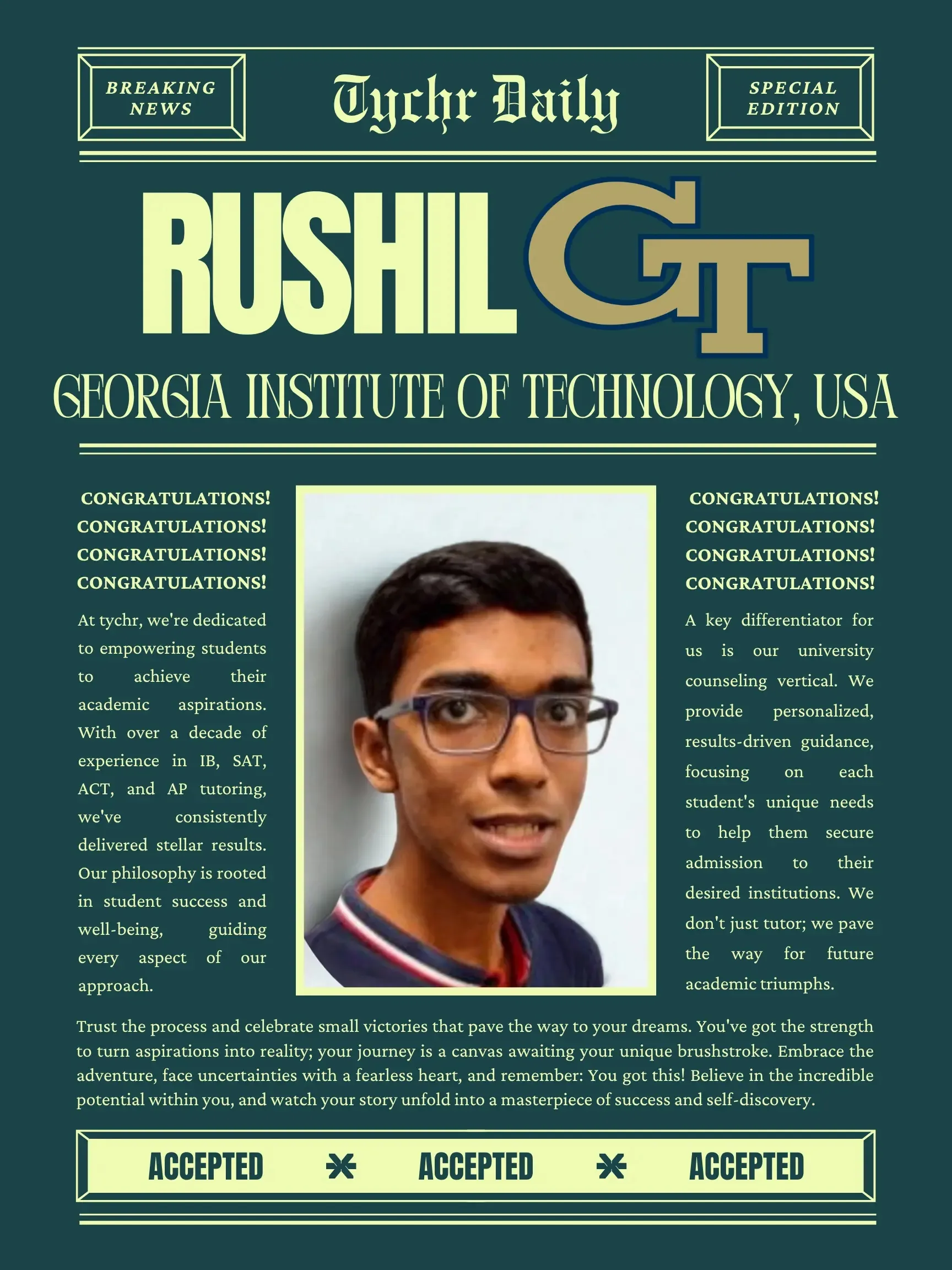
RUSHIL
5/5

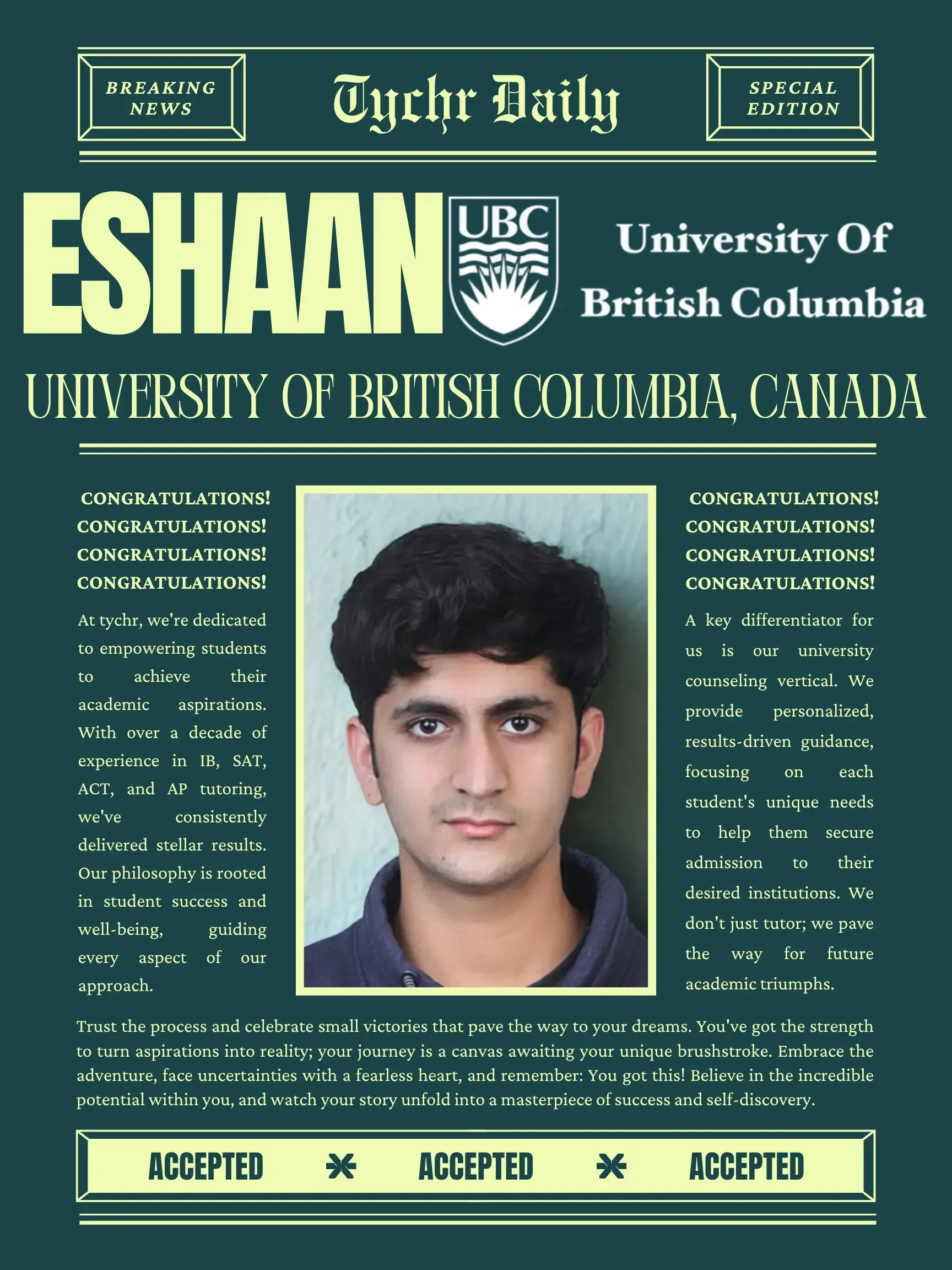
ESHAAN
5/5

VISHAAL
5/5
Start your journey with the right guidance.
Your information is kept private and never shared with third parties.
92%
Students score a 5/5
+1.8
Average score improvement
22+
AP subjects covered
4.9★
Average tutor rating
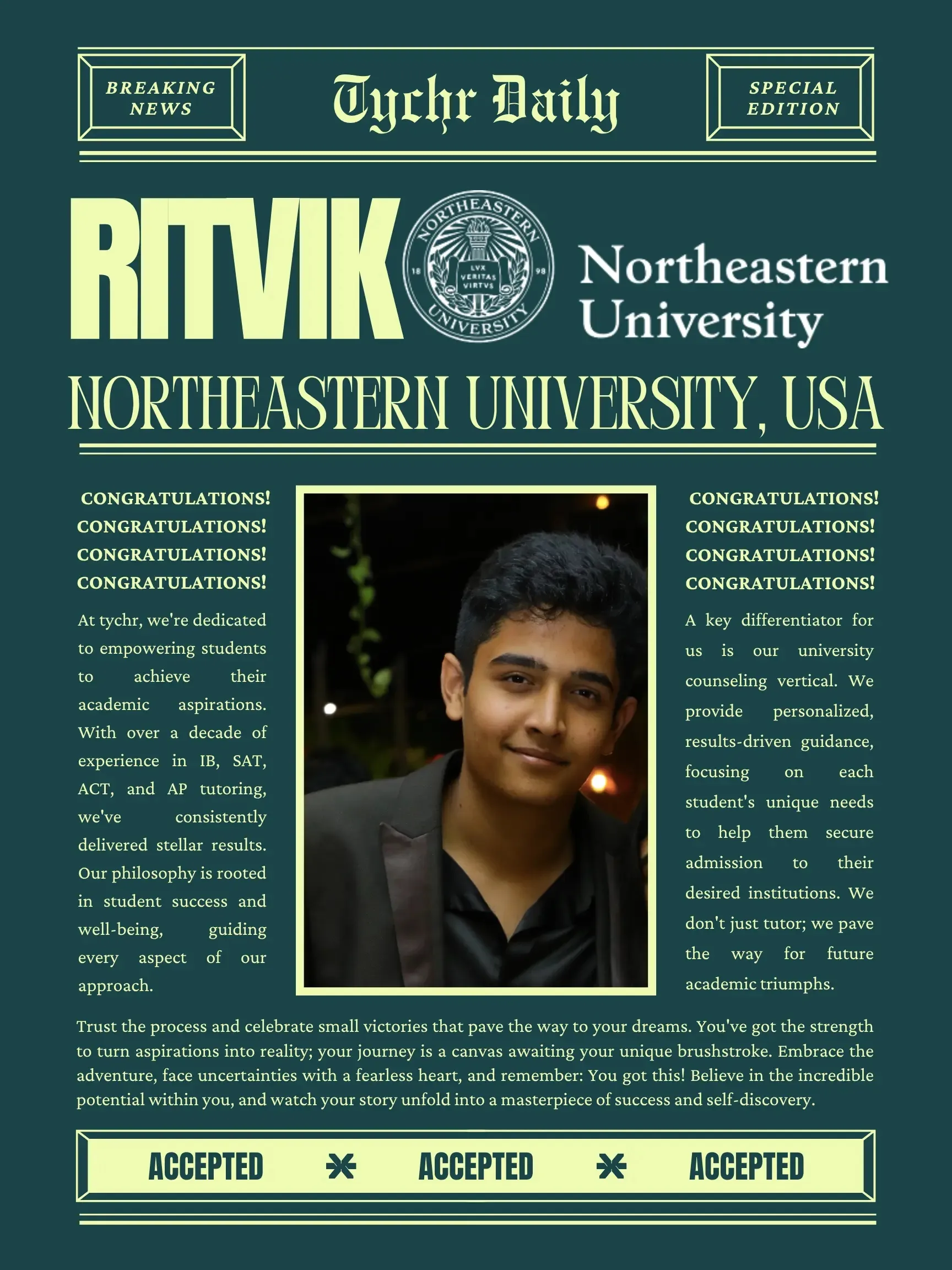
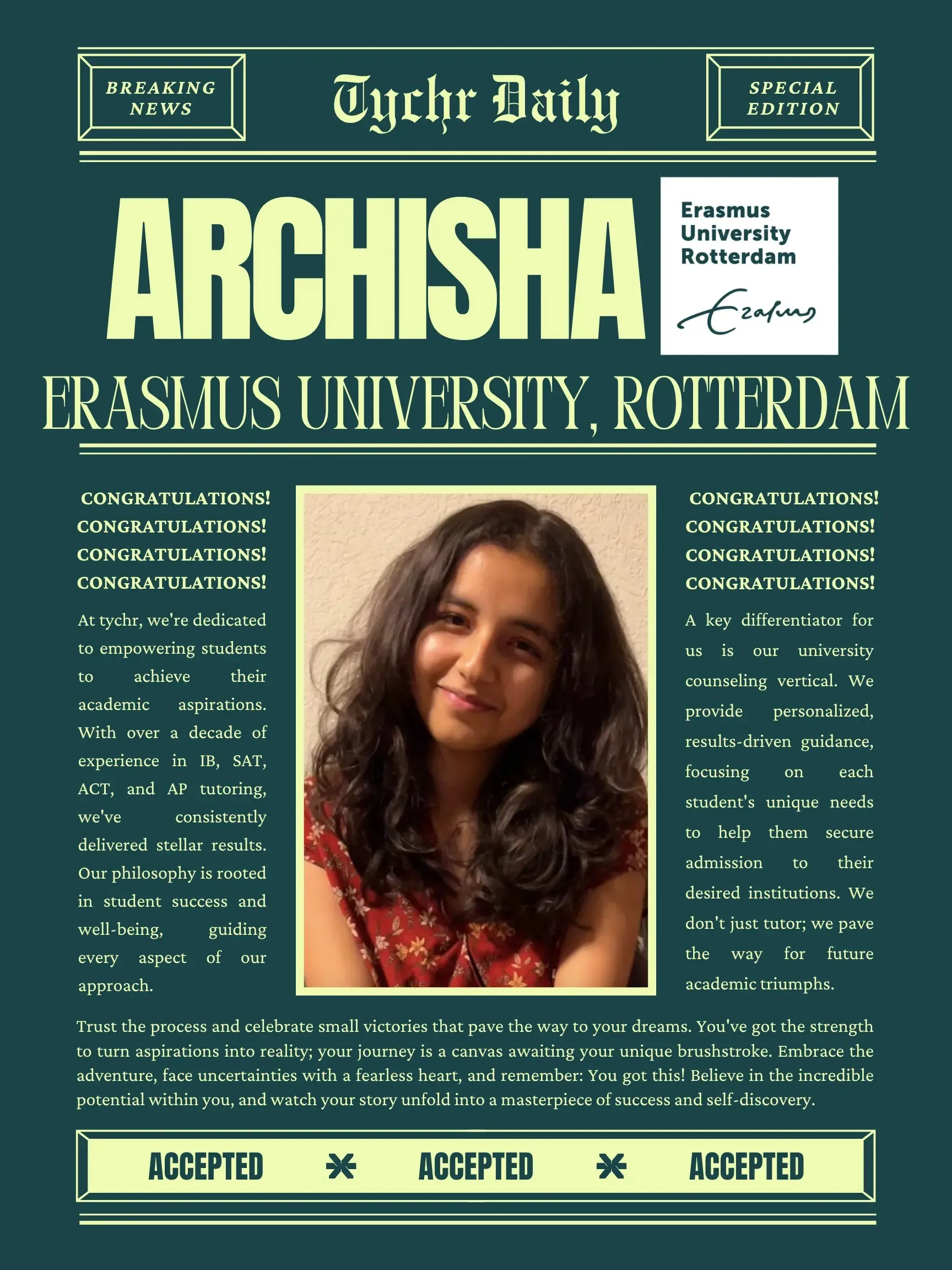
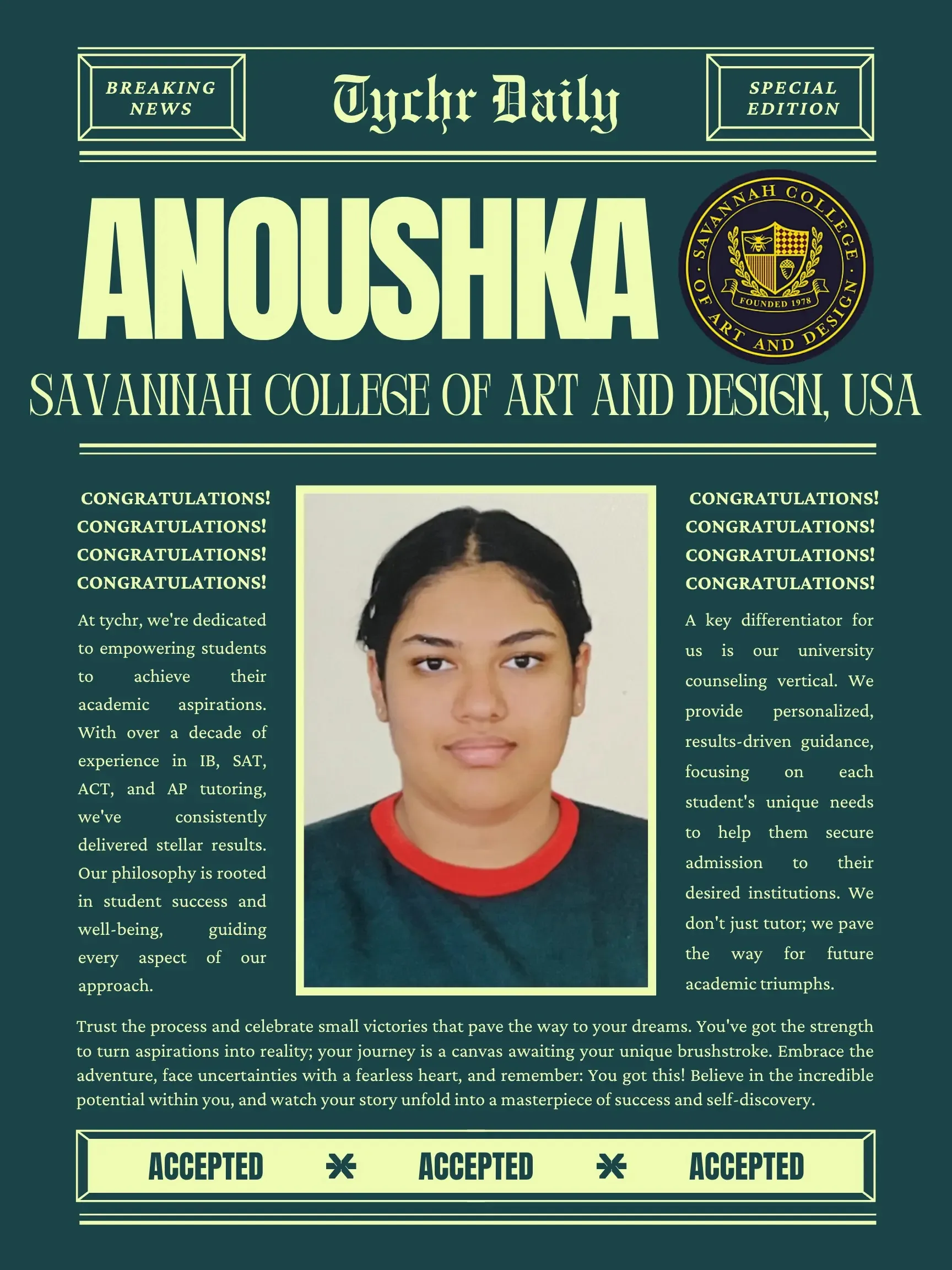
94% of Graduates Secure Admissions into the Top 50 Global Universities
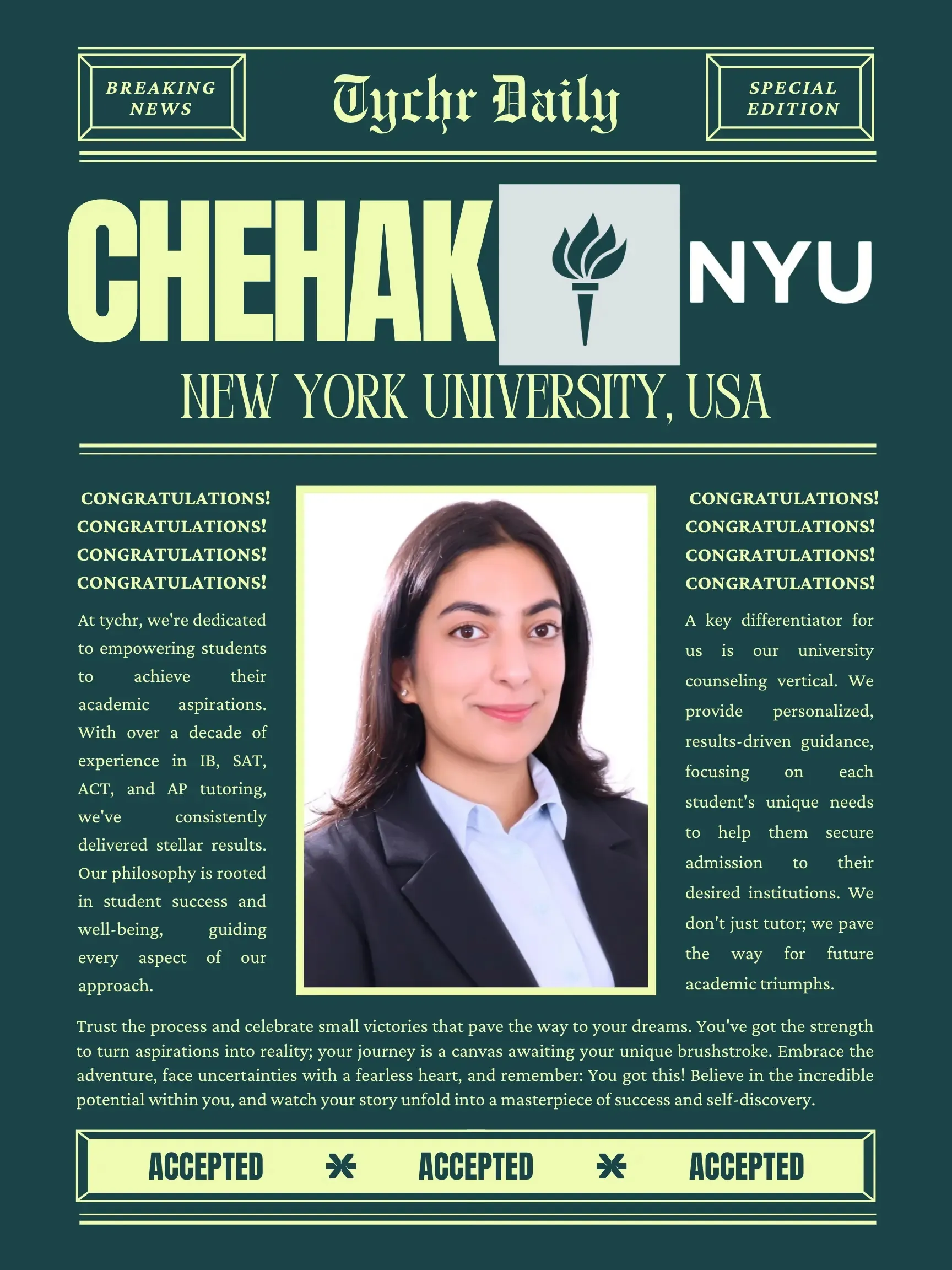
Meet the brilliant minds who transformed their testing potential into world-class AP scores and elite Ivy League academic portfolios.
Start your journey with the right guidance.
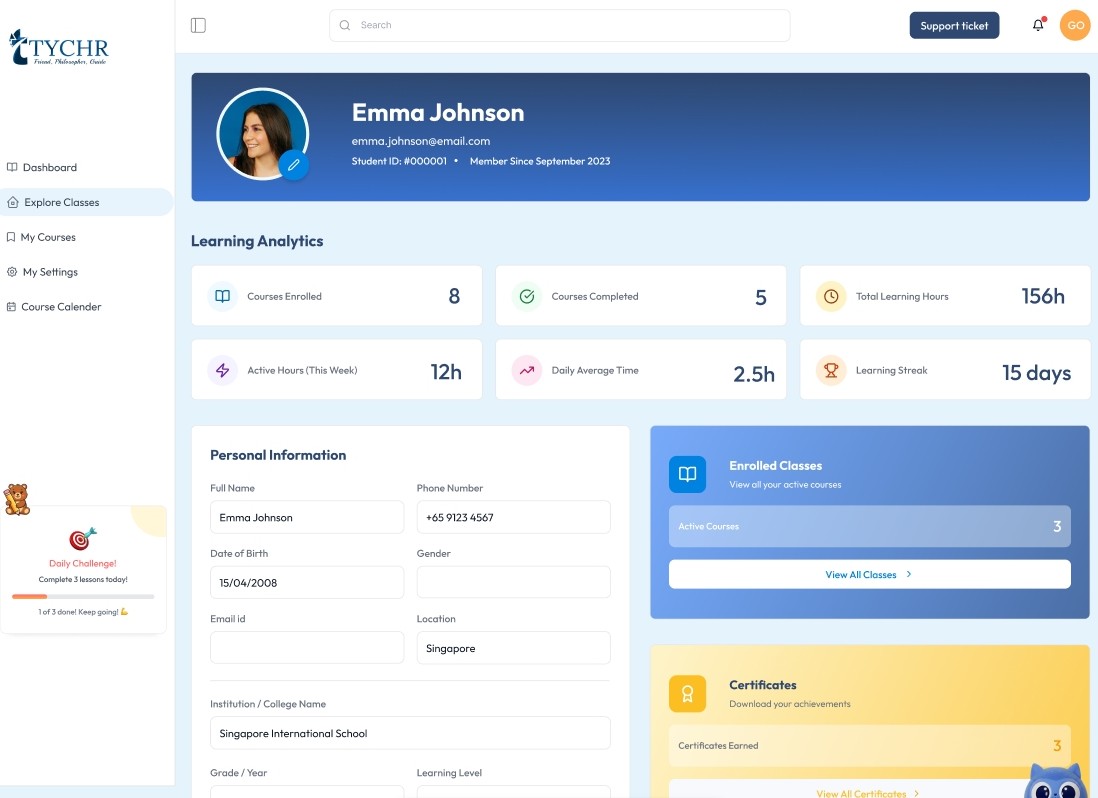
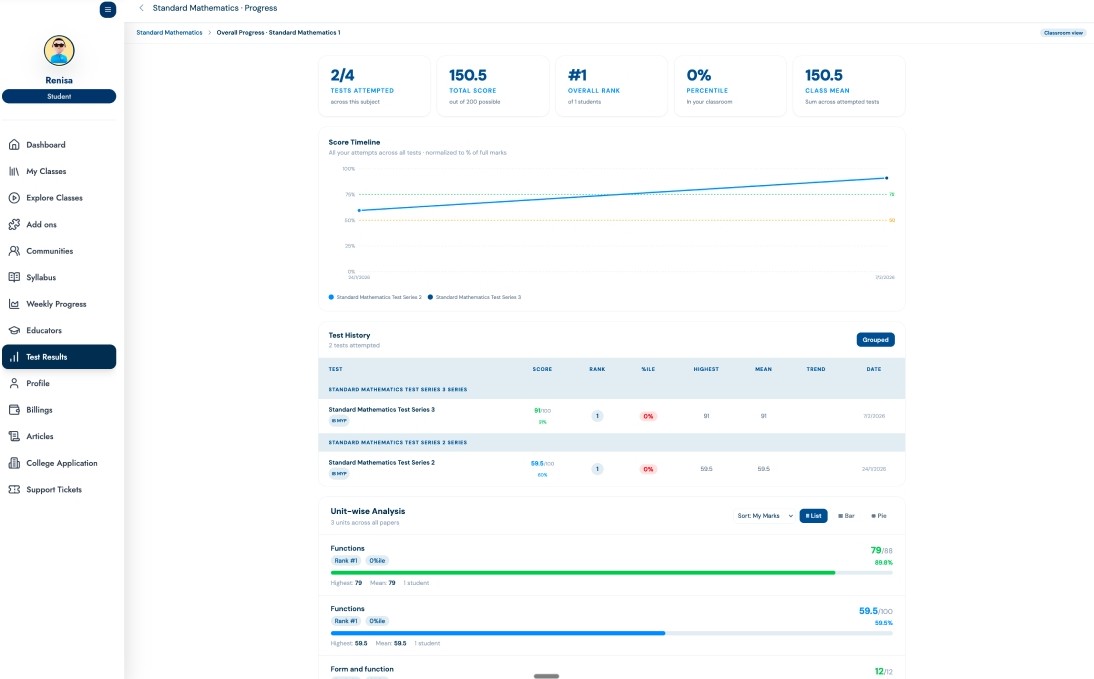
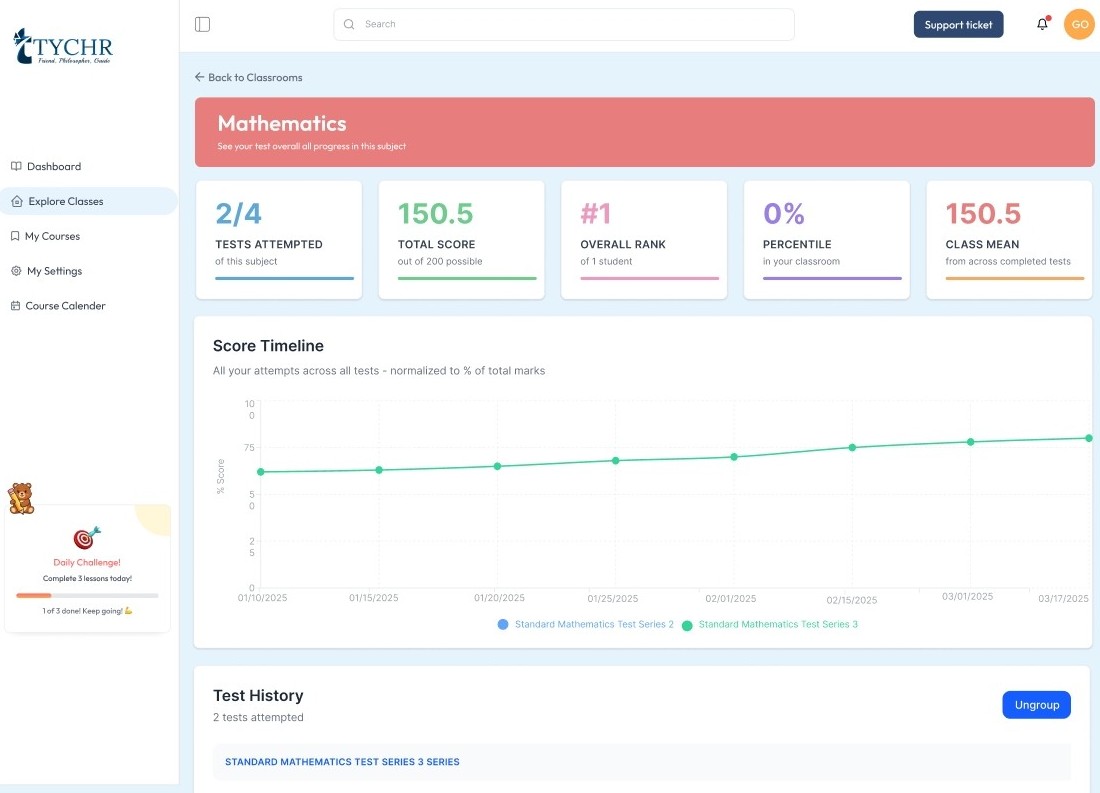
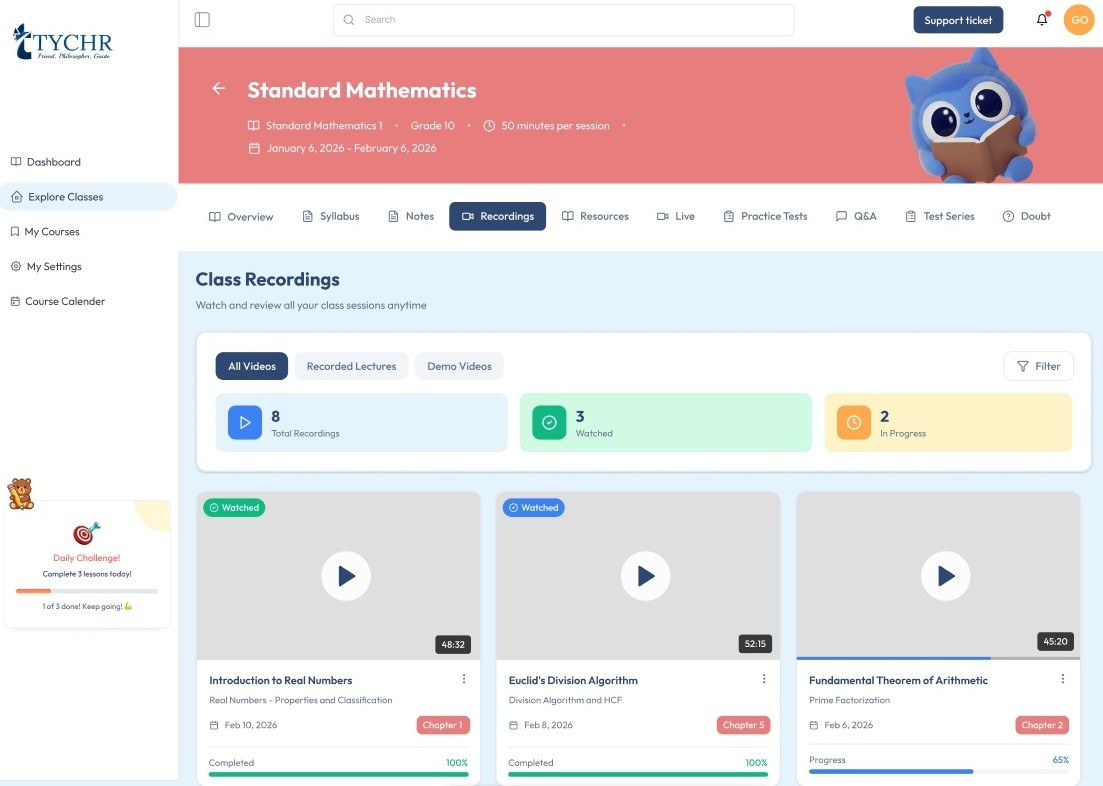
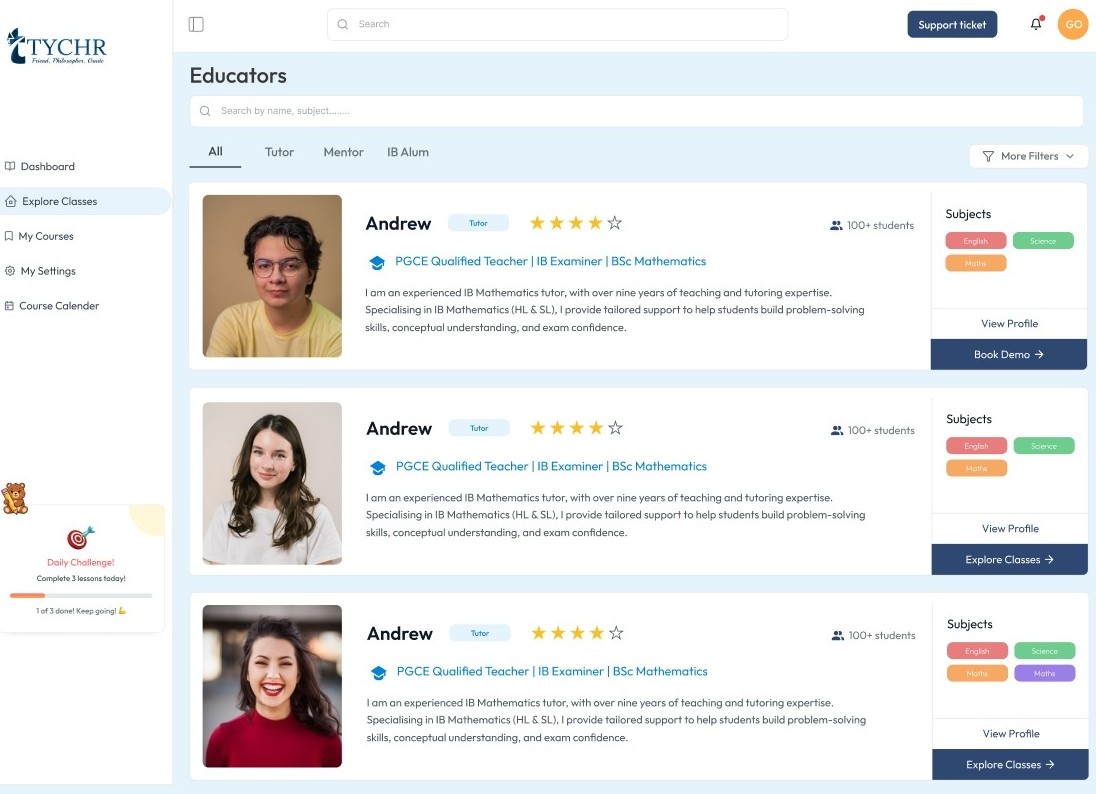
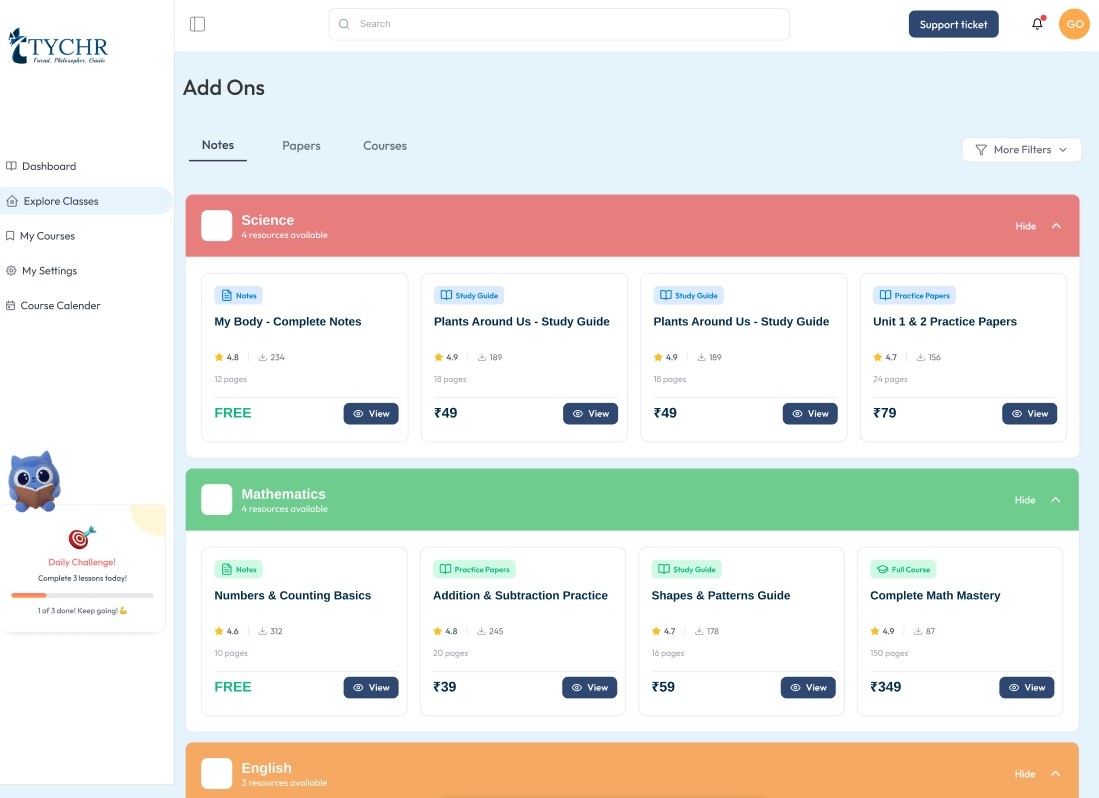
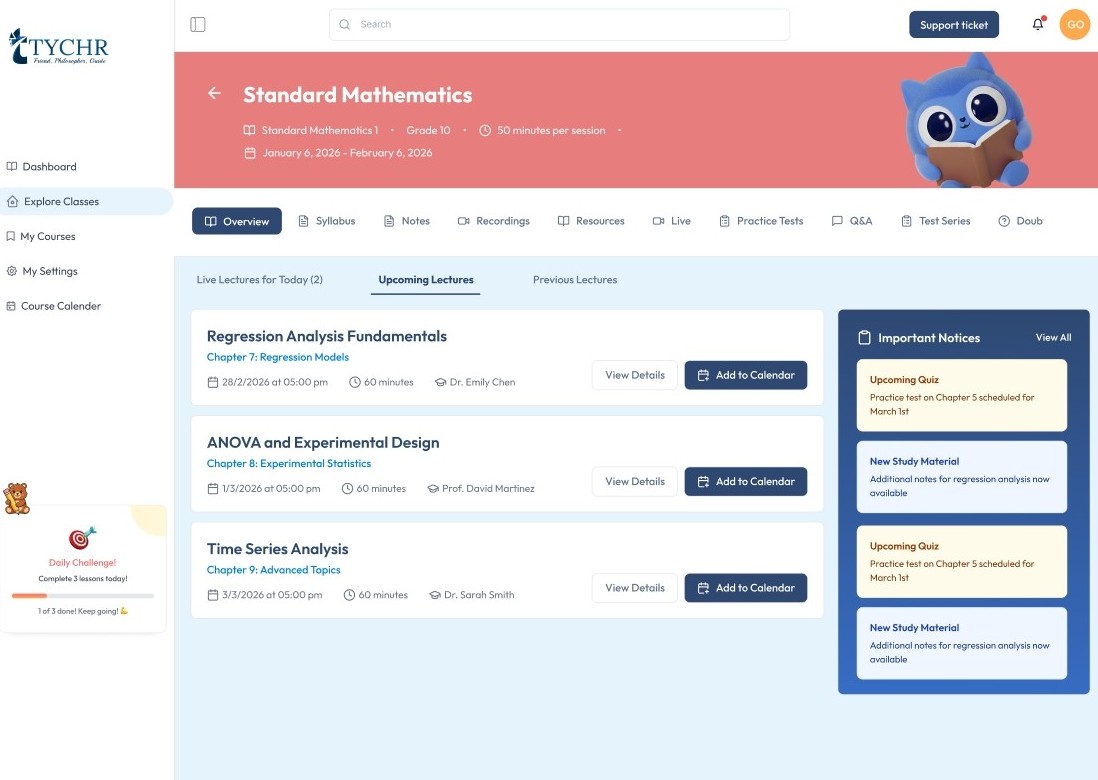
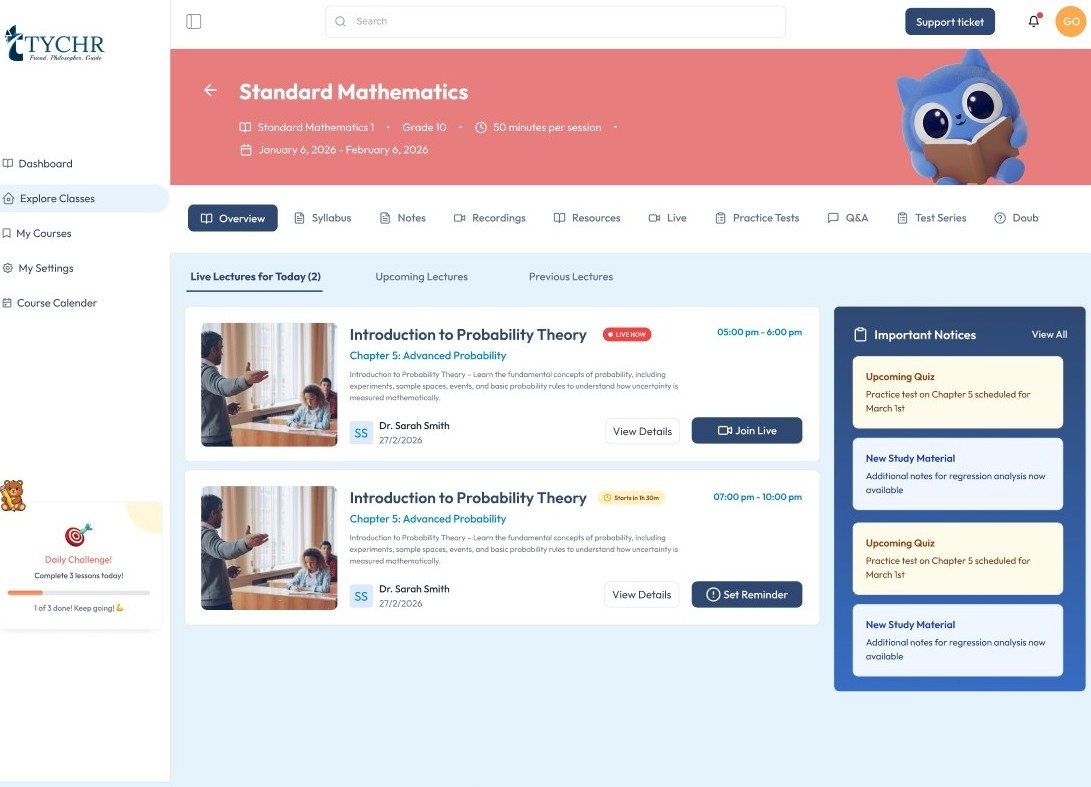
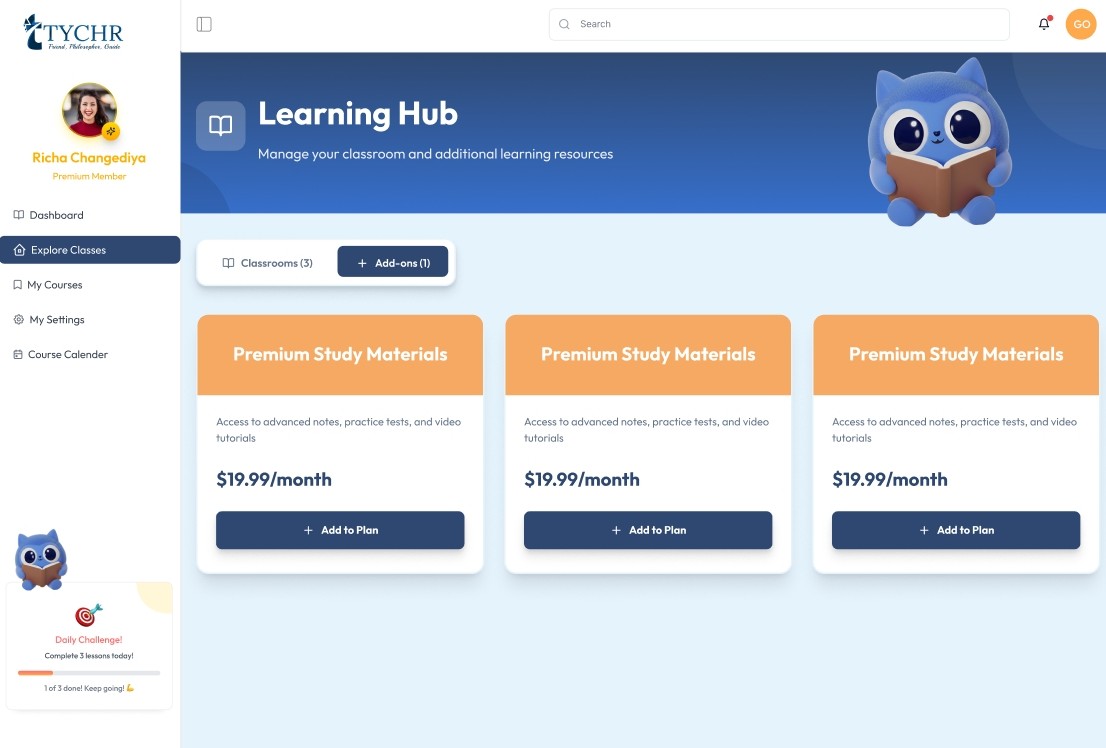
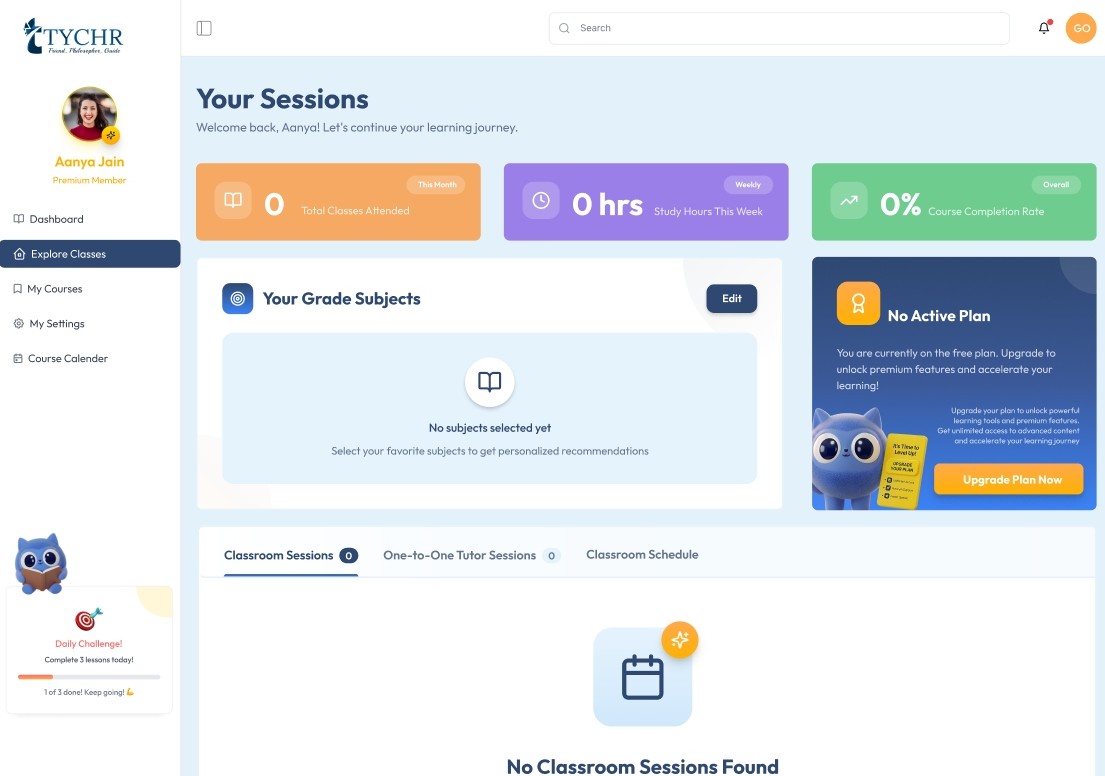
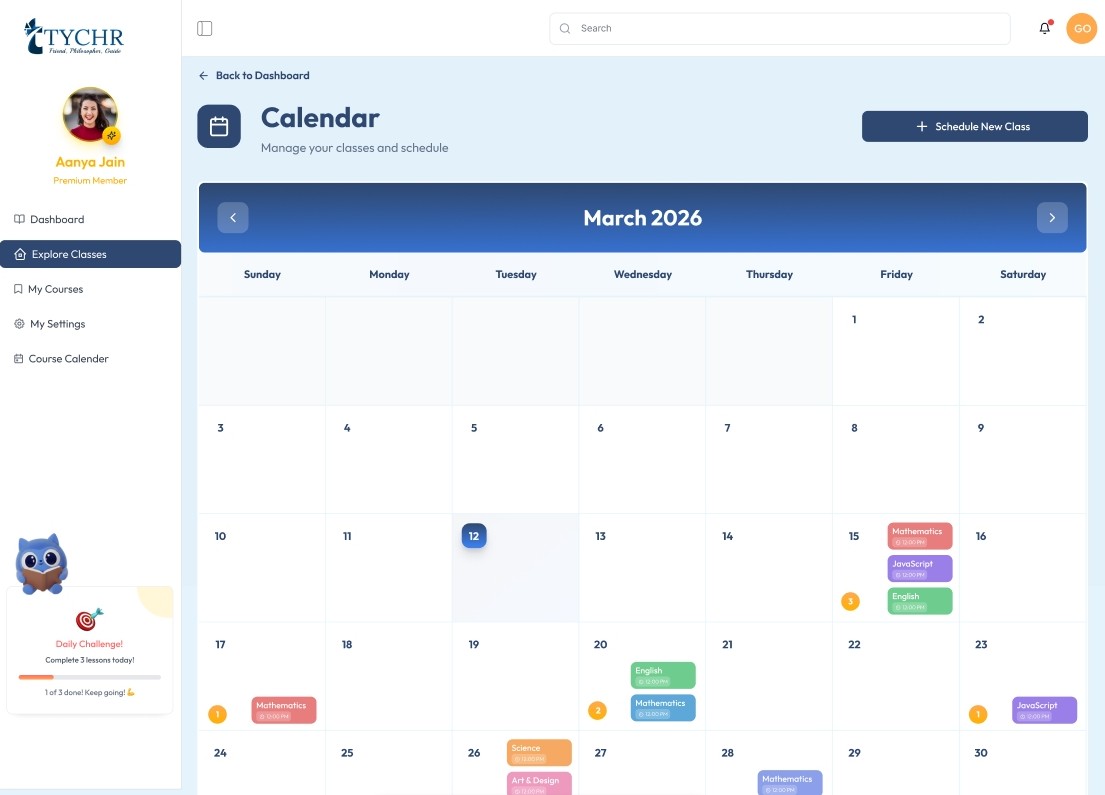
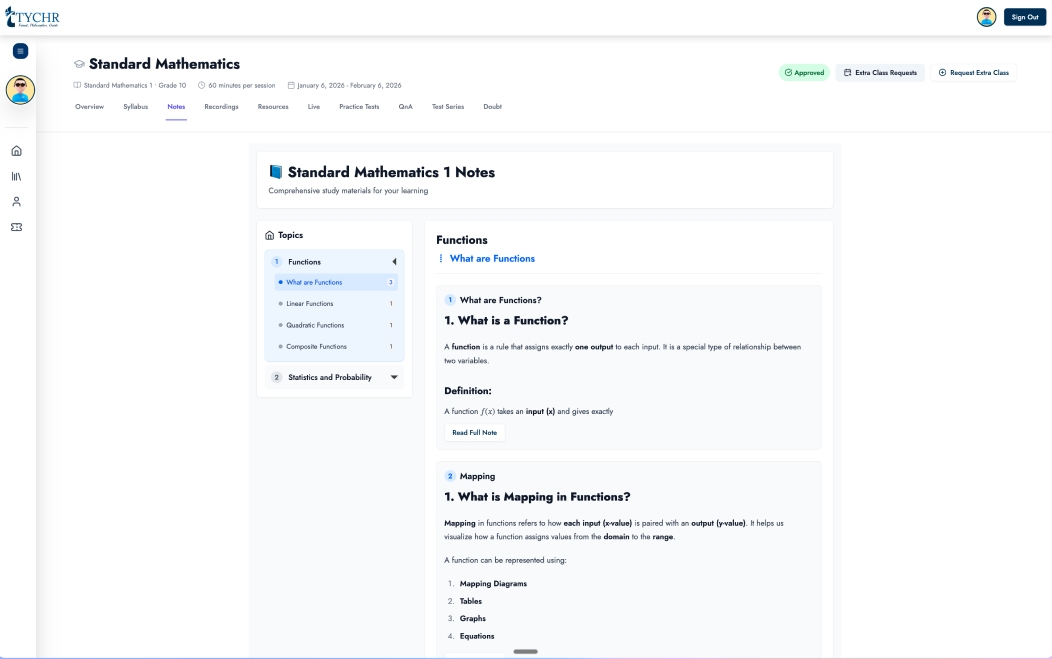
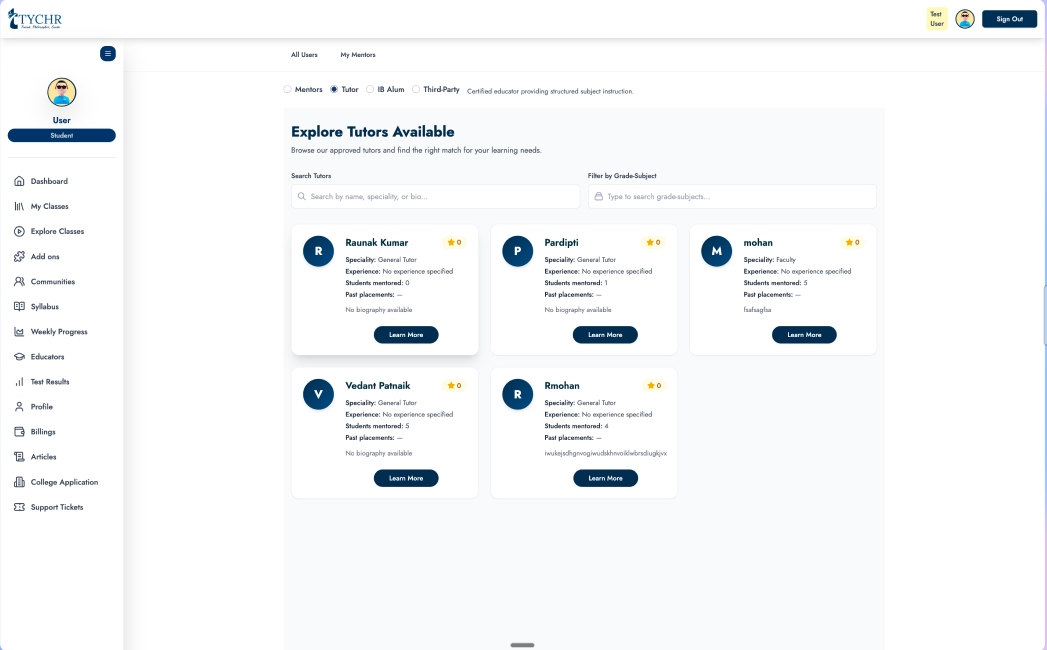
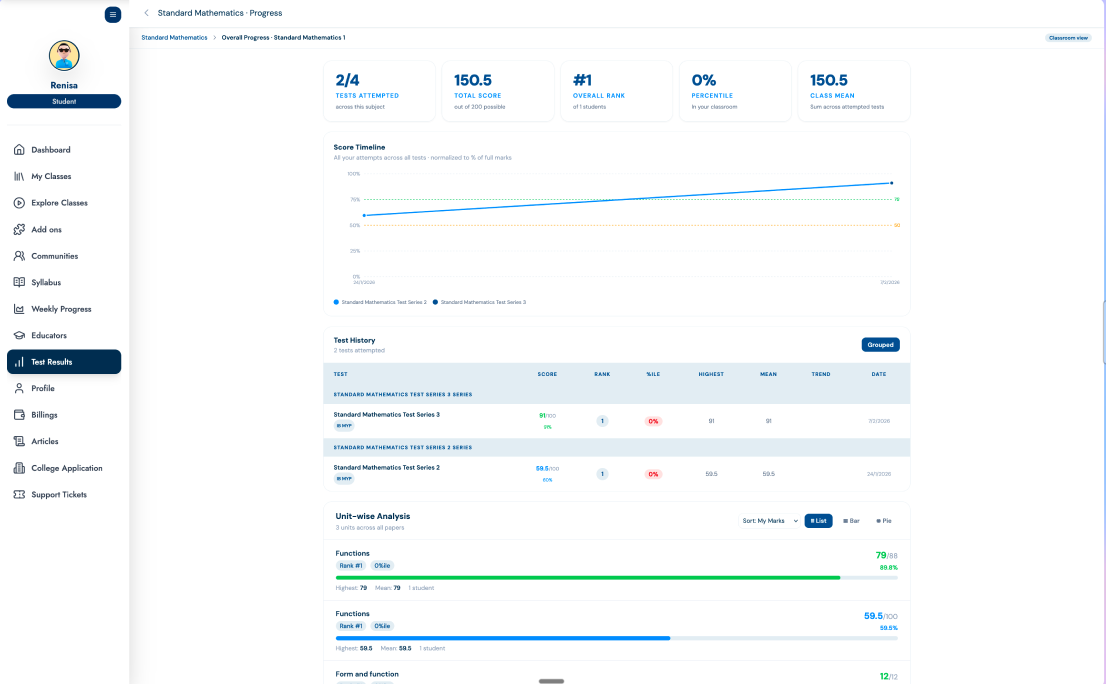
Explore our learning system
A platform designed around how students actually learn — adaptive, intuitive, and always one step ahead.
5000+
Students enrolled
100+
Expert tutors
95%
Satisfaction rate
70+
Countries reached
What Is AP Biology?

Course Length
Full academic year
September – May
Exam Date
Early May
Annually
Exam Duration
3 Hours
Total exam time
Exam Structure
Two Sections, Equal Weight
Section I
60 Multiple Choice Questions
90 min · 50% of score
Section II
6 Free Response Questions
90 min · 50% of score
Multiple Choice (MCQ)
60 questions in 90 minutes, worth 50% of the total score. Includes both individual questions and sets of questions based on scenarios, data, or models. Focuses on testing scientific inquiry and biological concepts.
Free Response (FRQ)
6 questions in 90 minutes, worth 50% of the total score. Includes 2 long free-response questions (interpreting and evaluating experiments) and 4 short free-response questions (conceptual analysis, analysis of biological processes).
Tools & Formula Sheets
A four-function, scientific, or graphing calculator is permitted on the entire exam. An equation sheet and periodic table are provided. Success relies on analyzing data sets and justifying biological claims with evidence.
AP Biology Syllabus
Unit-by-Unit Breakdown
Chemistry of Life
- Structure of water
- Biological macromolecules
- Enzymes
Cell Structure and Function
- Cell organelles
- Membrane transport
- Cell size and compartmentalization
Cellular Energetics
- Enzyme catalysis
- Photosynthesis
- Cellular respiration
Cell Communication and Cell Cycle
- Signal transduction
- Feedback mechanisms
- Cell cycle and mitosis
Heredity
- Meiosis
- Mendelian genetics
- Non-Mendelian inheritance
Gene Expression and Regulation
- DNA and RNA structure
- Replication
- Transcription and translation
- Gene regulation
Natural Selection
- Evidence for evolution
- Hardy-Weinberg equilibrium
- Phylogeny and speciation
Ecology
- Energy flow
- Population ecology
- Community and ecosystem dynamics
Biological Foundations (Units 1–2)
Molecular Basis & Cellular Energetics
The CER Framework
We rigorously drill the Claim-Evidence-Reasoning (CER) framework so students can analyze experimental data, link results to biological mechanisms, and justify conclusions with the precision required for full FRQ marks.
Mechanistic Strategy
For cellular processes, we zero in on the precise links between structure and function—e.g., how membrane proteins facilitate transport or how enzyme shape dictates metabolic rates—the exact zones where points are most frequently lost.
Chemistry of Life
Cell Structure & Function
Cellular Energetics

Heredity & Gene Expression (Units 3)
Coaching for Flawless Genetic Analysis

Mendelian & Non-Mendelian Genetics
Probability, Chi-square analysis, and sex-linkage. We teach students how to identify inheritance patterns and perform calculations flawlessly.
Gene Expression
Central Dogma, mutations, and operons. Mastering how environmental signals trigger gene regulation is a frequent FRQ differentiator.
Molecular Tools
PCR, gel electrophoresis, and CRISPR. We emphasize interpreting these technologies to understand how scientists manipulate and analyze genetic information.
Meiosis/Mitosis
DNA Replication
Transcription/Translation
Gene Regulation
Mastering Molecular Mechanisms
The conceptual gaps between meiosis, Mendelian inheritance, and molecular gene regulation dictate your ability to predict outcomes. These subtle nuances, such as linked genes or epigenetic factors, are heavily targeted in both MCQ and FRQ sections. We drill students using complex pedigree and molecular scenario profiles until they can confidently classify, map sequences, and justify any genetic framework in under 60 seconds.
Communication, Heredity & Expression
Concepts & Practice
Cell Communication
Heredity
Gene Expression

Master Processes for FRQs
Biological process questions require connecting molecular events to larger organismal outcomes. Our tutors focus on precise terminology and multi-step reasoning.
Evolution & Ecology
Natural Selection & Ecosystem Dynamics
Natural Selection
Ecology

Hardy-Weinberg
Calculating allele frequencies
Phylogeny
Analyzing evolutionary relationships
Energy Flow
Trophic efficiency and dynamics
Population Growth
Exponential vs. logistic models
Community Ecology
Symbiosis, competition, and predation
Ecosystem Dynamics
Succession and environmental disruption
AP Biology Free Response Questions
FRQ Strategies for Maximizing Rubric Points
6 Questions in 90 Minutes (50% of Score)
FRQs are where the exam is won or lost. Precise vocabulary is mandatory.
Rubric Maximization Rules
Use Data as Evidence
Many points are lost by failing to use the provided data. When asked to explain a biological process, always reference the specific data points, trends, or variables provided in the prompt's charts or figures to support your reasoning.
Apply CER Reasoning
AP Biology questions require 'scientific reasoning.' Do not simply list facts. Use the 'Claim-Evidence-Reasoning' (CER) structure: make a claim, provide specific evidence from the stimulus, and explain the biological mechanism that connects them.
Explain Mechanisms in Depth
Biology is a science of mechanisms. If asked how an enzyme works, do not just say 'it speeds up reactions.' Explain conformational changes, active sites, and activation energy. Depth and precision are the keys to full credit.
Master Experimental Design
For experimental design questions, you must identify independent/dependent variables, control groups, and constants. Explain how the control group serves as a baseline for comparison—this is a frequent point-scoring opportunity.
Synthesize Across Big Ideas
Long Free-Response Questions (FRQs) require synthesizing information from different units. We teach students to identify the 'big idea' (e.g., Evolution, Energy) and map related concepts before writing their response.
Why Precise FRQ Language Matters
College Board rubrics are extremely strict regarding evolutionary terminology. Using 'adapts' to refer to an individual's change in behavior or physiology (rather than natural selection acting on a population over generations) is a common misconception that results in zero credit. We drill the correct usage of 'acclimation' versus 'evolutionary adaptation' to ensure scientific precision.
Writing "stating the organism 'adapts' to its environment during its lifetime" instead of "natural selection acts on the population over generations".
Calculator Skills for AP Biology
Calculator & Mathematical Competencies
Essential Analytical Tools
Chi-Square Test
Used to compare observed vs. expected genetic data
Mean
Calculating averages for experimental replicates
Standard Error
Determining significance using error bars on graphs
Rate Calculation
Determining slope (rise/run) for reaction rates
Hardy-Weinberg
Calculating $p^2 + 2pq + q^2 = 1$ frequencies
Surface Area/Volume
Calculating ratios for cell size efficiency
Probability
Calculating inheritance outcomes via Punnett squares
Water Potential
Calculating solute and pressure components
Annotate Your Diagrams
When a prompt provides a diagram, label all known variables and pathways before you start writing your response.
Use Data Evidence
Never make a claim without directly referencing the provided graph, table, or experimental data as support.
Master Time Management
The FRQ section is dense. Aim to spend no more than 20 minutes on long FRQs and 10 minutes on short ones.
AP Biology Multiple Choice
Tips & Timed Practice
60 Questions • 90 Minutes
Average 1.5 minutes per question • Worth 50% of exam score
Analyze Stimuli First
Examine graphs, data tables, and experimental diagrams before looking at the question text.
Eliminate Distractors
Biology MCQs often include plausible but scientifically incorrect options based on common misconceptions.
Connect Concepts
Look for answers that bridge multiple units (e.g., how cellular respiration links to ecological energy flow).
Check for Absolutes
Be wary of options using words like 'always' or 'never' in biological contexts.
Manage Time
Aim for 1.5 minutes per question to allow time for data-heavy stimuli.
Skip & Return
Flag long experimental scenarios and return to them after faster conceptual questions.
Common Topics
- •Experimental design & variable identification
- •Interpreting data from graphs and tables
- •Cellular communication & signaling
- •Gene expression & regulatory mechanisms
- •Natural selection & evolutionary evidence
Practice Approach
Weeks 1-4
Untimed drill by big idea (Chemistry, Cells, Energy)
Weeks 5-8
Mixed practice focusing on data interpretation and stimuli
Weeks 9-12
Full 60-question timed mock exams
Our tutors provide official College Board practice materials and teach time-tested strategies
One-to-One vs Group Tutoring
AP Biology Sessions
One-to-One
- ✓Personalized pacing through all 9 units
- ✓Focus on your weak areas (probability, inference, etc.)
- ✓Flexible scheduling around your calendar
- ✓Individual FRQ review and feedback
- ✓Custom practice problem sets
Group Sessions
- ✓Learn with 3-4 students at similar level
- ✓Cost-effective exam preparation
- ✓Collaborative problem-solving
- ✓Structured curriculum coverage
- ✓Group practice test reviews
Tutor Profiles Subject Experts
Meet our highly qualified tutors with proven track records of student success.

Sreevidya KG
MSc in Chemistry with a Bachelor’s in Education, IB training, and Google certification.
20 Years
Experience
1500+
Students
5
Rating
Over 20 years of experience teaching Chemistry across IBDP, IGCSE, and AS/A Level curricula, including extensive international online tutoring.
Personalized IB tutoring with concept-focused learning approach.

Sandeep Nehra
IB Physics – Category 2 Certified | IBDP • IGCSE • AS/A Level • AP • AQA Physics
10+ Years
Experience
1200+
Students
4.9
Rating
An experienced IBDP and international Physics educator with over 10 years of multi-curriculum teaching experience across IBDP, IGCSE, AS/A Level, AP, and AQA.
Personalized IB tutoring with concept-focused learning approach.

Anjali Nayan Mistry
BA (Psychology), DELF B1 (French), B2.2 Alliance Française
11+ Years
Experience
1000+
Students
5
Rating
Have 11 years of experience teaching international curricula, including IB French B (SL & HL), French Ab Initio, AP Psychology, and IGCSE French, across leading IB and Cambridge schools.
Personalized IB tutoring with concept-focused learning approach.

Anish Chauhan
IB DP Physics • IGCSE Physics • Cambridge AS/A Level Physics | Former Academic Head
15 Years
Experience
1100+
Students
5
Rating
15+ years teaching IB DP, IGCSE, and Cambridge AS/A Level Physics
Achievements
Personalized IB tutoring with concept-focused learning approach.

Prem Raj Kumar
B.Sc. Computer Science | IB Educator Certificates | Google Certified Trainer
8+ Years
Experience
700+
Students
5
Rating
An experienced IB Computer Science educator specializing in Mathematics, ICT, and Computer Science across IB MYP, IBDP, IGCSE, AP, and A Level.
Personalized IB tutoring with concept-focused learning approach.
Grade Improvements — AP Score Results
From Students
ett
ett
Practice Tests & Past Exam Resources
Biology Materials
Official Practice Tests
15+- ✓ Released College Board exams
- ✓ Scored answer keys
- ✓ Topic breakdowns
FRQ Bank
200+- ✓ Organized by unit
- ✓ Scoring rubrics
- ✓ Sample responses
Multiple Choice
500+- ✓ Unit quizzes
- ✓ Mixed practice
- ✓ Timed tests
Calculator Guides
25+- ✓ TI-84 tutorials
- ✓ Function walkthroughs
- ✓ Quick reference

All Resources Included Free
Every tutoring student gets unlimited access to our complete Biology resource library
What students say
“I was scoring a 2 on AP Chemistry practice tests in January. By May I had a 5. Pooja ma'am focus on the FRQ rubric was the thing that made the biggest difference, I'd never understood how strictly it was marked.”

Amasha
Chemistry
“Prannoy sir helped me go from a 3 to a 5 in AP Calculus BC. The sessions were intense but the way he broke down FRQ justification was completely different from what my school taught. I finally understood what 'show your work' actually means for College Board”

Jiya
Calculus BC
Frequently Asked Questions
Everything About IB Biology Tutoring
Our tutors focus on big-idea connections rather than rote memorization, helping students link cellular processes, genetics, and ecology so they can easily tackle complex, multi-topic free-response questions.
Yes, we provide dedicated coaching on calculating chi-square values, interpreting experimental data, analyzing graphs, and understanding error bars as required by College Board standards.
We conduct intensive practice using past exam FRQs, training students on how to precisely structure their answers for 'describe,' 'explain,' 'calculate,' and 'predict' command words to maximize point capture.
Absolutely. Every lesson is meticulously structured around the official AP Biology Course and Exam Description (CED), ensuring complete coverage of all required enduring understandings and science practices.
Yes, we walk students through all standard College Board investigations—such as enzyme catalysis, mitosis/meiosis, cellular respiration, and molecular biology labs—focusing on experimental design and variable control.
We use step-by-step visual mapping for complex mechanisms like transcription, translation, operon regulation, and signal transduction pathways, making intricate molecular processes intuitive and easy to recall.
Book Your AP Biology Tutor Today
Start with a Free Trial Session
Book Free Trial
Choose your preferred time slot
Meet Your Tutor
Get matched with Biology expert
Start Improving
Begin your personalized prep plan
No credit card required • No commitment • 100% satisfaction guarantee
1000+
Students Taught
4.8
Average Score
89%
Score 4 or 5
200+
Expert Tutors